Fake Interview Opens Door to Binance Heist

Help Net Security · High sophistication
Last updated November 4, 2026

Attackers linked to North Korea reportedly used a fake recruiting process to trick a Binance software engineer into downloading and running a malicious code repository during a supposed job assessment. The compromise ultimately helped the attackers access Binance’s wallet systems and steal about $6.34 billion in digital assets. The incident shows why job-related files, coding tests, and interview requests can be high-risk, even when they arrive through a legitimate job platform.

Key findings

  • An engineer first installed a tampered version of Homebrew after seeking an AI coding tool, giving attackers information about wallet-infrastructure personnel.
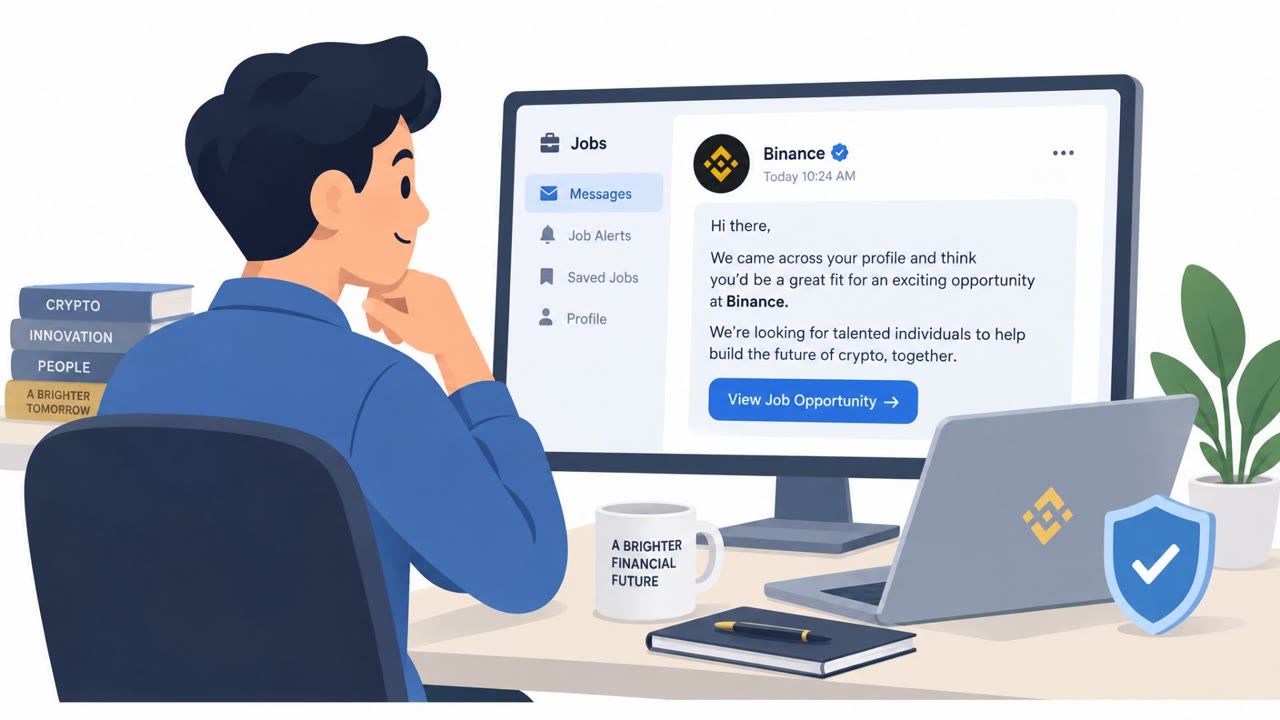
  • Attackers later contacted a Binance software engineer through a legitimate job-hunting platform while posing as a Project Director.
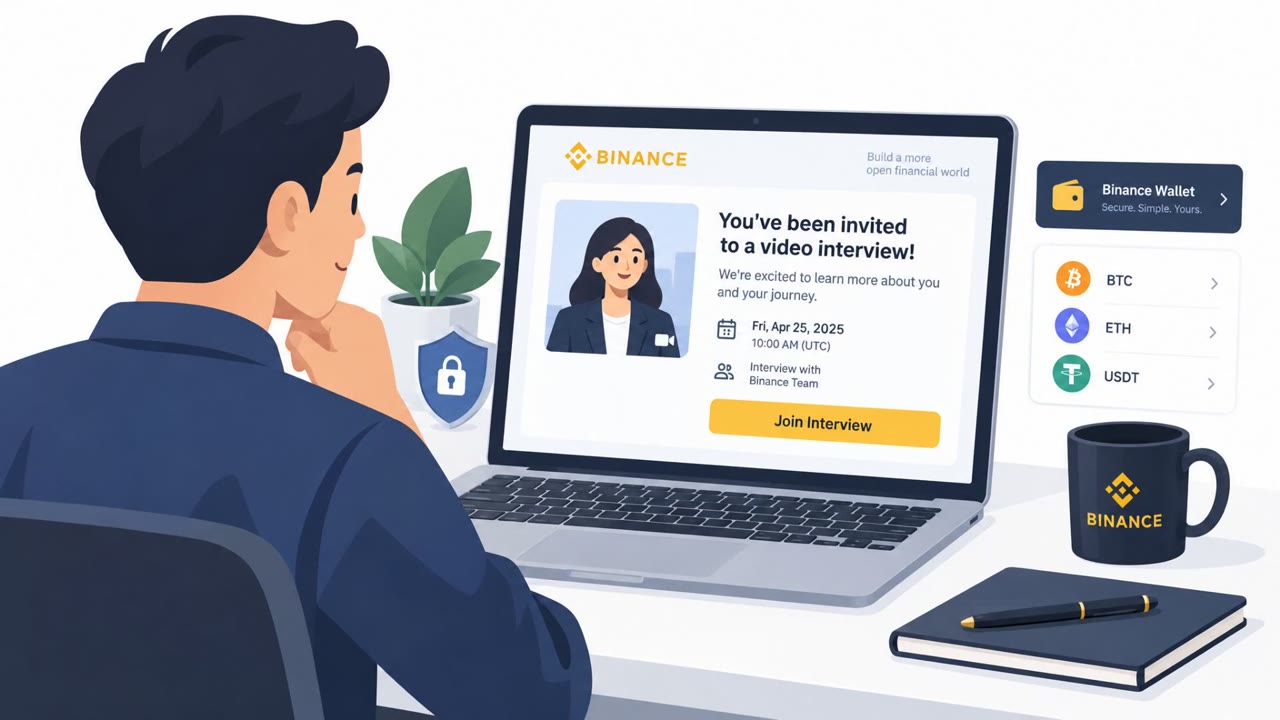
  • The fake recruitment process included a first-round HR interview, a second-round interview with a person claiming to be the CEO of a fictitious company, and a live video screening.
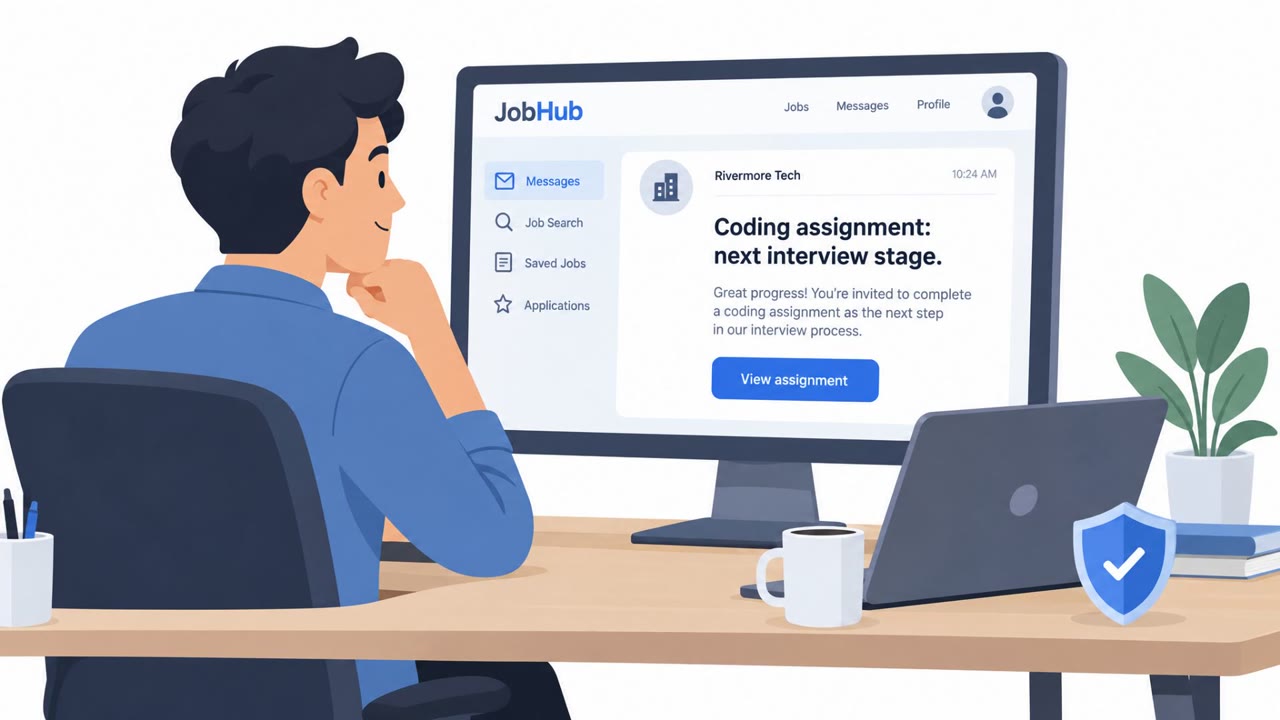
  • As part of a supposed assessment, the employee was asked to download a code repository onto a company-issued computer.
  • The repository contained malware that replaced a legitimate pyenv executable with a malicious copy and launched a zsh process.
  • The FBI attributed the attack to North Korea and tied it to TraderTraitor, a group associated with the earlier Bybit theft.
  • The report reinforces that job offers and technical assessments can be used to persuade employees to download and execute malicious files on corporate devices.

Who’s being targeted

  • Commonly targeted roles: Software Engineers, Developers, DevOps Engineers, Cloud and Infrastructure Teams, Cryptocurrency and Financial Services Employees, Hiring Managers, Human Resources, All employees who use corporate devices for job searches or technical assessments.
  • Affected industries: Cryptocurrency exchanges, Financial services, Blockchain and digital-asset services, Software engineering, Defense industry.
  • Attack channels: website, vishing.
  • Impersonated: A Project Director, HR representative, and CEO of a fictitious company, A legitimate AI coding-tool or software-download source.

Awareness takeaways

  • Treat unsolicited job approaches as potentially risky, even when they arrive through a legitimate recruiting or job-hunting platform. Independently verify the recruiter and company using known contact details before progressing to interviews or assessments.
  • Do not download, open, or run interview assessments, code repositories, installers, or test projects on a corporate device unless they have been reviewed through approved security processes.
  • Be especially cautious when a recruitment process pressures technical staff to execute code or install tools as proof of skill; use an isolated, approved testing environment if an assessment is legitimate.
  • Report suspicious software-download prompts and recruiting contacts promptly, because an apparently limited compromise can help attackers map colleagues, roles, and privileged systems.

Red flags to watch for

  • An unfamiliar recruiter uses a legitimate job platform to establish trust.
  • The applicant is asked to download and execute code on a company-issued device.
  • The purported CEO represents a fictitious company.
  • A software installer is obtained outside the organization’s approved software-distribution process.
  • A trusted tool or package manager is presented in a tampered form.
  • The request requires installing software on a corporate device.
Try Mirage

Mirage safely runs attacks like this one against your own team, so you find out what happens before a real adversary does.

Get a demo
Read the video transcript

A job interview helped open the door to Binance’s wallet systems. A fake Project Director contacted a Binance engineer through a real job platform. HR, a supposed CEO, and a video interview made the offer feel legitimate. Then came the assessment: download a code repository onto the company laptop. Its malware replaced pyenv with a malicious copy and launched zsh. That’s the trap. A real job platform doesn’t make the code safe. Send any interview repository to Security for review before running it.

Similar attacks

Fake Job Interview Led to Binance Theft

Fake Job Interview Led to Binance Theft

Attackers reportedly used a fake job opportunity to trick a Binance software engineer into running a coding assignment on a work computer. The assignment installed malicious software, helping the attackers move through Binance systems and ultimately steal about $6.3 billion in cryptocurrency. The…

November 5, 2026

Fake Job Interview Opens Door to Binance Heist

Fake Job Interview Opens Door to Binance Heist

North Korean attackers reportedly used a convincing fake recruiting process to persuade a Binance software engineer to download a malware-laced coding assignment onto a work computer. The compromise later gave the attackers access to wallet infrastructure and was used in the reported $6.3 billion…

November 3, 2026
North Korean Recruiter Ruse Targets Tech Talent

North Korean Recruiter Ruse Targets Tech Talent

The FBI attributed a record $6.43 billion Binance cryptocurrency theft to the North Korea-linked TraderTraitor group. The group has also targeted people in cybersecurity, AI, blockchain, and recruitment through fake recruiter personas and software-engineering job opportunities, aiming to persuade…

November 1, 2026
Fake Job Interview Leads to Binance Heist

Fake Job Interview Leads to Binance Heist

Attackers reportedly used a fake recruiting process to target Binance software engineers over several months. They built trust through a legitimate job platform and a fake HR interview, then persuaded an engineer to download a malicious coding assignment onto a work computer. That access was later…

November 4, 2026
Fake Job Interview Led to Binance Crypto Heist

Fake Job Interview Led to Binance Crypto Heist

Binance says North Korean-linked attackers used a fake recruiting process to trick an engineer into downloading a malicious coding assignment. The attackers then spent weeks moving through internal systems before abusing a wallet-signing service to move funds outside normal withdrawal controls.…

November 3, 2026
Fake Recruiters Helped Trigger Binance Heist

Fake Recruiters Helped Trigger Binance Heist

Attackers linked to North Korea used a fake recruiting process to trick a Binance engineer into downloading a coding assignment onto a work computer. The malicious assignment gave the attackers a foothold, which they expanded through an internal AI tool and privileged engineering access to carry…

November 5, 2026