The FBI says North Korea-linked BlueNoroff actors used stolen trusted accounts, deepfake video calls, and fake Zoom or Teams meeting links to steal more than $400 million in cryptocurrency. Victims were invited to discuss investments, shown a convincing fake meeting with familiar people, then told to fix a fake audio or software problem by clicking a link or running code. The campaign particularly targeted crypto leaders and open-source software developers.
Key findings
- The FBI attributed FaceStealer to DPRK-linked actors and said the scheme stole more than $400 million in cryptocurrency in 18 months.
- Attackers hijacked Telegram and other communications accounts, impersonated trusted contacts, and used victims' contact lists to spread the campaign.
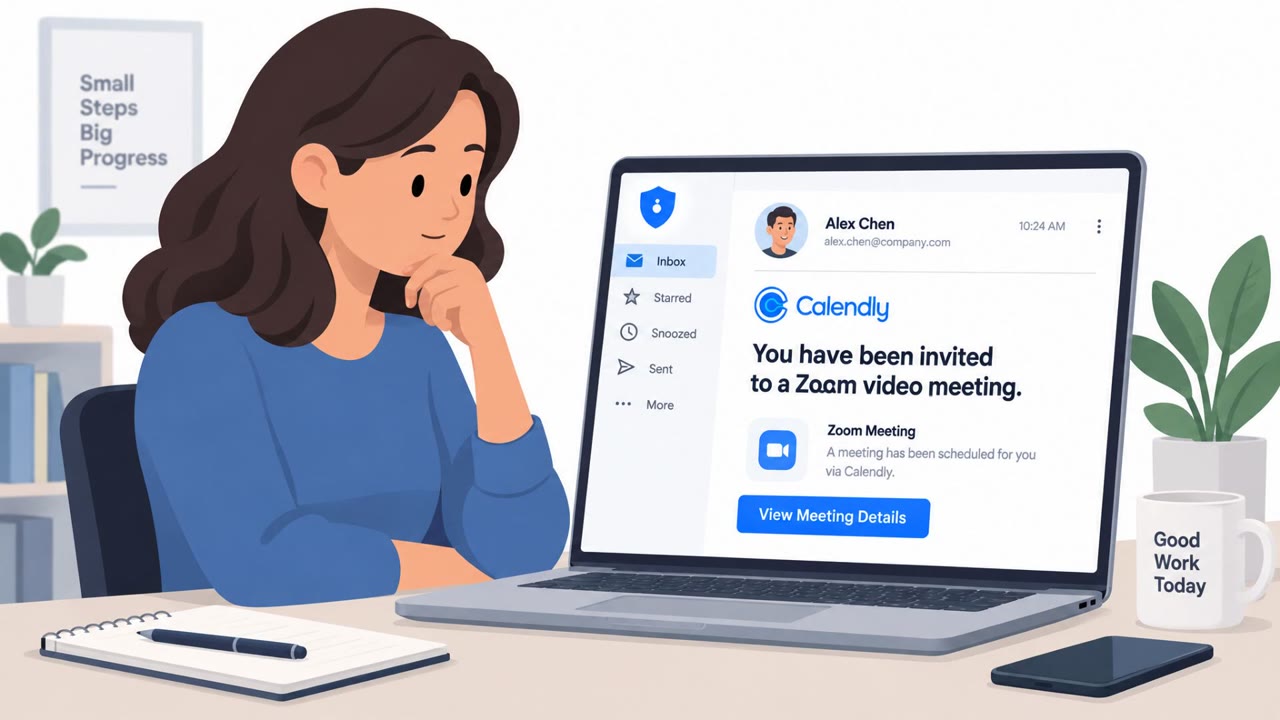
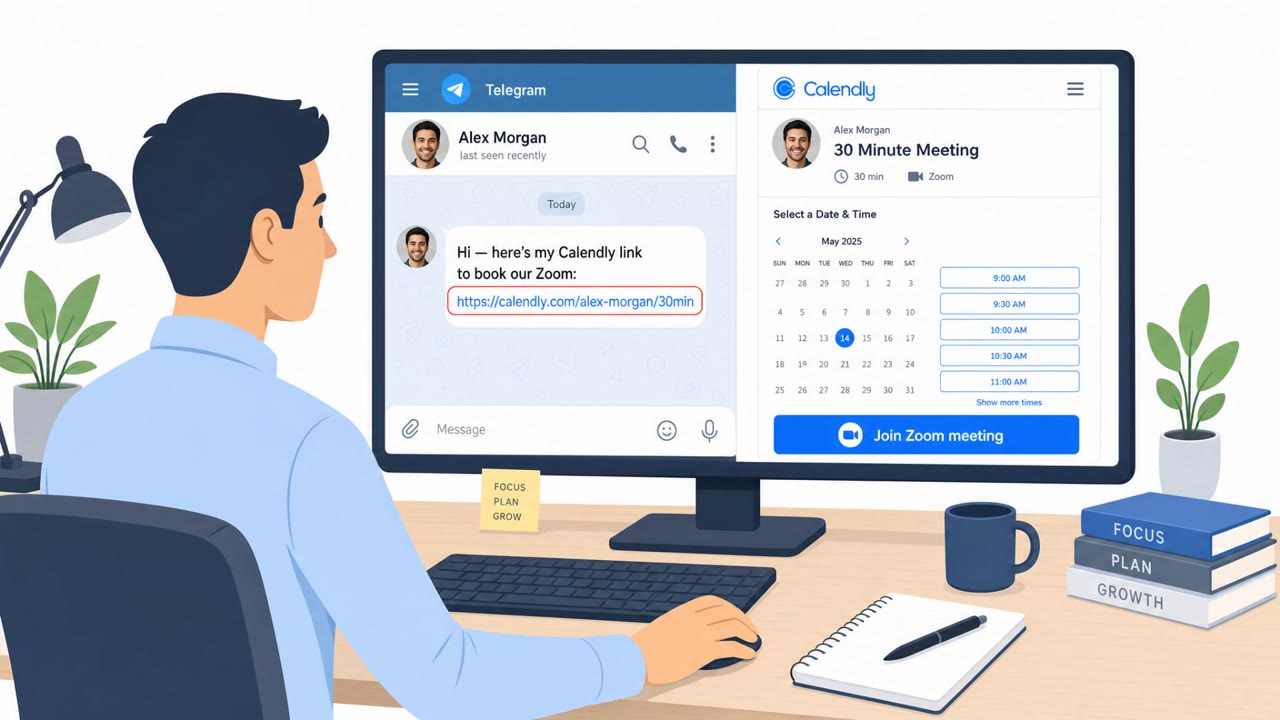
- The core lure was an investment-related Zoom or Teams meeting, scheduled through Calendly and delivered through Telegram.
- Fake meetings used recorded webcam footage of trusted contacts, deepfake videos, and AI-generated participant avatars to make the call appear legitimate.
- During the call, attackers claimed there was an audio or software issue and pushed targets to click an update link, run a script, or paste code into a command line.
- The campaign focused on cryptocurrency and Web3 personnel, especially founders and C-suite executives, as well as open-source developers and software maintainers.
Who’s being targeted
- Commonly targeted roles: Founders, CEOs and C-suite executives, Cryptocurrency and Web3 professionals, Finance and investment teams, Cryptocurrency exchange personnel, Software developers, Open-source maintainers, Employees who use Telegram, LinkedIn, Slack, Discord, Zoom, or Microsoft Teams.
- Affected industries: Cryptocurrency and blockchain finance, Web3, Investment and financial services, Cryptocurrency exchanges, Open-source software, Software development.
- Attack channels: telegram, website, linkedin, vishing.
- Impersonated: A trusted professional contact whose Telegram account has been compromised, A trusted contact and other purported participants in a Zoom or Teams meeting, A recruiter and a "Member of Technical Staff".
Awareness takeaways
- Verify unexpected investment-meeting invitations with the contact through a known, separate communication channel before joining or acting on them.
- Check meeting links carefully and use your organization’s normal meeting application or known calendar entry instead of links sent at the last minute.
- Never install an update, click a repair link, or paste commands into a terminal just because a caller claims there is an audio or video problem.
- Treat video identity as unverified when money, credentials, software access, or code execution is involved; recordings and deepfakes can convincingly imitate trusted people.
Red flags to watch for
- An unexpected investment discussion arrives from a contact over Telegram.
- The meeting URL uses a lookalike domain rather than the organization’s normal Zoom or Microsoft Teams domain.
- The sender provides a different link shortly before the meeting.
- A meeting participant says you cannot be heard within seconds of joining.
- A video-call problem is resolved by an external link or by instructions to run or paste code.
- The call relies on video-only participants, static avatars, or familiar-looking footage that cannot interact naturally.
- A recruiter pressures you to run unfamiliar code during an interview.
- The interviewer says running a repository is required to proceed.
- The recruiter blocks or stops communicating when asked for a safer interview format.
Read the video transcript
Your trusted contact invites you to discuss a crypto investment. On Telegram. A Calendly invite follows. Then, just before the call, a new Zoom link: uu01webzoom dot us. The meeting shows familiar faces, but they're recorded footage and deepfakes. Seconds in, they say, 'We can't hear you.' The fix? Click an update link or paste code into Terminal. That's the trap, not your microphone. The FBI links this scheme to over $400 million stolen. Before joining an unexpected investment call, confirm it through a separate, known channel.