North Korean Recruiter Ruse Targets Tech Talent

The Hacker News · High sophistication
Last updated November 1, 2026

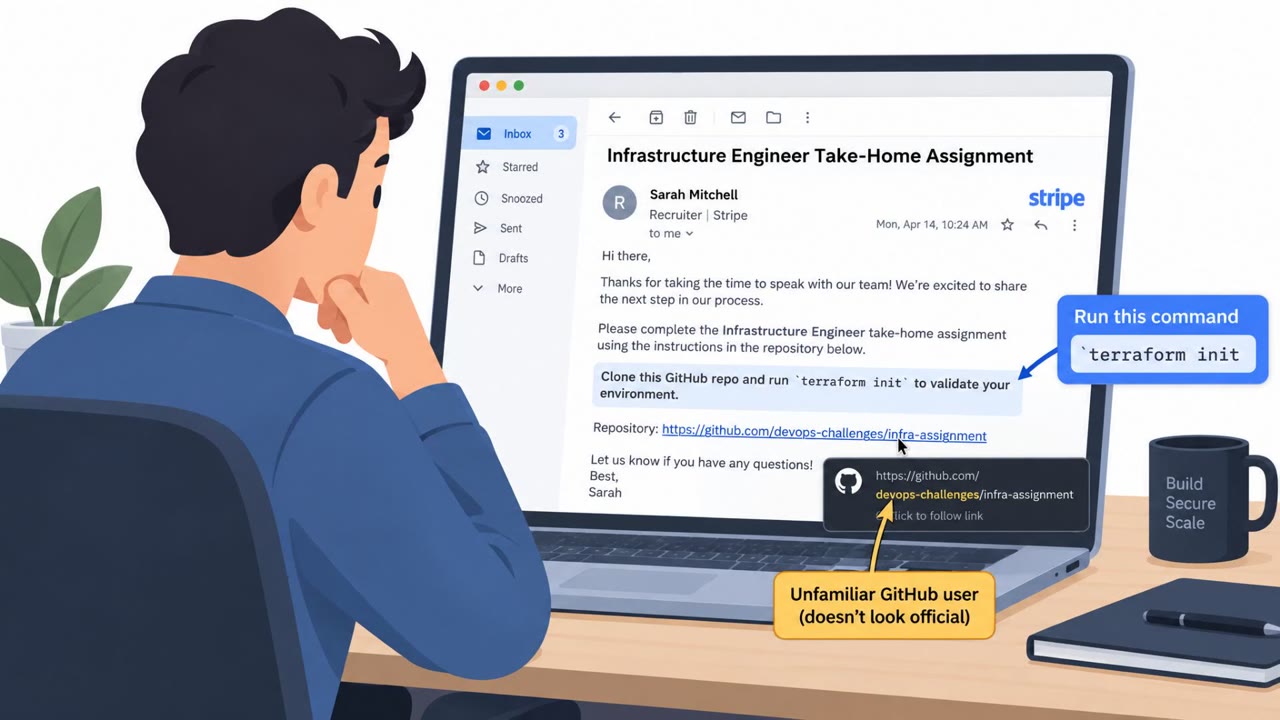
The FBI attributed a record $6.43 billion Binance cryptocurrency theft to the North Korea-linked TraderTraitor group. The group has also targeted people in cybersecurity, AI, blockchain, and recruitment through fake recruiter personas and software-engineering job opportunities, aiming to persuade them to run malicious code.

Key findings

  • The FBI attributed theft of more than $6 billion in virtual assets from Binance to the North Korea-aligned TraderTraitor group, also known as Jade Sleet and UNC4899.
  • TraderTraitor has used fake recruiters, front companies, tailored domains, social-media profiles, and software-engineering job opportunities to engage targets.
  • The group targets people connected to cybersecurity, AI, blockchain, and talent recruitment companies.
  • A trojanized Terraform provider delivered a Bash loader and malware that stole sensitive data and installed a backdoor for remote control.
  • The reported social-engineering objective is to convince job candidates to run malicious code during a recruitment-themed interaction.

Who’s being targeted

  • Commonly targeted roles: Software engineers, Developers, DevOps and cloud engineers, Cybersecurity professionals, AI professionals, Blockchain and Web3 employees, Talent acquisition and recruiters.
  • Affected industries: Cryptocurrency exchanges, Blockchain and Web3, Cybersecurity, Artificial intelligence, Technology recruitment, Software development.

Awareness takeaways

  • Treat unsolicited recruiter outreach for technical roles as untrusted until the employer and recruiter are independently verified through known company channels.
  • Do not download, install, or run code, packages, or infrastructure tools provided during a job interview without security approval and independent verification.
  • Be alert when a recruiter’s knowledge of your field seems unusually tailored; convincing industry language and polished online profiles do not prove legitimacy.
Try Mirage

Mirage safely runs attacks like this one against your own team, so you find out what happens before a real adversary does.

Get a demo
Read the video transcript

A recruiter offers you a blockchain engineering interview. Then comes the coding task. TraderTraitor uses polished profiles and tailored company domains to look credible. The interview task can include a trojanized Terraform provider that runs a Bash loader. Here's the tell: the interview asks you to run their code. That provider can steal data and install a backdoor. Industry jargon isn't proof a recruiter is real. Before running any interview code, stop and get security approval through your company's usual channel.

Similar attacks

Device-Code Phishing and “ClickFix” Lures Spread

Device-Code Phishing and “ClickFix” Lures Spread

This weekly recap highlights multiple real-world campaigns where attackers trick users into taking actions that grant access, without needing to steal passwords directly. Notable examples include “device code” phishing (victims are instructed to enter a short code to approve an attacker session)…

September 28, 2026
Lazarus Linked to $6.3B Binance Heist

Lazarus Linked to $6.3B Binance Heist

The FBI attributed the theft of roughly $6.3 billion from Binance to North Korea's TraderTraitor operation, which is linked to the Lazarus Group. The reported Binance breach began with a compromised DevOps engineer laptop, while the group has previously used fake job offers and recruitment…

November 2, 2026
Fake Job Interview Repo Tricks DevOps Into Malware

Fake Job Interview Repo Tricks DevOps Into Malware

North Korea–linked "Jade Sleet" used job interview-style coding projects to trick developers into running malicious infrastructure code. The lure involved GitHub repositories that contained a weaponized Terraform file, leading to downloads from attacker-controlled domains and installation of macOS…

September 21, 2026
Fake AI Trading Bot Steals Crypto Wallet Passwords

Fake AI Trading Bot Steals Crypto Wallet Passwords

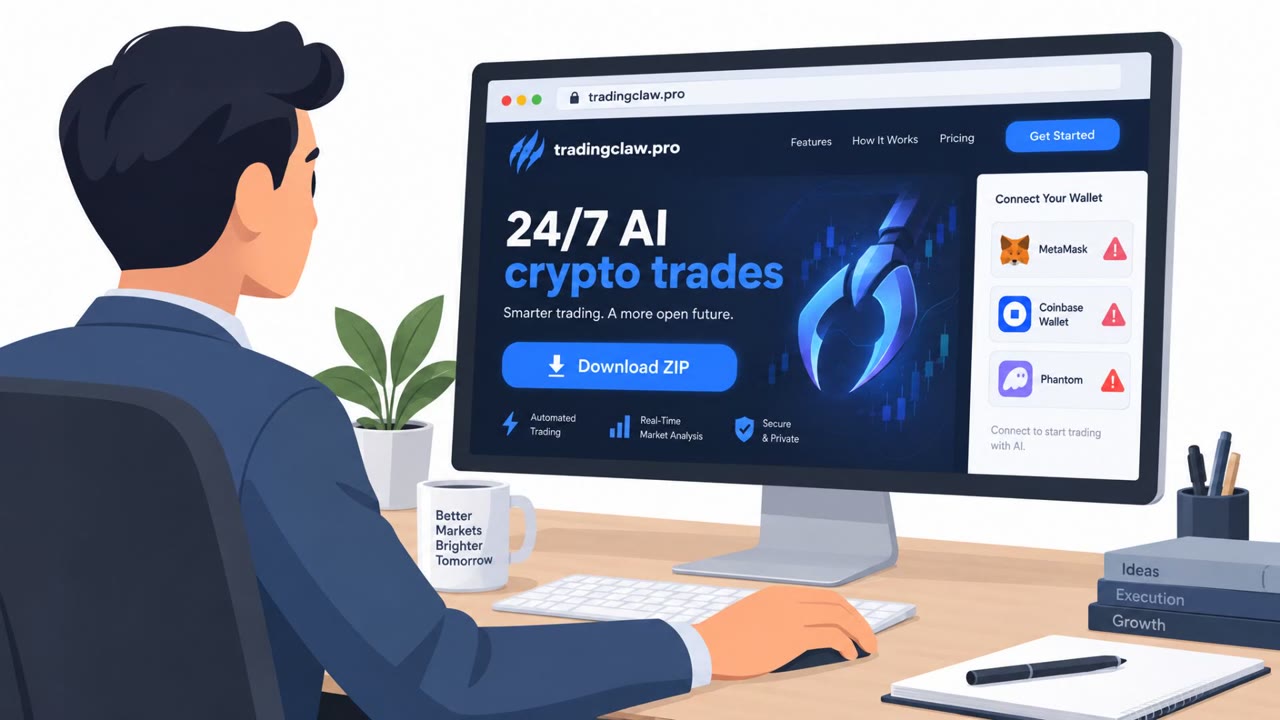
Researchers observed real campaigns where a fake “AI crypto trading agent” website tricked victims into downloading malware that silently replaces browser wallet extensions and steals the wallet password when it’s typed. The same reporting also describes invoice emails using QR codes to push…

September 17, 2026
Fake Claude & Perplexity Lures Push Malware

Fake Claude & Perplexity Lures Push Malware

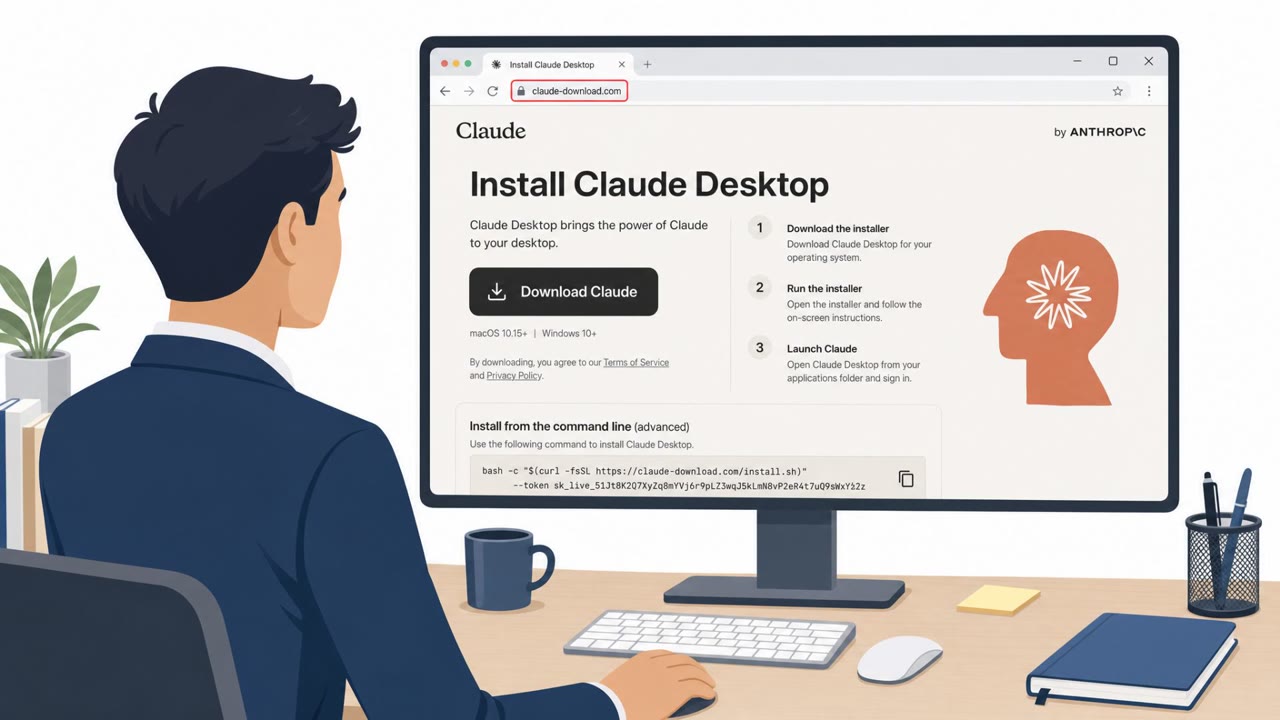
Sophos reports real incidents where attackers impersonated well-known AI brands (especially Claude) to trick people into installing malware. The lures included polished fake installer pages that instruct victims to copy/paste commands, and browser extensions that look legitimate via high ratings…

August 21, 2026
Rust Crate Typosquat Ran Malware at Build Time

Rust Crate Typosquat Ran Malware at Build Time

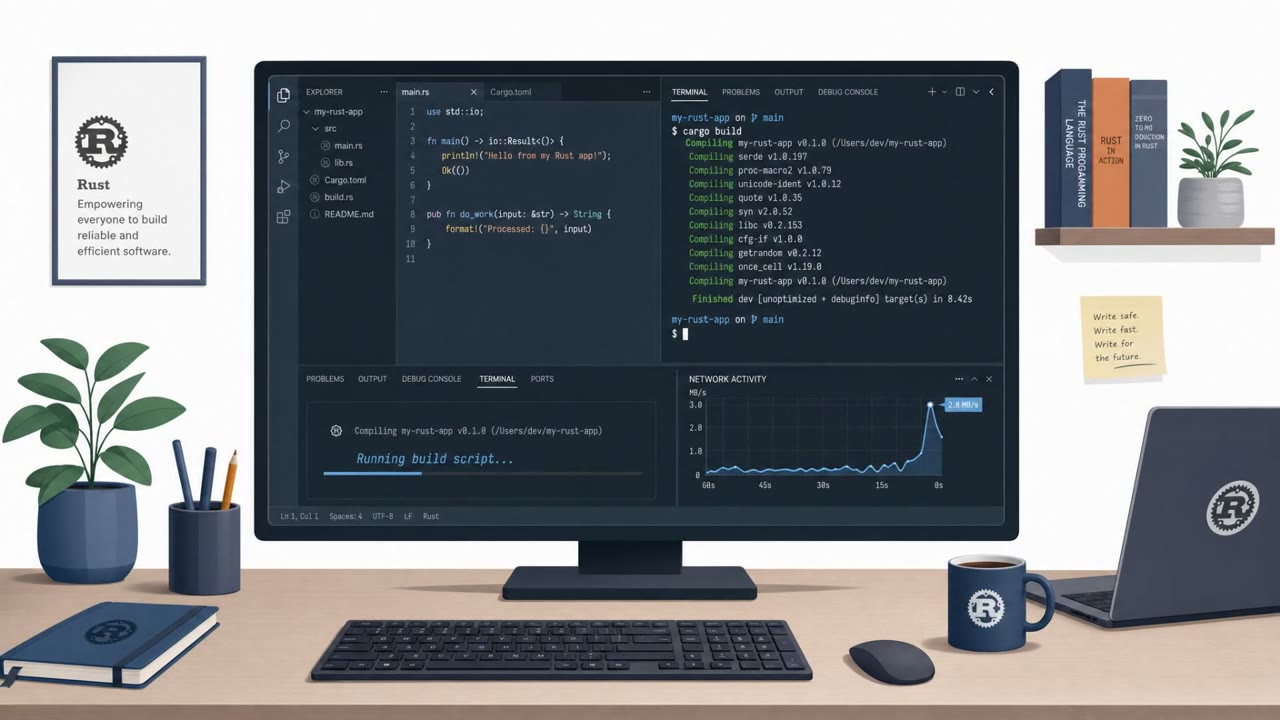
Attackers used a compromised Rust crate maintainer account to publish new versions that secretly added a typosquatted dependency. That dependency’s build script downloaded and executed malware during compilation, meaning developers could be infected just by building a project. The attacker also…

August 20, 2026