PhantomDOM Phish Hijacks Microsoft 365 Sessions

The Hacker News · High sophistication
Last updated November 9, 2026

A real phishing operation called PhantomDOM used a SharePoint-themed PDF from an apparently legitimate sender to lead people to a fake-but-familiar Microsoft 365 sign-in experience. Instead of simply copying a login page, the attackers controlled a remote browser session, allowing them to capture and use the victim’s sign-in activity.

Key findings

  • The PhantomDOM operation began with a SharePoint-themed PDF sent from an apparently legitimate sender.
  • The attack used redirects and browser checks before showing a Microsoft authentication experience.
  • The victim saw a familiar Microsoft sign-in experience, but the attacker controlled the remote browser where it ran.
  • The phishing client mirrored the remote browser page, forwarded keyboard and clipboard activity over WebSocket, and allowed live operator control.

Who’s being targeted

  • Commonly targeted roles: All employees, Microsoft 365 users, Finance, Executives, Human Resources, IT administrators.
  • Attack channels: email, website.
  • Impersonated: Microsoft 365 / SharePoint.

Awareness takeaways

  • Treat unexpected document-sharing PDFs with caution, even when the sender appears legitimate. Verify unexpected shared files using a known communication channel before opening them.
  • Do not trust a sign-in page solely because it looks like Microsoft 365. Navigate to Microsoft 365 through a known bookmark or approved company portal rather than signing in after following a document link.
  • Be especially alert when a document link causes unusual redirects, browser checks, or requests to sign in again. Report the message rather than continuing if the sequence feels unexpected.

Red flags to watch for

  • An unexpected SharePoint-themed PDF from a sender that only appears legitimate.
  • The PDF leads through redirects and browser checks before the sign-in page appears.
  • A familiar-looking Microsoft sign-in page is not proof that the login session is legitimate.
Try Mirage

Mirage safely runs attacks like this one against your own team, so you find out what happens before a real adversary does.

Get a demo
Read the video transcript

A SharePoint PDF arrives from a sender who looks legitimate. You weren’t expecting it. You open the PDF, follow its link, pass through redirects and browser checks, then see a familiar Microsoft 365 sign-in. That’s PhantomDOM’s trap. Here’s the catch: the sign-in runs in a remote browser they control. PhantomDOM mirrors it to your screen and forwards your typing and clipboard over WebSocket. A Microsoft-looking page doesn’t mean it’s your browser. For unexpected document links, open Microsoft 365 from your company bookmark instead.

Similar attacks

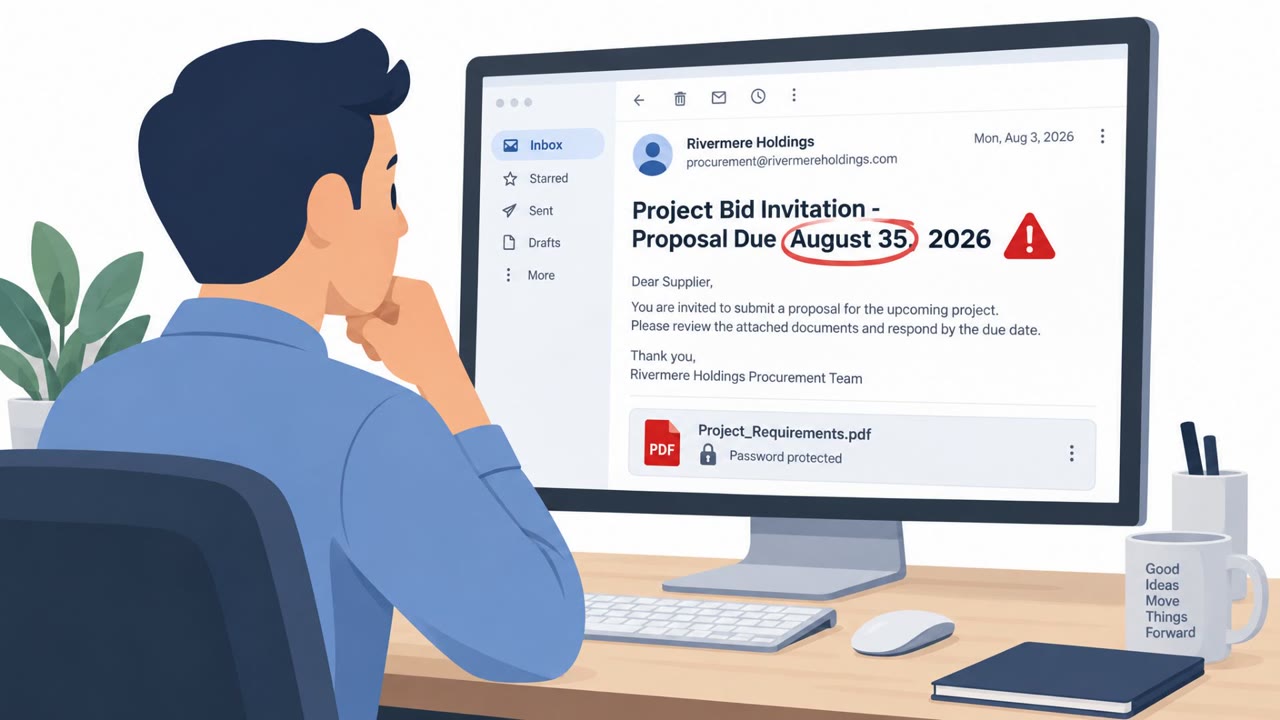
Fake Bid PDFs Lead to Microsoft Credential Theft

Fake Bid PDFs Lead to Microsoft Credential Theft

A real credential-phishing campaign used a project bid invitation and a password-protected PDF to target employees involved in sales and contract work. The PDF led victims through a convincing fake document-sharing site and then to a counterfeit Microsoft sign-in page that sent entered credentials…

October 27, 2026
Fake Recruiters Target Job Seekers With Malware

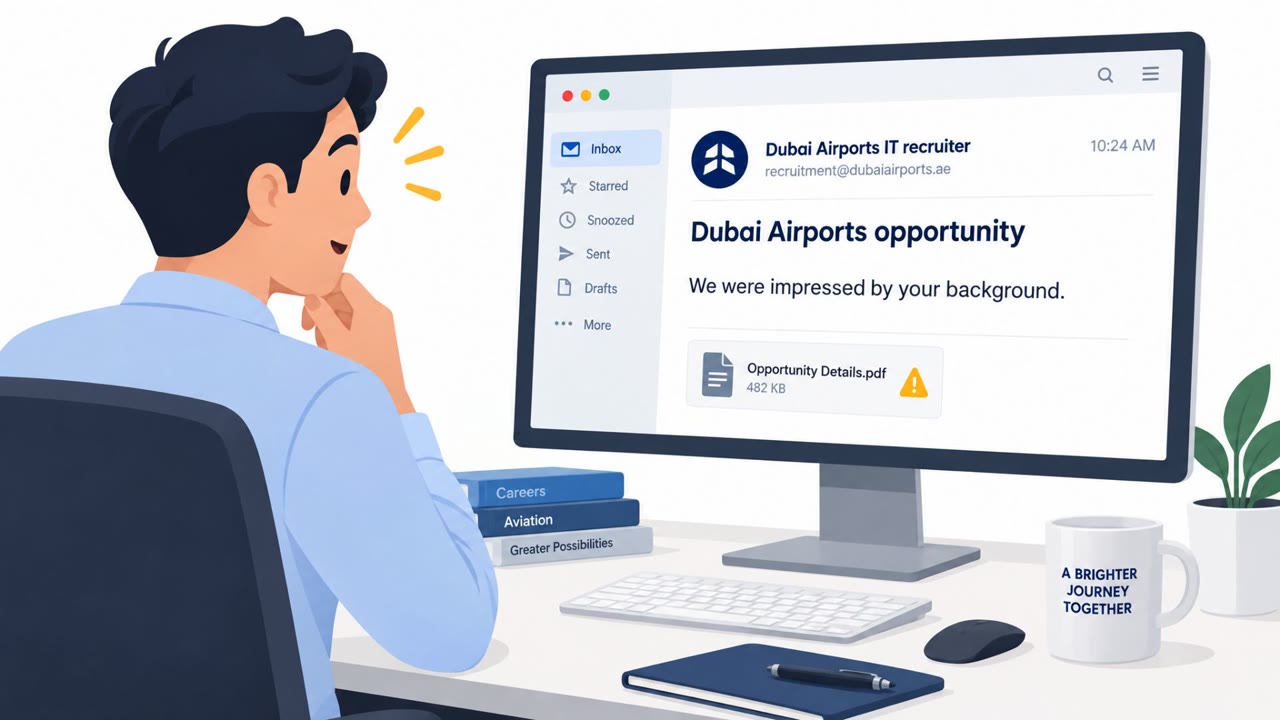
Fake Recruiters Target Job Seekers With Malware

Iran-aligned DarkBlinders used convincing recruitment offers while posing as Dubai Airports recruiters to target a high-value job seeker in Iraq. The victim was asked to complete what appeared to be a coding assessment, but the assessment package installed malware. The group also used lookalike…

November 2, 2026
North Korea Scales AI-Powered Job Scams

North Korea Scales AI-Powered Job Scams

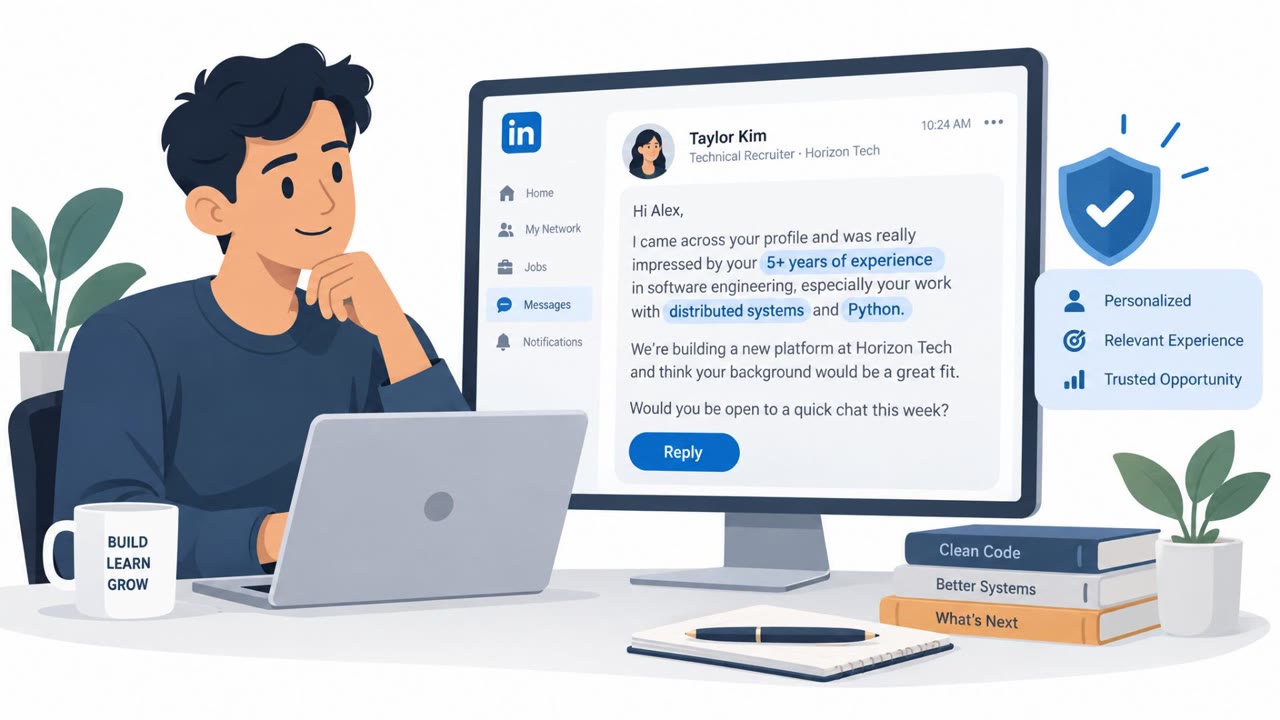
Microsoft reports that North Korean threat actors are using AI to make job scams, fake recruiter outreach, fraudulent worker identities, and targeted phishing campaigns faster and more convincing. One group posed as recruiters for a spoofed AI blockchain company and scheduled software-engineer…

October 29, 2026
Fake Anthropic Preview Steals Work Logins

Fake Anthropic Preview Steals Work Logins

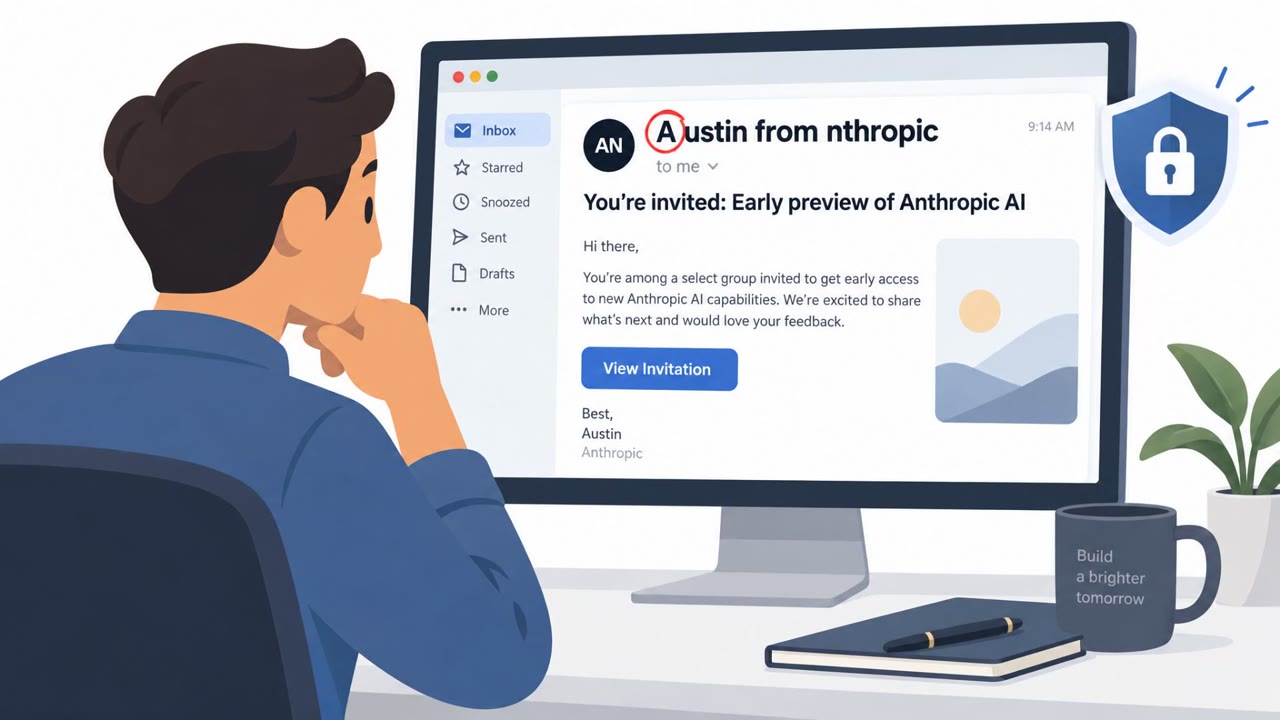
Attackers are sending fake, exclusive Anthropic AI-event invitations that use familiar GoTo Webinar branding to lure enterprise employees. Victims who register are routed through CAPTCHA checks, a fake Zoom-style event page, and spoofed Google or Microsoft sign-in pages designed to steal work…

October 29, 2026
Fake Court Notices Deliver LodaRAT

Fake Court Notices Deliver LodaRAT

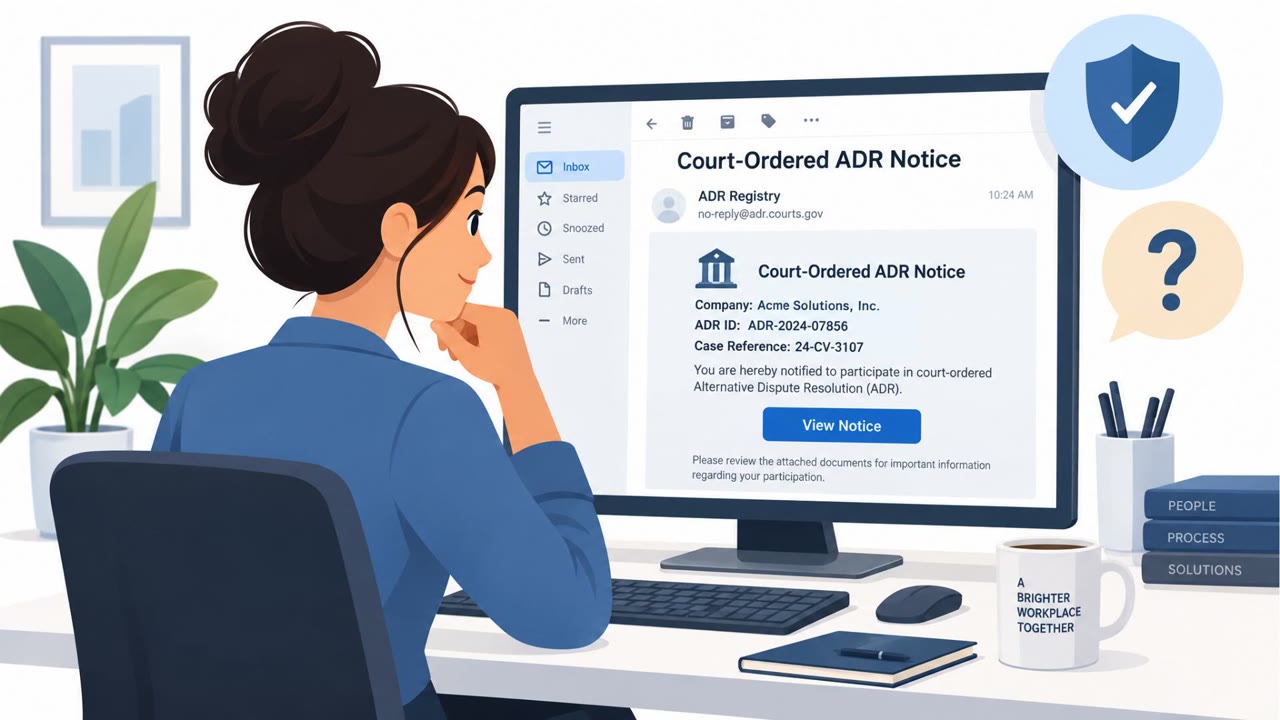
Attackers sent personalized fake federal court notices to more than 100,000 companies, impersonating the US District Court for the Southern District of Florida. The emails directed recipients to a counterfeit court website and offered a password-protected case file that ultimately installed…

October 28, 2026
Fake Legal Notices Hide Malware in VLC and VMware

Fake Legal Notices Hide Malware in VLC and VMware

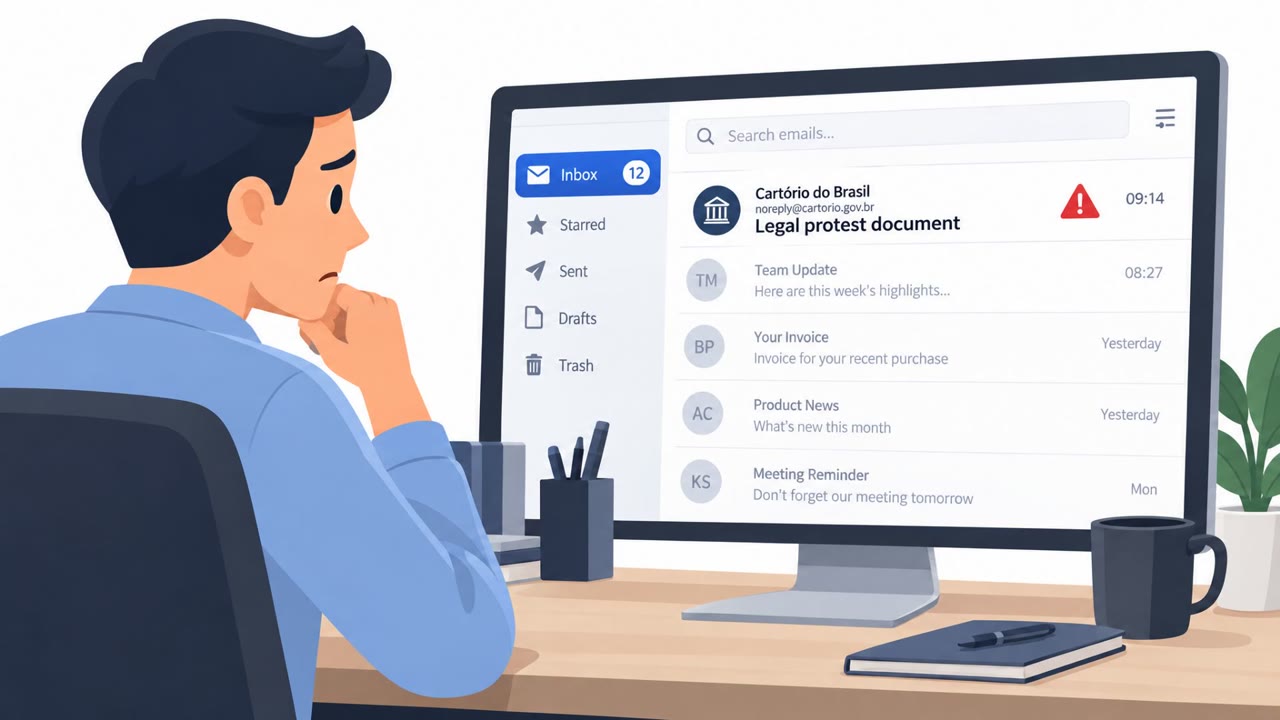
Three real malware campaigns targeted people in Brazil and Portugal with fake legal notices, invoice pages, and finance-themed documents. Victims were directed to scripts, installers, or an ISO file that abused trusted VLC, VMware, and Microsoft utilities to load malicious code. The most useful…

October 27, 2026