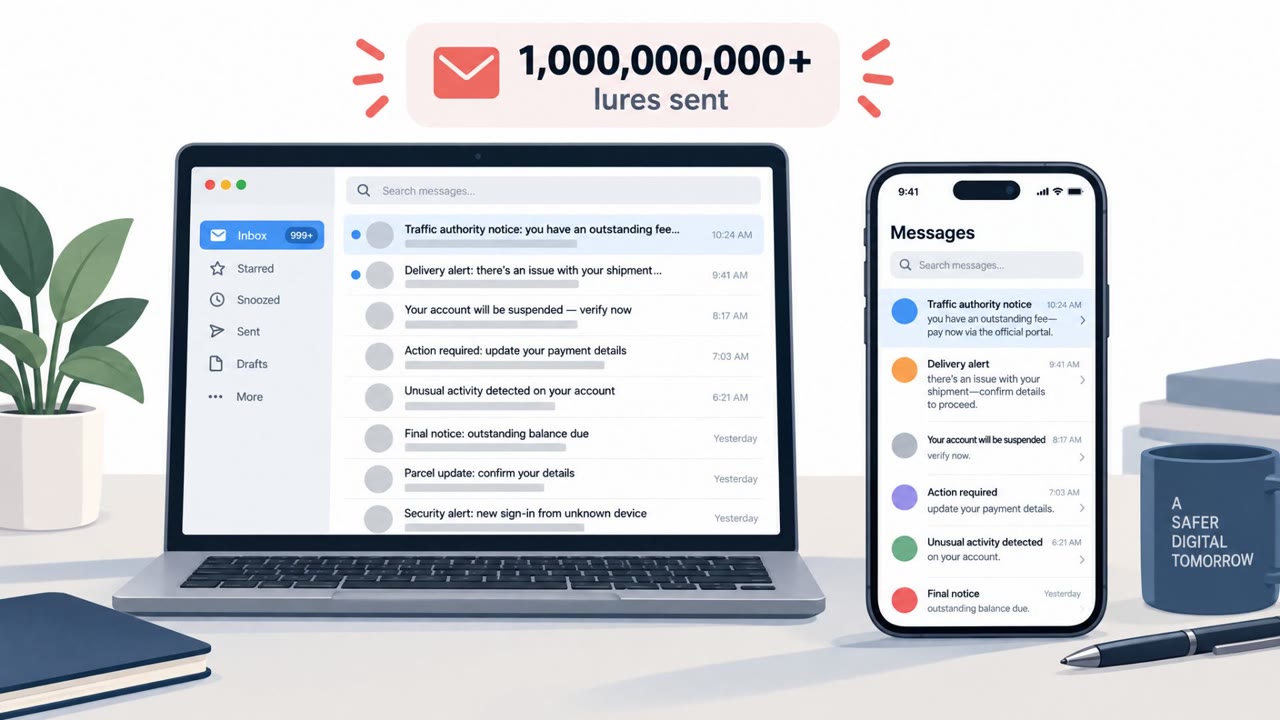
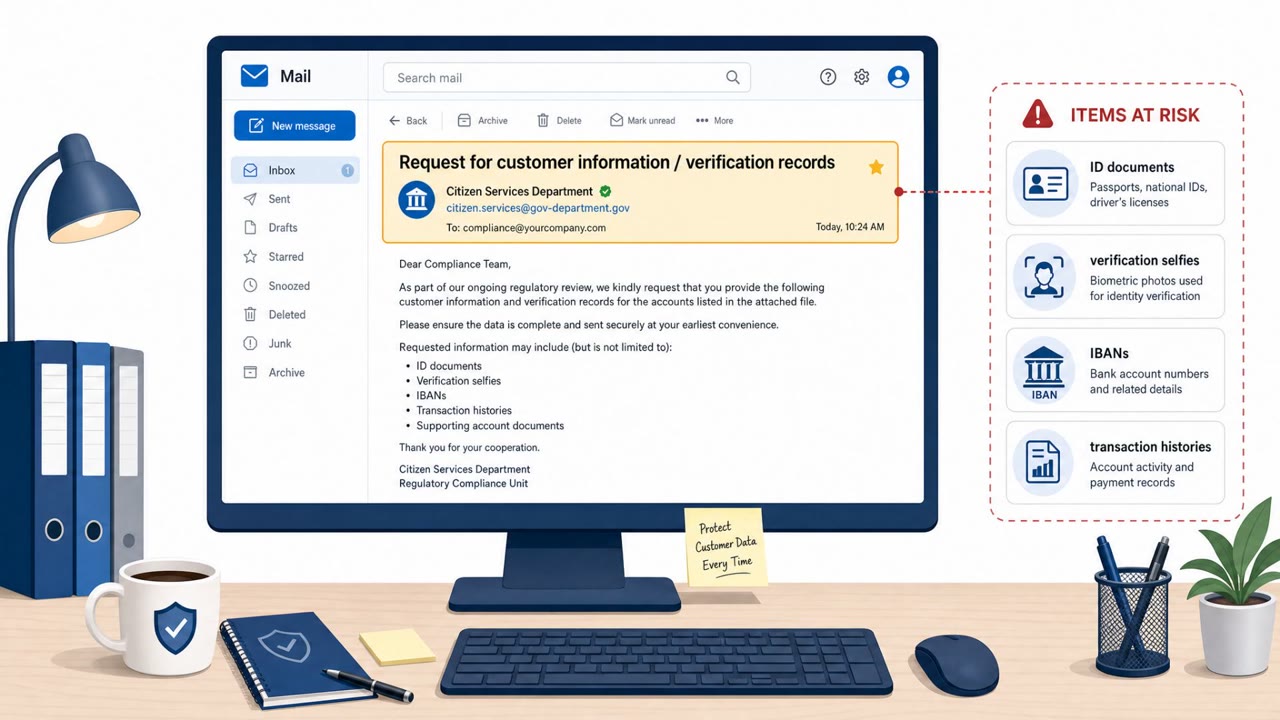
Microsoft and partners disrupted a Chinese-language phishing kit ecosystem (tracked as Storm-2990) used to send over 1 billion malicious email and SMS messages to more than 75,000 organizations worldwide. The kits used common “urgent alert” scams (delivery issues, unpaid tolls, bank or tax problems) to trick people into clicking links, sharing information, or paying. Microsoft says the operation also stole credentials and financial data and abused device-code sign-ins to gain account access.
How the attack worked
Microsoft tracks this phishing-kit cluster as Storm-2990. According to Microsoft, the ecosystem delivered more than 1 billion phishing emails and SMS messages to more than 75,000 organizations worldwide. The campaigns relied on template-based kits that impersonated legitimate brands at scale, allowing operators to reuse the same proven lures across countless targets rather than crafting unique messages each time.
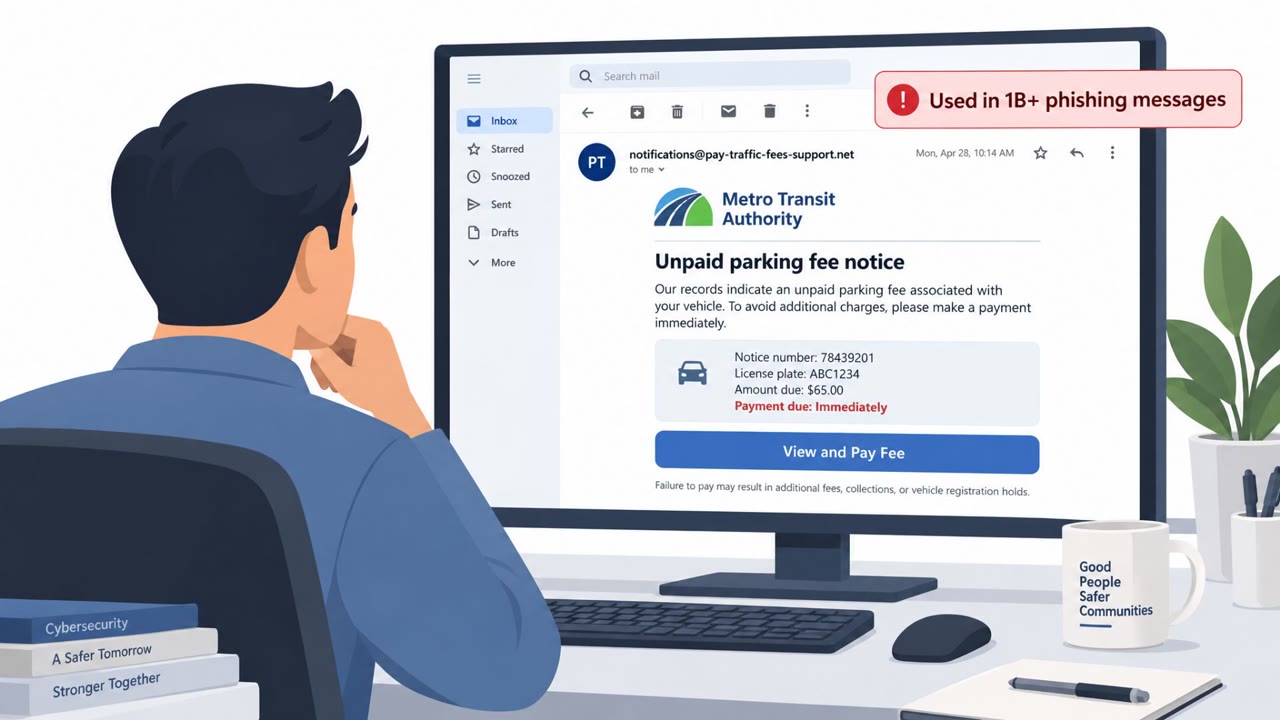
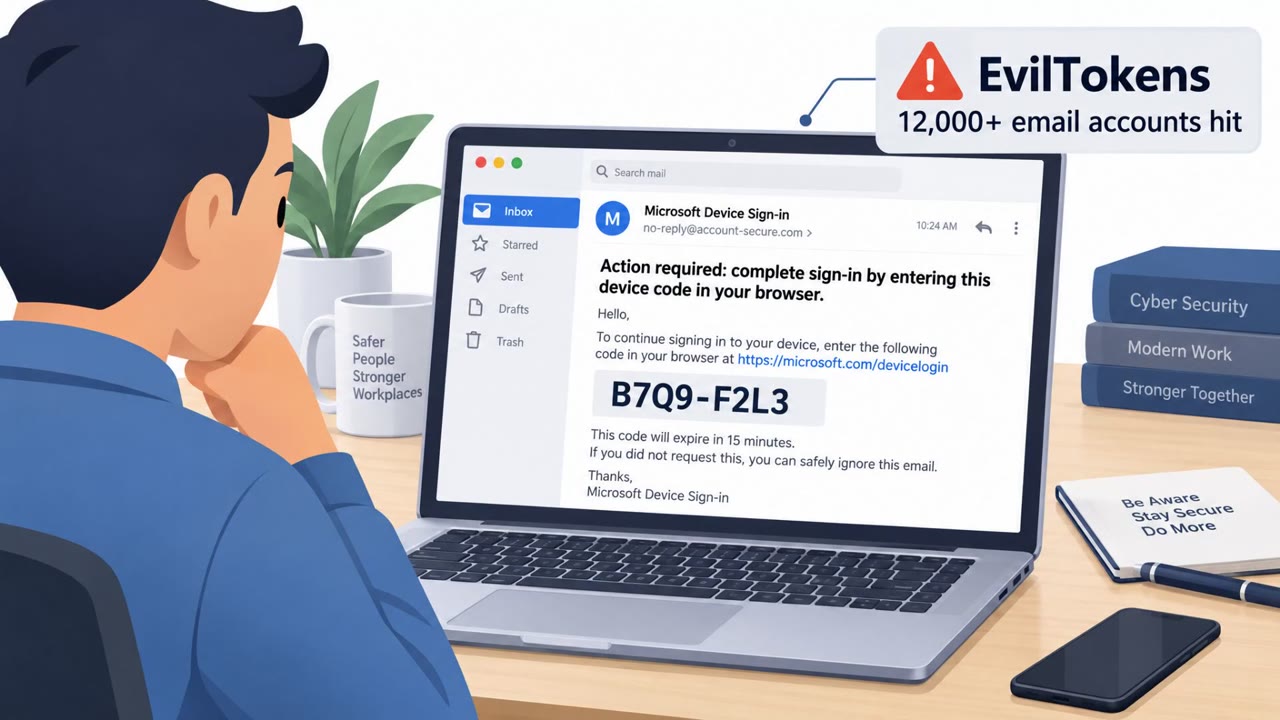
The lures followed a consistent pattern: an urgent notification claiming a package could not be delivered, a toll was unpaid, a bank account needed attention, or a tax bill was overdue. Each message pushed the recipient toward the same outcome, clicking a link, sharing personal information, or making a payment. Once a target engaged, Microsoft said attackers stole credentials and financial data, and in some cases abused the device code authentication process to obtain authentication tokens and access compromised accounts.
Why it succeeded
The operation succeeded through sheer volume and repetition rather than complexity. Resecurity found 2,360 phishing templates impersonating a wide range of organizations, including banks, retailers, healthcare providers, transportation authorities, police departments, and government agencies, across many countries. With that many templates in circulation, employees in any industry, from finance to healthcare administration to logistics, were likely to encounter a message that matched something familiar in their daily routine.
The urgency built into every lure also short-circuited careful thinking. A message claiming an account needs attention or a toll is overdue is designed to make someone act fast rather than verify slowly. Because the messages arrived relentlessly, deleting or blocking one often just meant another would follow shortly after.
What to watch for
- Unexpected delivery, toll, banking, or tax alerts that demand immediate action
- Links in texts or emails asking for personal information, credentials, or payment
- Messages that look like they come from a familiar brand but arrived without any prior context
- Requests to approve or enter a device code during an unexpected sign-in prompt
How to build resistance
Organizations can reduce exposure by training employees, especially in finance, procurement, helpdesk, and administrative roles, to treat urgent problem alerts as a trigger for verification, not immediate action. Staff should be encouraged to navigate directly to an official site or app rather than clicking a link in a text or email, and to report suspicious messages even if they seem minor.
Because credential theft was a central goal of this operation, reinforcing that passwords and payment details should never be entered through a link in an unsolicited message is essential. Given the scale and repetition described in this case, awareness training should also set the expectation that these scams are part of larger, organized campaigns rather than isolated incidents, and that consistent verification habits matter more than reacting to any single message.
Key findings
- Microsoft tracks the Chinese-speaking phishing-kit cluster as “Storm-2990.”
- The ecosystem delivered “more than 1 billion phishing emails and SMS messages” to “more than 75,000 organizations globally.”
- Campaigns heavily targeted Microsoft customers and impersonated legitimate brands at scale using templates.
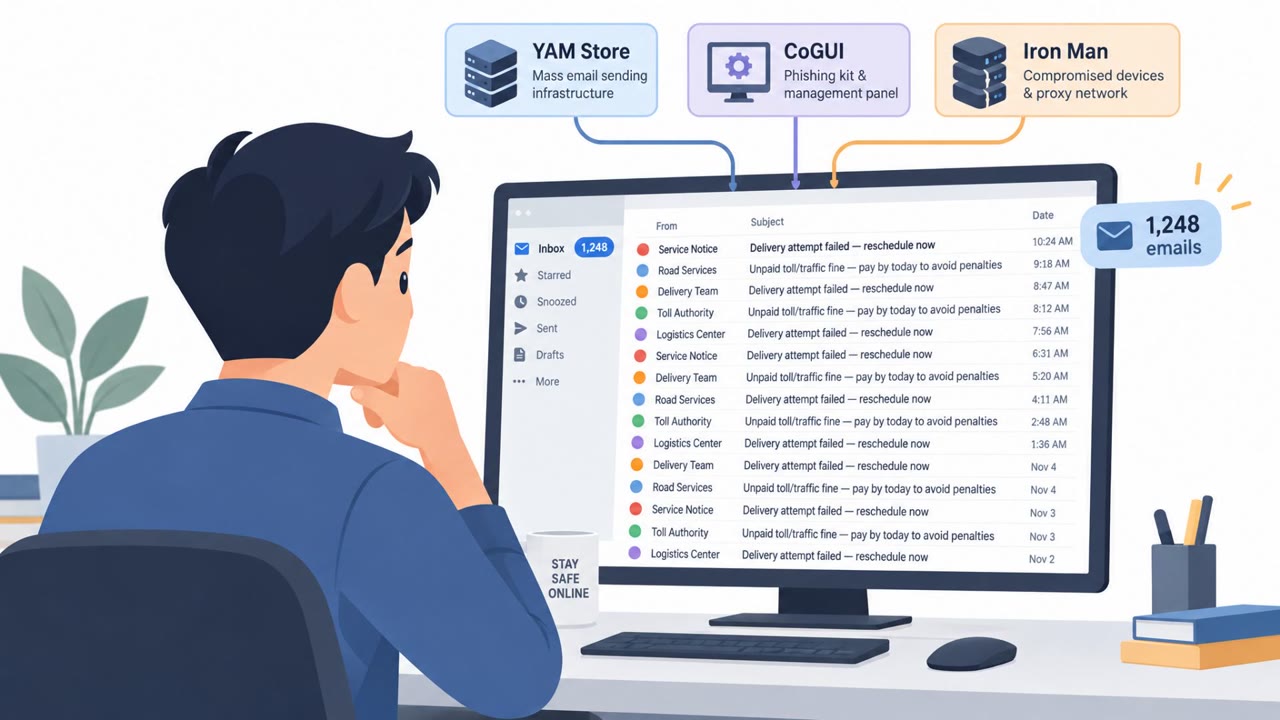
- Microsoft and partners seized/redirected domains supporting services named “YAM Store, CoGUI and Iron Man,” disabled “more than 20,000 accounts,” and blocked “more than 100,000 domains used for impersonation and fraud.”
- Lures included urgent notifications about delivery failures, unpaid tolls, bank account issues, and overdue tax bills designed to drive clicks, data entry, or payments.
- Microsoft stated attackers stole “credentials” and “financial data” and “abuse[d] the device code authentication process to obtain authentication tokens and access compromised accounts.”
- Resecurity found “2,360 phishing templates” impersonating many types of organizations across “130 countries.”
Who’s being targeted
- Commonly targeted roles: All employees, Finance, Procurement/Purchasing, Helpdesk/IT support, Healthcare administration staff.
- Affected industries: Healthcare, Financial services, Logistics, IT, Government agencies, Retail.
- Attack channels: smishing, email.
- Impersonated: Package delivery company (not named in article), Transportation/toll authority (not named in article), Bank or financial platform (not named in article).
Red flags to watch for
- Creates urgency with a “suspicious alert” tone
- Pushes the recipient to click quickly and share personal information or pay
- Message is part of a high-volume campaign rather than a normal business process
- Unexpected bill with urgency
- Payment requested via message link
- Generic alert that lacks clear, verifiable account details
- Urgent “account needs attention” language
- Link-based account verification request
- Unclear sender identity despite claiming to be a bank
Frequently asked questions
What is Storm-2990?
Storm-2990 is the name Microsoft uses to track a Chinese-speaking phishing-kit cluster that delivered more than 1 billion phishing emails and SMS messages to over 75,000 organizations globally.
What kinds of lures did this phishing operation use?
The campaigns used urgent alerts about delivery failures, unpaid tolls, bank account issues, and overdue tax bills to push recipients to click links, share information, or make payments.
What did the attackers do once someone clicked or responded?
Microsoft said attackers stole credentials and financial data, and abused the device code authentication process to obtain authentication tokens and access compromised accounts.
How did Microsoft and partners respond to the operation?
Microsoft and partners seized or redirected domains supporting the kit services, disabled more than 20,000 accounts, and blocked more than 100,000 domains used for impersonation and fraud.
Read the video transcript
That text saying, “Suspicious alert: a package cannot be delivered”? It might be part of a billion-message scam Microsoft just took down. Microsoft calls this phishing kit network Storm-2990. It blasted more than 1 billion fake delivery, unpaid toll, and bank problem messages at over 75,000 organizations to steal logins and payment data. Here’s the trick: you get a text like “Suspicious alert: a toll remains unpaid.” The link opens an official-looking site that asks you to sign in or pay. The details change, but the goal is always the same, get you to click and hand over passwords or money. If you get any urgent delivery, toll, bank, or tax text, don’t tap the link, open the official app or type the site address yourself and check there instead.