A consumer survey found that scam victims often face shame, financial loss, and difficulty getting help after an attack. The report also describes recovery scams, in which third parties charge victims while promising to recover stolen money, repair credit, or catch the scammer.
How the recovery scam cycle works
Survey data described in this report shows a pattern where identity theft and scam victims are targeted a second time. After an initial scam, some victims are approached by third parties who promise to recover stolen money, repair damaged credit, or identify the original scammer. These services typically charge a fee upfront, and the report identifies them as recovery scams because the promised outcomes are not delivered. Among the consumer group studied, 78.9% paid a fee to a third party promising to recover stolen money, fix their credit, or catch the scammer.
Why victims are vulnerable to a second scam
The report points to shame and self-blame as major factors in why victims struggle after a scam. More than half of surveyed victims who contacted the ITRC reported feeling ashamed or embarrassed, and many said organizations they reached out to made them feel the incident was their fault. This emotional burden, combined with the financial pressure of unrecovered losses, some reported at $100,000 or more, can make a recovery offer feel like a lifeline even when it carries risk. The report also found that 87.9% of scam victims in the general consumer group said they sought help from an organization but received no response, which may push some toward paid third parties instead.
Warning signs to watch for
- An unsolicited offer to recover stolen funds, repair credit, or track down a scammer
- A request for payment before any results are delivered
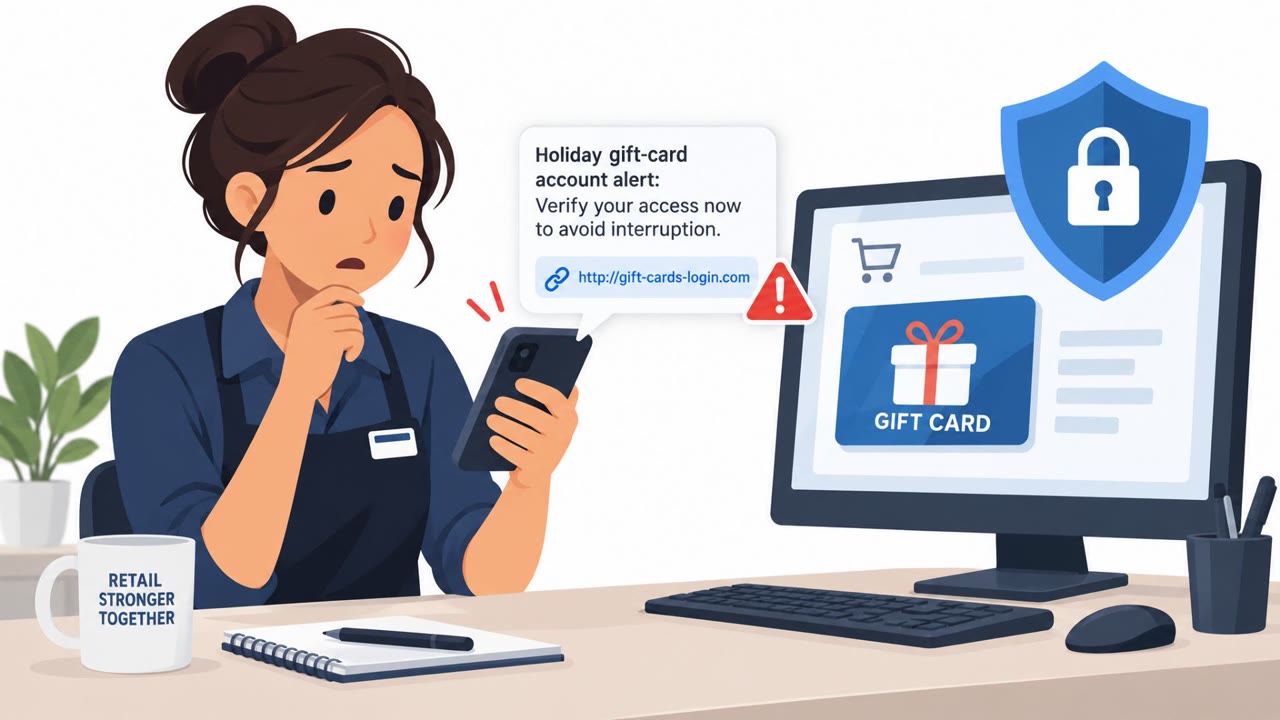
- Pressure that plays on shame, urgency, or a strong desire to undo a prior loss
- Promises that sound too comprehensive for a single service to guarantee
Building resistance to recovery scams
The awareness takeaways in this report emphasize treating unsolicited recovery offers with caution, especially when a fee is requested upfront. They also stress that shame should not prevent someone from reporting a suspected scam to a trusted bank, payment provider, or verified support organization. Respondents who avoided scams often cited sensing something was wrong, recognizing a tactic from consumer education, or receiving a warning from a bank or payment app. Nearly half of respondents said they had nearly shared information or sent money in a scam but stopped before doing so, which suggests that a pause to verify a request, paired with awareness training and trusted financial-provider warnings, can be an effective way to interrupt both the original scam and any follow-on recovery scam attempt. Organizations supporting employees who handle personal or financial information, including finance, HR, and customer support staff, can reinforce these habits through ongoing awareness efforts.
Key findings
- 54.8% of surveyed scam victims who contacted the ITRC reported feeling ashamed or embarrassed.
- Some victims reported losses of at least $100,000 that had not been recovered.
- 87.9% of scam victims in the general consumer group said they sought help from an organization but received no response.
- 78.9% paid a third party that promised to recover money, fix credit, or catch the scammer; the ITRC identified these as recovery scams.
- Nearly half of respondents said they had nearly shared information or sent money in a scam but stopped before doing so.
Who’s being targeted
- Commonly targeted roles: All employees, Finance and payroll staff, Customer support teams, Human resources staff, Employees with access to personal or financial information.
- Affected industries: Consumers, Financial services, Government services, Credit repair and identity-recovery services.
Frequently asked questions
What is a recovery scam?
A recovery scam is when a third party charges a fee and promises to recover stolen money, repair a victim's credit, or catch the original scammer, without delivering those results.
Why do scam victims fall for recovery scams after already being victimized once?
Many victims feel shame and self-blame, struggle to get help from the organizations they contact, and are motivated to try anything that offers a chance of recovering their losses or fixing their credit.
How can someone tell a recovery offer is a scam?
Be cautious of any unsolicited offer that asks for payment before delivering results, especially when it promises to recover stolen money, repair credit, or identify a scammer.
What should someone do if they suspect they are being scammed?
Pause before sending money or sharing information, trust warnings from banks or payment apps, and report the suspected scam to a trusted organization rather than staying silent out of shame.
Read the video transcript
Lost money to a scam? The next offer could be another scam. It's called a recovery scam. Someone offers to get your money back, fix your credit, or catch the scammer. Then they ask for a fee. Here's the tell: you're being asked to pay before anything is recovered. In one survey group, 78.9% paid a third party making these promises. Feeling embarrassed is common. Don't pay the recovery fee. Contact your bank using the number on your card.