Africa Crackdown Exposes Call-Center Fraud

Help Net Security · Medium sophistication
Last updated October 22, 2026

INTERPOL’s Operation Serengeti III led to 1,462 arrests across 21 countries and disrupted fraud, ransomware, business email compromise and other cybercrime operations. One major case involved rotating call centers that used scripted investment pitches, fake trading platforms and fraudulent websites to persuade pensioners to invest in schemes that did not exist. Authorities also investigated a Nigerian phishing and business email compromise operation that impersonated colleagues or suppliers to redirect payments.

Key findings

  • Operation Serengeti III resulted in 1,462 arrests, the disruption of 10,909 malicious networks, and recovery of more than $105 million in illicit funds.
  • Investigators identified 65,929 fraud victims and linked the disrupted networks to losses exceeding $385 million.
  • Ugandan authorities dismantled two fraud rings that operated rotating call centers, used scripted pitches, and directed pensioners to fake investment platforms and websites.
  • A Nigerian suspect allegedly operated a phishing and business email compromise scheme that impersonated colleagues or suppliers to redirect payments, harvested software credentials, and collected about 2.1 million email addresses.
  • A separate Nigerian investment scam was promoted through messaging apps and allegedly laundered proceeds through cryptocurrency.

Who’s being targeted

  • Commonly targeted roles: Pensioners and retirees, Finance and accounts payable teams, Procurement and vendor-management staff, All employees with software account access, Employees who use messaging apps for investment discussions.
  • Affected industries: Finance and Insurance, Retirement and pension services, Cryptocurrency, Technology and software services.
  • Attack channels: vishing, website, email.
  • Impersonated: Investment or trading representative, A colleague or supplier.

Awareness takeaways

  • Treat unsolicited investment calls and links to unfamiliar trading platforms as high risk; independently verify the firm and opportunity before investing.
  • Verify any request to change supplier banking details or redirect a payment using a known, independently sourced contact method.
  • Do not provide software credentials in response to unexpected messages, especially when the sender cannot be independently verified.
  • Be cautious of investment promotions distributed through messaging apps, particularly where cryptocurrency is involved.

Red flags to watch for

  • An unsolicited investment pitch delivered by a scripted caller.
  • Pressure to invest through a platform or website not independently verified.
  • Promises or claims involving an investment that does not actually exist.
  • A request to redirect a payment from a supposed colleague or supplier.
  • Unexpected or unverified changes to payment details.
  • The request is tied to credential harvesting or a phishing operation.
Try Mirage

Mirage safely runs attacks like this one against your own team, so you find out what happens before a real adversary does.

Get a demo
Read the video transcript

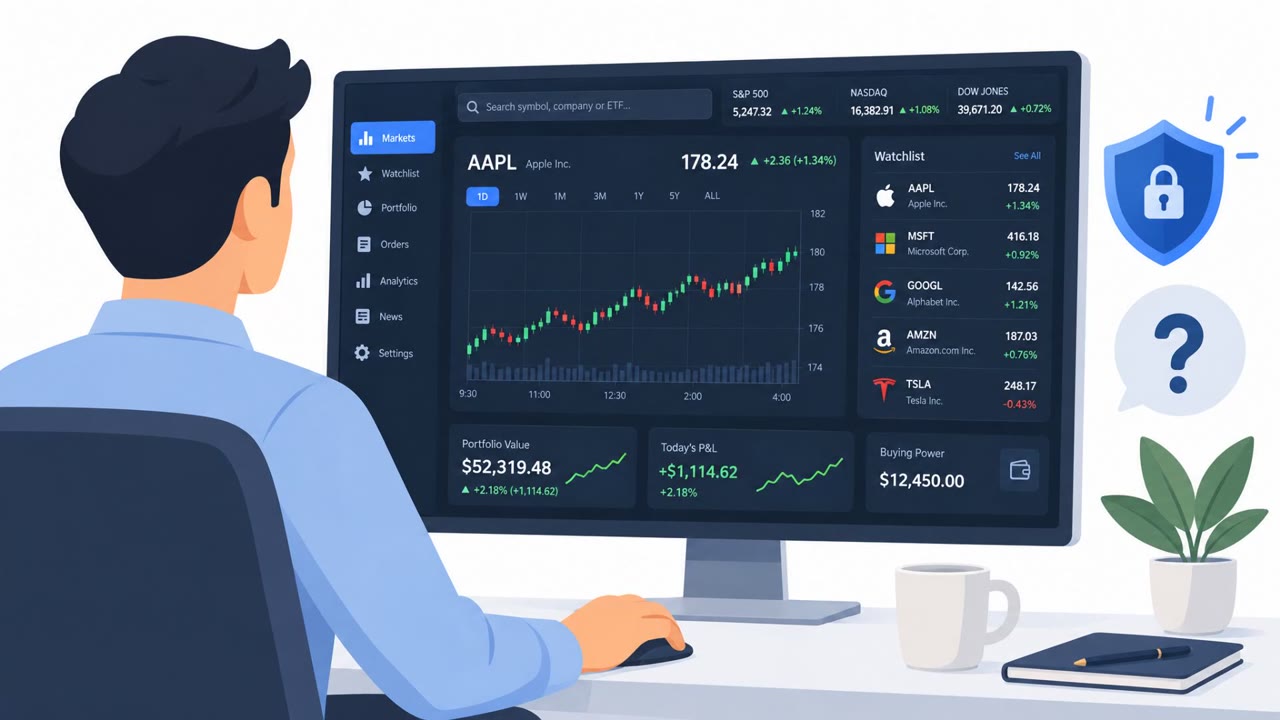
“Grow your retirement savings.” That’s the opening line. In Operation Serengeti III, rotating call centers used scripted pitches to send pensioners to fake trading websites. The investments didn’t exist. Here’s the tell: the caller gives you the platform. A convincing chart proves nothing when the whole website is fake. Before investing, look up the firm yourself and verify it independently.

MITRE ATT&CK techniques

T1656 - ImpersonationT1598 - Phishing for Information

Similar attacks

Interpol Busts Fake Investment Scam Call Centers

Interpol Busts Fake Investment Scam Call Centers

INTERPOL’s Operation Serengeti III arrested 1,462 suspects across 21 countries targeting fraud, phishing, business email compromise, ransomware, and digital extortion. In Uganda, investigators found scam call centres using prepared scripts and fake trading platforms to persuade people, including…

October 23, 2026
AI-Crafted Emails Hide the Usual Warning Signs

AI-Crafted Emails Hide the Usual Warning Signs

Proofpoint described real campaigns where attackers used highly tailored, AI-style messages to make phishing and payment fraud requests appear routine. Examples included property enquiries that led to malicious meeting invitations, device-code phishing pages disguised as business services, and fake…

October 21, 2026
AI Search Results Turn Into Phishing Traps

AI Search Results Turn Into Phishing Traps

This bulletin describes multiple real-world scams where attackers make fake pages and messages look like routine, trusted experiences (search answers, Google login pop-ups, “giveaways,” and official-sounding calls). Examples include a fake Claude Max giveaway using a convincing fake Google sign-in…

September 24, 2026
Fraudulent Gov Email and Passkey Lures Hit Orgs

Fraudulent Gov Email and Passkey Lures Hit Orgs

The bulletin describes real-world social engineering where staff were tricked into disclosing sensitive data or access. In one case, Revolut employees responded to fraudulent information requests sent from a real government-domain email account, exposing extensive customer records. Separately,…

September 14, 2026
Phishing PDF Drops Malware Via Fake Edge Loader

Phishing PDF Drops Malware Via Fake Edge Loader

Researchers describe BraZetsu, a Windows malware framework used by an initial-access broker to turn infected PCs into "access for sale" on a criminal marketplace. While the malware itself is technical, the article includes real-world delivery details pointing to phishing: victims are tricked into…

September 3, 2026
Attackers Hide Malware in Trusted Email Threads

Attackers Hide Malware in Trusted Email Threads

Threat actors are hijacking existing email conversations, or patiently starting new ones, to build trust before sending a malicious reply. The final message commonly poses as a meeting invitation, secure message, shared file, or important document and leads to credential theft or remote-access…

October 21, 2026