A scammer allegedly used Amanda Smith’s personal information to open a Cash App account and receive $1,000 from a buyer tricked by a fraudulent Facebook Marketplace listing. The case shows how an account takeover, fake sale, and identity theft can leave both the buyer and the person whose identity was misused facing serious consequences.
How the attack worked
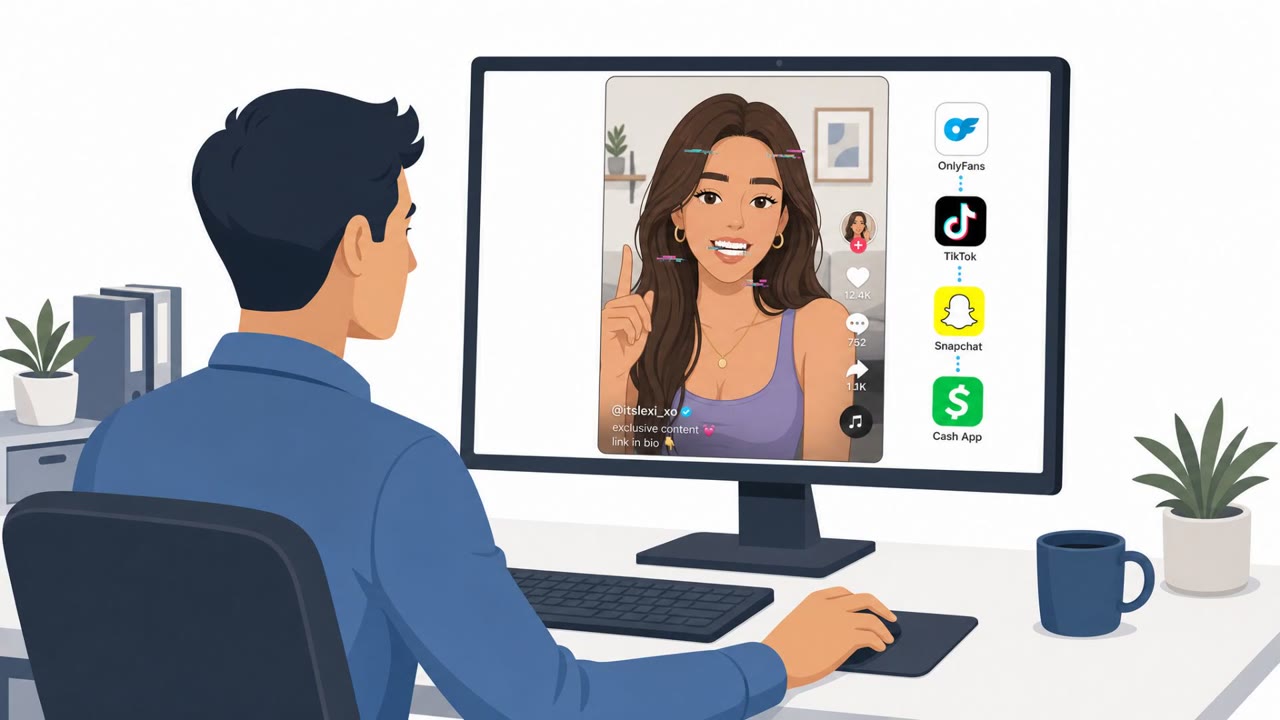
This case combines three separate techniques into one scheme. First, a scammer took over someone else's Facebook account. Second, that compromised account was used to advertise items that did not actually exist, a classic Facebook Marketplace scam pretext. Third, a buyer who believed the listing was legitimate sent $1,000 through Cash App to an account that had reportedly been opened using Amanda Smith's Social Security number and date of birth, information that did not belong to the scammer running the sale.
The result is that a single social engineering flow created two separate victims: the buyer who lost money, and the person whose stolen identity was used to receive it.
Why it succeeded
The scheme worked because it exploited trust at multiple points. A buyer trusted that a Facebook Marketplace listing from what looked like a known or legitimate account was genuine. The payment request through Cash App, rather than a protected marketplace checkout process, removed built-in buyer protections. Account records reportedly showed that the address and network information tied to the Cash App account did not match Smith's actual details, which suggests the identity misuse might have been detectable with closer review, but that mismatch was not caught before money changed hands.
What to watch for
- A seller directing payment to Cash App, Venmo, or a similar app instead of a protected marketplace payment flow
- Listings tied to a social media account that may have been taken over rather than owned by a verified seller
- Pressure to complete payment quickly for goods that cannot be inspected or verified in person
- Unexpected notices about accounts or activity that do not match your own financial history
Building resistance
Organizations and individuals can reduce exposure to this kind of combined account takeover and identity theft scheme by reinforcing a few habits:
- Use protected marketplace payment methods and verify sellers independently before sending money for goods advertised on social media
- Treat unexpected account activity, or accounts opened in your name, as potential identity theft and report it through the provider's official fraud channel
- If Social Security numbers or other identifying information may have been exposed, check credit reports for unfamiliar accounts and consider placing a credit freeze with the major credit bureaus
This case also illustrates a broader awareness point: identity theft is not only a financial risk. As the underlying case shows, stolen identity details can also connect an innocent person to activity they had no part in, making it harder for them to prove their account was misused even after the fact.
Key findings
- A scammer allegedly took over another person's Facebook account and used it to advertise items that did not exist.
- The buyer was directed to send $1,000 to a Cash App account created using Amanda Smith's Social Security number and date of birth.
- Account records reportedly showed that the account address and network information did not match Smith's details.
- Identity theft can be used not only for financial fraud but also to make an innocent person appear connected to criminal activity.
- The article advises people whose Social Security numbers may be exposed to review credit reports and consider freezing their credit.
Who’s being targeted
- Commonly targeted roles: Online marketplace users, Social media users, Finance and payments staff, All employees handling personal financial accounts.
- Affected industries: Financial services, Online marketplaces, Consumer payments, Social media platforms.
- Attack channels: website.
- Impersonated: A legitimate Facebook Marketplace seller using a compromised Facebook account.
Red flags to watch for
- The seller directs payment to a Cash App account rather than using a protected marketplace payment process.
- The sale is conducted through a Facebook account that may have been taken over.
- The goods are not actually available for sale.
Frequently asked questions
How did the scammer trick the buyer in this case?
A scammer took over someone else's Facebook account and used it to advertise items that did not actually exist, directing a buyer to send payment through Cash App.
How was Amanda Smith's identity connected to the scam?
The Cash App account used to receive the buyer's payment was reportedly opened using Amanda Smith's Social Security number and date of birth, even though account address and network information did not match her details.
What should I do if I discover an account opened in my name?
Contact the company's fraud department through its official website and report the identity theft, then review your credit reports for unfamiliar accounts.
How can marketplace buyers avoid this type of scam?
Use protected marketplace payment methods instead of apps like Cash App, and independently verify the seller before sending money for advertised goods.
Read the video transcript
A familiar Facebook seller asks for $1,000. Would you pay? In this case, someone allegedly took over a Facebook account, listed items that didn't exist, and sent the buyer to Cash App. The buyer paid $1,000. Here's the twist: the Cash App account used Amanda Smith's Social Security number and birth date. Its address and network details reportedly didn't match hers. A familiar Facebook profile isn't proof it's the seller. Use protected marketplace checkout.