Romulus ClickFix Abuses Siemens Software

Security Week Feed · High sophistication
Last updated October 19, 2026

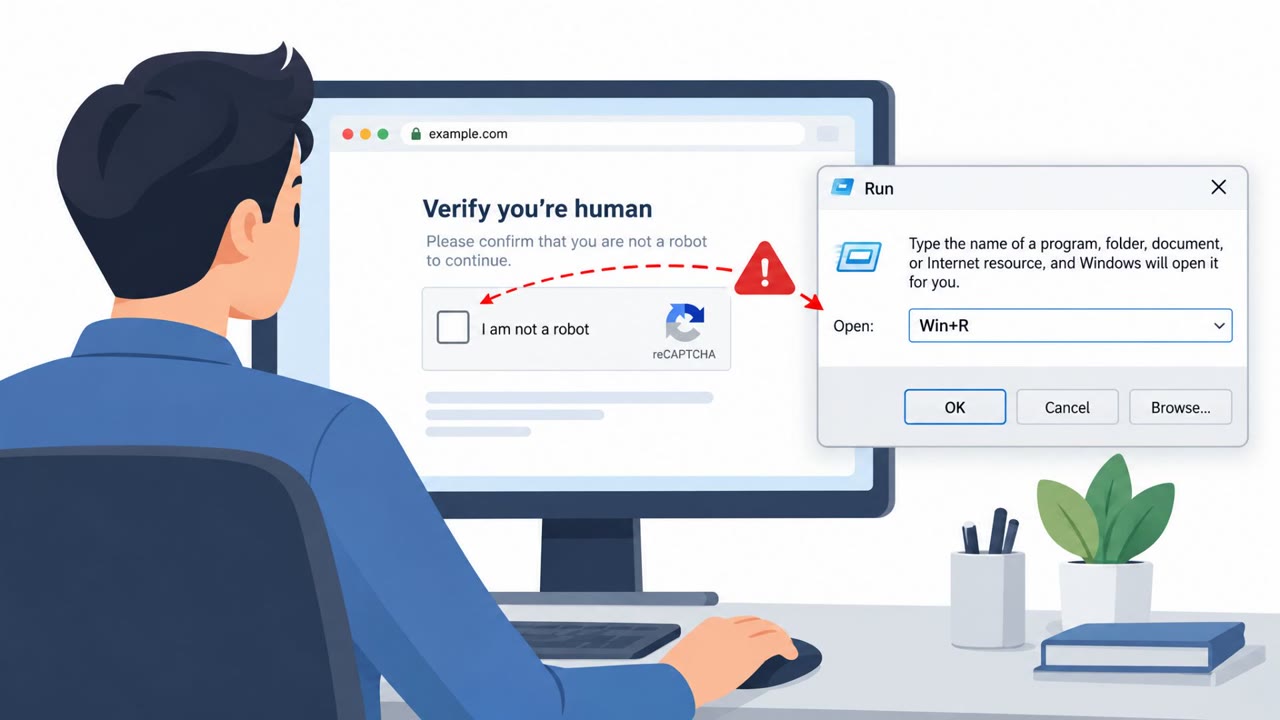
Attackers exploited a Siemens Software Center flaw as part of the Romulus ClickFix campaign. Victims were lured to fake CAPTCHA-style prompts that told them to paste and run malicious commands, while attackers used a legitimate signed Siemens program and malicious helper files to load malware.

Key findings

  • Threat actors exploited CVE-2026-110936 in Siemens Software Center by pairing a legitimate signed Siemens executable with attacker-supplied malicious DLL files.
  • Siemens linked the activity to Romulus, a ClickFix operation that uses fake CAPTCHA-style prompts to persuade users to paste and run malicious commands.
  • The malicious package was not distributed through Siemens channels, and Siemens stated that its systems and update channels were not breached.
  • The overlapping infrastructure and DLL side-loading approach suggest Siemens Software Center may have been added to a broader toolkit that has also abused signed Canon and Stardock programs.
  • Siemens recommends monitoring suspicious behavior and relevant folders rather than relying only on file hashes, because the abused Siemens executable is legitimate and digitally signed.

Who’s being targeted

  • Commonly targeted roles: All employees, Engineering teams, Industrial software users, IT support, Endpoint security teams.
  • Affected industries: Manufacturing, Industrial software users, Engineering organizations, Industrial control system environments.
  • Attack channels: website.
  • Impersonated: A website presenting a bogus CAPTCHA check.

Awareness takeaways

  • Never paste or run commands because a CAPTCHA, website, or pop-up tells you to do so; close the page and report it to security.
  • Do not assume a file is safe solely because it is digitally signed or comes from a known software brand.
  • Update Siemens Software Center promptly and allow the application to launch so its automatic update can install the fix.
  • Treat unexpected software bundles or installers as suspicious, especially if they include extra files alongside a legitimate application.

Red flags to watch for

  • A CAPTCHA asks the user to open a command prompt, terminal, or Run dialog.
  • The verification process requires copying and pasting a command.
  • A routine website check asks for actions outside the browser.
Try Mirage

Mirage safely runs attacks like this one against your own team, so you find out what happens before a real adversary does.

Get a demo
Read the video transcript

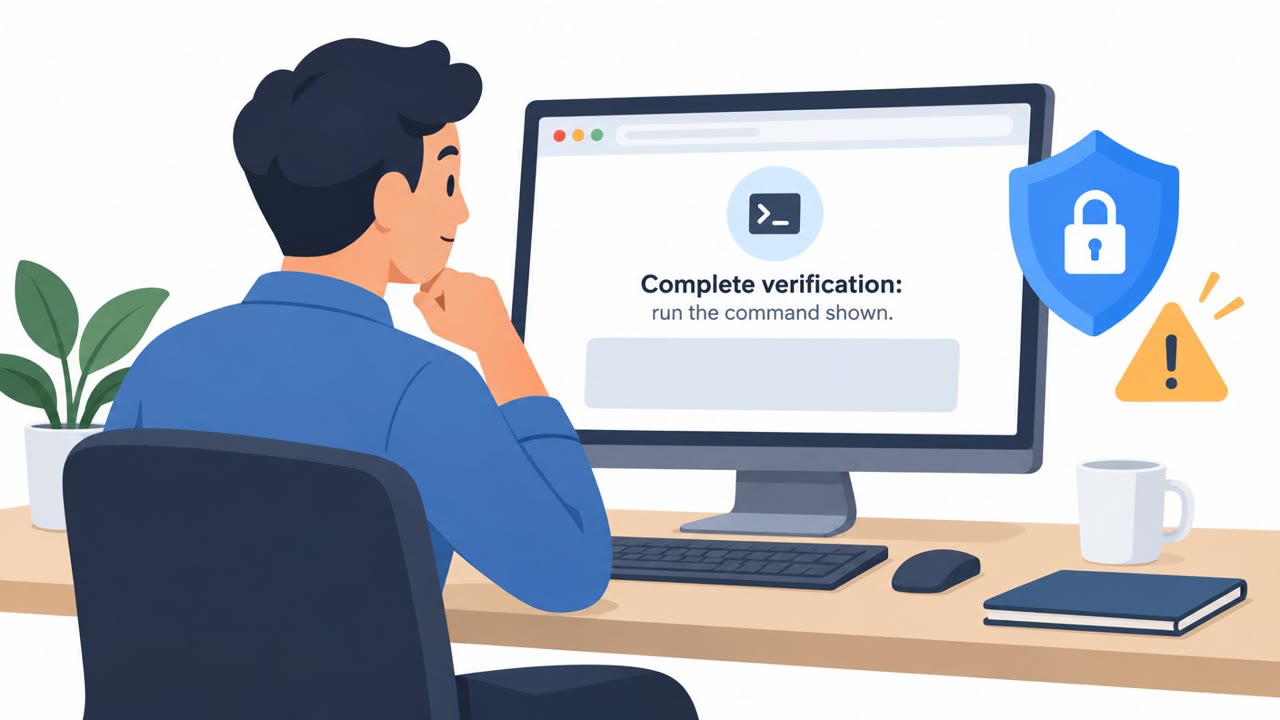
A CAPTCHA wants you to open Run? That's not a CAPTCHA. Romulus ClickFix pages say, 'Complete the CAPTCHA check by pasting and executing the verification command.' That command can bring malware onto your device. Here's the twist: the malware can use a genuinely signed Siemens Software Center program to load malicious DLLs beside it. The signature doesn't make the bundle safe. If a website asks you to run a command, close the page and report it to security.

MITRE ATT&CK techniques

T1204.004 - User Execution: Malicious Copy and Paste · User ExecutionT1574.002 - Hijack Execution Flow: DLL Side-Loading

Similar attacks

ClickFix Campaign Abuses Trusted Siemens Tool

ClickFix Campaign Abuses Trusted Siemens Tool

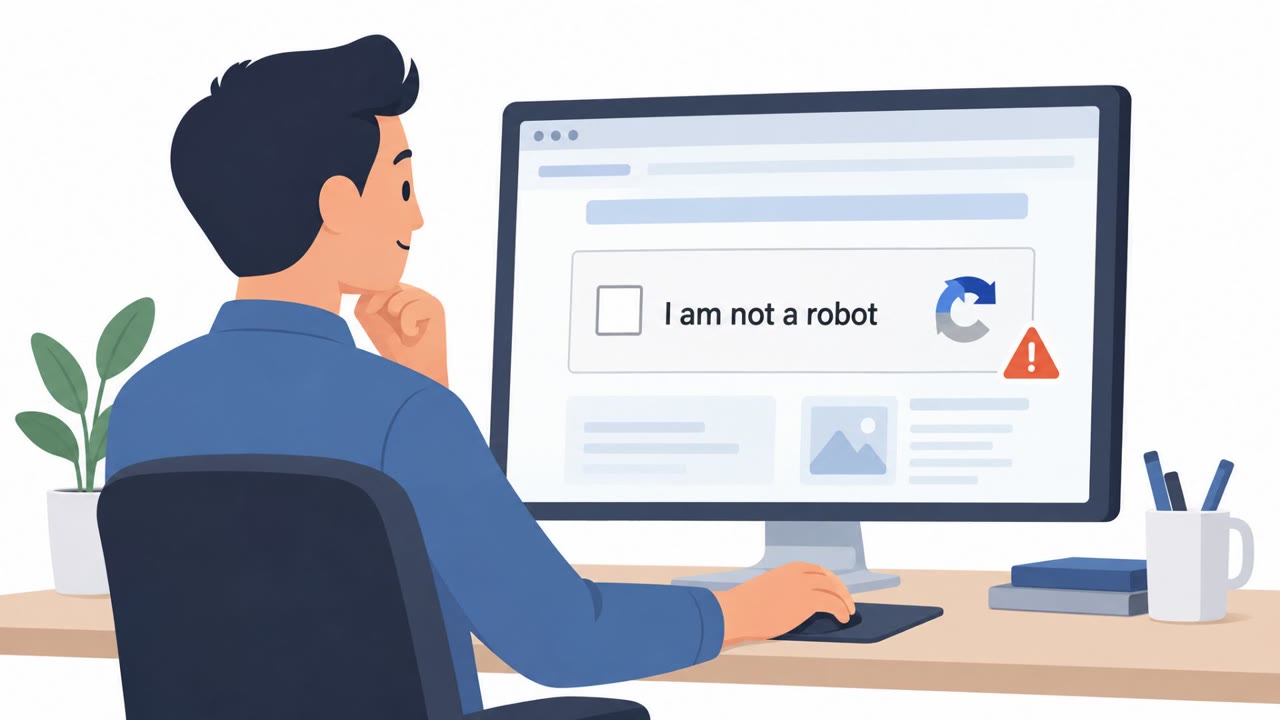
Attackers are using a fake or trojanized Siemens Software Center installer to trick people into manually pasting malicious commands into Windows. The campaign abuses a familiar “I am not a robot” style prompt and a trusted, signed Siemens program to make the attack appear legitimate.

October 20, 2026
Siemens Users Hit by Romulus ClickFix Lure

Siemens Users Hit by Romulus ClickFix Lure

Attackers are using a fake “I am not a robot” style ClickFix prompt to persuade Siemens Software Center users to paste attacker-provided commands into Windows. If users comply, the attackers can exploit a DLL side-loading flaw to run malware alongside a genuine, signed Siemens application.

October 20, 2026
Fake Custom GPT Pushes ‘CAPTCHA’ RAT Install

Fake Custom GPT Pushes ‘CAPTCHA’ RAT Install

Attackers used sponsored Google search ads to lure people to a malicious ChatGPT Custom GPT (“Plus 5.6”) hosted on the real chatgpt.com site. The Custom GPT redirected victims to a fake Cloudflare CAPTCHA page that instructed them to copy/paste a command into a terminal, leading to installation of…

September 29, 2026
ROMULUS ClickFix Lures Deliver Legion Loader

ROMULUS ClickFix Lures Deliver Legion Loader

Researchers found ROMULUS, a malware-delivery platform that uses fake web pages and ClickFix-style prompts to persuade people to run harmful commands themselves. The platform can deliver Legion Loader and other malware through a PowerShell script, showing how a seemingly routine verification or fix…

October 20, 2026
Fake ChatGPT “Plus 5.6” GPT Pushes ClickFix RAT

Fake ChatGPT “Plus 5.6” GPT Pushes ClickFix RAT

Researchers observed threat actors creating attacker-made ChatGPT Custom GPTs that look legitimate, then steering users to a Google Sites “backup domain.” Victims are shown a fake Cloudflare CAPTCHA that tricks them into copying and running a malicious PowerShell command, which downloads and runs…

September 30, 2026
Fake “ChatGPT” GPT Uses ClickFix to Drop RAT

Fake “ChatGPT” GPT Uses ClickFix to Drop RAT

Researchers found a real malware campaign where attackers abused ChatGPT “CustomGPTs” and Google sponsored search results to funnel victims to a fake ChatGPT experience. Victims are shown a fake “Service Availability Notice” and pushed to a “backup domain” that looks like a Cloudflare CAPTCHA,…

September 30, 2026