Lazarus Uses Fake Résumés to Target South Korea

Securelist · High sophistication
Last updated October 21, 2026

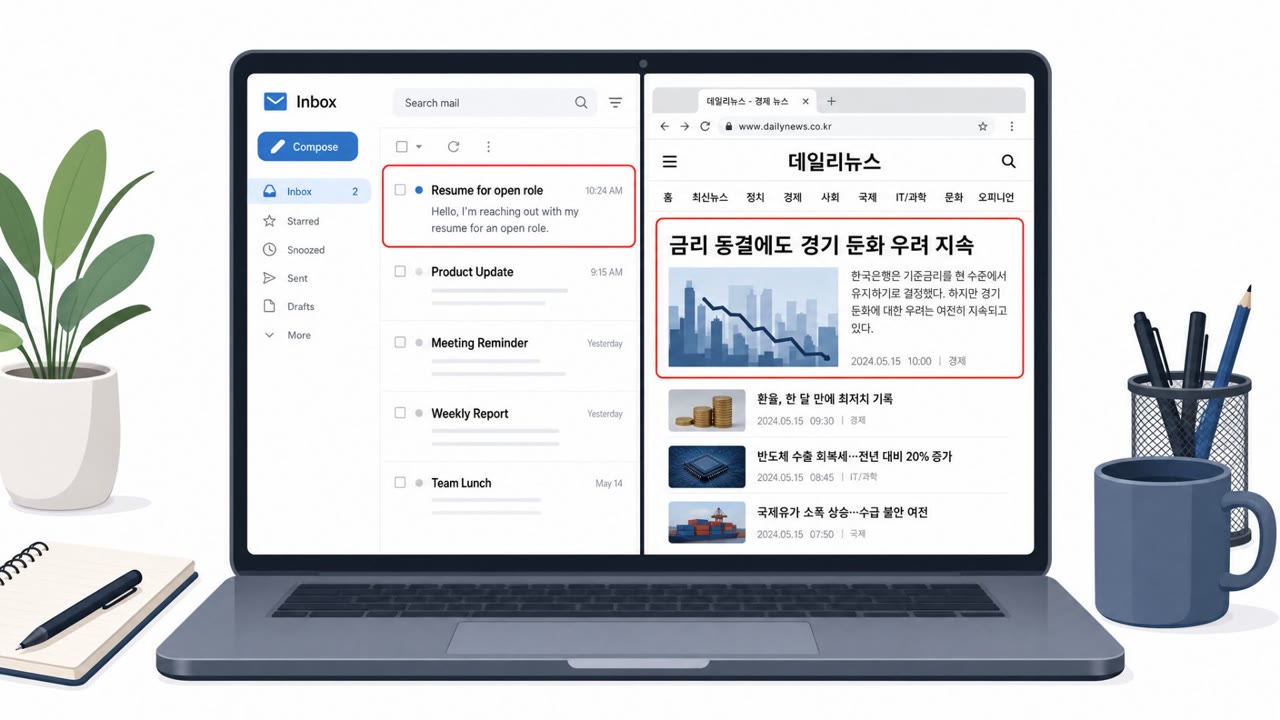
Lazarus targeted South Korean organizations with spear-phishing emails that linked to fake, tailored résumé, portfolio, and interior-design websites. Visiting the sites likely triggered an infection through commonly required financial-security software, allowing the attackers to install malware while leaving very little evidence on the computer.

Key findings

  • Lazarus sent targeted phishing emails containing links to fabricated websites tailored to individual targets.
  • The lure sites posed as a senior network appliance developer’s résumé and portfolio, and later as an interior-design showcase.
  • The résumé site used a suspected AI-generated job-seeker image and fabricated portfolio details.
  • Researchers assess that simply visiting the malicious GitHub Pages site likely initiated an infection involving CrossWeb EX financial-security software.
  • At least three South Korean organizations were affected across software, construction, and wired communication equipment manufacturing.
  • The attack used an in-memory malware chain designed to minimize traces on disk.

Who’s being targeted

  • Commonly targeted roles: Human resources, Hiring managers, Recruiters, Engineering and network teams, Construction project teams, Employees using online banking or government websites, IT and security teams.
  • Affected industries: Software, Construction, Wired communication equipment manufacturing, Financial services and online banking users.
  • Attack channels: email, website.
  • Impersonated: A purported senior network appliance developer or interior designer.

Awareness takeaways

  • Treat unsolicited applicant, portfolio, and résumé links as potential phishing attempts, especially when they are unusually tailored to your team or current projects.
  • Do not assume a professional-looking website or profile is genuine; validate unexpected job applicants through known recruitment channels before opening links.
  • Report suspicious links rather than visiting them, because a visit to a compromised site may be enough to start an infection.
  • Employees who use mandatory banking, government, or financial-security software should promptly apply updates and report unusual browser or system behavior.

Red flags to watch for

  • The supposed applicant's name resembles a Korean equivalent of “John Doe.”
  • Portfolio content contains meaningless details and random company names.
  • The job-seeker photograph may appear AI-generated or unnatural.
Try Mirage

Mirage safely runs attacks like this one against your own team, so you find out what happens before a real adversary does.

Get a demo
Read the video transcript

A résumé tailored to your team? That’s the hook. Lazarus emailed South Korean teams: ‘Please review this senior network appliance developer’s résumé and portfolio.’ The link opened a tailored GitHub Pages site, later swapped for an interior-design showcase. Here’s the catch: just visiting likely started an infection through CrossWeb EX financial-security software. The profile had an unnatural-looking photo, a John Doe-like name, and meaningless portfolio details. A polished portfolio isn’t proof. Got an unexpected applicant link? Report the email without opening it.

Similar attacks

Fake Resumes + Watering Holes Hit AnySign4PC Users

Fake Resumes + Watering Holes Hit AnySign4PC Users

A state-sponsored campaign in South Korea used spear-phishing and hacked “trusted” local websites to infect visitors who had vulnerable AnySign4PC installed. In some cases, simply visiting a compromised page triggered the exploit and installed SIGNBT or COPPERHEDGE backdoors without any download…

July 30, 2026
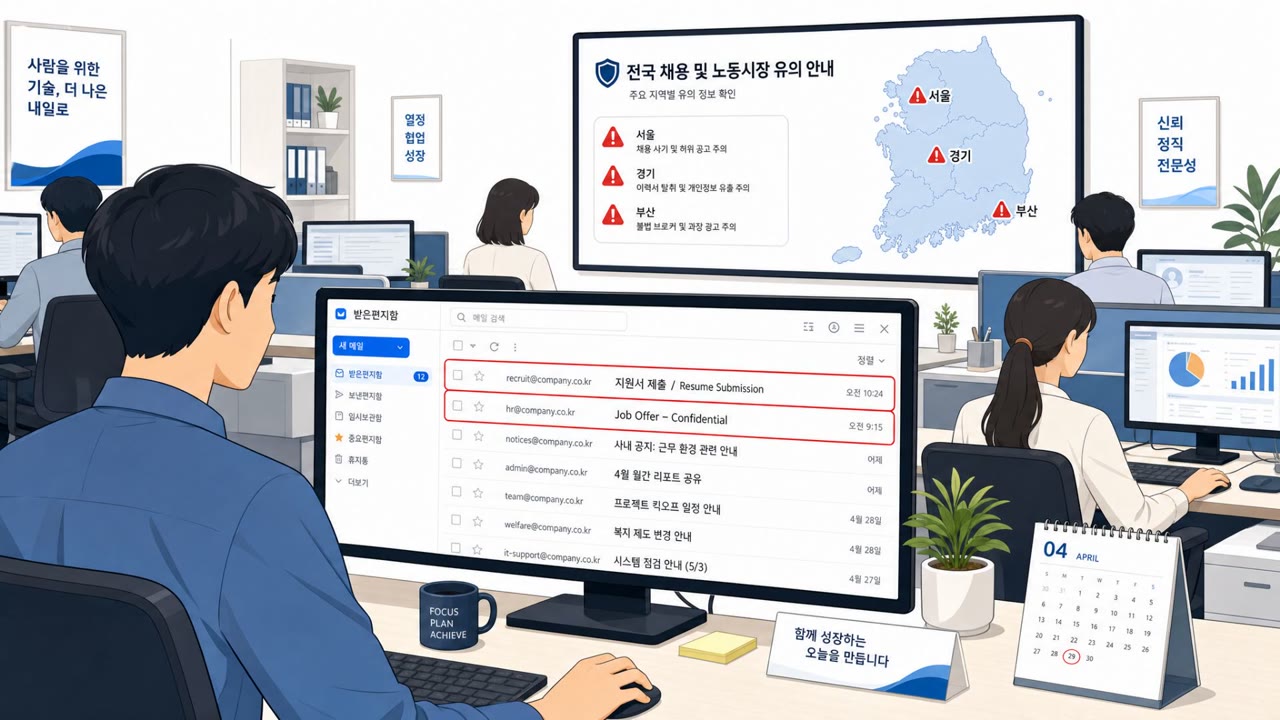
Korea Flags Job-Offer Phish + Watering Holes

Korea Flags Job-Offer Phish + Watering Holes

South Korean agencies warned that a state-backed hacking group is actively targeting citizens and businesses using job-themed phishing emails and “watering hole” attacks on legitimate websites. The phishing lures include fake job applicants sending resume links and impersonated recruiters sending…

July 31, 2026
Fake Job Offers Spread Lazarus Zero-Day Attack

Fake Job Offers Spread Lazarus Zero-Day Attack

Researchers describe a real, ongoing Lazarus-linked campaign where targets are lured with attractive job offers and tricked into downloading a PDF viewer and “job description” documents. Opening the files installs backdoors and, in at least one wave, attackers used a Windows zero-day to gain deep…

August 11, 2026
Fake Install Guides and Helpdesk Calls Drive Attacks

Fake Install Guides and Helpdesk Calls Drive Attacks

This bulletin describes multiple real-world social engineering campaigns where attackers trick people into trusting a familiar screen, like a search result “install guide,” a recruiter outreach, or a helpdesk phone call. The lures push victims to paste commands, install fake software, or reset MFA,…

July 30, 2026
Fake NGO Sites Lure Victims Into Chrome 0-Day Chain

Fake NGO Sites Lure Victims Into Chrome 0-Day Chain

China-linked actor UTA0565 sent phishing emails that pushed recipients to click spoofed links to fake media/NGO websites. Visiting the sites triggered a Chrome-to-Windows zero-day exploit chain that escaped the browser sandbox and installed CLEANGULP malware for remote control.

September 23, 2026
Spy Groups Phish Victims Into Chrome Exploit Kit

Spy Groups Phish Victims Into Chrome Exploit Kit

Researchers reported four separate espionage groups using the same “BlueMoon” exploit kit within days, targeting organizations in the US and Southeast Asia. The attacks began with phishing emails that lured recipients to attacker-controlled websites, where Chrome and Windows vulnerabilities were…

September 10, 2026