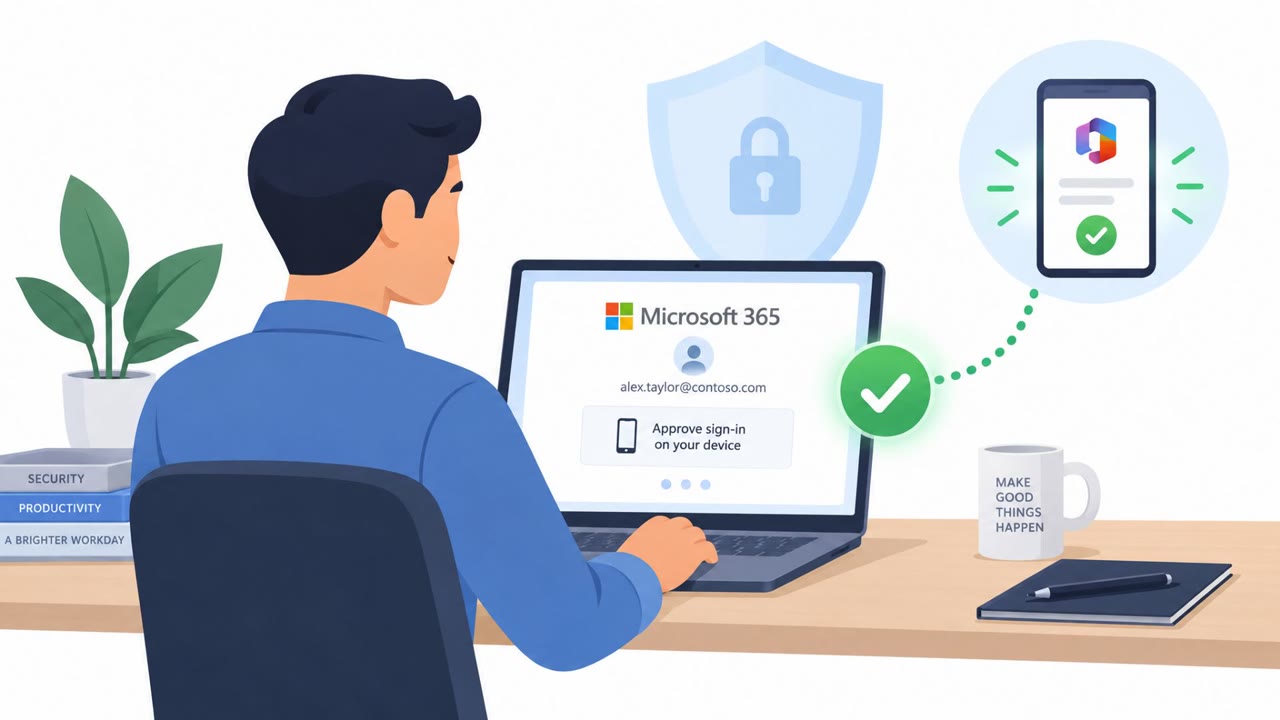
Google says the Russian-linked COLD RELIC group used access to one organization to impersonate its employees and approach people in their trusted professional networks. The attackers used encrypted-message conversations and context-relevant document links to steal Microsoft Entra ID credentials and authentication tokens, then added their own MFA device to keep access.
How the attack worked
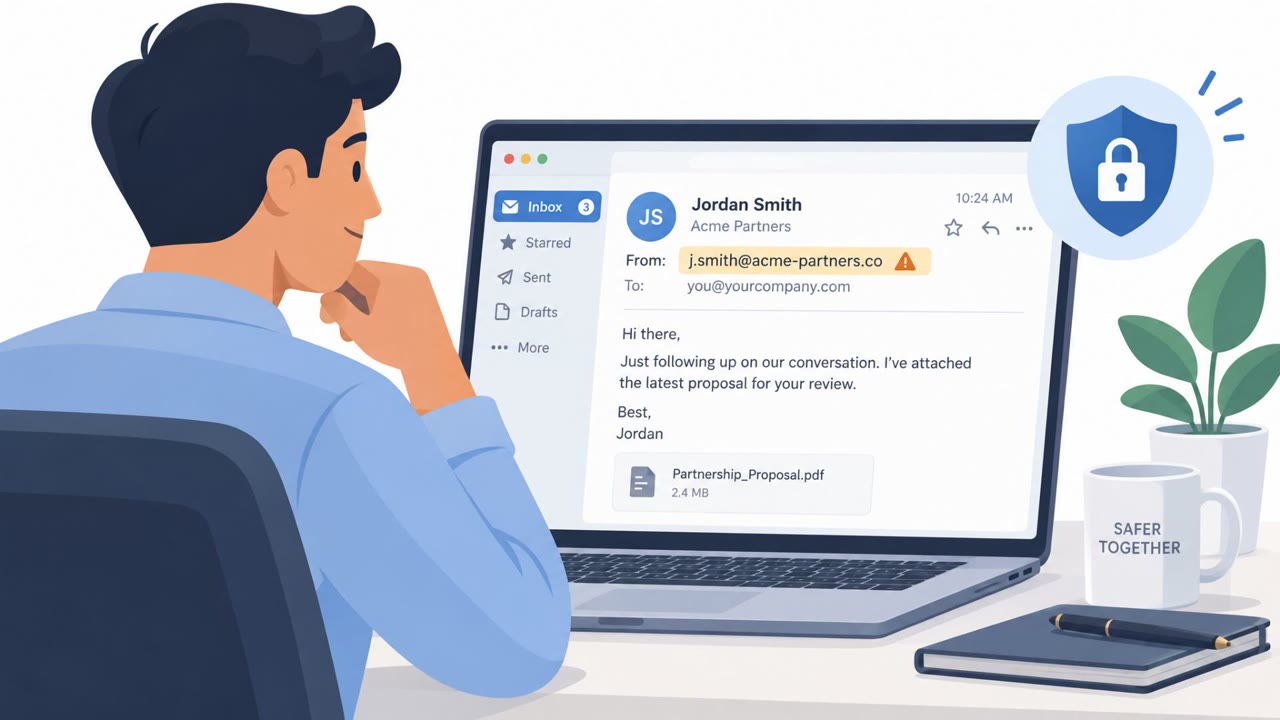
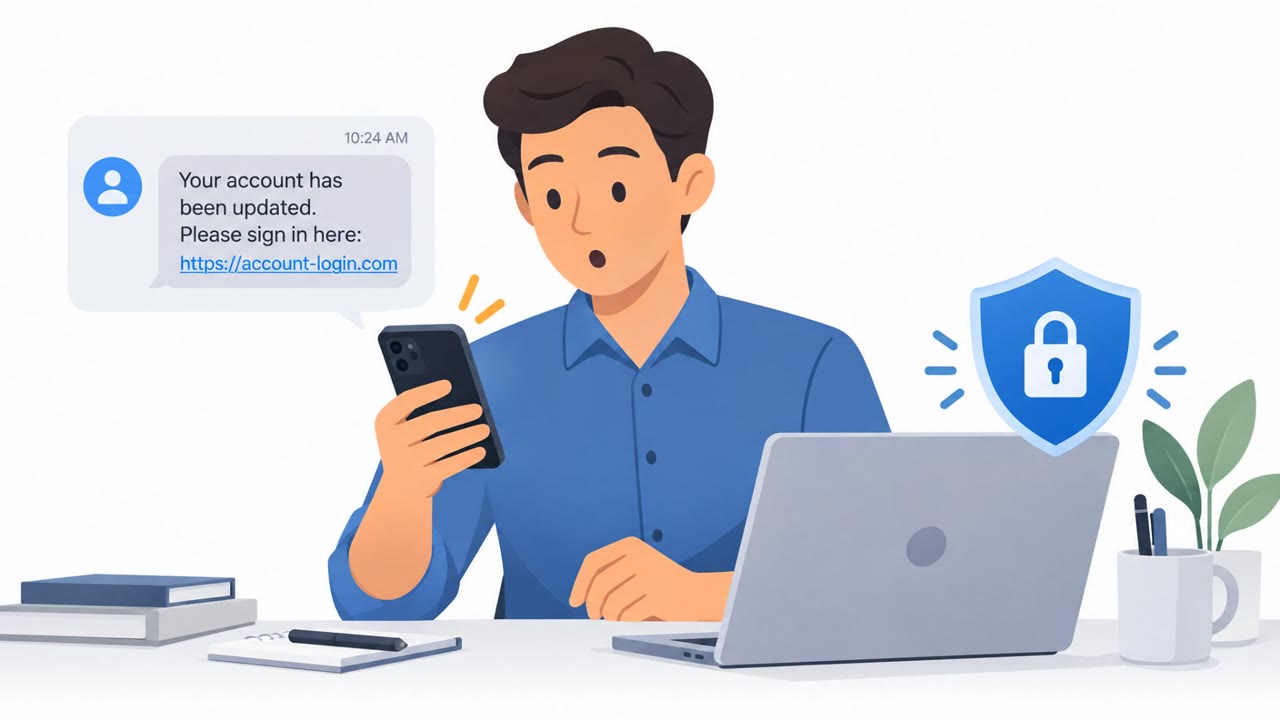
According to Google's reporting, the group known as COLD RELIC (also tracked as Star Blizzard) first compromised one organization's cloud environment, then used that foothold to reach new targets. Rather than cold-emailing strangers, the attackers impersonated real employees of the compromised organization and reached out to people in the same professional circles, including government officials, defense contractor personnel, and NGO staff. Contact often began through an encrypted messaging app, where the attacker built rapport before sharing a phishing link disguised as a document relevant to the ongoing conversation. The link routed victims through compromised websites acting as visitor-checking redirectors before landing on a page built to steal Microsoft Entra ID credentials and authentication tokens.
Why it succeeded
The attack relied on borrowed trust rather than crude deception. Because the outreach came from what looked like a known contact, and because the lure content matched the conversation's context, targets had little reason for suspicion. Once inside an account, the attackers registered their own MFA device to preserve access, and in the broader cloud compromise they also used MFA push fatigue, abused Super Admin privileges, deleted security alerts, and enrolled their own passkeys and backup MFA codes. In one case, a victim who spotted the intrusion reset passwords, but the attackers' hijacked sessions were never revoked, so access continued regardless.
What to watch for
- Unsolicited document links arriving mid-conversation in encrypted messaging apps
- Sign-in links that route through an unfamiliar website before reaching a login page
- A familiar contact's account behaving or communicating differently than usual
- Messages built on relationship details that could only come from a compromised mailbox
- Repeated or unexpected MFA approval prompts
Building resistance
- Verify unexpected document or sign-in requests through a separate, known communication channel before acting, even when the sender appears trusted
- Never approve an MFA push that was not self-initiated, and report repeated prompts immediately
- After any suspected account takeover, go beyond password resets: revoke active sessions and remove unrecognized MFA devices, passkeys, and backup codes
- Avoid storing work passwords in shared cloud storage, and keep personal accounts separate from work credentials, since personal accounts are typically unmonitored by employers
This case illustrates how attackers can turn one successful compromise into a chain of further intrusions by exploiting the trust embedded in professional networks, making verification habits and session hygiene as important as initial phishing awareness.
Key findings
- COLD RELIC, also known as Star Blizzard, impersonated employees from a previously compromised organization to target people in the same professional circles.
- The group contacted a target through an encrypted messaging app, built rapport, and then shared phishing links disguised as documents relevant to the conversation.
- The phishing pages were designed to steal Entra ID credentials and authentication tokens; after successful sign-in, the attackers registered a new MFA device to maintain access.
- The attackers used compromised websites as visitor-checking redirectors before sending victims to phishing domains, sometimes embedding a previous victim name or lure in the URL parameter.
- Password resets did not remove the attackers in at least one case because hijacked sessions remained active and were not revoked.
- The initial cloud compromise involved MFA-push fatigue, Super Admin account abuse, cloud-drive theft, alert deletion, and attacker-controlled passkeys and backup MFA methods.
Who’s being targeted
- Commonly targeted roles: Government officials, Defense contractor employees, NGO staff, Executives, Cloud administrators, Identity and access management teams, Employees who use Microsoft Entra ID, Employees who communicate with external professional contacts.
- Affected industries: Government, Defense contractors, Non-governmental organizations, Professional and policy networks in Europe and North America.
- Attack channels: telegram, website, email.
- Impersonated: An employee of a previously compromised organization, Employees of the previously compromised organization.
Red flags to watch for
- An unsolicited document link arrives in an encrypted messaging conversation.
- The link sends the recipient through an unexpected website before reaching a sign-in page.
- The sender's identity may be familiar, but the account profile or conversation behavior changes unexpectedly.
- A message appears to come from a trusted contact but requests an unusual action or link click.
- The message relies on relationship details that may have been copied from a compromised mailbox.
- Verify unexpected requests through a separate, known communication channel before acting.
Frequently asked questions
How did COLD RELIC trick new victims into clicking phishing links?
After compromising one organization, the group impersonated its employees to contact people in the same professional circles, building rapport in encrypted messaging conversations before sharing document links designed to steal Entra ID credentials and tokens.
Why didn't resetting passwords stop the attackers?
In at least one case, hijacked sessions were never revoked after the password reset, so the attackers kept their access even though the credentials had changed.
How did the attackers maintain access to compromised accounts?
After stealing credentials and authentication tokens, they registered their own MFA device, and in the broader compromise they also enrolled passkeys and MFA backup codes.
What role did MFA push fatigue play in this attack?
The attackers logged in through a residential proxy near the victim's location to avoid impossible-travel alerts, then kept sending MFA push requests until the account holder approved one.
Read the video transcript
A familiar contact messages you on Telegram. Then comes a document link. COLD RELIC, also called Star Blizzard, impersonated employees of a compromised organization. They built rapport, then wrote: ‘I wanted to share a document relevant to our ongoing conversation.’ Here's the tell: the link detours through an unrelated website before an Entra ID sign-in. That page can steal your password and session token; they can add their own MFA device. A familiar name isn't proof. Before signing in, call that contact on a number you already know.