Star Blizzard Uses Trusted Contacts to Phish US Target

Security Week · High sophistication
Last updated November 18, 2026

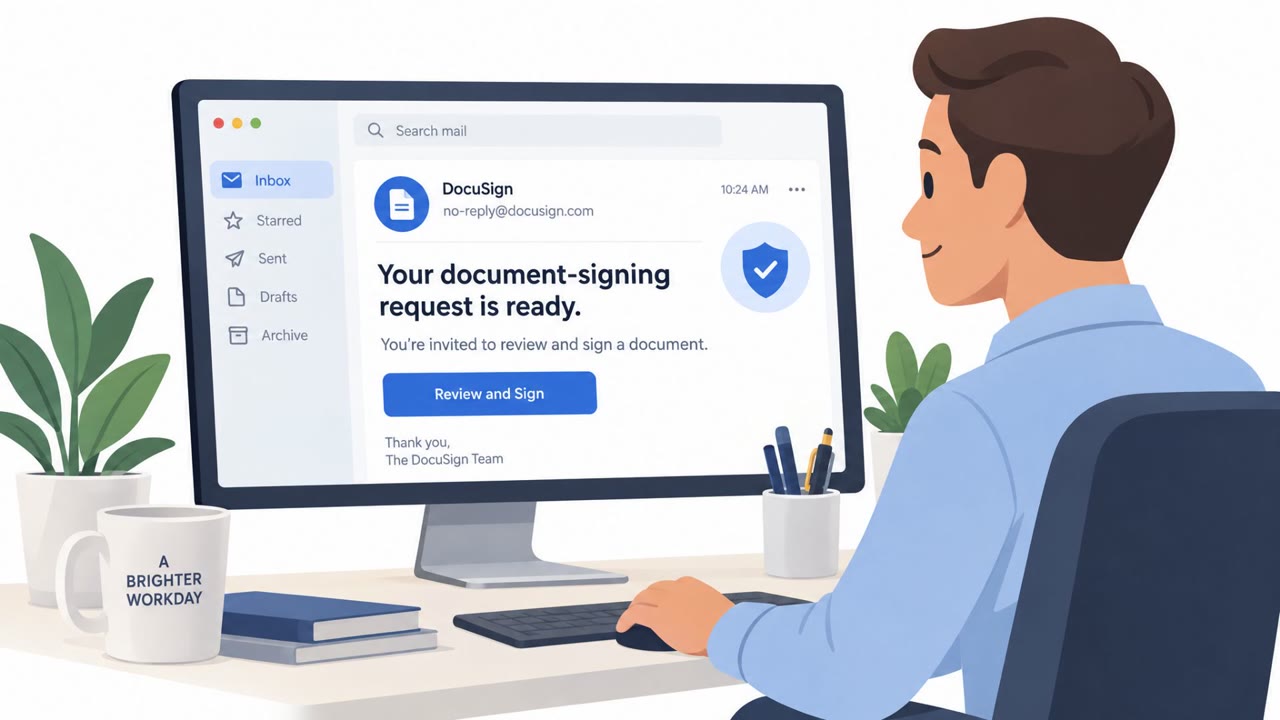
Russia-linked Star Blizzard breached a second US organization by posing as an employee of an organization it had already compromised. The group used relationship information stolen from the first victim to make its phishing approach appear trustworthy, then stole credentials and identity-session tokens to register its own MFA device and retain access.

Key findings

  • Star Blizzard, also known as Cold Relic and Callisto, impersonated an employee of a previously compromised US organization to target another US organization.
  • The group likely used stolen contact and relationship data to identify a trusted connection and make the impersonation more convincing.
  • The attackers used phishing links to steal credentials and Entra ID authentication tokens.
  • After obtaining access, the group registered a new MFA device to the victim's SSO environment to maintain access.
  • The earlier victim's employee lists, email, cloud-drive files, and operational documents were used as intelligence for follow-on spear-phishing.

Who’s being targeted

  • Commonly targeted roles: All employees, Executives and senior staff, Government and public-sector personnel, Defense contractor personnel, NGO staff, Teams that work with external partners, Identity and access management teams.
  • Affected industries: US organizations, Government, Defense contractors, Non-governmental organizations.
  • Attack channels: email.
  • Impersonated: An employee of a previously compromised organization in the target's professional circle.

Awareness takeaways

  • Verify unexpected messages from known external contacts through a separate, known-good channel before opening links or signing in.
  • Treat unexpected sign-in links as suspicious, especially when they request work credentials or authentication approval.
  • Report unfamiliar MFA-device registrations, passkeys, or recovery-code changes immediately; these may indicate that an attacker is trying to keep access to an account.
  • Limit and protect employee directories, contact lists, and operational documents because attackers can use them to craft convincing follow-on impersonation attempts.

Red flags to watch for

  • The message comes from a newly created or unfamiliar account claiming to be a known contact.
  • An unexpected link requires a work sign-in or requests authentication information.
  • The sender's identity, profile name, or contact method has changed without independent verification.
Try Mirage

Mirage safely runs attacks like this one against your own team, so you find out what happens before a real adversary does.

Get a demo
Read the video transcript

That familiar partner contact? It might be Star Blizzard. They stole contact lists from one US organization, then posed as its employee to reach another: ‘Hi, I wanted to share this with you.’ A trusted name is the bait. The unexpected sign-in link steals your password and Entra ID session token; then they add their own MFA device. Before opening that link, call your contact using the number you already have.

MITRE ATT&CK techniques

T1656 - ImpersonationT1566.002 - Phishing: Spearphishing Link · PhishingT1598 - Phishing for InformationT1204.001 - User Execution: Malicious Link · User Execution

Similar attacks

AI-Crafted Emails Hide the Usual Warning Signs

AI-Crafted Emails Hide the Usual Warning Signs

Proofpoint described real campaigns where attackers used highly tailored, AI-style messages to make phishing and payment fraud requests appear routine. Examples included property enquiries that led to malicious meeting invitations, device-code phishing pages disguised as business services, and fake…

October 21, 2026
Scattered Spider Text Lures Fueled $11.6M Theft

Scattered Spider Text Lures Fueled $11.6M Theft

A Scattered Spider member was sentenced for a campaign that sent hundreds of phishing text messages to employees at technology, telecom, entertainment, cloud communications, and cryptocurrency companies. Victims who entered their details on linked phishing sites had their credentials stolen; the…

November 18, 2026
BO Team Phish Staff After Server Takeover

BO Team Phish Staff After Server Takeover

After defenders cut off BO Team’s access to a Russian software developer, the group launched a credential-stealing phishing campaign against employees. The email claimed the recipient’s mail account had been disconnected and directed them to a fake password-change page made to resemble the…

November 16, 2026
Attackers Hide Malware in Trusted Email Threads

Attackers Hide Malware in Trusted Email Threads

Threat actors are hijacking existing email conversations, or patiently starting new ones, to build trust before sending a malicious reply. The final message commonly poses as a meeting invitation, secure message, shared file, or important document and leads to credential theft or remote-access…

October 21, 2026
Campaign Spoofing Puts Donors at Risk

Campaign Spoofing Puts Donors at Risk

The FBI warns that scammers are impersonating political candidates and campaigns to solicit donations and steal personal information ahead of the midterms. Attackers use candidates’ names, logos, and AI-generated voices or messages, while weak email authentication can allow fraudulent messages to…

October 29, 2026
OAuth Phishing Turns MFA Into a Bypass

OAuth Phishing Turns MFA Into a Bypass

Attackers are using real OAuth sign-in and consent flows to steal access tokens or trick users into authorizing malicious apps. Because the victim signs in through a legitimate identity provider and completes MFA, attackers can gain durable access that may survive password resets. The article…

October 22, 2026