Stolen Identities Put Manufacturers at Risk

Security Boulevard · High sophistication
Last updated November 18, 2026

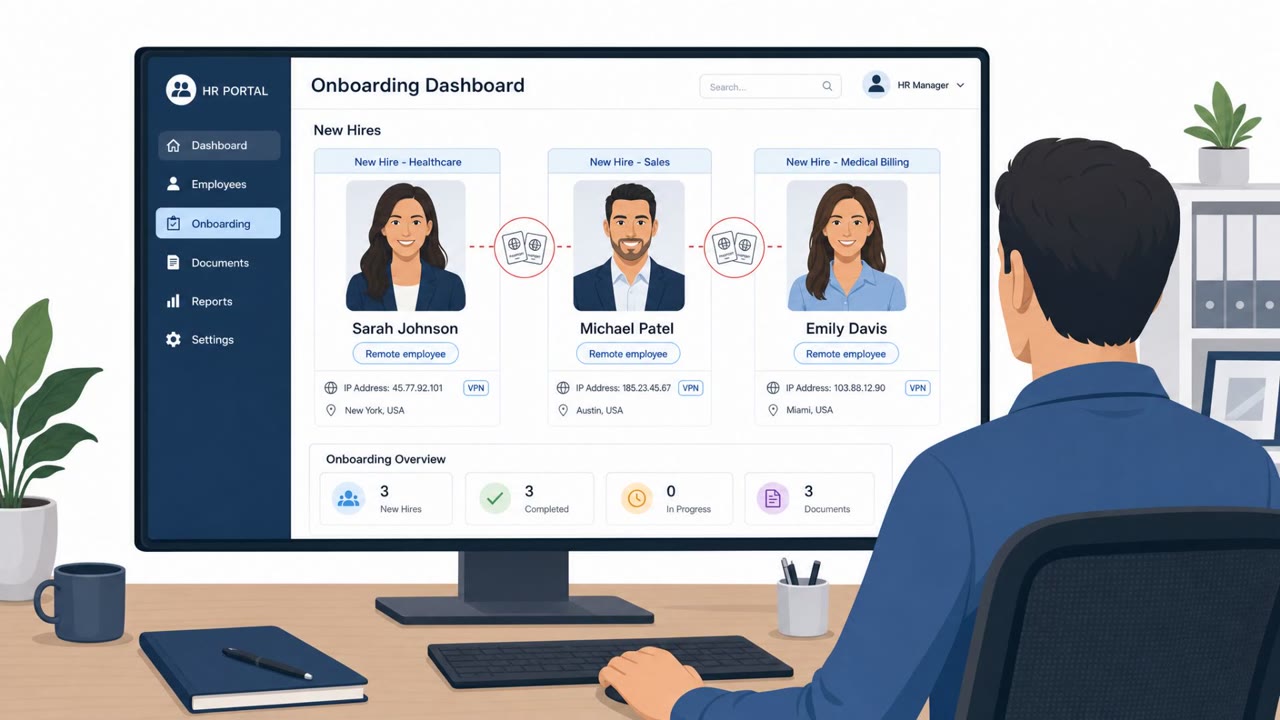
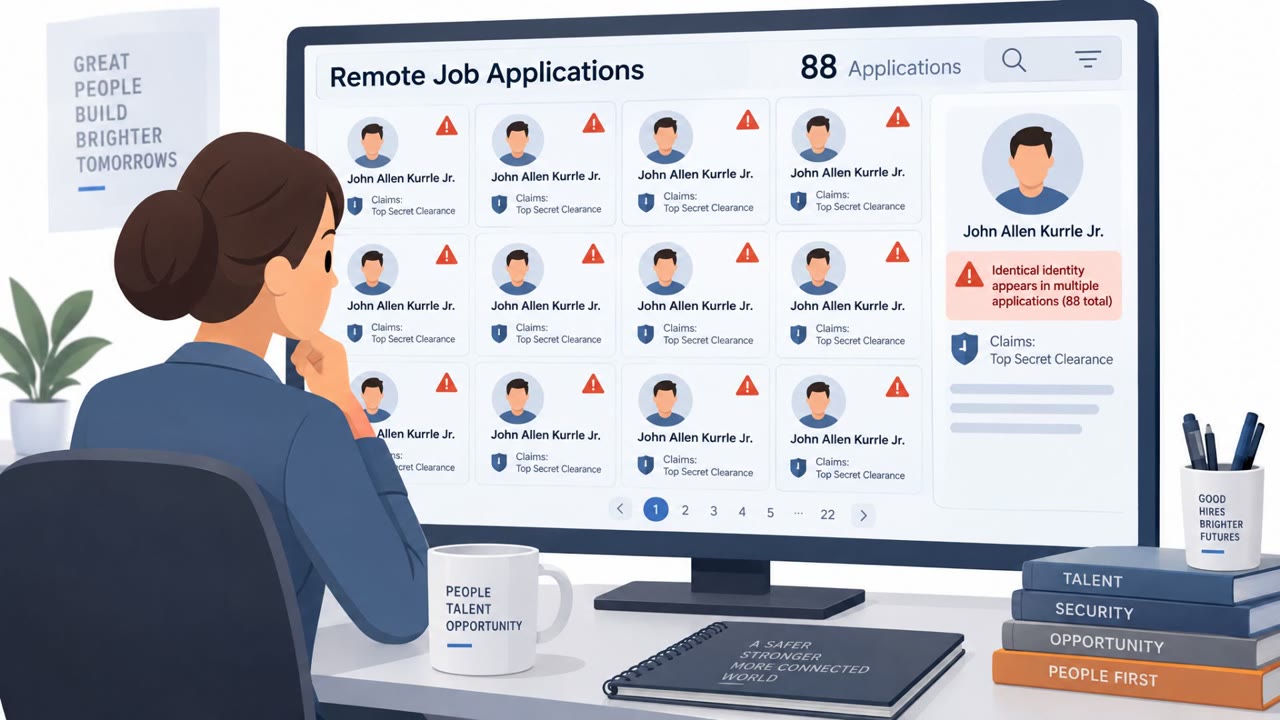
A federal case found that North Korean IT workers obtained jobs at 309 U.S. companies by using stolen identities belonging to real U.S. residents. The article highlights how normal contractor onboarding processes can validate records, credentials, and badges without confirming that the person using them is the legitimate identity holder.

Key findings

  • The Justice Department said North Korean IT workers secured roles at 309 U.S. companies using stolen identities from 68 real U.S. residents.
  • The affected employers included an aerospace manufacturer and an American car maker.
  • Agency checks, identity-provider accounts, and physical badges may validate a record or credential but do not necessarily prove the person using it is the legitimate identity holder.
  • The article says AI has reduced the cost of producing convincing voices, forged documents, and synthetic video, making identity impersonation easier.
  • Manufacturing environments are particularly exposed because contractor and third-party access can connect to operational systems and production equipment.

Who’s being targeted

  • Commonly targeted roles: Human Resources, Recruiting, Contractor Management, Hiring Managers, IT Identity and Access Management, Help Desk, Procurement and Vendor Management, Manufacturing Operations, Industrial Control System and OT Teams.
  • Affected industries: Manufacturing, Automotive manufacturing, Aerospace manufacturing, Industrial suppliers and dealerships.
  • Attack channels: email.
  • Impersonated: A legitimate U.S.-based job applicant or contractor.

Awareness takeaways

  • Do not treat a valid background check, account, or badge as proof that the person using it is the legitimate worker; independently verify high-risk new hires and contractors.
  • Require a higher-confidence identity check before issuing credentials to contractors, remote engineers, and other workers who will access sensitive systems.
  • Train HR, recruiting, contractor-management, and IT teams to escalate suspicious identity discrepancies, especially in remote hiring and vendor onboarding.
  • Verify the identity of third-party engineers and vendor personnel before granting support access to plant or production-connected systems.

Red flags to watch for

  • The submitted identity belongs to a real person, but the person presenting it is not that individual.
  • Onboarding relies on records, email addresses, or credentials rather than verifying the person behind them.
  • A remote applicant may use AI-generated voice, forged documents, or synthetic video to appear legitimate.
Try Mirage

Mirage safely runs attacks like this one against your own team, so you find out what happens before a real adversary does.

Get a demo
Read the video transcript

The identity was real. The worker wasn’t. The Justice Department says North Korean IT workers used 68 Americans’ stolen identities to land jobs at 309 U.S. companies, including an aerospace manufacturer and a car maker. Here’s the catch: a background check, account, or badge confirms a record, not the human using it. AI-made voices and video can make remote interviews look convincing. Before granting contractor access to production systems, independently verify the person behind the identity.

MITRE ATT&CK techniques

Categories

Similar attacks

Stolen Faces Fuel North Korean Meeting Scams

Stolen Faces Fuel North Korean Meeting Scams

North Korean operators behind “FaceStealer” hijacked accounts and used recordings of real people in fake Zoom and Microsoft Teams meetings. They used the familiar faces of trusted contacts to convince targets to install supposed fixes for technical problems, enabling malware installation, account…

November 14, 2026
Contractor Identity Used in North Korea Job Scam

Contractor Identity Used in North Korea Job Scam

A U.S. defense contractor admitted that co-conspirators used his identity and security clearance to apply for remote jobs at U.S. companies, including work tied to a military AI project. The case shows how fraudulent remote-job applicants can use a trusted U.S. identity, receive company equipment…

October 30, 2026
DPRK Fake Hires Spread to Healthcare & Sales

DPRK Fake Hires Spread to Healthcare & Sales

Investigations found suspected North Korean operatives getting hired into real companies by impersonating other people, including roles outside IT such as healthcare and sales/marketing. The workflow relies on fake or stolen identity documents, remote-access tooling, and deception during interviews…

August 31, 2026
Wall Street Hit by Help Desk Impersonation Calls

Wall Street Hit by Help Desk Impersonation Calls

A real campaign of voice-phishing (vishing) calls targeted major hedge funds and private equity firms by impersonating internal IT/help desk staff. Victims were pressured into completing “routine” security steps and were sent to fake login pages that captured usernames, passwords, and MFA codes in…

August 20, 2026
Attackers Phish via Teams & Slack, Not Email

Attackers Phish via Teams & Slack, Not Email

Research and incident examples show attackers increasingly using trusted collaboration tools (like Microsoft Teams and Slack) to impersonate IT/support or known community members, then push victims to phishing sites, approve MFA prompts, or run malicious files. Because messages come through…

August 20, 2026
Defense Supplier Tricked by Fake M365 Share Link

Defense Supplier Tricked by Fake M365 Share Link

IEH Corporation disclosed that an attacker got into its Microsoft 365 email environment after an employee clicked what looked like a legitimate Microsoft file-sharing link from a supposed new business contact. The fake link led to a phony login page that captured the employee’s credentials, letting…

August 7, 2026