Hacked Marketplace Account Fuels Cash App Scam

404 Media · Medium sophistication
Last updated October 21, 2026

A scammer used a hacked Facebook Marketplace account to pose as a seller and direct a buyer to send $1,000 to a Cash App account supposedly belonging to the seller’s wife. The payment account had been opened using another person’s stolen identity, illustrating how account impersonation and identity theft can combine to steal money and wrongly implicate an innocent person.

Key findings

  • A Facebook Marketplace account was hacked and used to impersonate a seller offering items for sale.
  • The scammer instructed the prospective buyer to pay $1,000 to the seller’s supposed wife through Cash App.
  • The Cash App account was created shortly before the fraud using Amanda Smith’s Social Security number and date of birth, although other account details did not match her.
  • After receiving the payment, the account distributed the money in smaller amounts to a network of other accounts within hours.
  • The case demonstrates that a name and identity details associated with a payment account do not necessarily prove who controlled it.

Who’s being targeted

  • Commonly targeted roles: All employees, Online marketplace users, Finance and accounts-payable staff, Customer support teams, Fraud and identity-protection teams.
  • Affected industries: Consumer online marketplaces, Peer-to-peer payment services, Retail consumers.
  • Attack channels: facebook.
  • Impersonated: A legitimate Facebook Marketplace seller.

Awareness takeaways

  • Treat a request to pay a different person’s payment account as a warning sign, especially when a marketplace seller says the account belongs to a spouse or associate.
  • Before sending money through a marketplace, verify the seller through a separate, trusted method because a familiar account may have been taken over.
  • Use unique passwords and multi-factor authentication on social-media accounts used for buying or selling, since a compromised account can be used to exploit the owner’s trusted contacts and listings.
  • If identity theft is suspected, document mismatched account details and report the issue quickly to the payment provider and relevant authorities.

Red flags to watch for

  • The seller directs payment to an account under a different person’s name: the seller’s alleged wife.
  • The payment request comes from an account that was hacked rather than from the real seller.
  • The buyer is asked to send money before independently confirming the listing and seller.
Try Mirage

Mirage safely runs attacks like this one against your own team, so you find out what happens before a real adversary does.

Get a demo
Read the video transcript

Buying on Facebook Marketplace? The seller says, ‘Pay my wife.’ In this case, the seller’s Facebook account was hacked. The buyer sent $1,000 to the supposed wife’s Cash App account. Within hours, the money was split among other accounts. Here’s the catch: that Cash App account used Amanda Smith’s stolen Social Security number and birth date. A name on a payment account doesn’t prove who controls it. Before paying a seller’s ‘wife,’ confirm the seller through a separate, trusted contact method.

MITRE ATT&CK techniques

T1656 - ImpersonationT1566.003 - Phishing: Spearphishing via Service · Phishing

Similar attacks

Stolen Identity Tied to Cash App Scam

Stolen Identity Tied to Cash App Scam

A scammer allegedly used Amanda Smith’s personal information to open a Cash App account and receive $1,000 from a buyer tricked by a fraudulent Facebook Marketplace listing. The case shows how an account takeover, fake sale, and identity theft can leave both the buyer and the person whose identity…

October 22, 2026
Trusted Order Emails Turn Into Callback Scams

Trusted Order Emails Turn Into Callback Scams

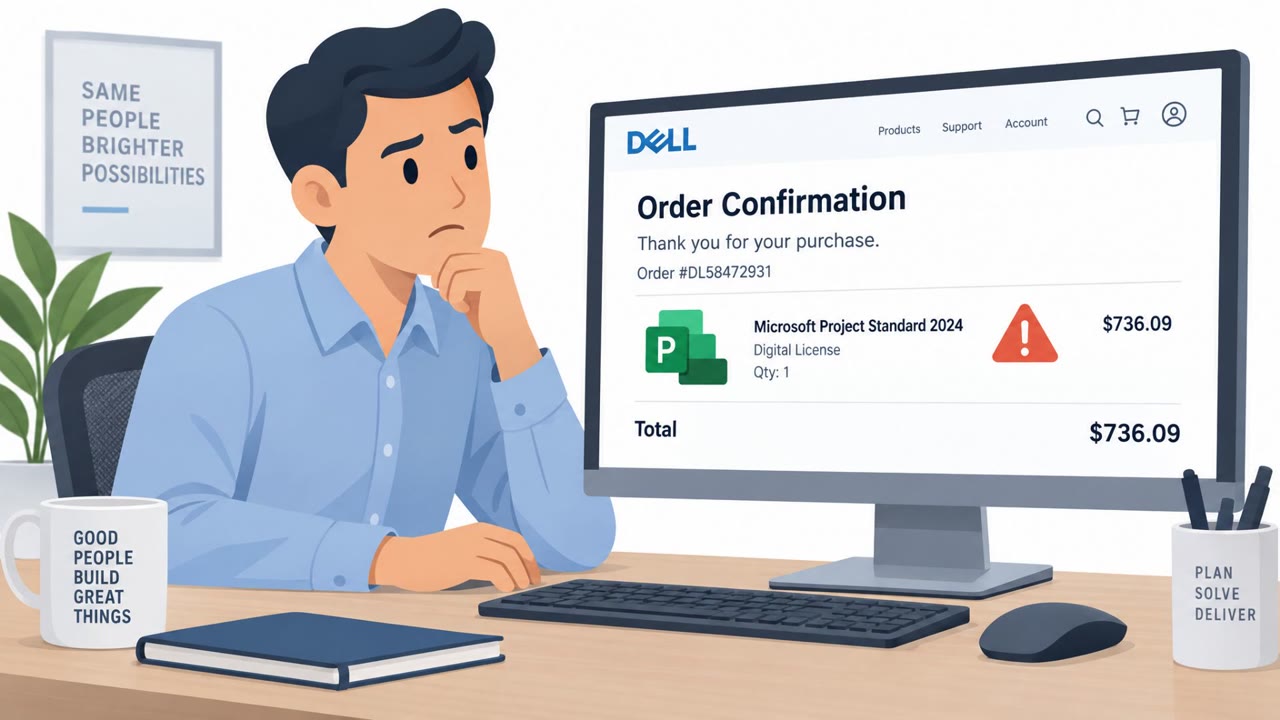
Attackers are abusing legitimate services such as Dell and Staples to send real, authenticated emails containing fraudulent support phone numbers. The emails pass normal authentication checks because the trusted platform sends them, but the attacker controls fields displayed in the message and uses…

October 22, 2026
Booking.com Scam Probe Targets Fake Stays

Booking.com Scam Probe Targets Fake Stays

EU regulators are investigating whether Booking.com has done enough to stop criminals from posting fake properties and taking over real property-owner accounts. The reported scam workflow involves attackers posing as accommodation owners and sending guests messages demanding additional payments,…

October 21, 2026
OAuth Phishing Turns MFA Into a Bypass

OAuth Phishing Turns MFA Into a Bypass

Attackers are using real OAuth sign-in and consent flows to steal access tokens or trick users into authorizing malicious apps. Because the victim signs in through a legitimate identity provider and completes MFA, attackers can gain durable access that may survive password resets. The article…

October 22, 2026
AI-Crafted Emails Hide the Usual Warning Signs

AI-Crafted Emails Hide the Usual Warning Signs

Proofpoint described real campaigns where attackers used highly tailored, AI-style messages to make phishing and payment fraud requests appear routine. Examples included property enquiries that led to malicious meeting invitations, device-code phishing pages disguised as business services, and fake…

October 21, 2026
Antidetect Browsers Fuel Stealth Phishing Fraud

Antidetect Browsers Fuel Stealth Phishing Fraud

The report documents how criminals use antidetect browsers to make stolen sessions and phishing logins appear to come from legitimate, local devices. A commercially available Browser-in-the-Middle workflow can relay a victim’s login details to real services such as Google, Microsoft, Facebook, and…

October 20, 2026