Hackers claimed to have breached crypto swap platform Wagyu.xyz, and researchers reviewed an unverified dataset that allegedly links cryptocurrency trades, Monero wallet addresses and IP addresses. While no follow-on scam has been confirmed, the data could let criminals send highly convincing fake refund, support or extortion messages that refer to a victim’s real trades.
Key findings
- Hackers claimed a breach of Wagyu.xyz, but the origin and authenticity of the alleged data leak have not been independently verified.
- The purported dataset includes 38,628 order records and 10,139 IP addresses, potentially linking public blockchain payments, Monero receiving addresses and network information.
- Researchers found no evidence that infostealer malware caused the alleged incident or infected Wagyu customers.
- If authentic, the exposed trade details could support targeted refund scams, fake support messages and extortion attempts that reference real transactions.
- The article does not confirm that criminals have used the alleged Wagyu data for social-engineering attacks.
Who’s being targeted
- Commonly targeted roles: Cryptocurrency users, Digital-asset investors, Finance and treasury teams, Customer support teams, Security awareness teams.
- Affected industries: Cryptocurrency exchanges and swap platforms, Financial services, Digital-asset users.
- Attack channels: email.
- Impersonated: Wagyu.xyz support, An unnamed extortion actor claiming access to Wagyu data.
Awareness takeaways
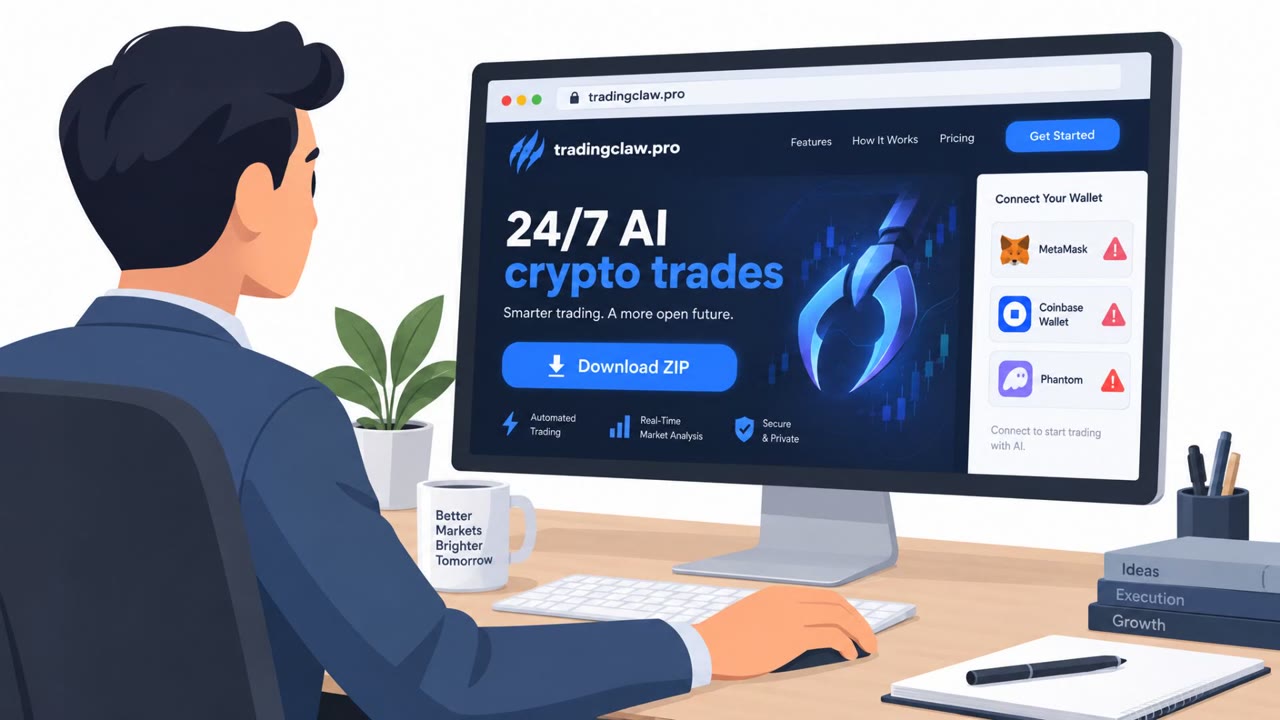
- Treat unexpected crypto support and refund notices as untrusted, even when they include accurate details about a real transaction. Verify the claim by navigating independently to the platform's known website or support channel.
- Never provide wallet private keys or recovery phrases in response to an email, message or unexpected web prompt. Legitimate support teams do not need them to process a refund or investigate a transaction.
- Do not assume an IP address cited in a threatening message proves identity or location; attackers may use it as a scare tactic.
- Treat the alleged breach and any messages tied to it cautiously because the dataset's source and authenticity remain unverified.
Red flags to watch for
- An unexpected message references a crypto transaction to pressure the recipient into trusting it.
- The sender asks for private keys or recovery phrases.
- The recipient is directed away from trusted Wagyu communication channels.
- The message cites personal transaction details to create fear and urgency.
- The sender claims leaked IP information proves the recipient's identity.
- The sender demands payment or immediate action without a trusted verification path.
Read the video transcript
A Wagyu refund email mentions your actual crypto trade. Convincing, right? The email says, ‘We are contacting you regarding a recent Wagyu transaction and a possible refund.’ It sends you to a support prompt asking for your wallet recovery phrase. Here’s the catch: a real trade detail doesn’t prove the sender is real. Alleged Wagyu records could enable this, but the leak, and any resulting scams, remain unconfirmed. Got a Wagyu refund notice? Skip its links. Open Wagyu.xyz yourself to check the claim.