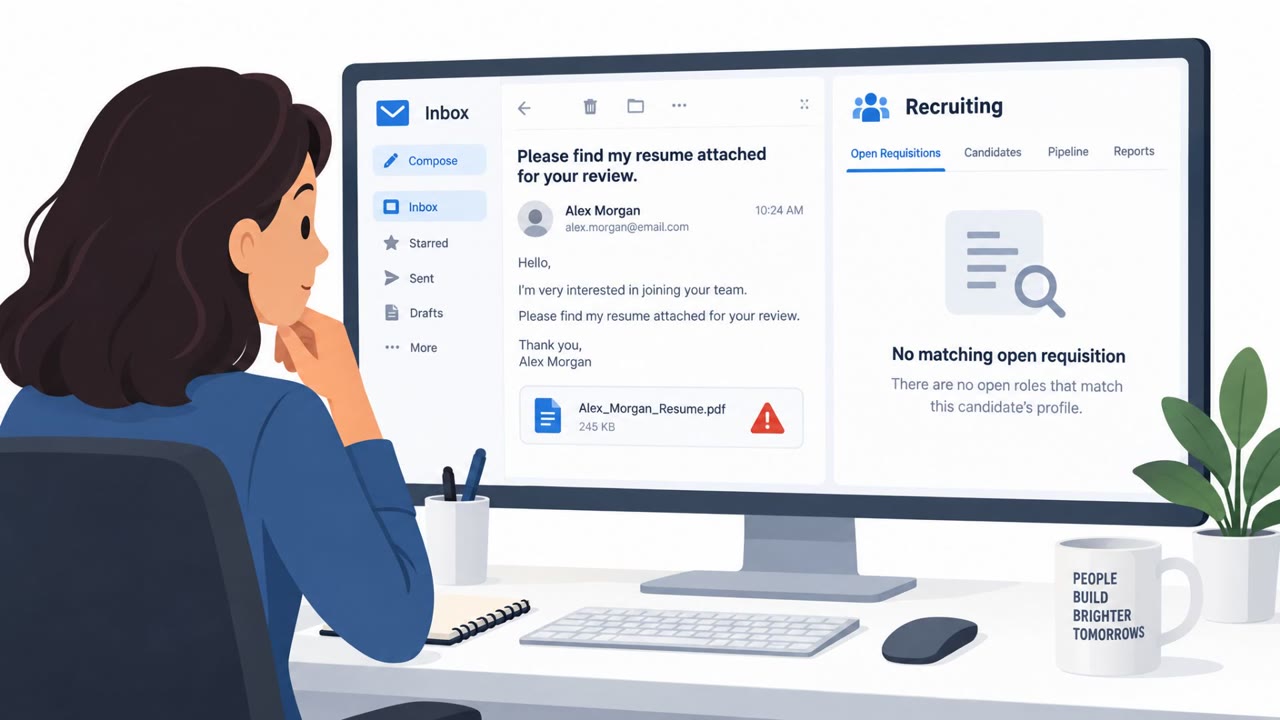
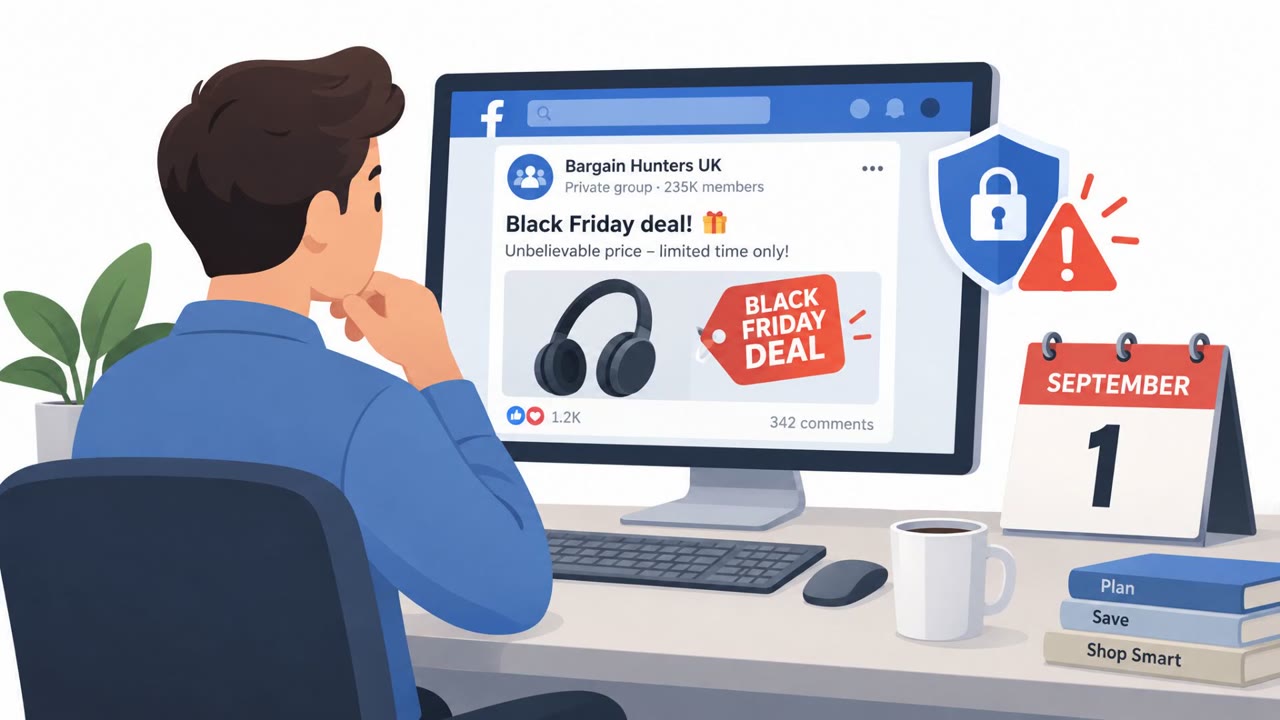
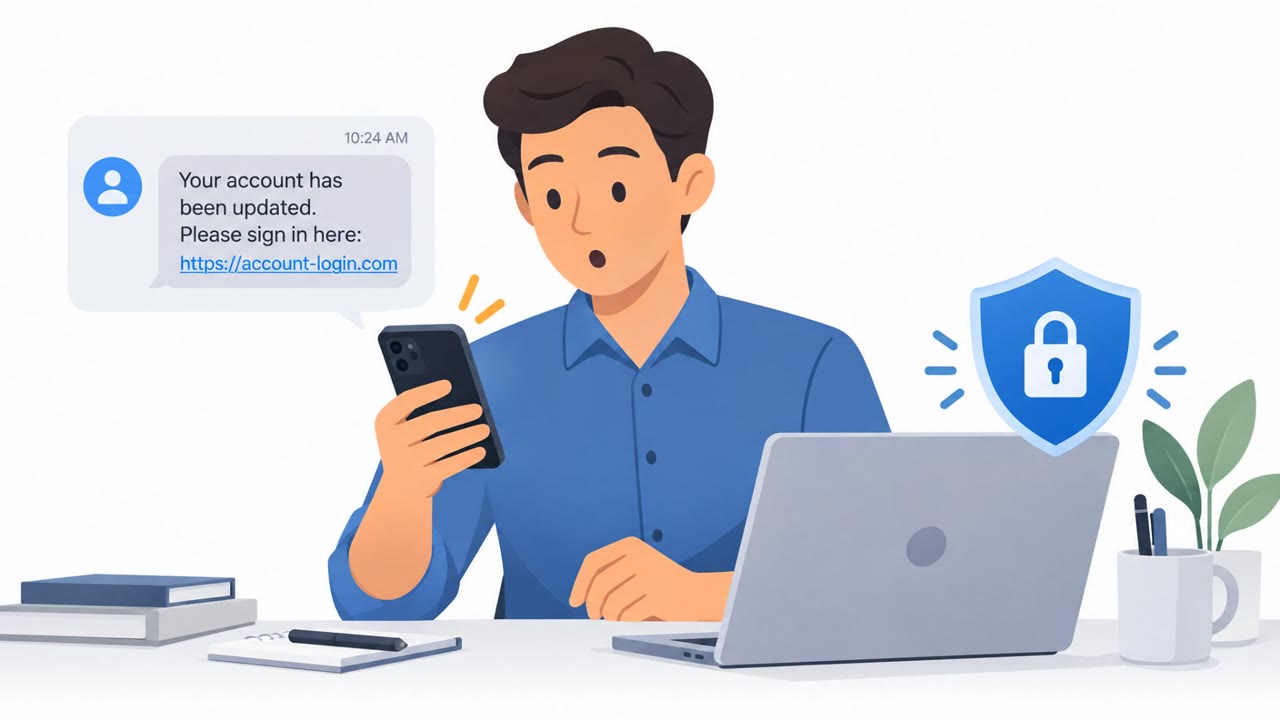
Real holiday scam campaigns use AI to create convincing fake retail websites and phishing messages at large scale. Attackers also impersonate delivery firms with package-delay notices that direct people to payment-stealing websites. For businesses, an employee shopping on a corporate device can expose credentials, payment information, or the corporate network to attackers.
How the attack works
Holiday scam campaigns combine two main pretexts. The first impersonates delivery companies such as FedEx through text messages and emails claiming a package is delayed or requires an address update. Victims who click are sent to fraudulent sites that request a small redelivery fee while actually harvesting payment-card details and personal information. The second pretext advertises heavily discounted merchandise from what appears to be a legitimate retail brand, driving traffic through online advertisements, unsolicited emails, and text messages to fake storefronts described as pixel-perfect copies of real retail sites.
Why it succeeds
These scams work because they exploit normal holiday behavior. Large discounts create urgency and encourage impulsive purchases, while delivery-delay messages play on the routine expectation of tracking a package. AI-generated content has improved the tone and grammar of phishing messages, removing the spelling and formatting mistakes employees are often trained to look for. Some attackers also deliberately age their domains so they appear more established, undermining the common advice to treat newly registered domains with suspicion.
What to watch for
Security teams should encourage employees to look for:
- An unsolicited tracking or payment link in a text message or email
- A request for a fee to resolve a delivery issue
- Pressure to update a delivery address through text rather than the carrier's official app or website
- Unusually large discounts designed to create urgency
- Lookalike retail domains promoted through ads, email, or text
Because holiday shopping scams can also lead to malware or remote-monitoring software being installed on corporate devices, any device used for shopping should be treated as a potential exposure point, particularly for finance, procurement, and IT staff who may have broader access.
Building resistance
Employees should verify delivery notifications directly through the carrier's official website or mobile application rather than following unsolicited tracking links, and confirm promotional offers through official retailer sites rather than judging legitimacy by how polished a page looks. Organizations benefit from reinforcing that discounts and delivery alerts should always be checked independently of the message that prompted them.
If a potential compromise occurs, security teams should isolate affected devices and block malicious domains quickly. Encouraging open communication so employees report suspicious shopping links or delivery messages without hesitation helps teams contain an incident before it spreads across the network, particularly during high-volume shopping periods when corporate devices are more likely to be used for personal purchases.
Key findings
- Researchers tracked tens of thousands of live scam stores that were described as pixel-perfect copies of legitimate retail sites.
- Attackers promote fraudulent storefronts through online ads, unsolicited email, and text messages.
- Delivery scams impersonate companies such as FedEx and claim a package is delayed or requires an address update.
- Victims are sent to fake delivery sites that request a small redelivery fee and steal payment-card details and personal information.
- Holiday shopping scams can also lead to malware or remote-monitoring software being installed on corporate devices.
- Large discounts, lookalike domains, and recently registered domains are warning signs, although some attackers deliberately age domains to appear legitimate.
Who’s being targeted
- Commonly targeted roles: All employees, Remote and hybrid workers, Finance and procurement staff, IT and security teams.
- Affected industries: Retail, All industries with employees using corporate devices for online shopping, Logistics and delivery services.
- Attack channels: smishing, email.
- Impersonated: FedEx or another delivery company, A legitimate consumer retail brand.
Red flags to watch for
- An unsolicited tracking or payment link
- A request for a fee to resolve a delivery issue
- Pressure to update an address through a text message rather than the carrier's official app or website
- An unusually large discount intended to create urgency
- A lookalike retail domain
- An unsolicited promotional message directing the recipient to a shopping site
Frequently asked questions
How do AI-powered holiday scams target employees?
Attackers build pixel-perfect copies of real retail sites and promote them through online ads, unsolicited emails, and text messages, while also impersonating delivery companies like FedEx with fake address-update and redelivery-fee messages.
What are the warning signs of a fake delivery notification?
Red flags include an unsolicited tracking or payment link, a request for a small fee to resolve a delivery issue, and pressure to update an address through text rather than the carrier's official app or website.
Can holiday shopping scams affect a corporate network?
Yes, an employee shopping on a corporate device can expose credentials, payment information, or the network itself, and some scams can lead to malware or remote-monitoring software being installed on the device.
Should employees trust a professionally designed shopping site?
No, AI-generated content has improved the tone, grammar, and visual quality of scam sites and messages, so employees should verify promotions through official retailer websites rather than relying on visual indicators.
Read the video transcript
A FedEx text says your holiday package is delayed. Sound familiar? It asks you to update your address and pay a small redelivery fee. Tap the link, and a fake delivery page collects your card details. The aha: the fee is the bait, not the cost. AI also helps make Black Friday emails and copycat stores look polished. A perfect-looking page proves nothing. Got a delivery alert? Skip the text link. Open the carrier's official app and check there.