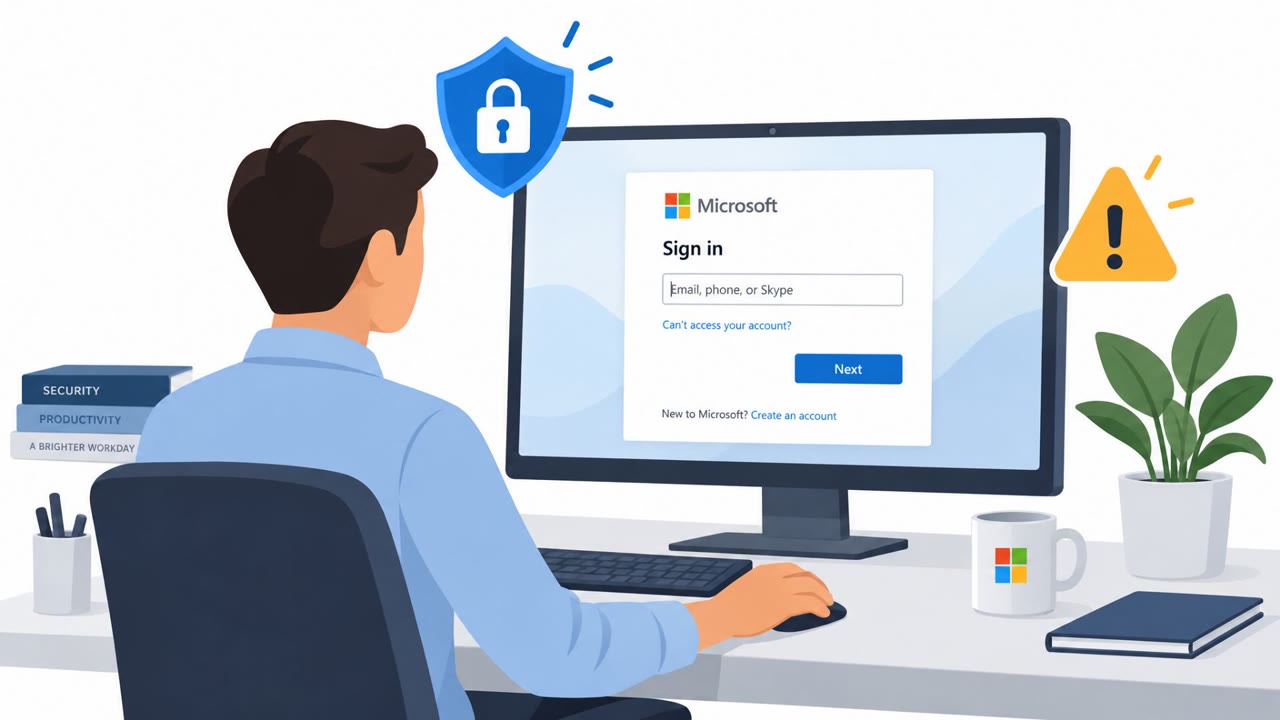
Confirmed scam campaigns are using fake Black Friday offers to impersonate well-known brands and steal account logins. Many are hosted on legitimate services such as Google Sites or spread through Facebook groups and iMessage/RCS, making simple checks such as looking at the web address less reliable.
How the attack worked
Confirmed scam campaigns began appearing as early as September 1, well ahead of the prior year's timeline. The common lure borrows retailer sale language while impersonating a software, payment, travel, or crypto brand, then asks the visitor to log in to access a limited-time deal. This pattern showed up on two main channels: fake sale pages and smishing-style text messages sent through iMessage and RCS.
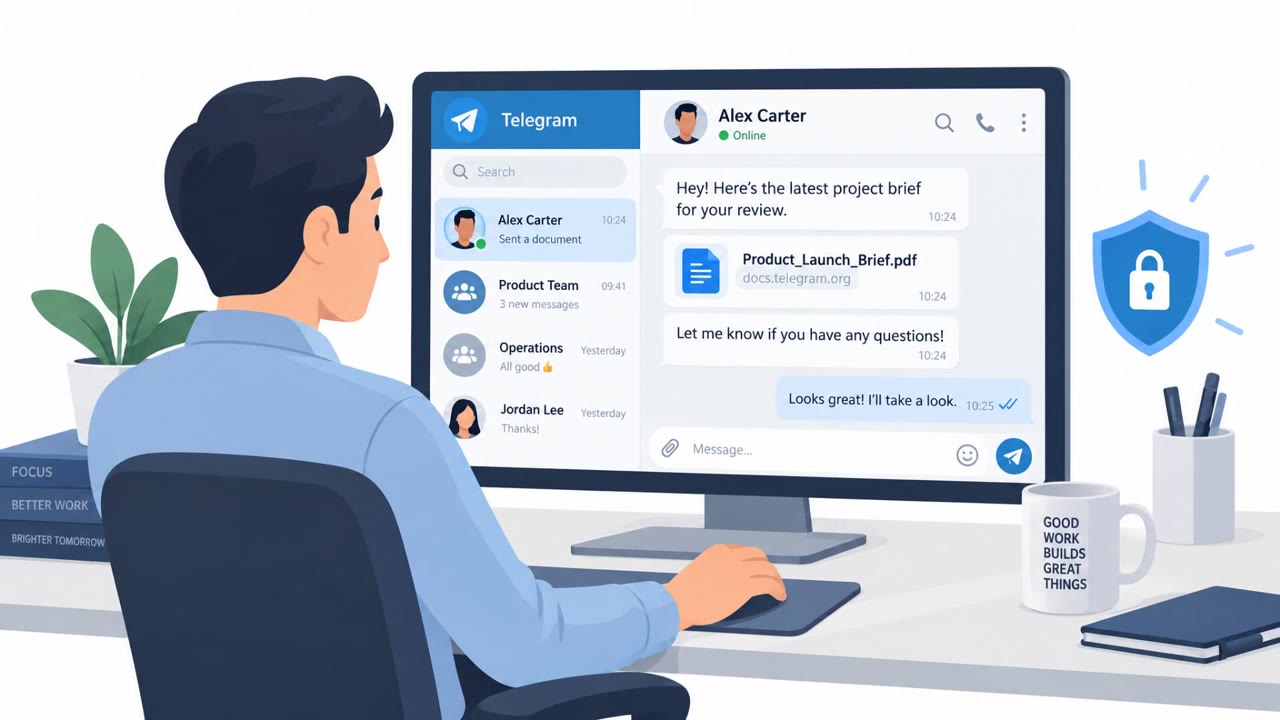
On the web side, scam pages spread through Facebook groups and Facebook Ads, with half of confirmed social-media brand impersonation appearing inside Facebook groups and nearly all confirmed fraudulent ads running through Facebook Ads. About one quarter of these lookalike pages were hosted on legitimate platforms such as Google Sites, Blogger, and GitHub Pages rather than on suspicious or obviously fake domains.
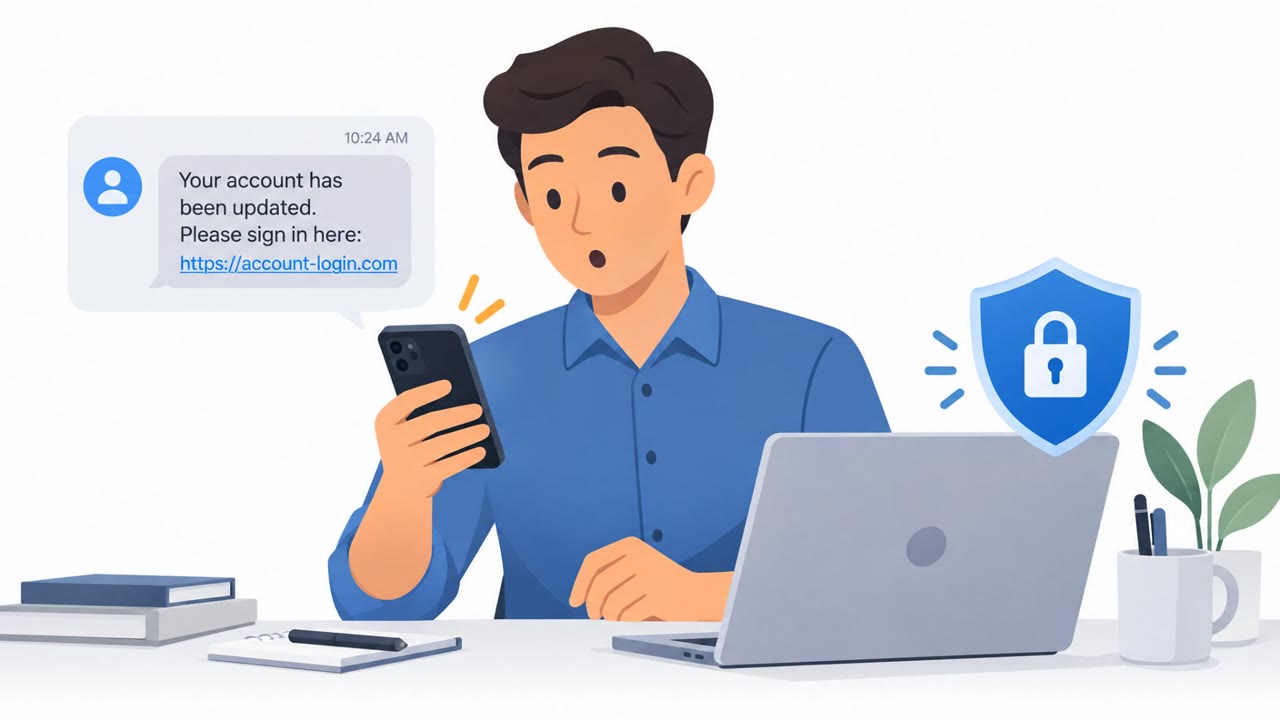
On mobile, a quarter of confirmed brand-impersonation text messages arrived through iMessage and RCS, channels that sit outside the reach of traditional SMS spam filters. Both paths funnel the recipient toward the same end goal: a sign-in page designed to harvest existing account credentials.
Why it succeeded
More than a third of these fake sites exist specifically to steal logins from accounts people already hold, which means the attacker is not asking victims to create anything new, only to re-enter credentials they already trust entering. A scam post inside a bargain or buy-and-sell Facebook group also carries what researchers describe as the group's implied vetting, lending false credibility to the offer.
The reliance on legitimate hosting platforms and generic deal or outlet domain names undermines the one habit most shoppers rely on: scanning the web address for the brand's name. Because the brand's logo still appears on the page, visual familiarity reinforces trust even when the underlying domain is unrelated to the real brand.
What to watch for
- An unexpected promotion that requires a login before the deal can even be viewed.
- A sale page hosted on a generic platform like Google Sites, Blogger, or GitHub Pages instead of the brand's known website.
- A site using a generic deal or outlet-style domain rather than the brand's official one.
- A holiday discount message arriving through iMessage or RCS rather than a verified brand channel or app.
How to build resistance
Employees and consumers should be encouraged to find promotions through a brand's official app or website rather than trusting a post found in a social media group. Any unexpected sign-in request tied to a discount deserves added scrutiny, especially when reached through a shared link rather than a known destination. Because checking for the brand's name in the address is no longer a reliable test, verifying the site is the brand's established, official domain matters more. Finally, iMessage and RCS promotions should be treated with the same suspicion as SMS messages, since they are not covered by traditional spam filtering.
Key findings
- Fake Black Friday offers began appearing on September 1, more than a month earlier than in the prior year.
- The common lure uses retailer sale language while impersonating software, payment, travel, or crypto brands and asks visitors to log in.
- Half of confirmed social-media brand impersonation observed by Doppel appeared in Facebook groups, while 99.7% of confirmed fraudulent ads ran through Facebook Ads.
- About one quarter of lookalike pages were hosted on legitimate platforms, including Google Sites, Blogger, and GitHub Pages.
- More than one third of the fake sites were designed to steal logins from accounts that victims already held.
- A quarter of confirmed brand-impersonation text messages were sent through iMessage and RCS, which are outside traditional SMS spam-filter coverage.
Who’s being targeted
- Commonly targeted roles: All employees, Mobile device users, Frequent travelers, Employees who manage corporate software accounts, Finance and payment-platform users.
- Affected industries: Business software, Travel and airlines, Cryptocurrency exchanges, Banking and neobanks, Retail, Payment services.
- Attack channels: website, smishing.
- Impersonated: A software, payment, travel, or crypto brand the visitor already uses, A familiar consumer brand offering a holiday deal.
Red flags to watch for
- The page is hosted on a generic platform such as Google Sites, Blogger, or GitHub Pages rather than the brand's normal website.
- The site uses a generic deal or outlet domain instead of the brand's official domain.
- An unexpected promotion requires an account login before the offer can be viewed.
- The message arrives unexpectedly through iMessage or RCS rather than a verified brand channel.
- The offer creates urgency around a limited-time holiday discount.
- The message asks for account credentials to access a deal.
Frequently asked questions
How are fake Black Friday deals being distributed?
Confirmed campaigns spread through Facebook groups, Facebook Ads, and legitimate hosting platforms such as Google Sites, Blogger, and GitHub Pages, as well as through iMessage and RCS text messages.
Why doesn't checking the web address catch these scams?
About one quarter of lookalike pages are hosted on legitimate platforms, and sites with their own domain often use a generic deal or outlet term while still displaying the brand's logo, making a simple address check unreliable.
What do these fake pages actually want from visitors?
More than one third of the fake sites are designed to steal logins from accounts victims already hold, using a holiday discount as the pretext to request a sign-in.
Are text message scams part of this campaign?
Yes, about a quarter of confirmed brand-impersonation text messages were sent through iMessage and RCS, channels that fall outside traditional SMS spam-filter coverage.
Read the video transcript
Black Friday deals started showing up in September. Some are login traps. A Facebook group post or iMessage says, 'Sign in to access this limited-time offer.' Tap it, and a familiar brand logo leads to a page asking for your existing account login. Here's the catch: Google Sites is real; the sale page on it might not be. A brand logo in the address doesn't make it the brand's website. Want the deal? Open the brand's official app yourself and find the offer there.