Researchers found Bazuka Android banking malware disguised as a premium TikTok download offered outside official app stores. Once installed, it can capture keystrokes, intercept text messages and two-factor codes, remotely control the phone, and hide activity behind a copied image of the victim’s own screen.
How the Bazuka Attack Worked
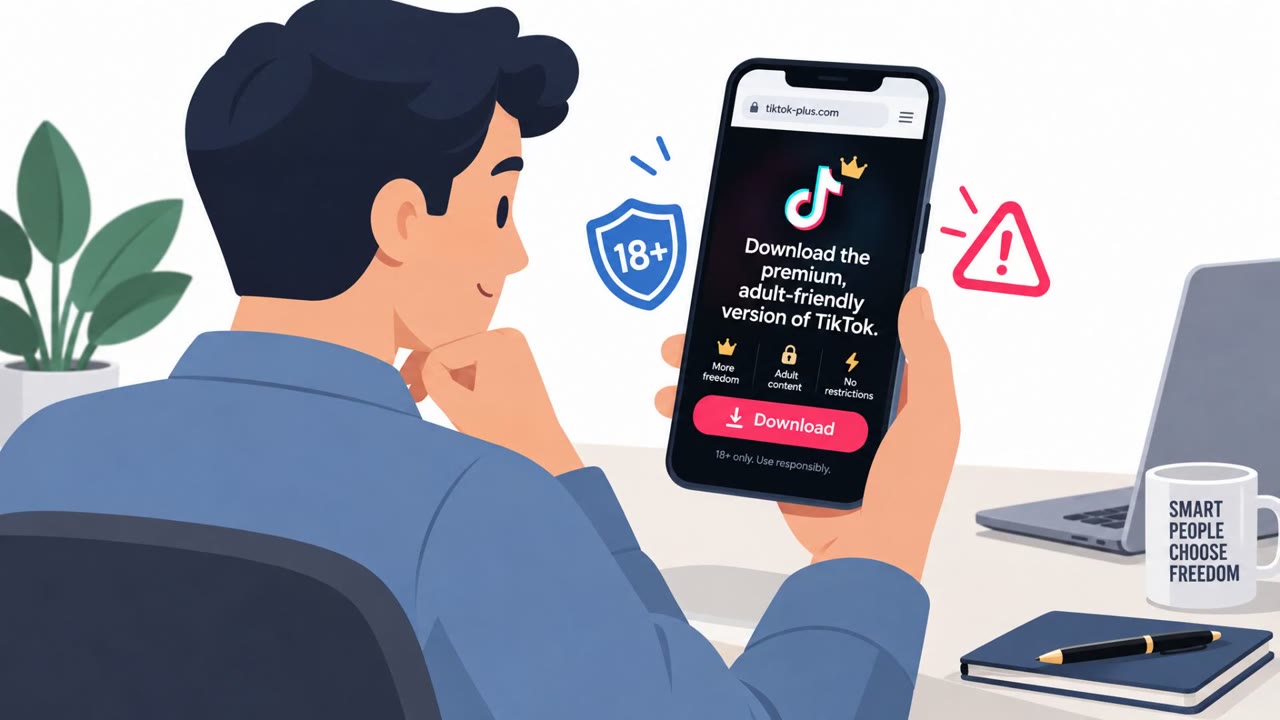
Researchers at ThreatFabric documented Bazuka, an Android malware framework discovered in late October, distributed through a sample disguised as a premium version of TikTok. The fake app was offered outside official app stores, meaning victims had to seek out and manually install it rather than finding it through a trusted marketplace. Once installed, Bazuka could record keystrokes, intercept text messages and some two-factor authentication codes, and give an attacker remote control of the infected device.
Why It Succeeded
The pretext relied on the appeal of a recognizable, well-known app offered with a premium upgrade, a combination that can make people skip normal caution. A recognizable brand name tells a user what an app wants them to be perceived as, but it does not confirm who actually built or distributed it. Offering the app outside an official store removed the platform-level vetting that many users rely on without realizing it. Bazuka also included a capability to capture the victim's home or lock screen and reuse it as an overlay, which made unauthorized activity on the device harder to notice even after installation.
What to Watch For
- An app claiming to be a "premium" version of a well-known service, especially one not available through that service's standard distribution.
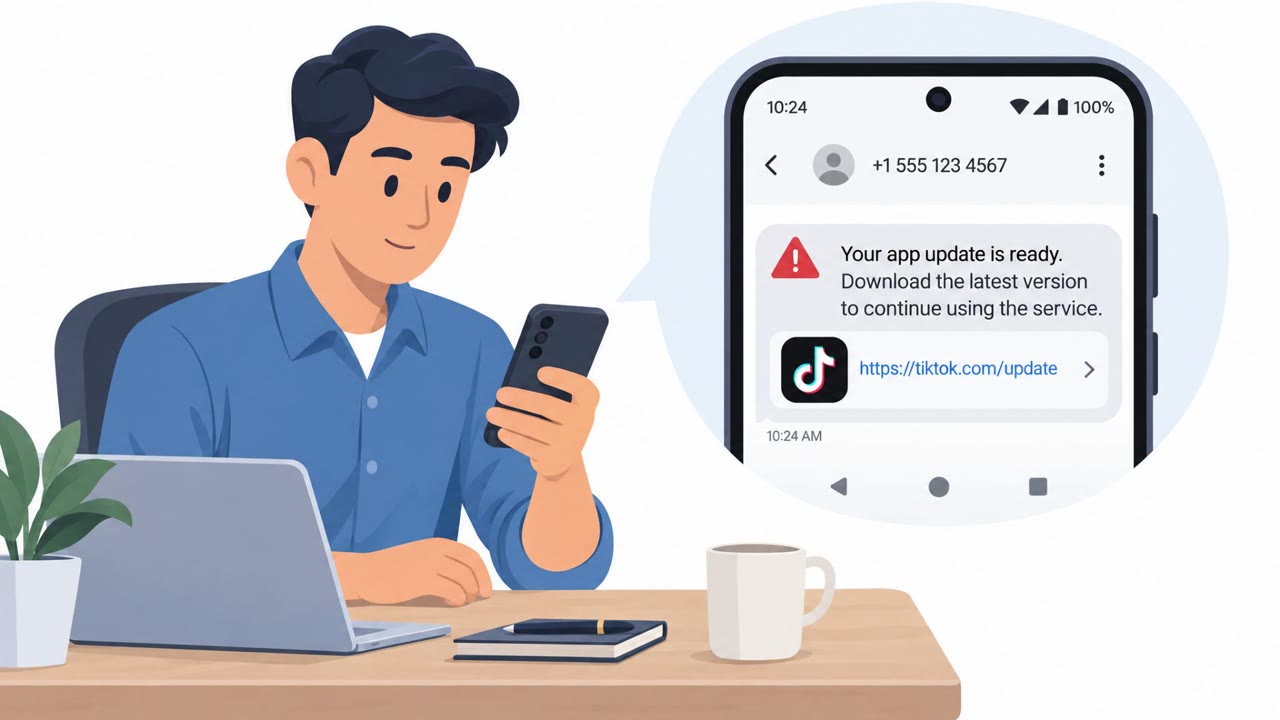
- Any install prompt coming from a website or link rather than an official app store.
- An inability to independently verify the app's publisher or the legitimacy of the download source.
- Unexpected or unexplained changes to how the phone's screen behaves, since overlay techniques are designed to mask activity.
Building Resistance
The clearest defense is to only install apps from trusted official sources and to verify both the publisher and the download location before installing anything claiming to be a recognizable brand-name app. If a phone is suspected of compromise, the first move should be contacting the bank and reviewing account activity from a different, trusted device, not the potentially infected phone itself. Because a banking password and a verification code may both pass through the same compromised device, a code received on that phone should not be treated as independent proof that a login or transaction is safe. Once a trusted device is in use, affected accounts should be secured and passwords changed according to each provider's guidance, starting with accounts such as primary email that can be used to reset other credentials, before any attempt is made to clean the infected phone.
Key findings
- ThreatFabric documented Bazuka as an Android malware framework discovered in late October.
- Bazuka can record keystrokes, intercept text messages and some two-factor authentication codes, and allow remote control of an infected device.
- The malware can capture the victim’s home or lock screen and use it as an overlay, making unauthorized activity harder to spot.
- Researchers documented a sample disguised as a premium TikTok download and offered outside official app stores.
- The article advises people who suspect compromise to call their bank and secure accounts from a different, trusted device before attempting to clean the phone.
Who’s being targeted
- Commonly targeted roles: Android users, Mobile banking customers, Employees using personal devices for work, IT support teams, Finance and fraud teams.
- Affected industries: Banking and financial services, Consumer mobile banking, Organizations with employees using Android devices for work accounts.
- Attack channels: website.
- Impersonated: TikTok.
Red flags to watch for
- The app is offered outside an official app store.
- The offer claims to provide a premium version of a well-known app.
- The app publisher and download source cannot be independently verified.
Frequently asked questions
What is Bazuka malware?
Bazuka is an Android malware framework documented by ThreatFabric in late October that can record keystrokes, intercept text messages and some two-factor authentication codes, and allow remote control of an infected device.
How does Bazuka spread?
Researchers documented a sample disguised as a premium TikTok download offered outside official app stores, luring Android users into installing it directly.
What should I do if my phone might be infected with Bazuka?
Call your bank and secure your accounts from a different, trusted device before attempting to clean the phone, since a compromised device may not provide a reliable separate way to verify logins.
Can a two-factor code still be trusted if my phone is compromised?
No, with Bazuka a banking password and a verification code may both pass through the same phone, so a code received on a suspected compromised phone should not be treated as independent proof of safety.
Read the video transcript
“Download premium TikTok now.” Tempting? Check where it’s coming from. That website offers an install outside the official app store. One sample hid Bazuka malware: it can capture typing, intercept texts and some verification codes, and remotely control your phone. Here’s the sneaky part: Bazuka can cover its activity with a copy of your own home or lock screen. A normal-looking phone doesn’t mean it’s safe. The brand name isn’t proof; the publisher and download source matter. If you installed it, use a different, trusted device to call your bank and secure your accounts before cleaning the phone.