Black Axe Romance Scam Scripts Exposed

Infosecurity Magazine · Medium sophistication
Last updated September 15, 2026

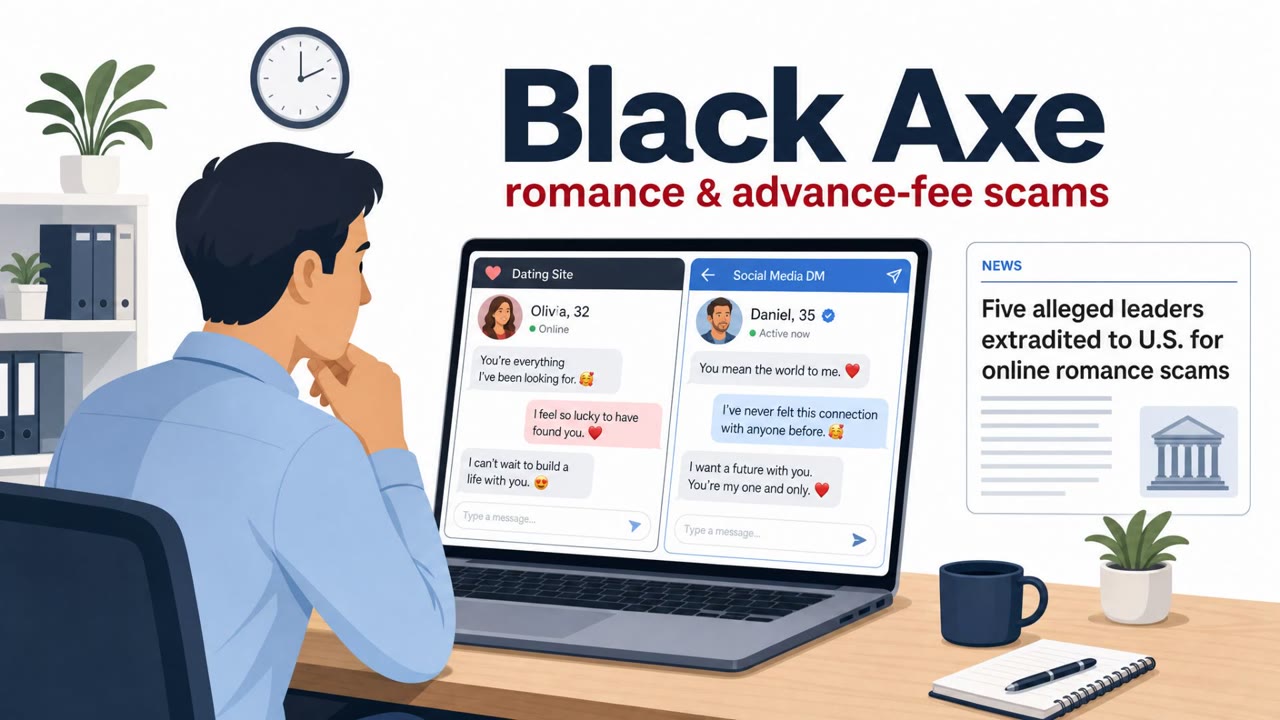
US prosecutors say alleged Black Axe leaders ran long-running romance scams that used social media and dating sites to build trust with victims, then demanded money using a consistent “working in South Africa” story. When victims hesitated, the group allegedly threatened to leak sensitive photos to coerce payment, and moved funds through US bank accounts and business entities.

Key findings

  • Five alleged leaders linked to the Black Axe/Neo Black Movement of Africa were extradited to the US to face charges tied to romance scams, advance-fee fraud, and money laundering.
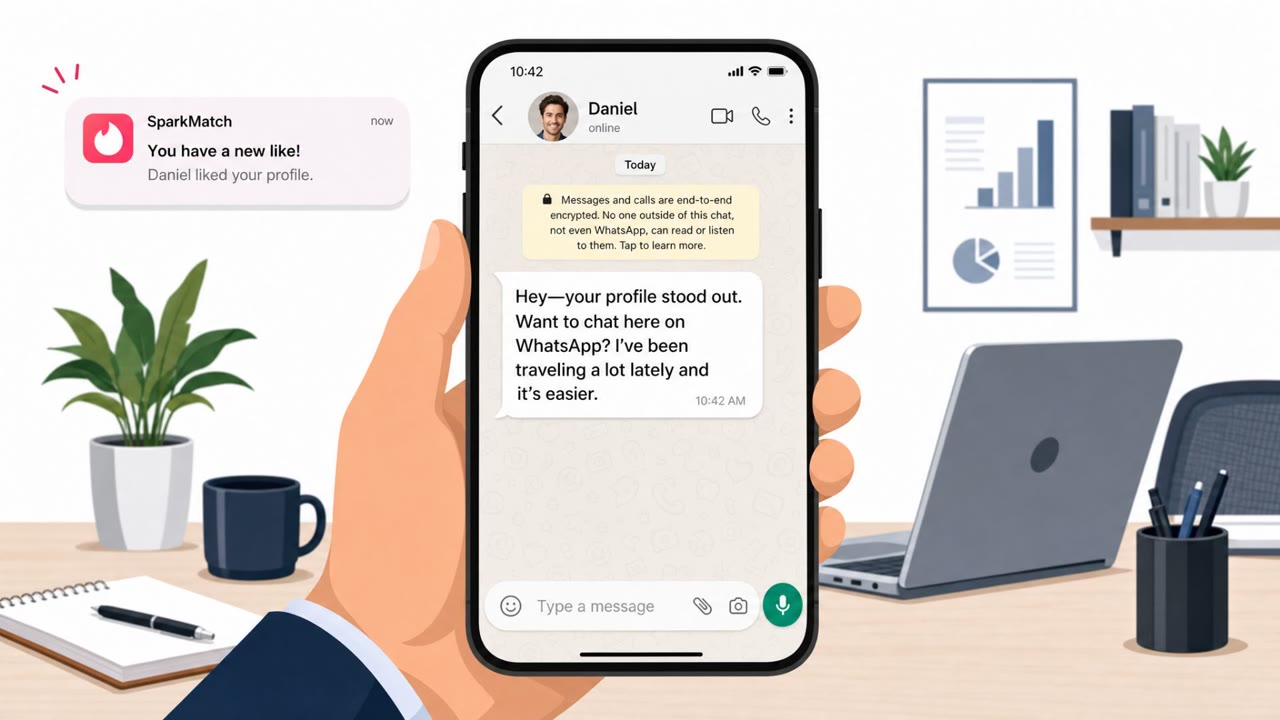
  • Prosecutors allege the group operated from Cape Town from 2011–2021 and contacted US victims via social media, dating sites, and VoIP numbers using aliases.
  • The scam storyline often claimed the person was traveling/working in South Africa and suddenly needed money due to an unforeseen event (frequently at a construction site or involving a crane).
  • When victims hesitated, conspirators allegedly threatened to distribute sensitive photographs to force payment.
  • Funds were allegedly routed through victims’ and other US account holders’ bank accounts; some victims were persuaded to open US accounts for the conspirators to use, and business entities were used to disguise funds (including proceeds tied to BEC).

Who’s being targeted

  • Commonly targeted roles: All employees, Executives, Finance, HR/People team.
  • Affected industries: Consumers/Individuals, Finance (banking/payment accounts).
  • Attack channels: website, vishing.
  • Impersonated: Online romantic partner using an alias (claims to be working in South Africa), Online romantic partner using an alias, Online romantic partner / trusted contact met on social media or a dating site.

Awareness takeaways

  • Treat online romance contacts who quickly ask for money, especially for overseas ‘work emergencies’, as a likely scam and stop engaging.
  • If someone threatens to expose private photos unless you pay, do not pay, capture evidence and report it to security/law enforcement.
  • Never open financial accounts for someone else or let another person ‘use’ your account, this can make you an unknowing money mule.
  • Be cautious when a new contact insists on using calls from unfamiliar internet numbers (VoIP) to build trust or apply pressure.

Red flags to watch for

  • A new online relationship quickly asks for money due to an ‘emergency’ abroad
  • Story is vague but emotionally urgent (construction site/crane incident)
  • Request to send funds overseas or provide financial access
  • Threats and time pressure to force payment
  • Use of personal/sensitive images as leverage
  • Demand for money to ‘make the problem go away’
  • Request to open accounts or share account access for someone you haven’t met
  • Funds moving through your account ‘for someone else’
  • Justifications tied to overseas travel/work and urgent problems
Try Mirage

Mirage safely runs attacks like this one against your own team, so you find out what happens before a real adversary does.

Get a demo
Read the video transcript

There’s a romance scam script so common prosecutors called it out by name: the “working in South Africa” story. It starts on social media or a dating app, then VoIP calls to build trust. The script: “I’m in South Africa on a construction job, something happened with the crane, I urgently need money.” If you hesitate, the tone flips: “If you don’t send the money today, I’ll share your private photos with your family and online.” That’s sextortion, not love. Your move: if any online “partner” asks for money or threatens to leak photos, stop, screenshot everything, and report it to security or law enforcement, do not send a cent.

Similar attacks

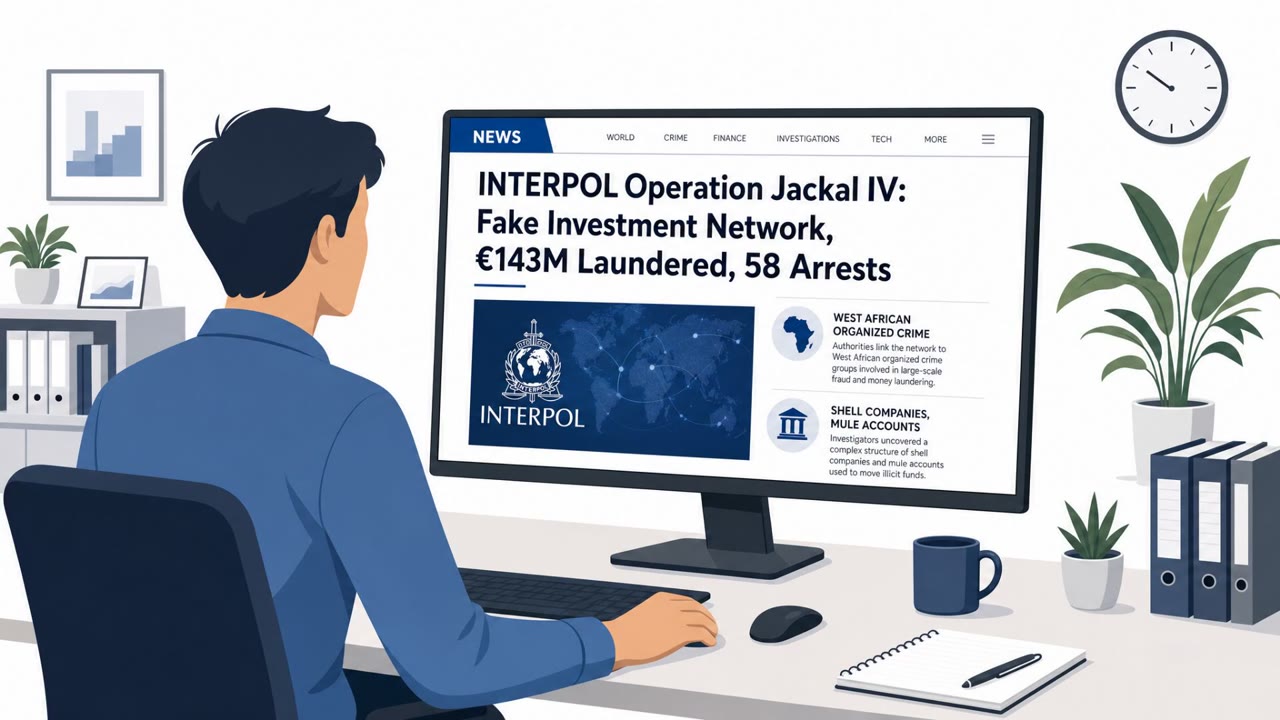
INTERPOL Busts Scam Laundering Network: 58 Arrests

INTERPOL Busts Scam Laundering Network: 58 Arrests

INTERPOL’s Operation Jackal IV (Nov 2025–Jun 2026) targeted the money-laundering backbone behind global online scams, leading to 58 arrests and 263 suspects linked to West African organized crime groups. Cases included romance/investment scams targeting retirees, a fake-investment call center tied…

August 26, 2026
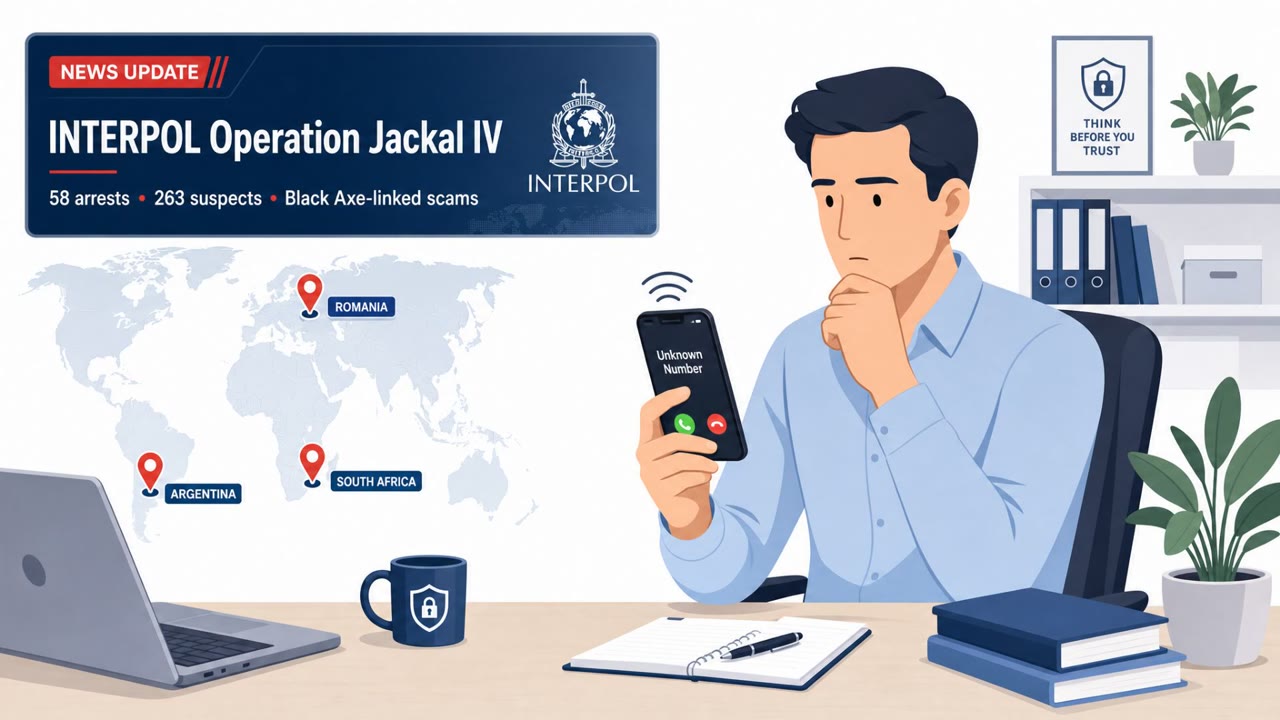
Interpol Sting Hits Black Axe Scam Networks

Interpol Sting Hits Black Axe Scam Networks

Interpol said Operation Jackal IV arrested dozens and disrupted West Africa–linked criminal networks tied to scams and money laundering, including Black Axe. The cases described include a call-center “investment” scam, romance/investment scams targeting retirees, and sextortion of teenagers on…

August 25, 2026
Black Axe Romance Scam Leaders Extradited

Black Axe Romance Scam Leaders Extradited

U.S. prosecutors say five alleged leaders of Black Axe’s Cape Town group ran long-running online romance and “advance fee” scams that tricked U.S. victims into sending money. The scammers allegedly used fake identities to pose as love interests or trusted contacts, then pushed for payments using…

September 14, 2026
Fraudulent Gov Email and Passkey Lures Hit Orgs

Fraudulent Gov Email and Passkey Lures Hit Orgs

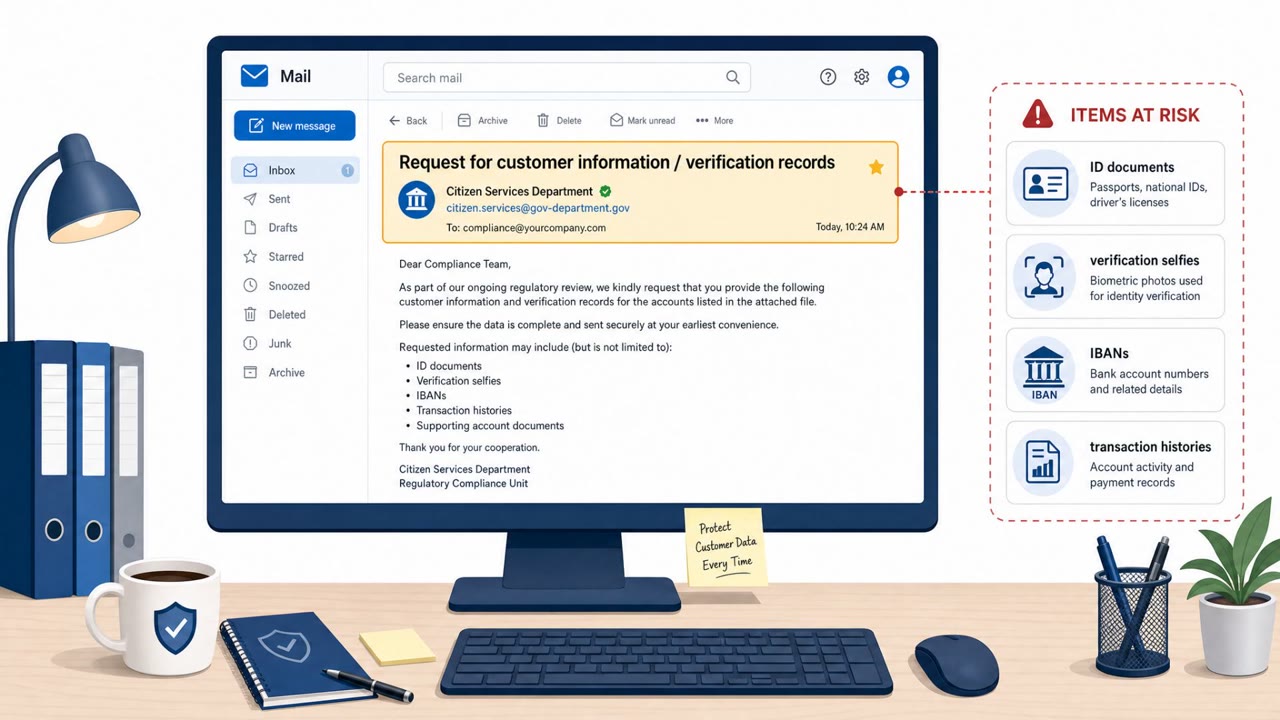
The bulletin describes real-world social engineering where staff were tricked into disclosing sensitive data or access. In one case, Revolut employees responded to fraudulent information requests sent from a real government-domain email account, exposing extensive customer records. Separately,…

September 14, 2026
Passkey Helpdesk Scam Hijacks Microsoft Accounts

Passkey Helpdesk Scam Hijacks Microsoft Accounts

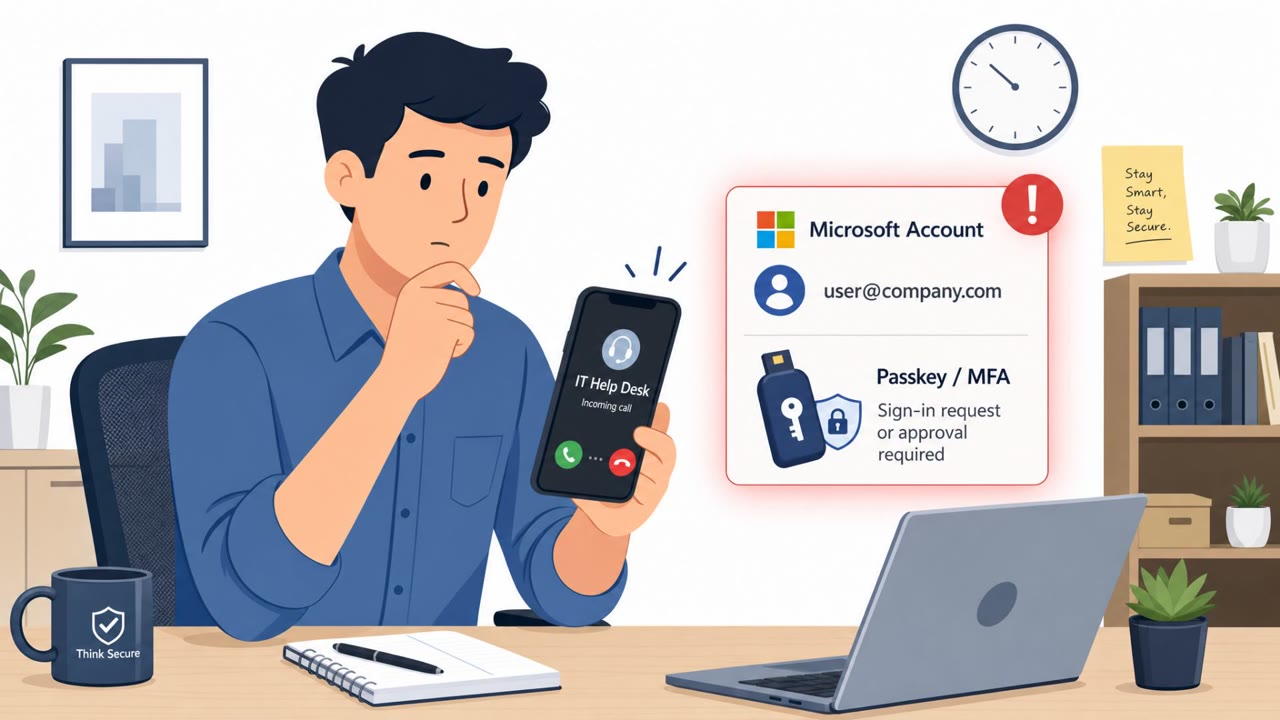
Microsoft described two real-world campaigns: an invoice fraud blast impersonating executives to trick finance teams into ACH payments, and a passkey-themed helpdesk scam that steals or bypasses authentication to take over Microsoft cloud accounts. In the second campaign, victims are called or…

September 13, 2026
Poipet Scam Ring Used ChatGPT for Romance & Fines

Poipet Scam Ring Used ChatGPT for Romance & Fines

OpenAI says it disrupted a Cambodia-based scam network operating from Poipet that used ChatGPT to scale romance, investment, gambling, and law-enforcement impersonation scams. The group used messaging apps to build trust, then pressured victims to pay deposits, activation fees, or fake fines,…

August 5, 2026