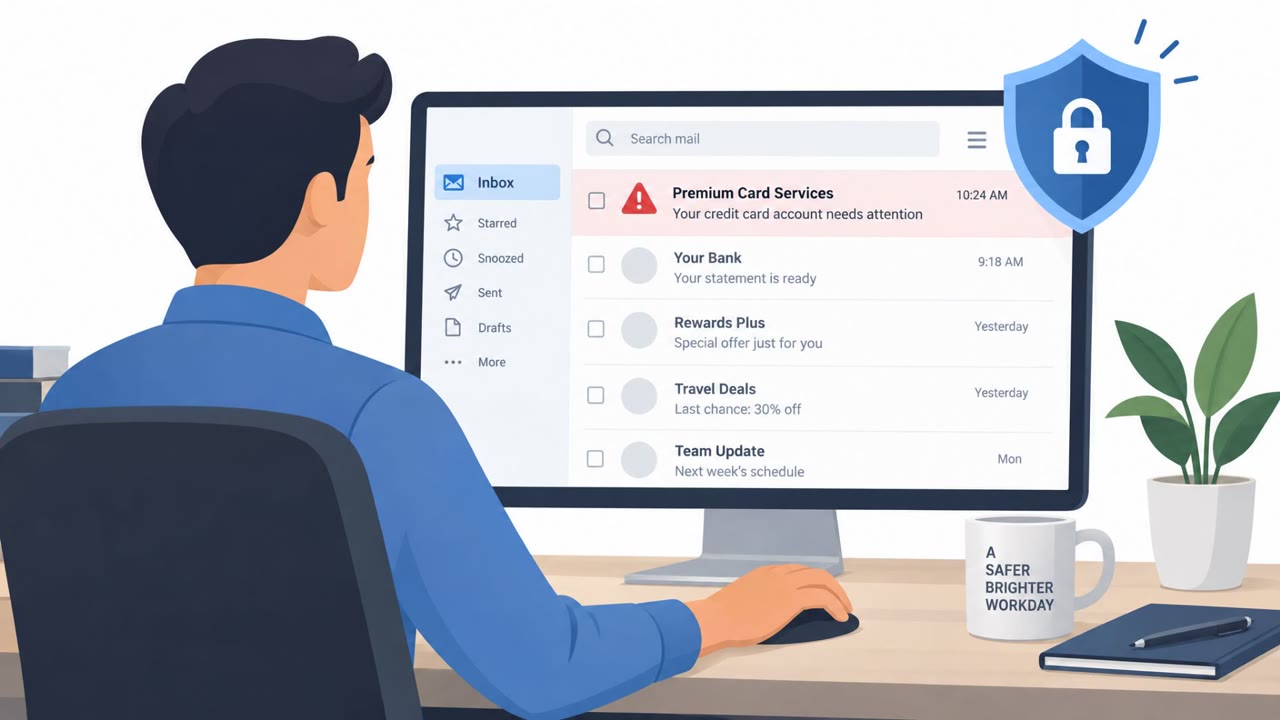
Breach Fuels 7.13M Fake Card Messages

Security Boulevard · Medium sophistication
Last updated November 19, 2026

Japan’s October 2026 incident surge included the compromise of email distribution providers holding millions of customer records. Attackers reportedly used Arara’s compromised email service to send 7.13 million fraudulent messages impersonating credit card companies, showing how a supplier breach can quickly become a large-scale phishing risk.

Key findings

  • Japan recorded 233 publicly disclosed cybersecurity incidents in October 2026, with approximately 185 million personal-information records exposed or potentially exposed.
  • Arara confirmed that attackers stole approximately 81.3 million email addresses, potentially affecting up to 380 corporate customers.
  • Attackers reportedly used the compromised Arara email distribution service to send up to 7.13 million fraudulent messages impersonating credit card companies between October 28 and October 30.
  • Ymir Link reported that attackers extracted approximately 47.9 million email-distribution records, with software exploitation, stolen session information, and misuse of CSV export functionality identified as contributing factors.
  • Stolen contact details and trusted email-delivery infrastructure can make follow-on impersonation and phishing campaigns more credible.

Who’s being targeted

  • Commonly targeted roles: All employees, Finance and accounts payable teams, Employees with corporate credit cards, Customer support teams, Marketing and customer communications teams, Vendor management teams, IT and security teams.
  • Affected industries: Email distribution services, Customer communications providers, Marketing services, Retail and consumer brands, Financial services, Technology and SaaS providers.
  • Attack channels: email.
  • Impersonated: Credit card company.

Awareness takeaways

  • Treat unexpected credit card notices as untrusted, even if they arrive through a familiar brand or email delivery service. Verify the issue by using the card issuer’s official website, app, or a known phone number rather than responding to the message.
  • Do not assume a message is safe simply because it appears to come from a trusted supplier, newsletter, or customer-communications platform.
  • Limit and monitor bulk data exports. Employees who manage customer communications or data platforms should report unusual exports, downloads, or account activity immediately.
  • Be alert to unusual account sessions, including unexpected device, location, or access changes, because a stolen session can let an attacker act as an already signed-in user.

Red flags to watch for

  • The sender or sending service may not match the credit card company’s official domain.
  • The message arrives unexpectedly and creates urgency around a card or account issue.
  • The recipient is asked to take action without independently verifying the notice through a known official channel.
Try Mirage

Mirage safely runs attacks like this one against your own team, so you find out what happens before a real adversary does.

Get a demo
Read the video transcript

A card alert lands in your inbox. Looks official? Here’s the catch: Arara’s email service was compromised. It was reportedly used to send up to 7.13 million fake credit card notices in three days. That’s the twist: a familiar delivery service can send a fake notice. Check the sender domain. Unexpected urgency about your card is another clue. Don’t use the email’s link. Open your card issuer’s app yourself and check there.

MITRE ATT&CK techniques

T1566 - PhishingT1656 - Impersonation

Similar attacks

Arara Breach Sends 7.13M Card Phishing Emails

Arara Breach Sends 7.13M Card Phishing Emails

Attackers compromised Arara Message, a Japanese email delivery platform, potentially exposing about 77 million email addresses across roughly 380 client companies. They then used the trusted service to send up to 7.13 million suspicious emails that impersonated credit card companies and asked…

November 3, 2026

Fake IT Support Calls Fueled $40.5M Ransomware Haul

Fake IT Support Calls Fueled $40.5M Ransomware Haul

Ukrainian police arrested four alleged members of a ransomware group that reportedly extorted more than $40.5 million from at least 28 companies. The group researched targets, then called employees while posing as IT support to obtain login credentials or persuade them to install remote-access…

November 19, 2026
Stolen School Logins Spread Phishing

Stolen School Logins Spread Phishing

MS-ISAC tracked attackers who used a phished K-12 staff account to send phishing messages to that employee’s contacts, including staff at other school districts. Because the messages came from legitimate, authenticated accounts, they could bypass normal email filters and help attackers move from…

October 29, 2026
Arara Breach Fuels Card-Brand Phishing

Arara Breach Fuels Card-Brand Phishing

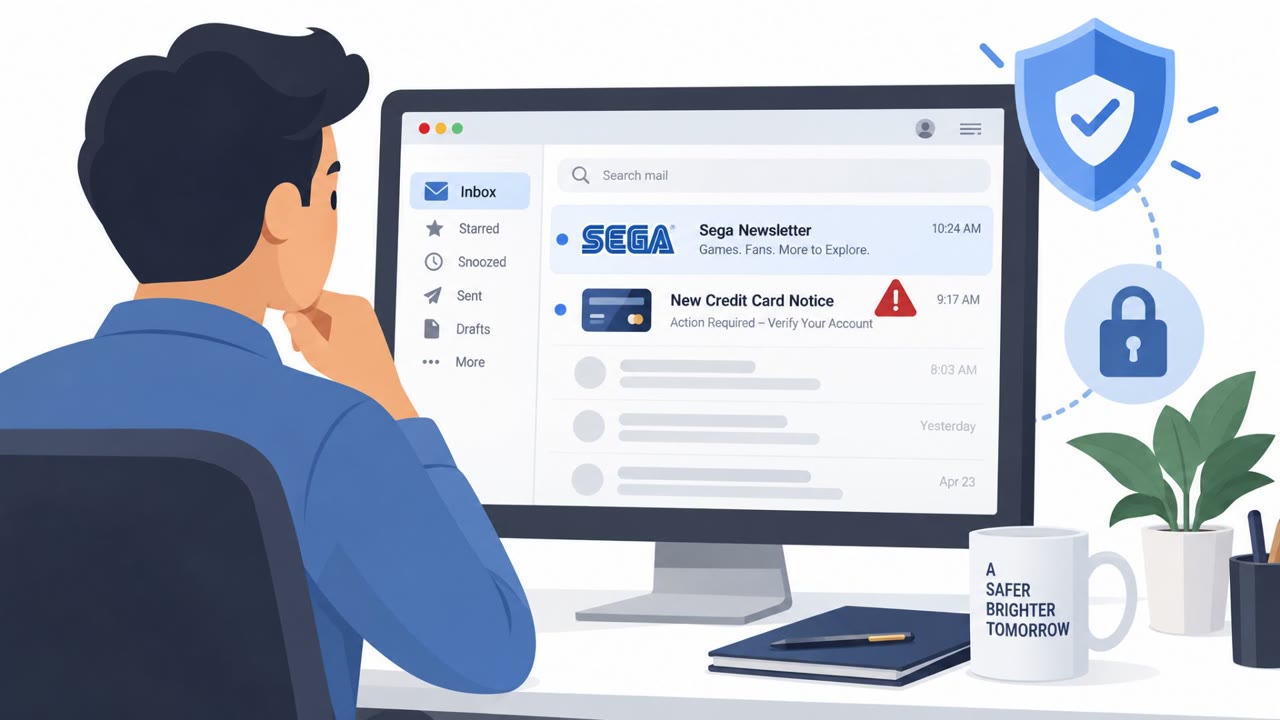
After attackers compromised newsletter provider Arara, they sent more than seven million emails pretending to come from credit card companies. The incident exposed Sega newsletter subscriber email addresses along with data from hundreds of other organizations, creating a credible opportunity for…

November 11, 2026
Five Active Phishing Lures Hit US Firms

Five Active Phishing Lures Hit US Firms

The article describes active campaigns that use familiar business documents, trusted file-sharing services, AI brands, and Microsoft sign-in flows to trick employees into granting account access. The most actionable patterns are phishing emails and document links that lead victims to Microsoft…

November 5, 2026
Gift Card Phishers Target Retail Staff

Gift Card Phishers Target Retail Staff

Retailers face a peak-season gift-card fraud campaign in which attackers use phishing emails and text messages to trick employees into giving up credentials. After gaining access, the attackers use cloud systems and sensitive data to issue unauthorized gift cards at scale and convert them into…

October 28, 2026