Arara Breach Fuels Card-Brand Phishing

IT Pro Security · Medium sophistication
Last updated November 11, 2026

After attackers compromised newsletter provider Arara, they sent more than seven million emails pretending to come from credit card companies. The incident exposed Sega newsletter subscriber email addresses along with data from hundreds of other organizations, creating a credible opportunity for targeted follow-up scams.

Key findings

  • Attackers compromised Arara's email distribution service through a web-server vulnerability and system-environment problems.
  • Arara said 77 million email addresses belonging to nearly 380 corporate clients were compromised.
  • The attackers sent more than seven million emails impersonating credit card companies in late October.
  • Sega said email addresses for 2.2 million newsletter subscribers were exposed, increasing the risk of convincing follow-up phishing.
  • The article warns that attackers may pose as Sega or send messages about the breach to obtain additional confidential, personal, or financial information.

Who’s being targeted

  • Commonly targeted roles: All employees, Finance teams, Customer support teams, Marketing and communications teams, Employees with corporate credit cards, Newsletter subscribers.
  • Affected industries: Gaming, Retail, Food service, Entertainment and cinemas, Telecommunications, Professional services.
  • Attack channels: email.
  • Impersonated: Credit card company, Sega.

Awareness takeaways

  • Treat unexpected credit-card messages as suspicious, particularly if they ask you to click a link or share account information. Navigate to the card provider through its official app or a known website instead.
  • Be especially cautious of emails about a publicized breach: attackers can use real incident details to make fake notices sound credible.
  • Do not click unsolicited links or attachments, reply to unexpected requests, or submit sensitive information based only on an email.

Red flags to watch for

  • An unexpected message claims to be from a credit card company.
  • The message pressures the recipient to click a link or disclose information.
  • The recipient did not initiate the account-related request.
  • The message is unsolicited even though it references a real breach.
  • It asks for sensitive information or directs the recipient to a link or attachment.
  • It tries to capitalize on urgency and uncertainty surrounding the incident.
Try Mirage

Mirage safely runs attacks like this one against your own team, so you find out what happens before a real adversary does.

Get a demo
Read the video transcript

A real breach can make a fake email feel personal. After Arara's email service was breached, more than seven million emails impersonated credit card companies. Sega newsletter addresses were exposed too. Next could be a 'Sega breach update.' That's the trick: real incident details, fake request. You didn't ask for an account review or a link. Don't use the email. Open your card provider's app or type its known website yourself.

Similar attacks

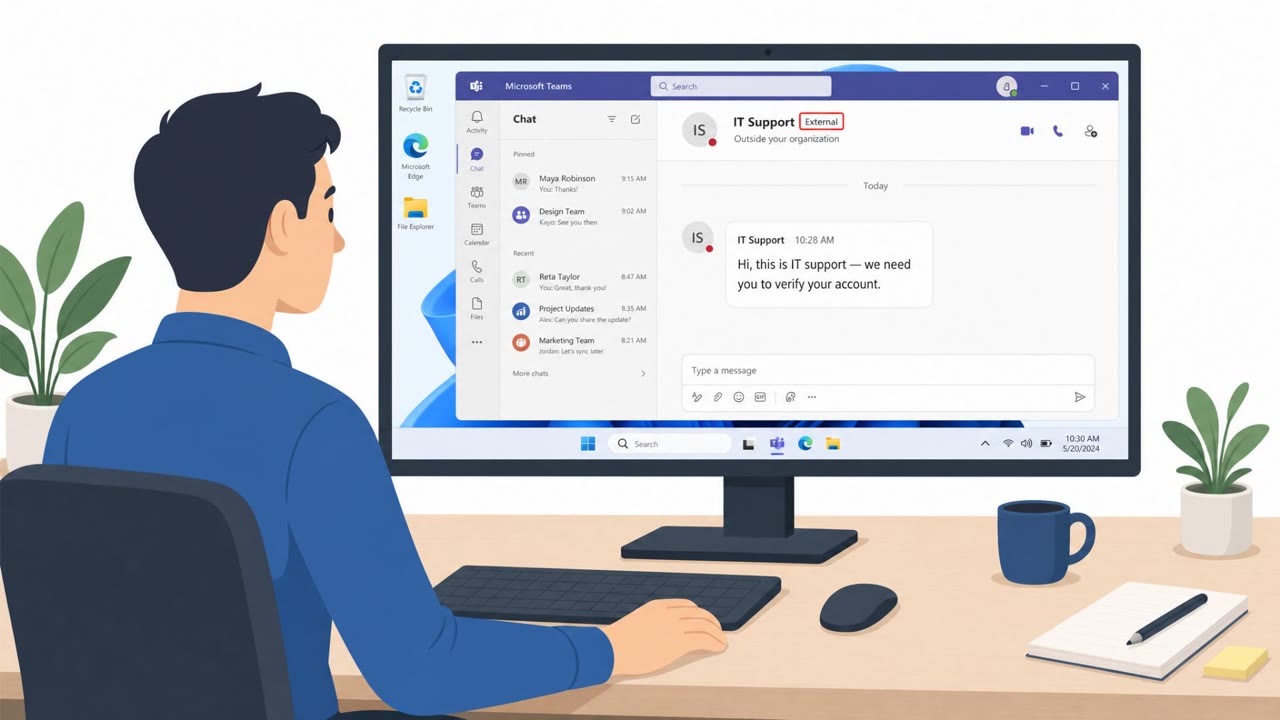
Attackers Phish via Teams & Slack, Not Email

Attackers Phish via Teams & Slack, Not Email

Research and incident examples show attackers increasingly using trusted collaboration tools (like Microsoft Teams and Slack) to impersonate IT/support or known community members, then push victims to phishing sites, approve MFA prompts, or run malicious files. Because messages come through…

August 20, 2026
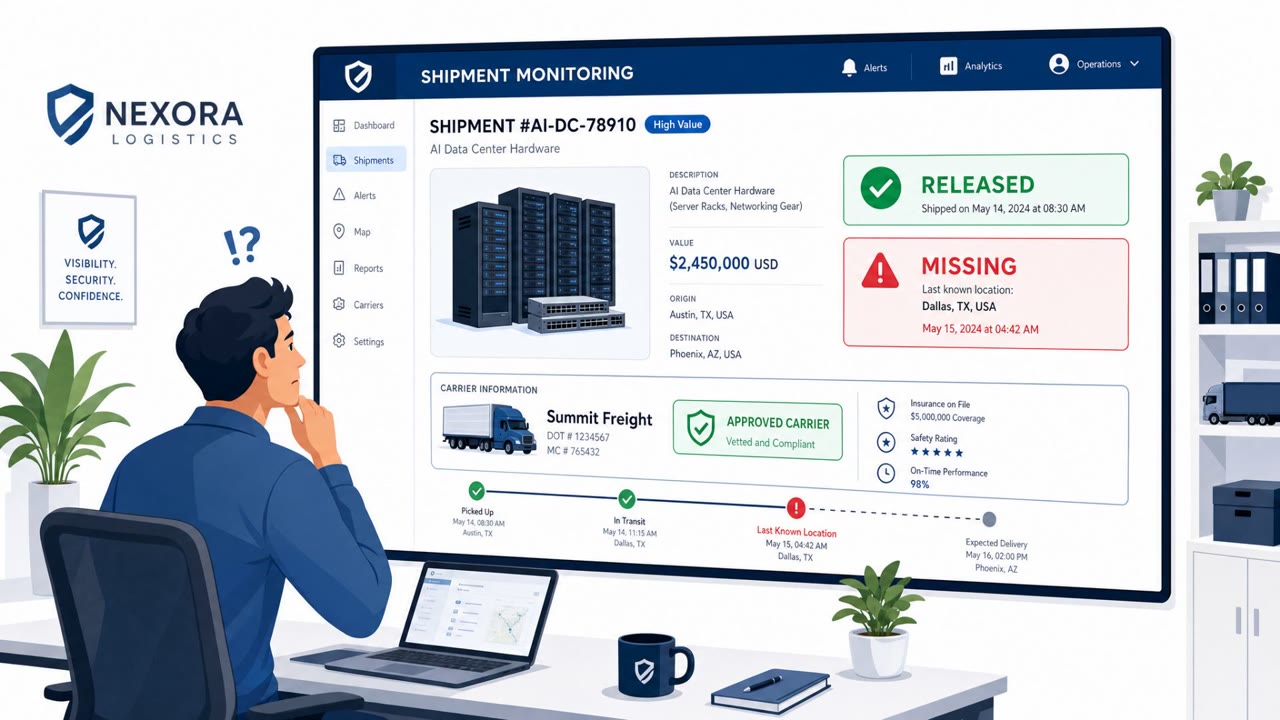
Freight Scammers Hijack Trucking Identities for AI Gear

Freight Scammers Hijack Trucking Identities for AI Gear

The article describes real cargo theft operations targeting high-value AI data center equipment, including cases where escort vehicles were deliberately disabled so shipments could disappear. It also explains a repeatable fraud workflow where criminals use phishing/social engineering to take over a…

August 12, 2026
North Korea Scales AI-Powered Job Scams

North Korea Scales AI-Powered Job Scams

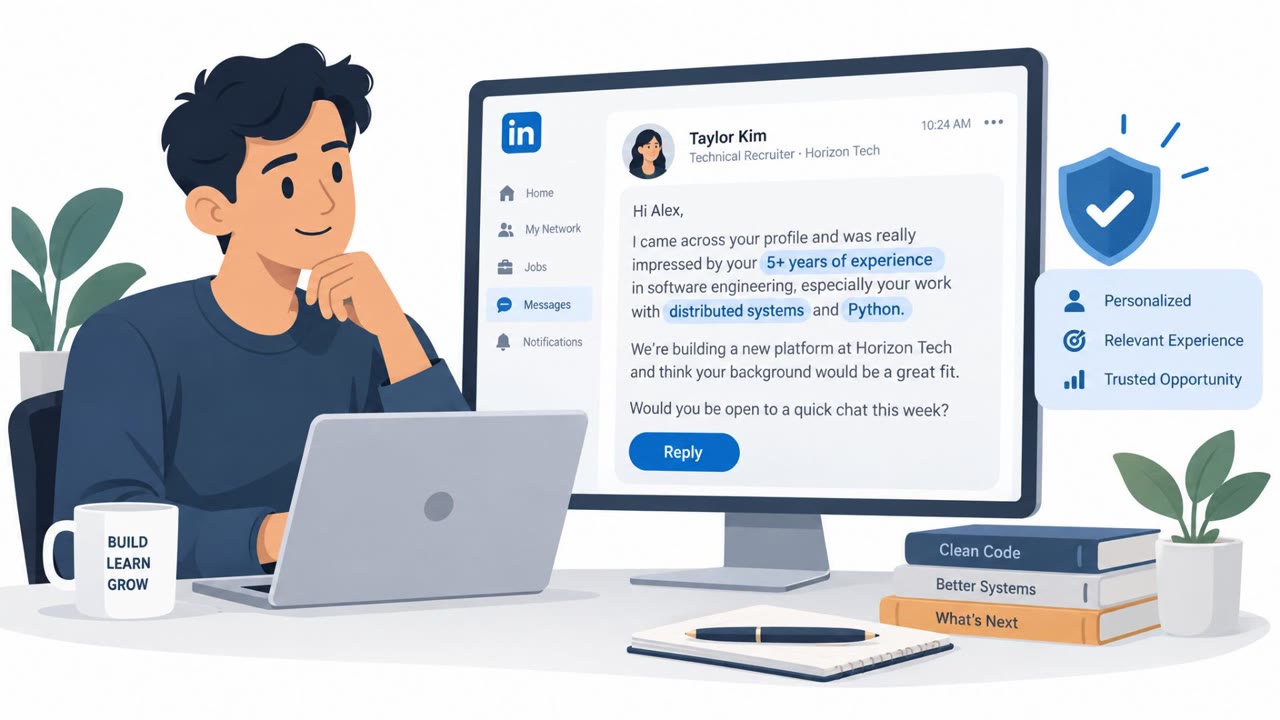
Microsoft reports that North Korean threat actors are using AI to make job scams, fake recruiter outreach, fraudulent worker identities, and targeted phishing campaigns faster and more convincing. One group posed as recruiters for a spoofed AI blockchain company and scheduled software-engineer…

October 29, 2026
Ransomware Crew’s Extortion Playbook Exposed

Ransomware Crew’s Extortion Playbook Exposed

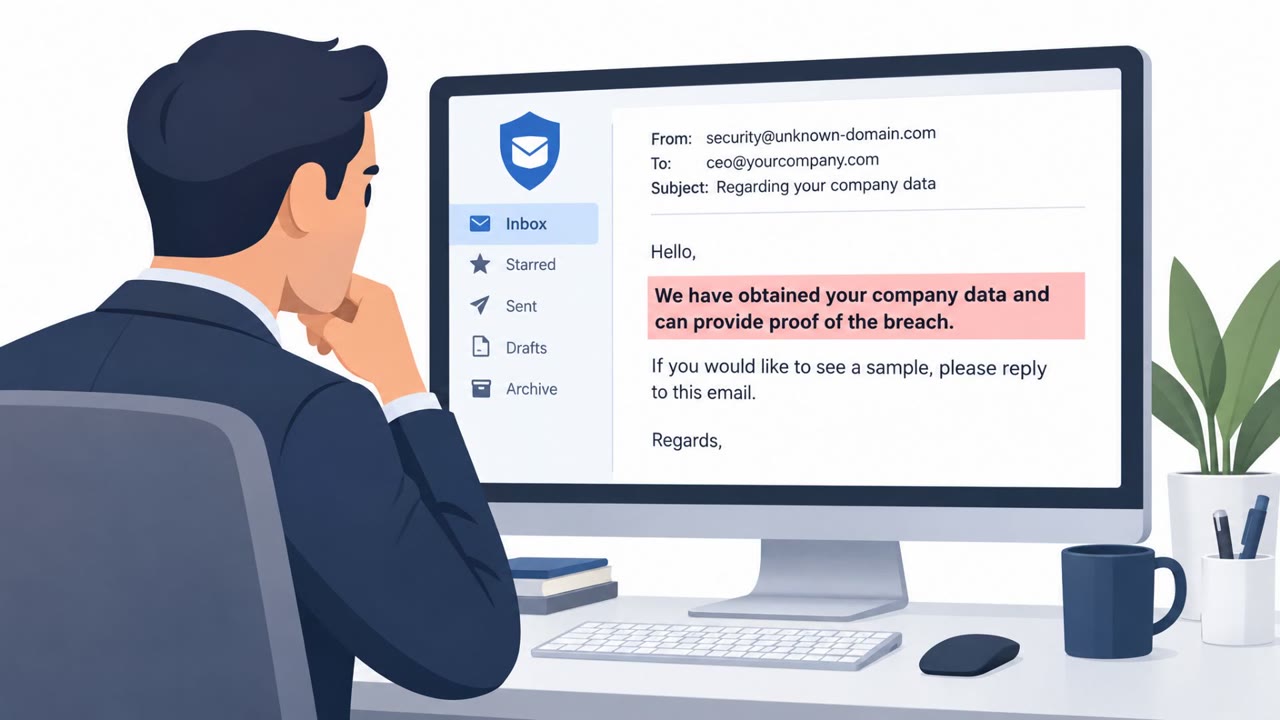
Researchers uncovered exposed infrastructure allegedly used by affiliates of INC Ransomware and The Gentlemen Ransomware. Alongside device exploits and ransomware tooling, the records describe a practical extortion workflow: direct emails to owners or executives, followed by voice calls, pressure…

October 20, 2026
ASOS Breach Began With Tricked Employee Login

ASOS Breach Began With Tricked Employee Login

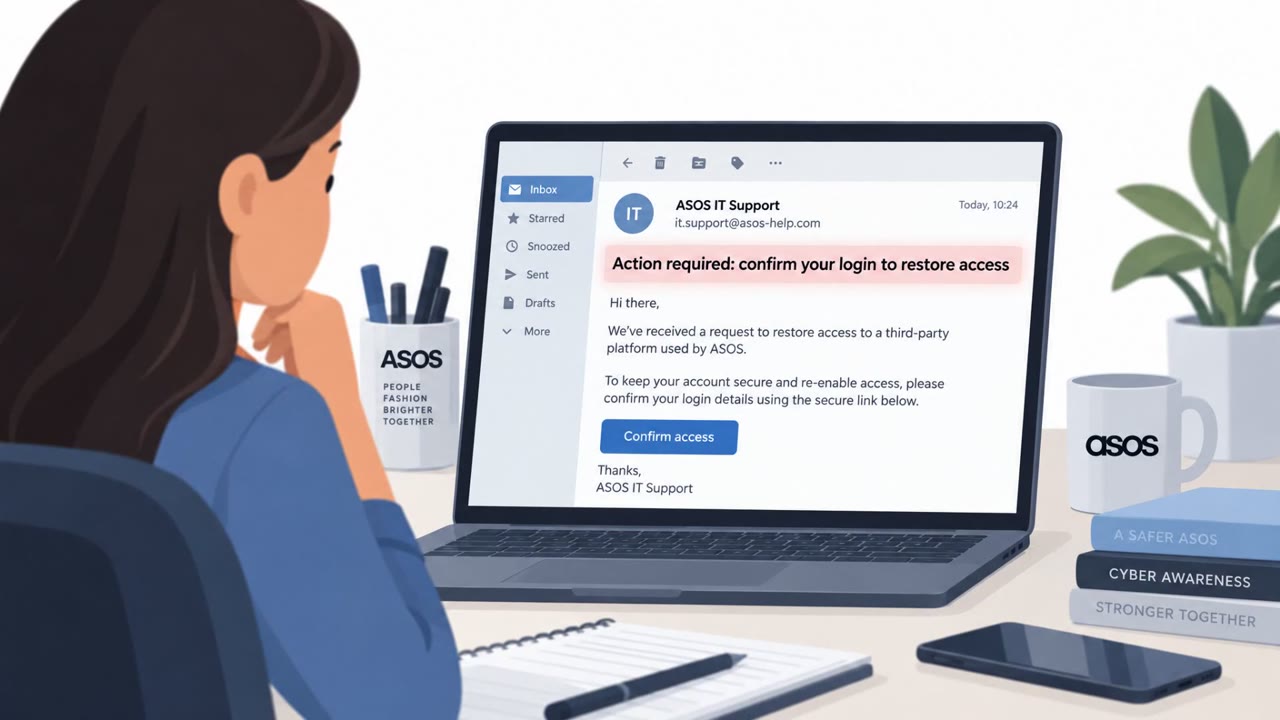
ASOS confirmed attackers got into customer-data systems after tricking an employee into handing over login credentials. Stolen data reportedly included not only names and contact details, but also customers’ shopping searches, which could enable highly convincing follow-on scams and phishing.…

October 9, 2026
Fake Brand Deals Steal YouTube Creator Accounts

Fake Brand Deals Steal YouTube Creator Accounts

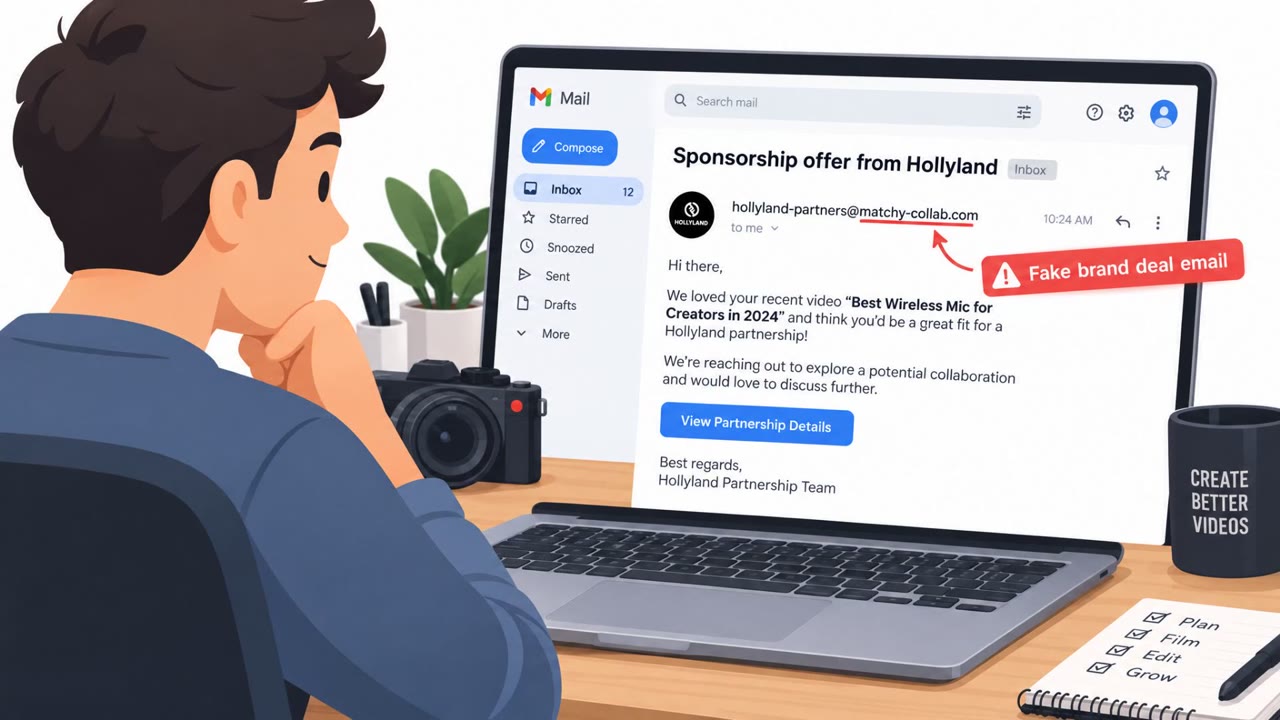
Scammers are targeting YouTube creators with personalized “sponsorship” emails that lead to a convincing fake collaboration website. The site pulls public channel data, then asks the creator to “Sign in with Google” to “verify” the channel, stealing the password and one-time code to take over Gmail…

October 8, 2026