ClickFix Abuse Turns Siemens Tool Into RAT Delivery

The Hacker News · High sophistication
Last updated October 20, 2026

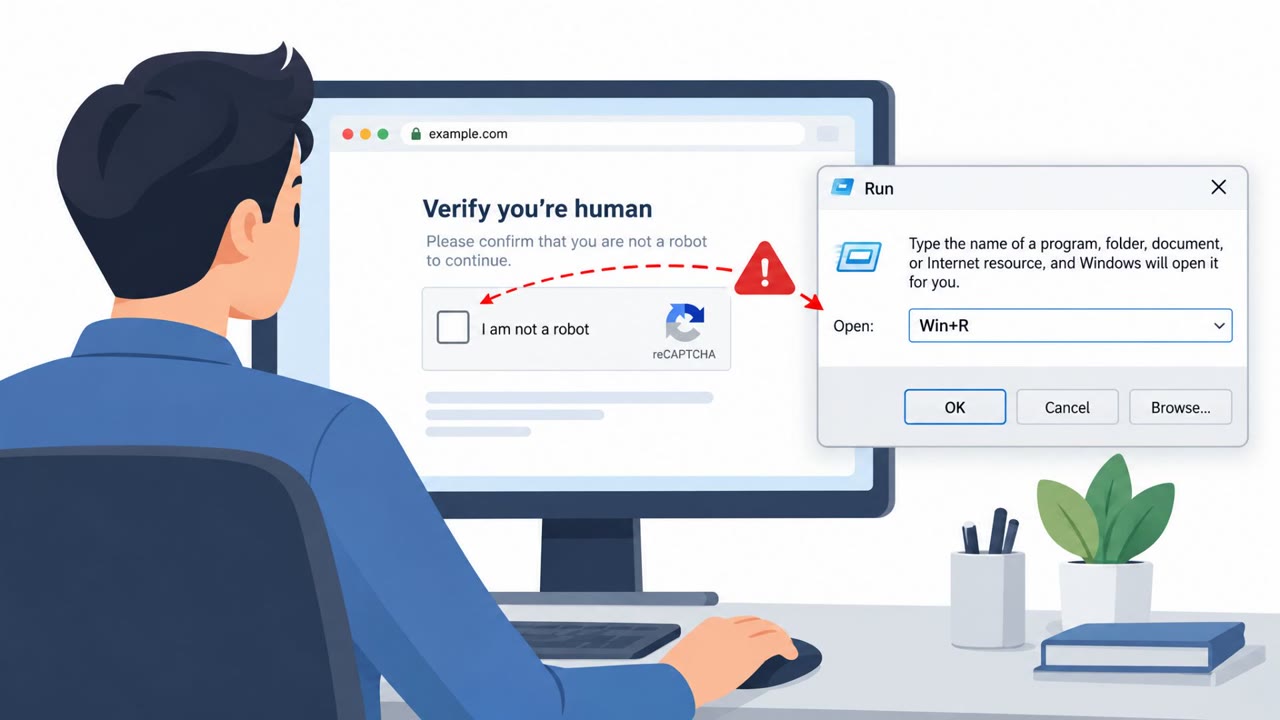
Attackers abused a trusted, signed Siemens Software Center program to run malicious code and install a remote access trojan. Victims were directed to a fake web address containing a ClickFix lure, where copying and running the displayed content launched PowerShell and an installer that exploited the Siemens software flaw.

Key findings

  • Attackers exploited CVE-2026-110936, a DLL sideloading issue in Siemens Software Center, to execute malicious code through a trusted signed application.
  • Campaigns used malicious ChatGPT Custom GPTs to send victims to a fake URL hosting a ClickFix lure.
  • When victims copied and executed the ClickFix content, PowerShell dropped an MSI installer that launched SiemensSoftwareCenter.exe alongside a malicious archive.dll file.
  • The activity was attributed to the Romulus ClickFix delivery platform and was associated with Legion Loader and other malware delivery activity.
  • Siemens advised updating Software Center to version 4.0.9.8 or later and investigating SiemensSoftwareCenter.exe launched from AppData\Local\Programs by msiexec.exe.

Who’s being targeted

  • Commonly targeted roles: Employees using Siemens Software Center, Engineering teams, Industrial operations staff, Manufacturing IT teams, Help desk and desktop support teams.
  • Affected industries: Manufacturing, Industrial automation, Engineering, Organizations using Siemens Software Center.
  • Attack channels: website.
  • Impersonated: Not specified in the article; a fake URL hosts the ClickFix lure..

Awareness takeaways

  • Do not copy and run commands, scripts, or text from a web page or AI assistant unless the request has been independently verified through an approved support channel.
  • Treat unexpected links from AI tools, search results, or web pages as untrusted, especially when they lead to a page requesting software installation or command execution.
  • Keep Siemens Software Center updated and report or investigate unexpected installer activity involving SiemensSoftwareCenter.exe.
  • Do not assume a signed or familiar application is safe when it is launched from an unusual folder or alongside unexpected files.

Red flags to watch for

  • A Custom GPT or web page directs the user to an unfamiliar or fake URL.
  • The page asks the user to copy and run commands or text.
  • A supposedly routine action requires running PowerShell or an installer.
Try Mirage

Mirage safely runs attacks like this one against your own team, so you find out what happens before a real adversary does.

Get a demo
Read the video transcript

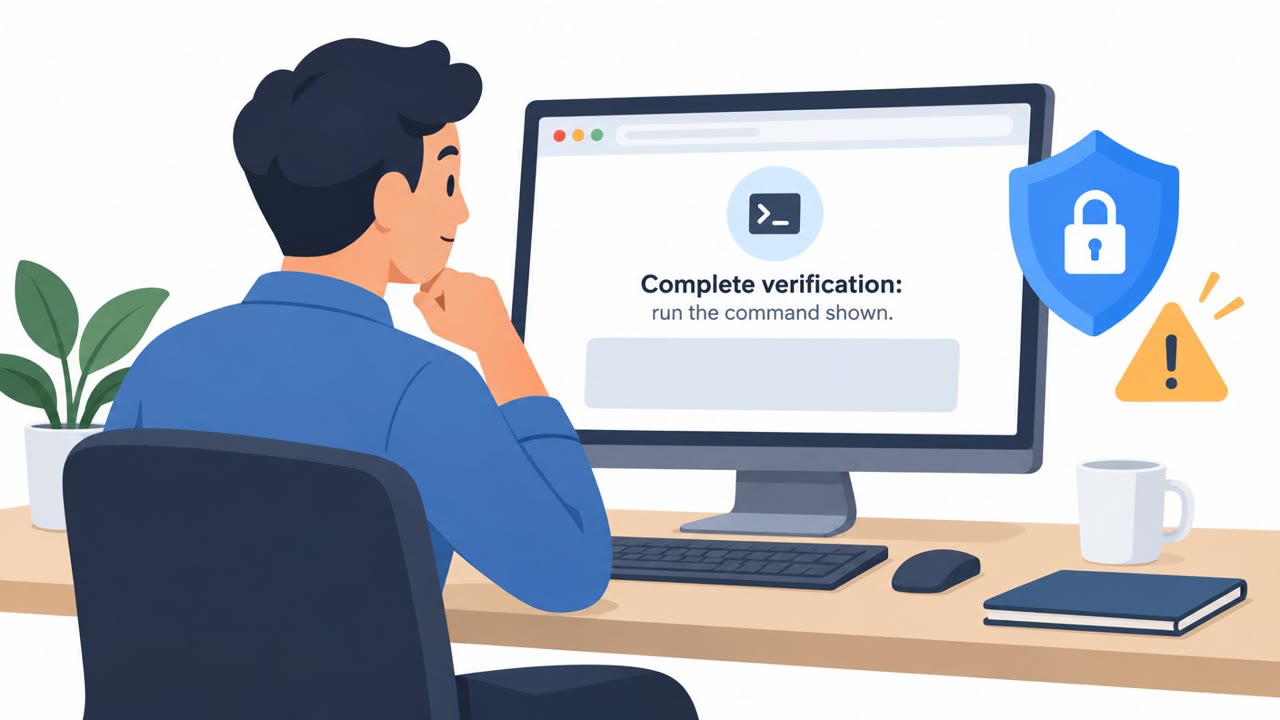
A ChatGPT Custom GPT sends you to a link. The page says: “Copy and execute.” That’s ClickFix. Running the text starts PowerShell, which downloads an MSI installer. It launches Siemens Software Center beside a malicious file called archive.dll. Here’s the trap: SiemensSoftwareCenter.exe is genuinely signed. But the installer uses a DLL sideloading flaw to run archive.dll and deliver a remote access trojan. If a page or AI assistant tells you to run text, don’t. Check the request with approved support first.

Similar attacks

ClickFix Campaign Abuses Trusted Siemens Tool

ClickFix Campaign Abuses Trusted Siemens Tool

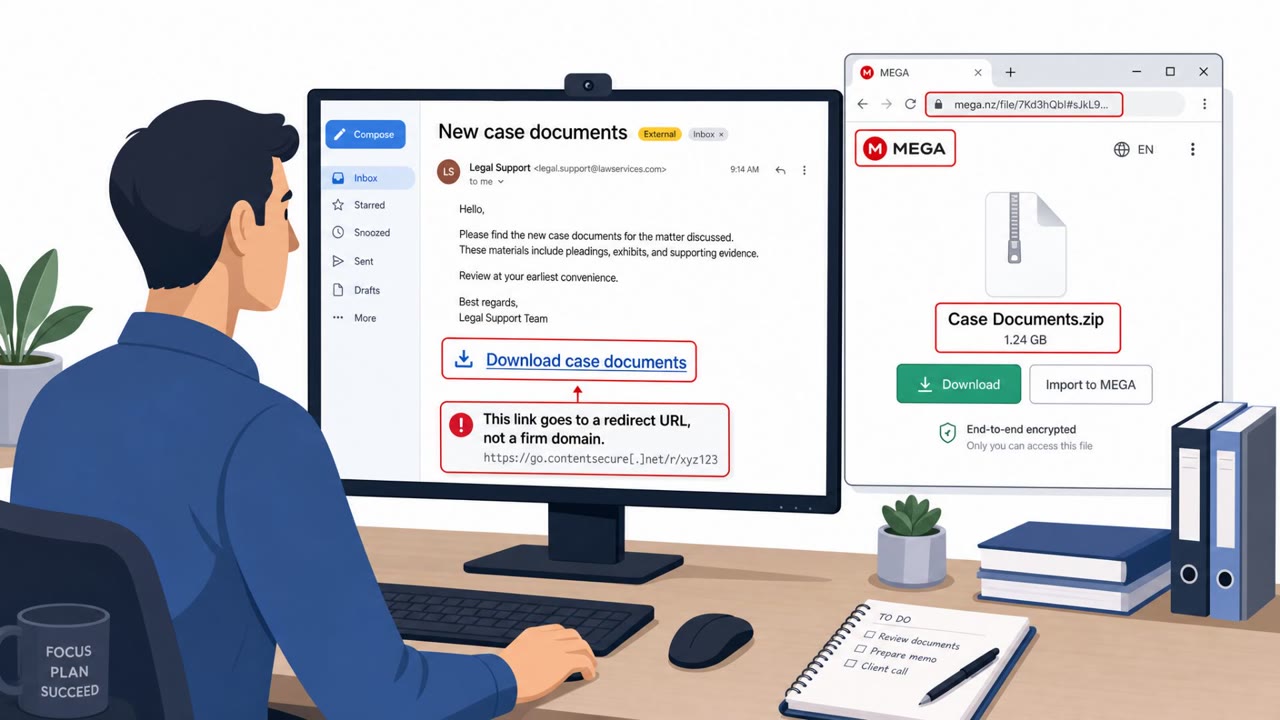
Attackers are using a fake or trojanized Siemens Software Center installer to trick people into manually pasting malicious commands into Windows. The campaign abuses a familiar “I am not a robot” style prompt and a trusted, signed Siemens program to make the attack appear legitimate.

October 20, 2026
ROMULUS ClickFix Lures Deliver Legion Loader

ROMULUS ClickFix Lures Deliver Legion Loader

Researchers found ROMULUS, a malware-delivery platform that uses fake web pages and ClickFix-style prompts to persuade people to run harmful commands themselves. The platform can deliver Legion Loader and other malware through a PowerShell script, showing how a seemingly routine verification or fix…

October 20, 2026
Law Firm Hit by Phish Using Fake Python Runtime

Law Firm Hit by Phish Using Fake Python Runtime

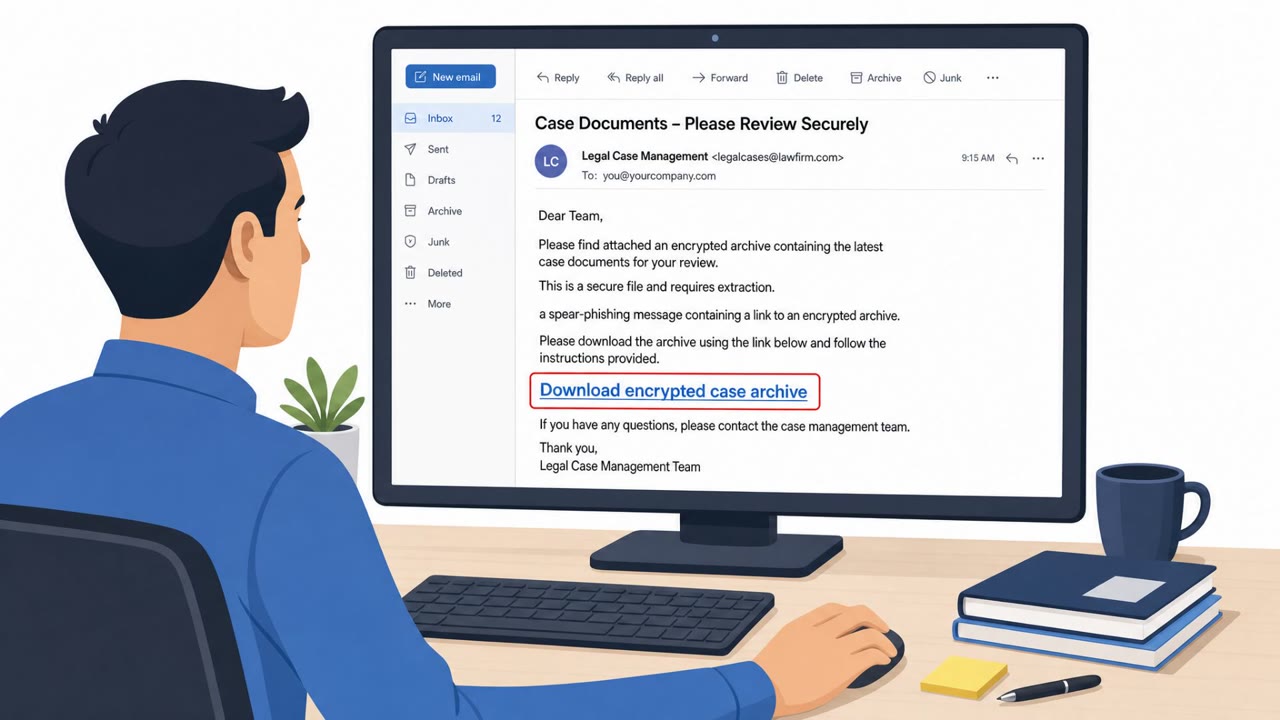
Researchers say a law firm was targeted with a spear‑phishing email that led staff to download an encrypted archive containing a Windows shortcut labeled like legal case files. After the user ran it and approved admin rights, the malware told Microsoft Defender to ignore a folder and a fake…

August 3, 2026
“Case Documents” Lure Hits Law Firm via LNK

“Case Documents” Lure Hits Law Firm via LNK

Researchers reported a real spear‑phishing intrusion against a law firm where attackers sent a message with a link to an encrypted archive. The archive contained a Windows shortcut (LNK) disguised as “Case Documents,” and running it launched a multi‑stage loader (“HollowFrame”) that ultimately…

July 31, 2026
Discord RAT Spread via Fake Docs and LNK Files

Discord RAT Spread via Fake Docs and LNK Files

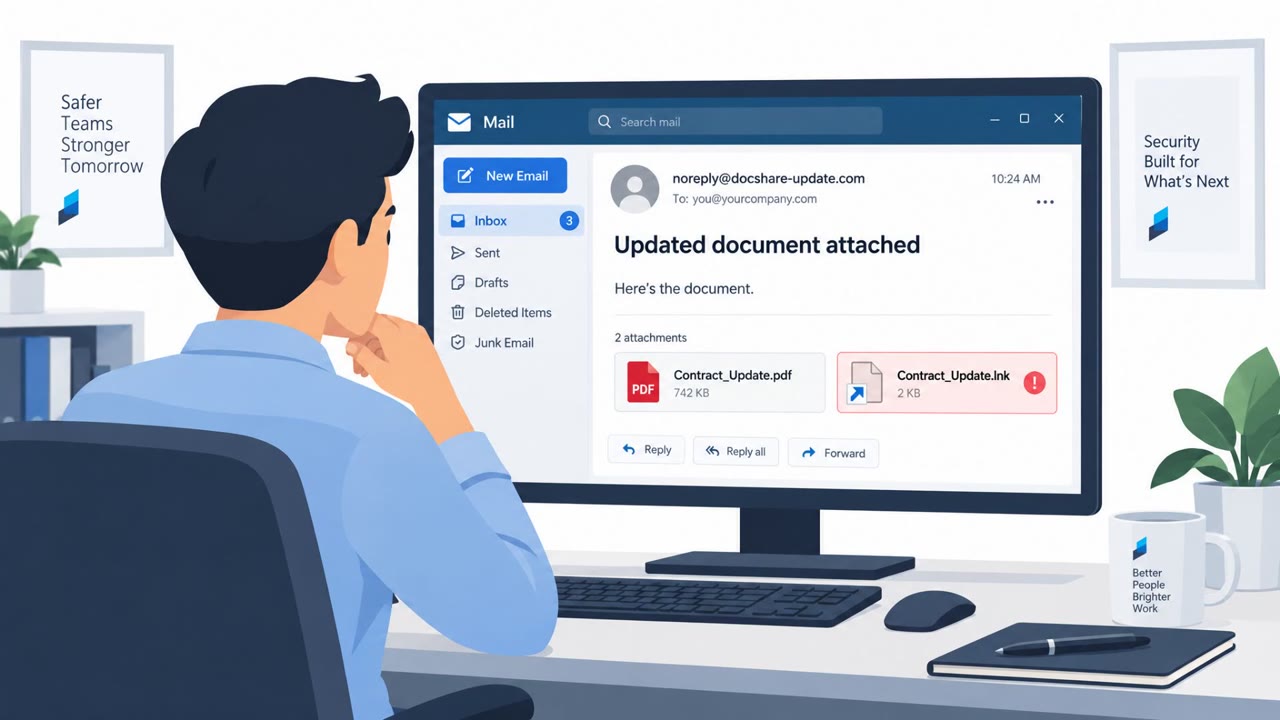
A Rust-based remote access trojan (CikaBika Bot) was delivered using a document-themed lure that included a malicious Windows shortcut (LNK) and a PDF containing an embedded payload. Once installed, it used Discord as its command-and-control channel to run commands, collect information, and steal…

October 15, 2026
Discord RAT Delivered via Fake Word LNK

Discord RAT Delivered via Fake Word LNK

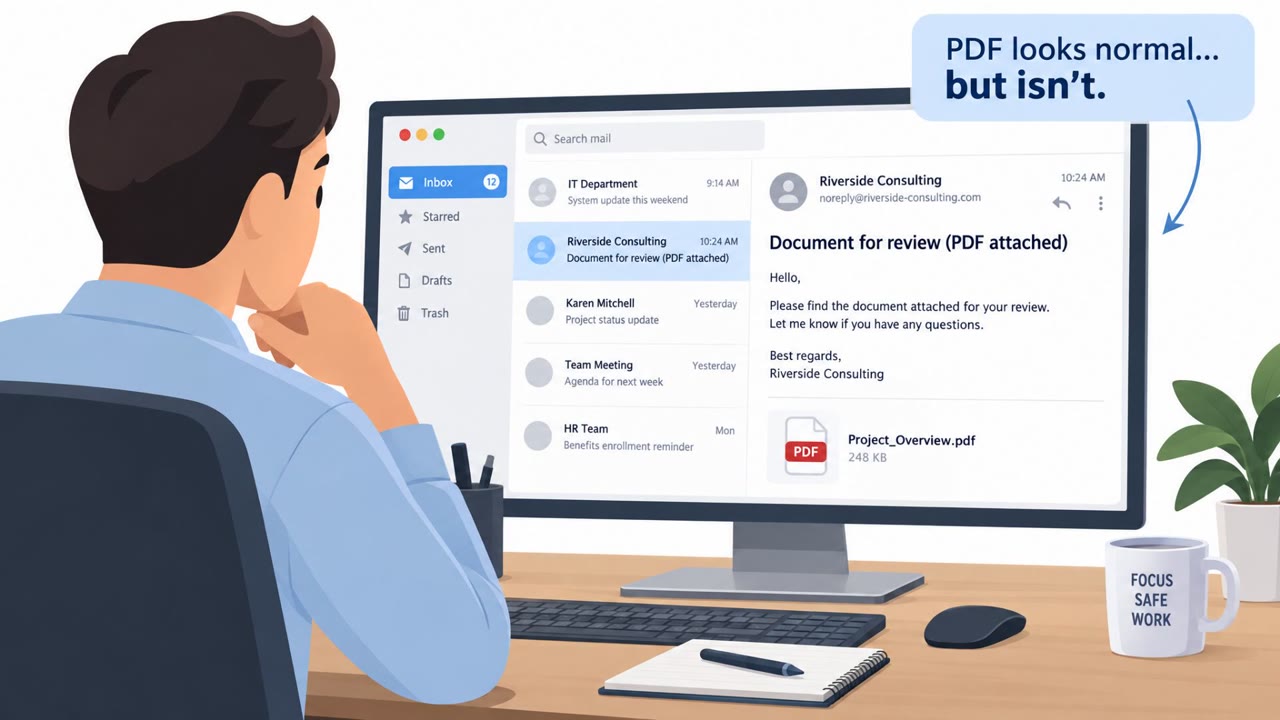
Researchers described a real malware campaign where victims are tricked into opening a document-themed attachment that ultimately installs a remote access trojan (RAT). The infection chain uses a PDF that leads to a disk image containing a Windows shortcut (LNK) disguised as a Word document, which…

October 15, 2026