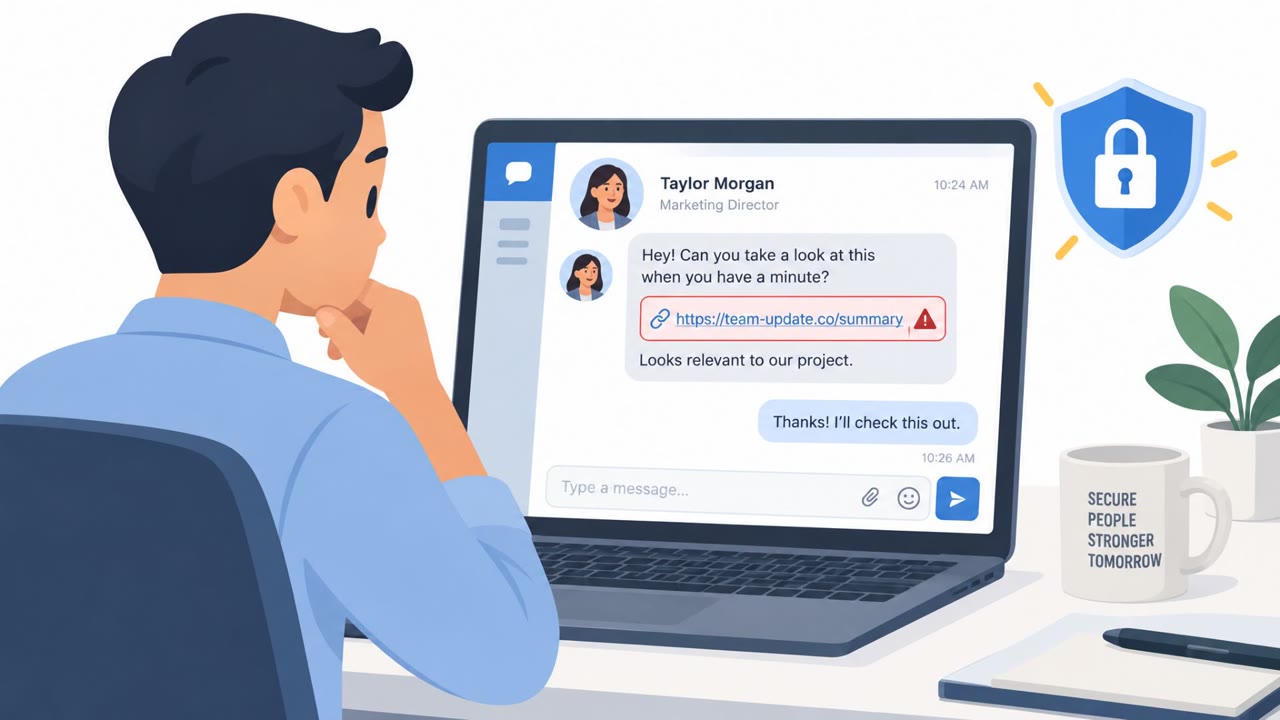
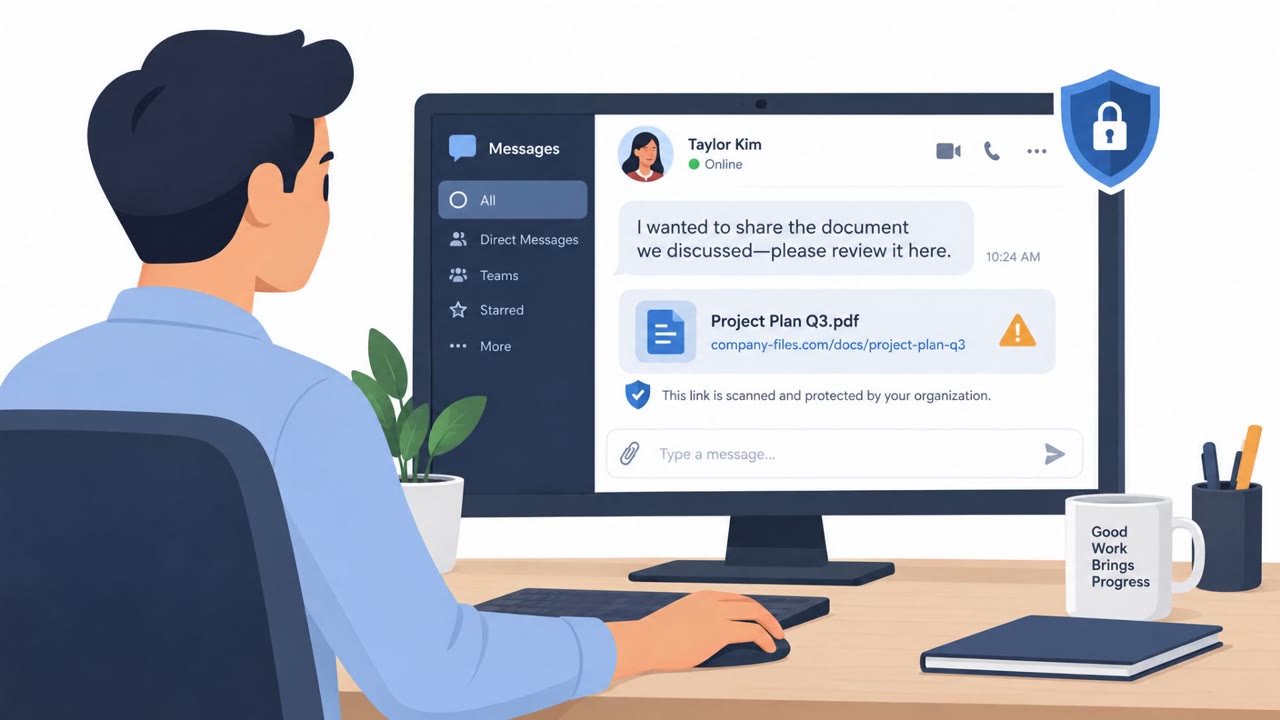
Russian-linked attackers known as Cold Relic reportedly used a compromised cloud administrator account to collect employee and business information from one organization. They then impersonated one of its employees to socially engineer a person at a second organization, turning trusted business relationships into an attack path.
How the attack worked
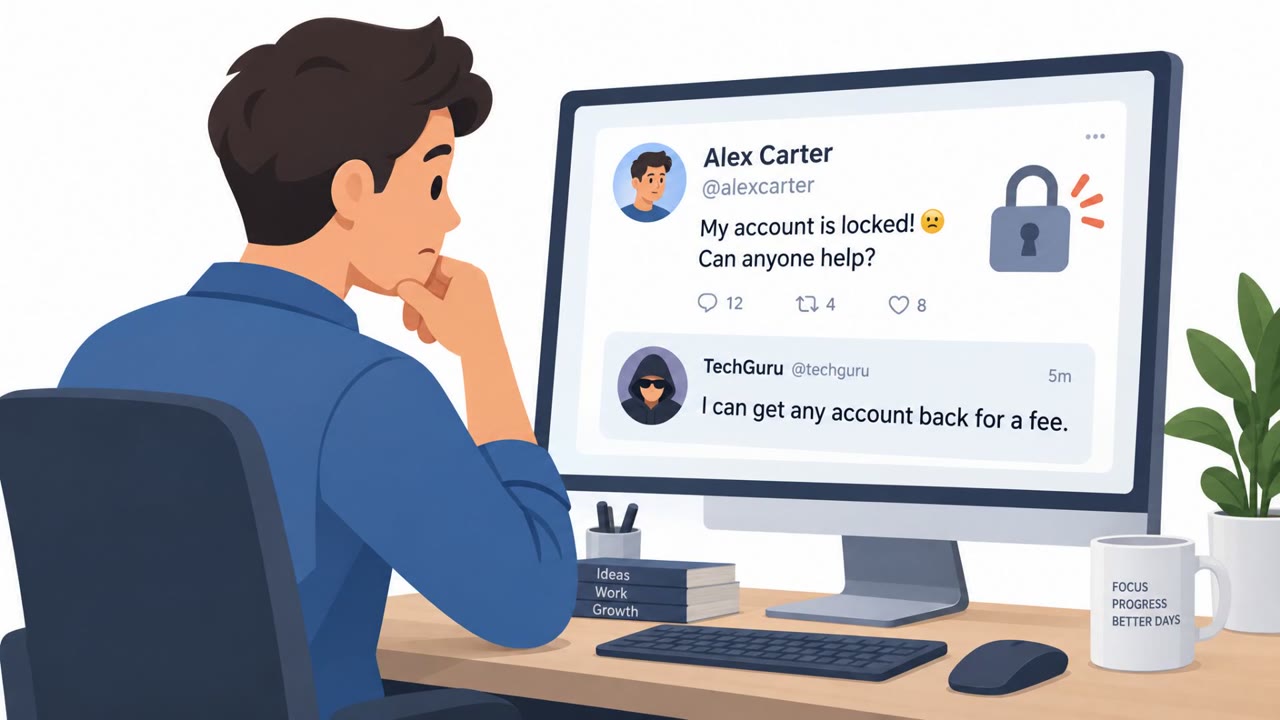
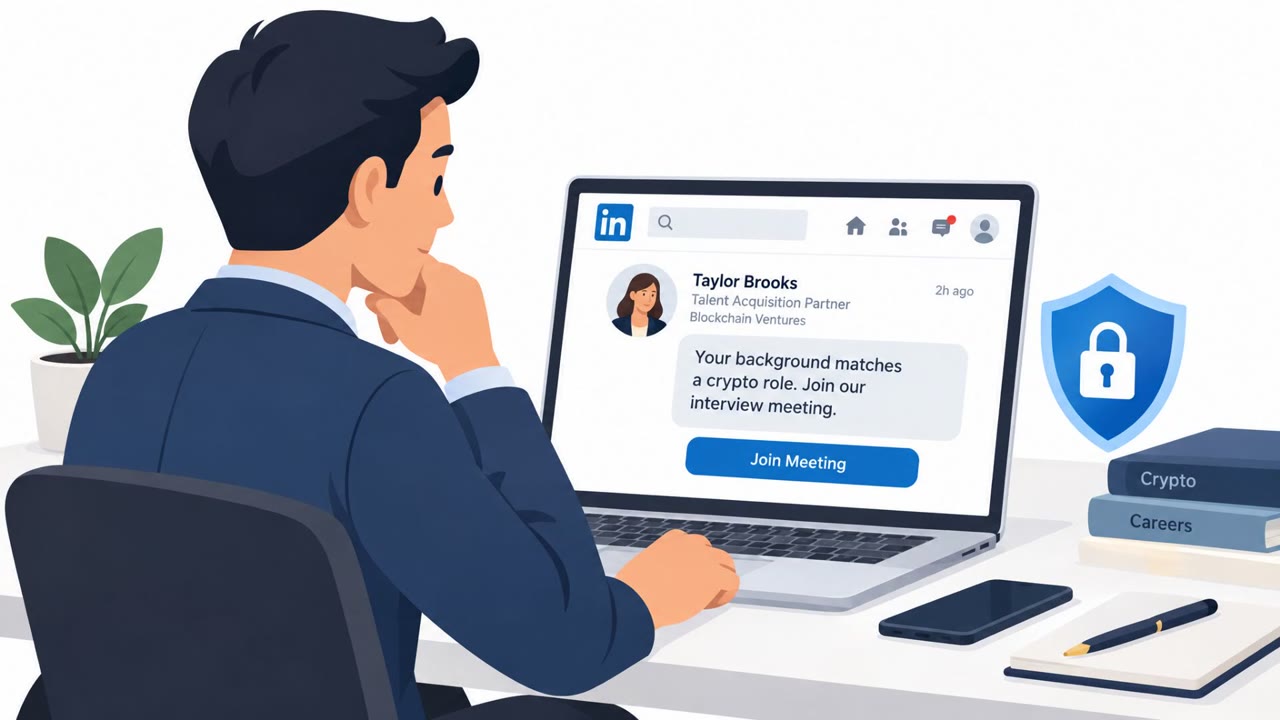
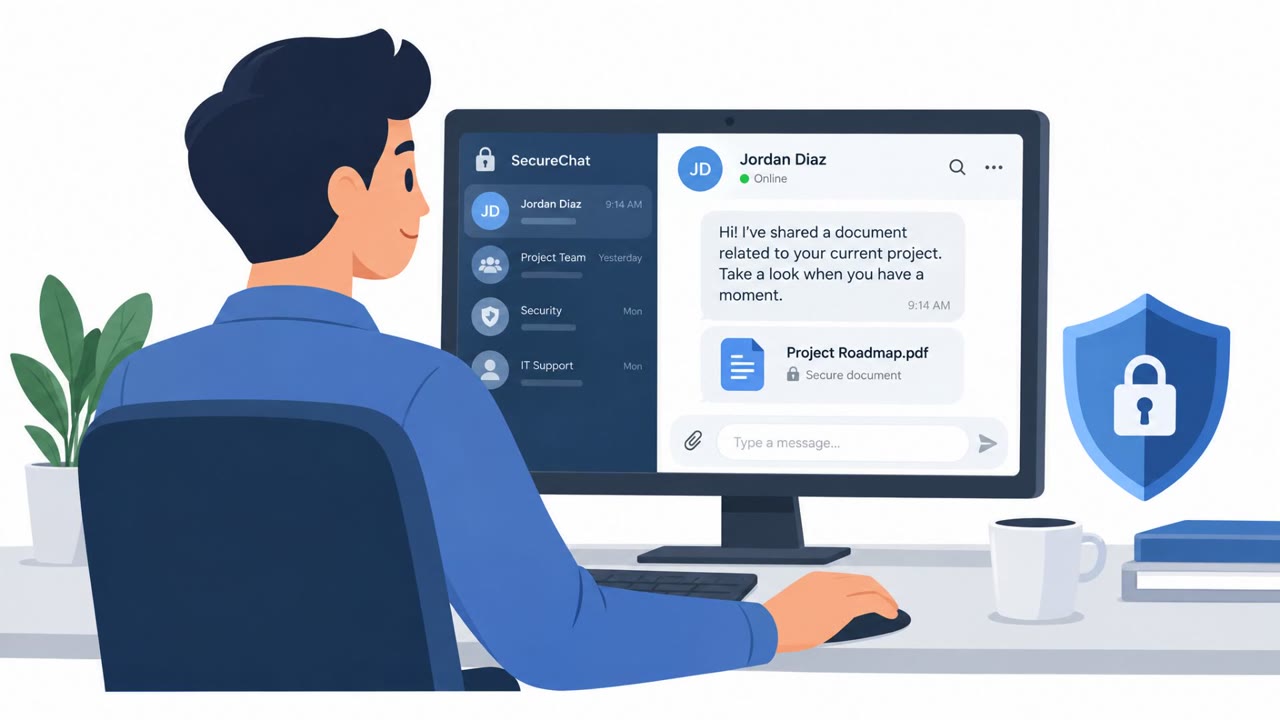
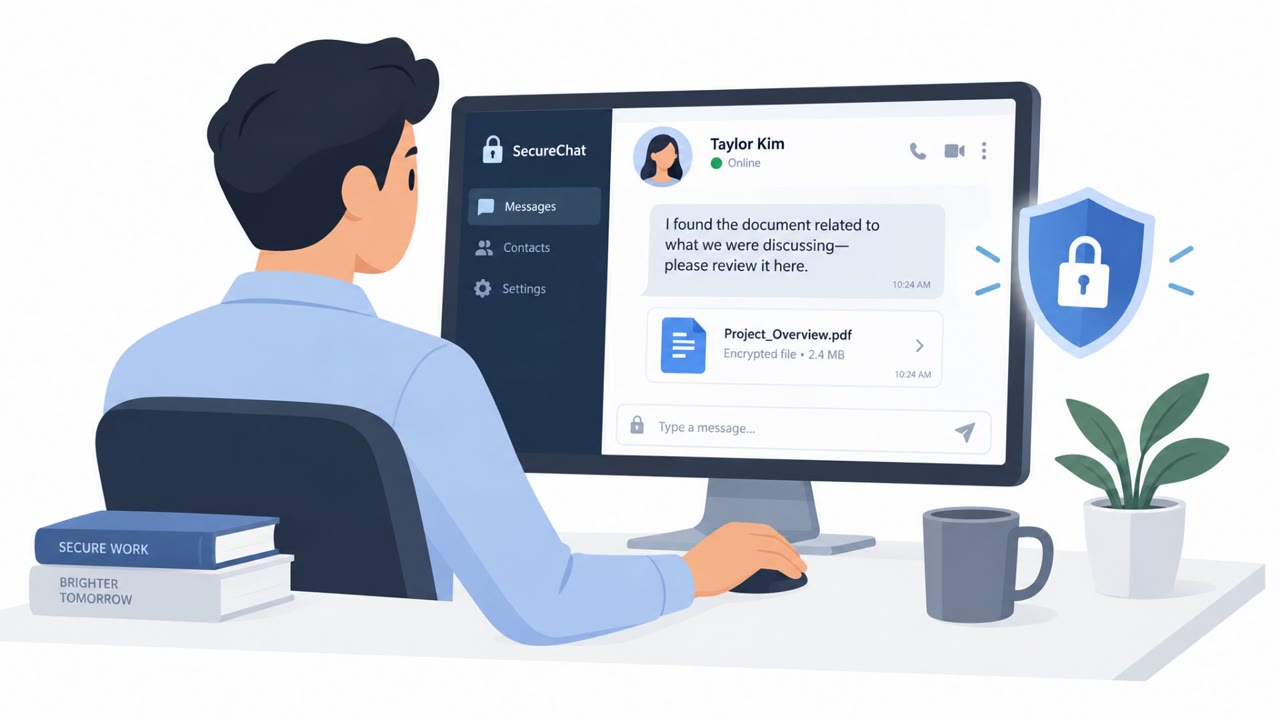
According to reported findings, the group known as Cold Relic took control of a cloud administrator account during an intrusion observed late last year. From that access they harvested internal communications, employee details, and other organizational records. Rather than acting on that information immediately against the breached organization, the attackers reportedly reused it to impersonate an employee of that organization and approach an individual at a second, separate organization.
This turns a single cloud identity compromise into a springboard for a second, independent social engineering attempt against an organization that may have had no direct security weakness of its own. The trusted relationship between the two organizations became the attack path.
Why it succeeded
The effectiveness of this approach comes from the quality of the stolen material. Internal communications, employee names, and operational records allow an impersonator to sound like a genuine colleague or partner rather than a generic scammer. A message built on real internal-looking details is far more likely to pass a casual credibility check than a cold, poorly informed phishing attempt.
Because the relationship between the two organizations was already established and trusted, the target had less reason to question an unexpected message that appeared to come from a known partner contact.
What to watch for
- An unexpected request that appears to come from a known partner employee, especially if it pushes for quick action
- A message that uses internal-looking employee names, project details, or operational information to establish credibility
- A request that cannot be confirmed through a known, independent contact method
- Any shift in tone, urgency, or payment or data-sharing instructions from a partner contact
Building resistance
Organizations and employees who regularly work with external partners, including account managers, finance and procurement staff, and operations teams, should treat unexpected requests as potentially fraudulent even when they include accurate business or employee details. Sensitive or unusual requests should be verified through a known phone number or another independent channel rather than the contact information provided in the message itself.
On the identity side, limiting and closely monitoring access to cloud administrator accounts, and protecting internal directories, communications, and personnel records, reduces the raw material available for this kind of impersonation. This reported activity illustrates how cloud identity abuse and human-centric social engineering can be combined, meaning both technical access controls and employee verification habits matter in defending against it.
Key findings
- Cold Relic reportedly took control of a cloud administrator account during an intrusion observed late last year.
- The attackers collected internal communications, employee details, and other organizational records.
- They used the stolen organizational information to impersonate an employee and target an individual at a second organization.
- The reported activity shows how compromised cloud identities and trusted business relationships can be used together for social engineering.
Who’s being targeted
- Commonly targeted roles: Employees who communicate with customers, suppliers, and partners, Finance and procurement teams, Account managers, Operations teams, Cloud administrators, Identity and access management teams.
- Affected industries: Organizations with cloud environments, Organizations that share trusted business relationships with partners and suppliers.
- Impersonated: An employee of a trusted partner organization.
Red flags to watch for
- An unexpected request that appears to come from a known partner employee
- A message that uses internal-looking employee or operational details to establish trust
- A request that cannot be confirmed through a known, independent contact method
Frequently asked questions
How did attackers use a cloud breach to impersonate a trusted partner?
Attackers reportedly gained control of a cloud administrator account, harvested internal communications and employee details, then used that information to impersonate an employee of the compromised organization when contacting a person at a second organization.
Why is this type of attack hard to detect?
Because the impersonation uses accurate internal-looking employee and operational details stolen from a real cloud breach, the message can appear far more credible than a typical generic phishing attempt.
What should employees do if a partner sends an unexpected request?
Verify the request through a known, independent contact method such as an established phone number rather than replying to the contact details in the message itself, even if the message contains accurate details.
Who is most at risk from this kind of attack?
Employees who regularly communicate with partners and suppliers, including account managers, finance and procurement staff, operations teams, and cloud and identity administrators.
Read the video transcript
A partner knows your project. Does that prove it’s them? Cold Relic reportedly took over a cloud administrator account, gathered internal messages and employee records, then posed as that organization’s employee to contact someone at a partner. The message says, ‘I’m reaching out regarding our ongoing work together.’ It names real colleagues, then makes an unexpected request. Aha: accurate details can be stolen details. Before acting, call your partner using the number you already have, not one in that message.