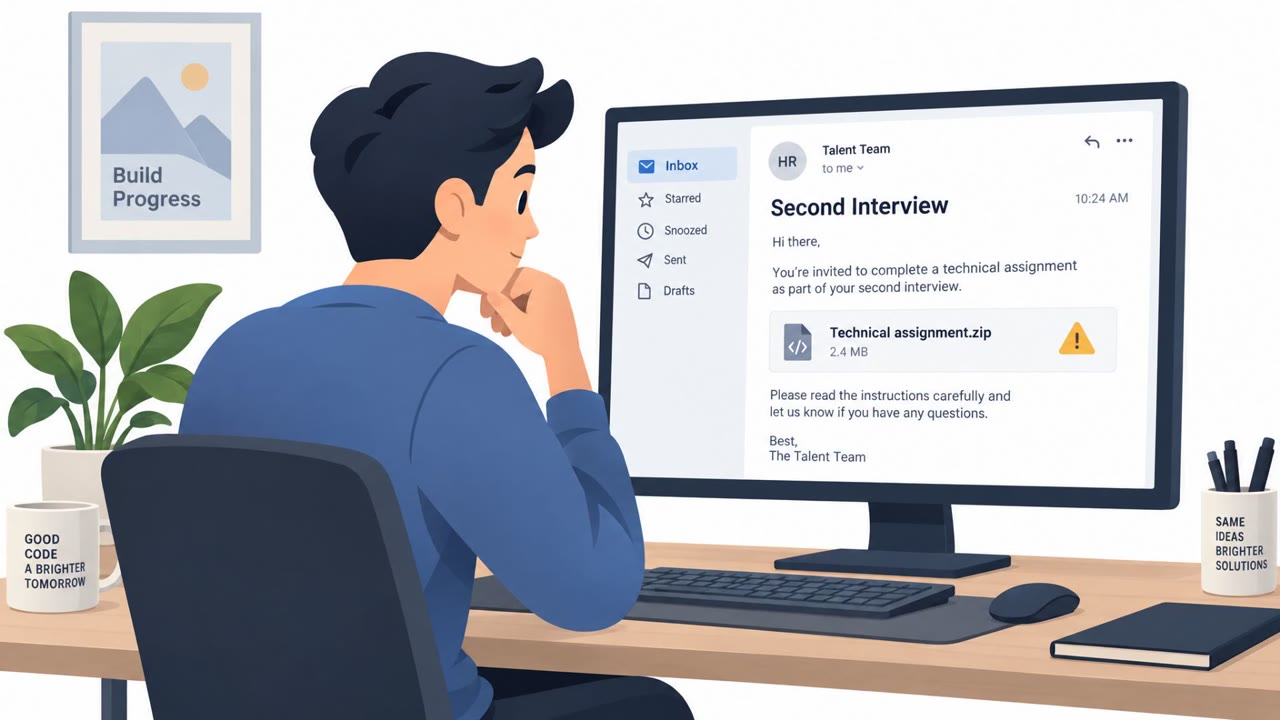
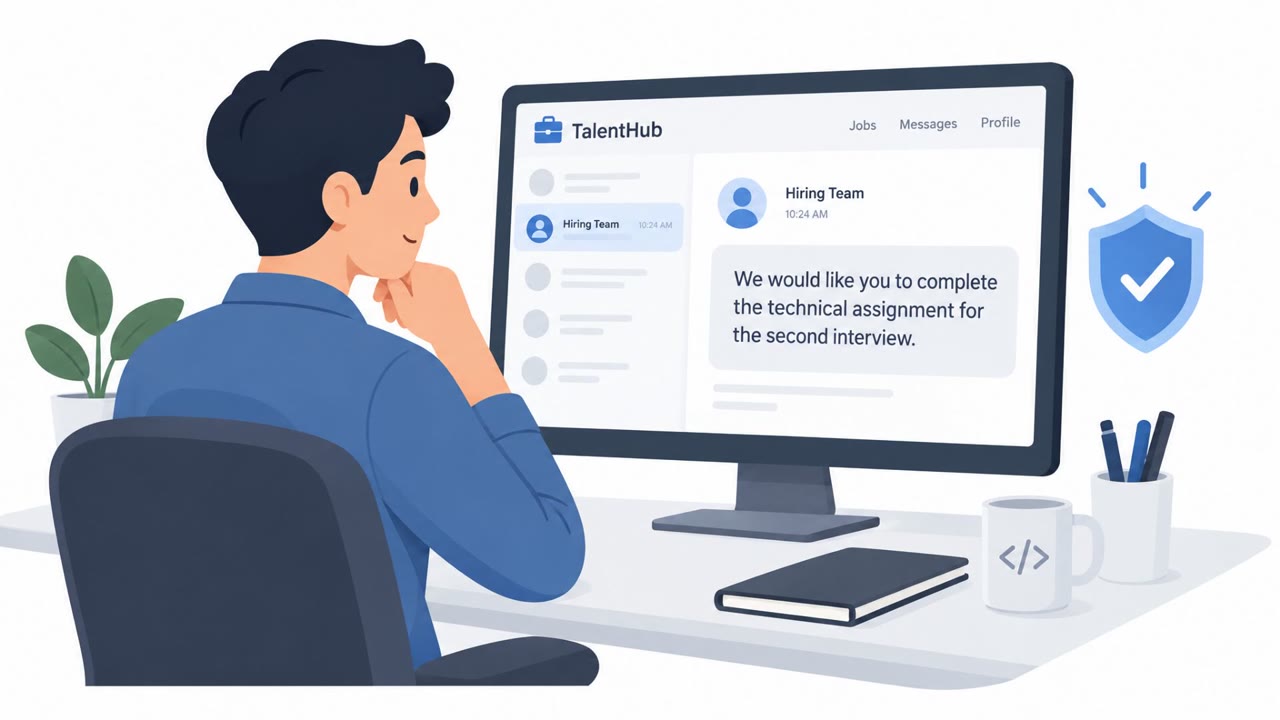
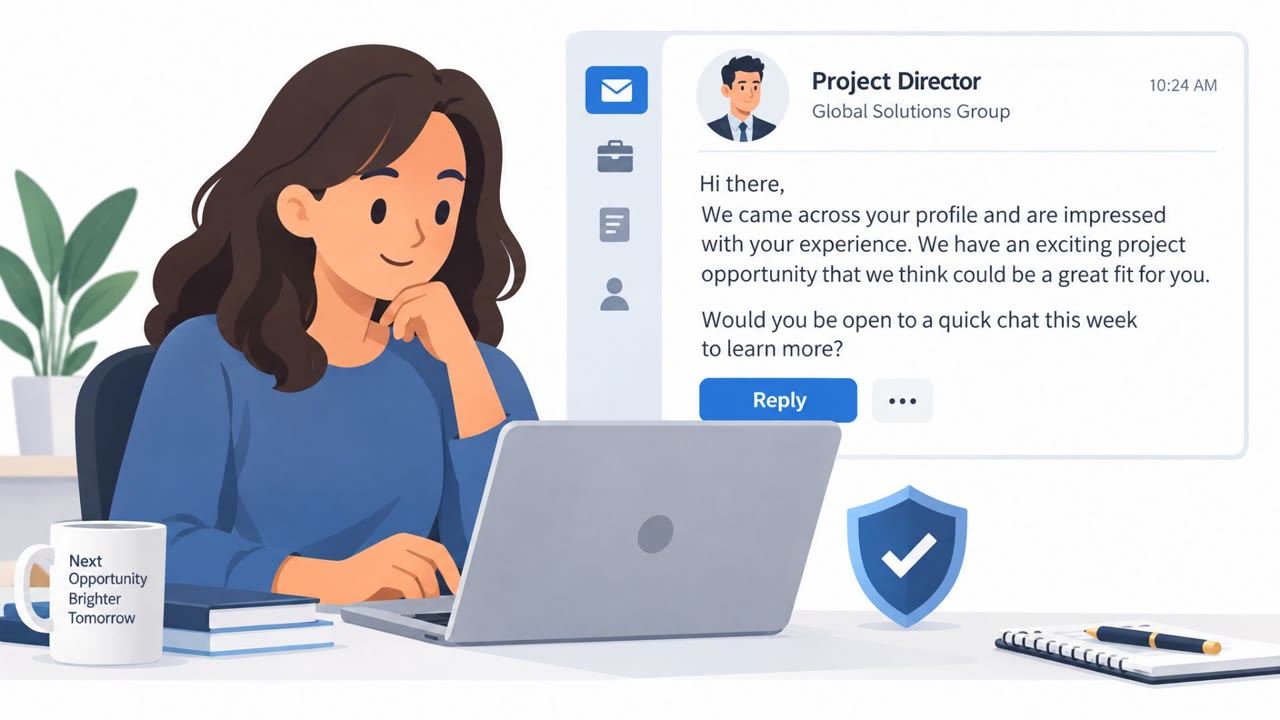
The report describes a suspected North Korean group using fake recruiter profiles on professional networking sites to target cryptocurrency organizations. The recruiters direct victims to fraudulent meeting platforms and persuade them to run “diagnostic fix” scripts, then use the resulting access to alter internal developer-tool settings and download a backdoor.
How the attack worked
A suspected North Korean group tracked as Midnight Neptune built fraudulent recruiter profiles on professional networking platforms and used them to approach employees at cryptocurrency organizations in North America and Europe. The lures were job themed, inviting targets to an interview or meeting. Victims were then directed to a fraudulent meeting platform that presented a so called diagnostic fix, a ClickFix style prompt asking them to run a script to join or continue the call.
Once the script ran, the attackers gained a foothold inside the victim's environment. From there, they pivoted into internal code repositories and modified .claude/settings.json configuration files. This meant that when a developer later started Claude Code as part of normal work, it would automatically trigger a download of a backdoor known as SOMBERMEME.
Why it succeeded
The campaign combined several elements that make social engineering effective against technical staff:
- A believable recruiting pretext aimed at people who are used to being approached about job opportunities.
- A plausible technical excuse, a diagnostic fix, framed as a routine step to access a meeting rather than an obvious malware install.
- A target audience of developers and engineers who are comfortable running commands and troubleshooting access issues, which lowered suspicion.
- A final payload delivered through a trusted developer tool's own startup process, rather than through an obvious separate download.
What to watch for
Defenders and employees, especially in cryptocurrency, fintech, and related technology roles, should watch for:
- Unsolicited recruiter contact that leads to an unfamiliar meeting platform.
- Any request to run a script, command, or diagnostic fix to join or continue a meeting.
- Recruiting or interview processes that require command-line actions or software changes.
- Unexpected changes to developer tool configuration files, such as .claude/settings.json, that could trigger unwanted downloads.
Building resistance
Organizations in finance, banking, and technology service sectors can reduce the risk of this type of campaign by reinforcing a few habits. Unsolicited recruiter outreach should be treated as untrusted until the recruiter and company are verified through known, official channels. Employees should be trained to never run a script or diagnostic fix requested by a meeting or interview website, and instead stop and report it to security or IT. Teams that rely on developer tools should also monitor configuration files for unexpected changes, since a single altered setting can cause malicious downloads when normal tools are started. Combining recruiter verification habits with monitoring of developer environments addresses both the human and technical stages of this attack chain.
Key findings
- A suspected North Korean group, Midnight Neptune, created fraudulent recruiter profiles on professional networking platforms.
- The group targeted cryptocurrency entities in North America and Europe with job-themed and ClickFix-themed lures.
- Targets were sent to fraudulent meeting platforms and prompted to run diagnostic-fix scripts.
- After compromise, the group modified .claude/settings.json files so starting Claude Code automatically downloaded the SOMBERMEME backdoor.
Who’s being targeted
- Commonly targeted roles: Cryptocurrency employees, Developers, Engineering teams, Recruiting and HR teams, IT support and security teams.
- Affected industries: Cryptocurrency, Banking, Non-banking financial companies, Financial technology, Technology service providers.
- Attack channels: linkedin, website.
- Impersonated: Fraudulent recruiter profile.
Red flags to watch for
- An unsolicited recruiter asks you to use an unfamiliar meeting platform.
- The meeting site asks you to run a script or “diagnostic fix.”
- A recruiting or interview process requires command-line actions or software changes.
Frequently asked questions
How did the fake recruiter attack work?
Fraudulent recruiter profiles on professional networking platforms invited targets to job-related meetings on fake meeting platforms, then asked them to run a diagnostic fix script to join or continue the meeting.
What happened after victims ran the script?
The attackers used the resulting access to modify .claude/settings.json configuration files so that starting Claude Code would automatically download the SOMBERMEME backdoor.
Who was targeted in this campaign?
The group, tracked as Midnight Neptune, targeted cryptocurrency entities in North America and Europe, focusing on employees, developers, and engineering staff.
What should employees do if a recruiter asks them to run a script?
Treat the request as a red flag, stop the process, and report it to IT or security rather than running any script or diagnostic fix from an unfamiliar meeting platform.
Read the video transcript
A recruiter on LinkedIn wants to interview you for a crypto role. The link opens an unfamiliar meeting site. It says there's an access issue and offers a 'diagnostic fix': a command to run. That's ClickFix, not meeting support. The surprise: that one command can lead to changes in .claude/settings.json. Then simply starting Claude Code can download the SOMBERMEME backdoor. Midnight Neptune uses fake recruiter profiles for this. If an interview site asks you to run a fix, stop and report it to security.