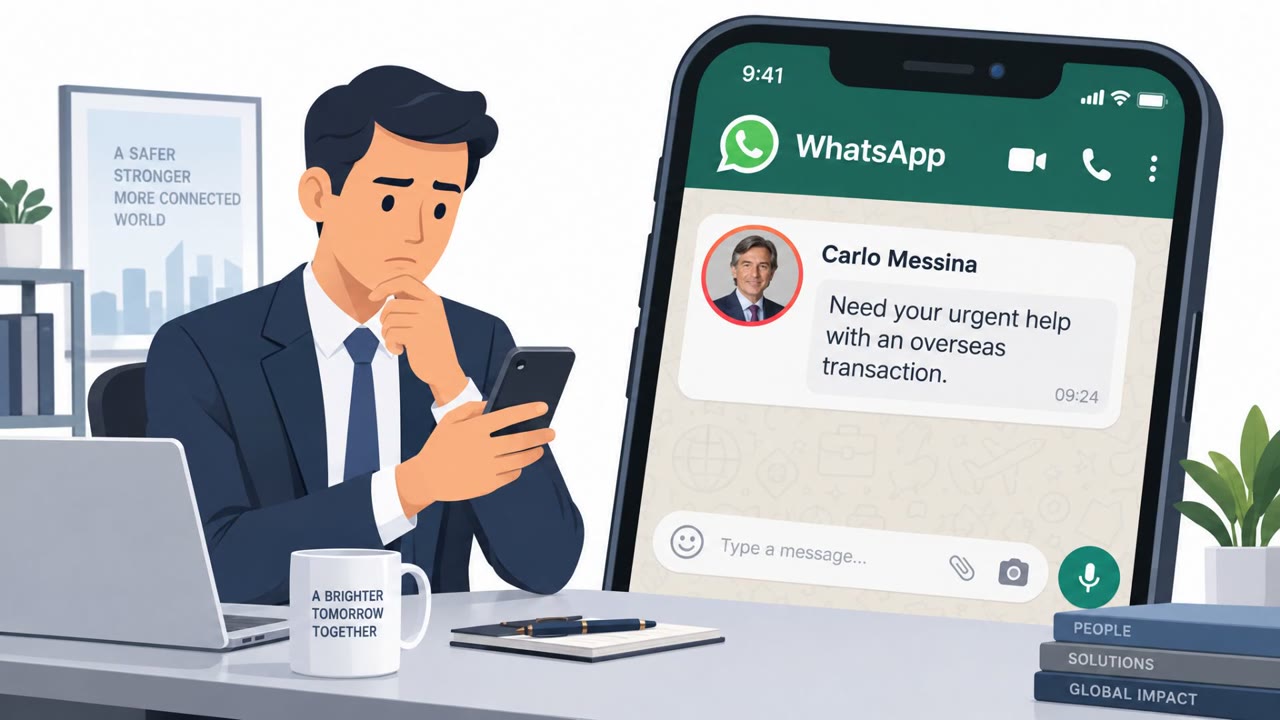
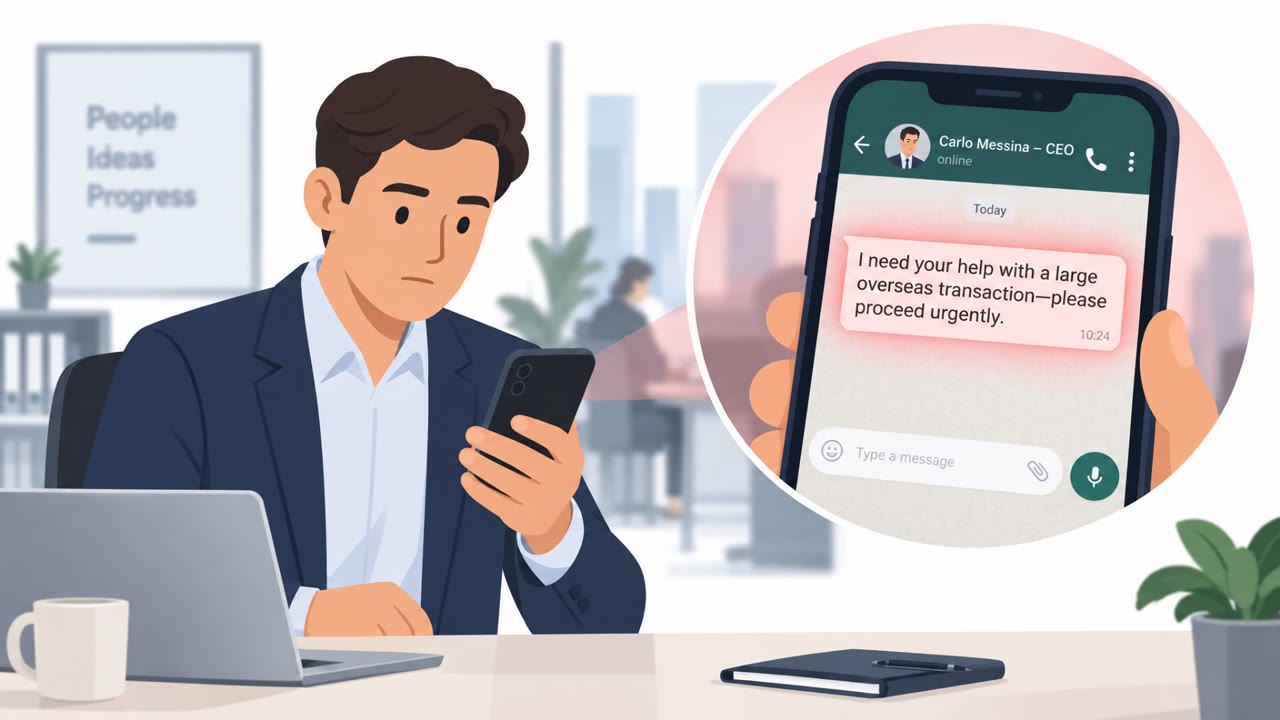
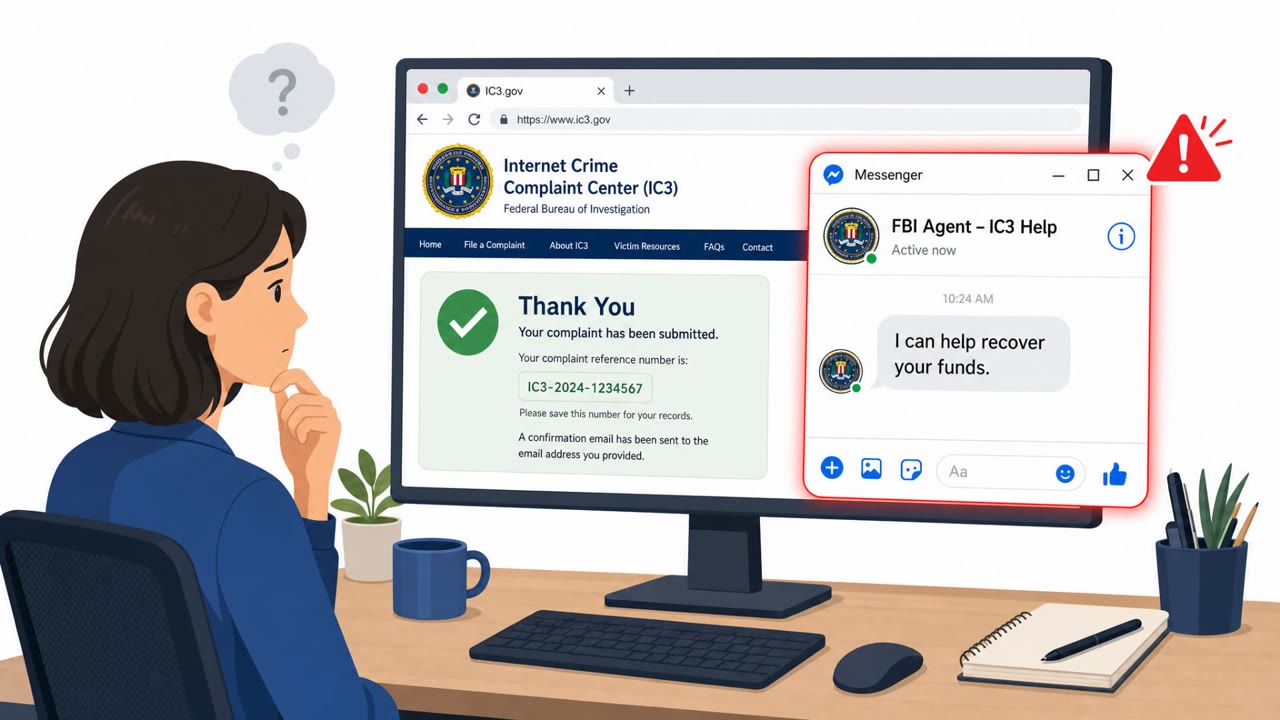
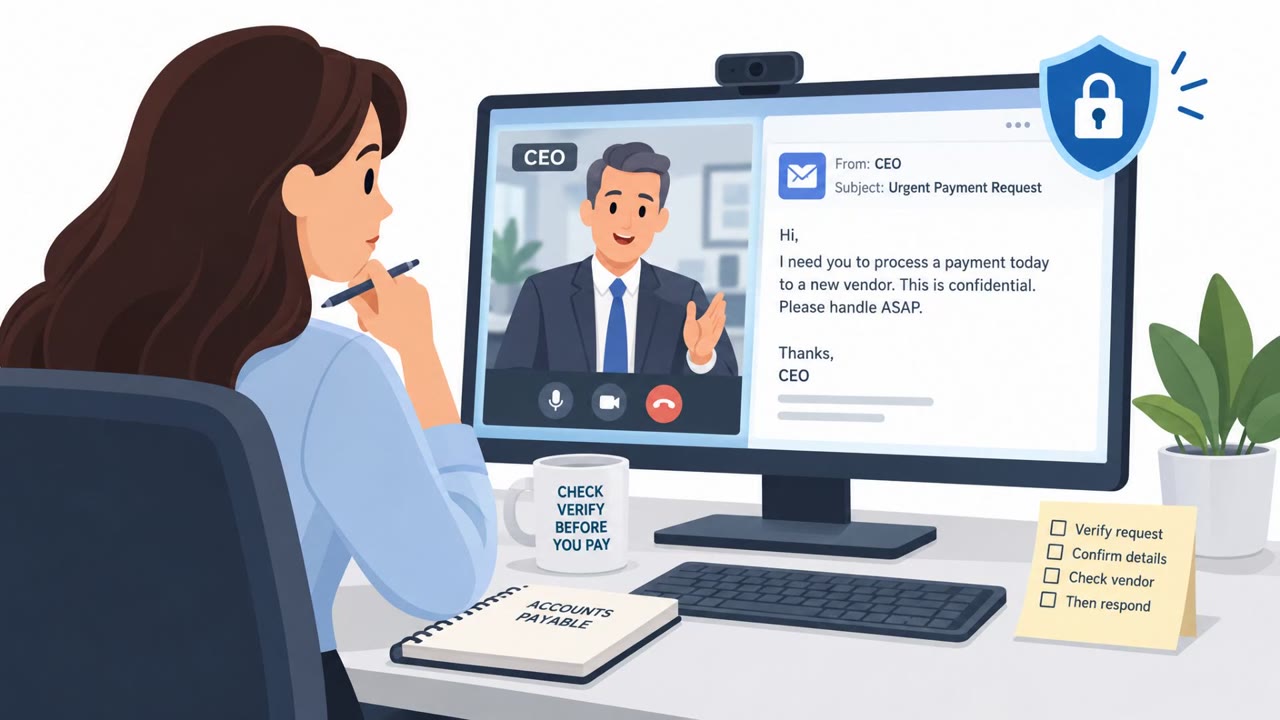
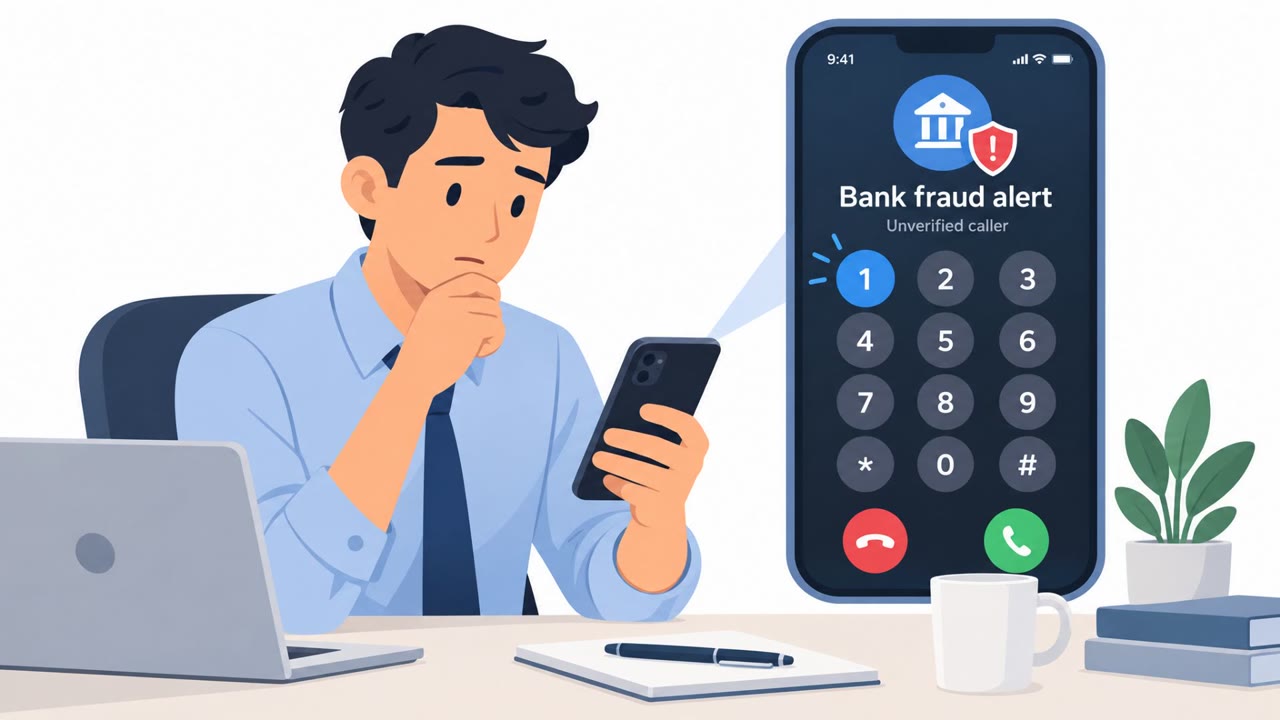
Federal prosecutors allege that a fraud ring used AI-generated CEO voices and video, along with stolen lawyer identities, to convince employees to approve fraudulent wire transfers. The attackers used familiar business workflows, confidential acquisitions, NDAs, executive calls, and outside counsel, to make the requests appear legitimate.
How the attack worked
Prosecutors allege a fraud ring combined document fraud, AI-generated voice and video, and identity theft to extract large wire transfers from accounting and finance teams. The scheme began with electronic-signature messages, sent through services like DocuSign, that appeared to come from a company's CEO. These messages described a confidential corporate transaction, often framed as an acquisition, and asked employees to sign an NDA before any details were shared.
Once an employee engaged, the conspirators arranged a telephone or video call using AI technology to reproduce the CEO's voice and, in some cases, image. This step was designed to replace normal identity verification with a sense of personal recognition, employees believed they were hearing or seeing their own executive.
The attorney handoff
After employees accepted the fake executive's identity, the purported CEO directed them to an attorney supposedly managing the transaction. The conspirators generally used the identities of real lawyers working at international firms. This supposed attorney reinforced the need for secrecy, discouraged employees from discussing the matter with colleagues, and ultimately provided the payment instructions that routed funds to accounts controlled by the conspirators.
Why it succeeded
The scheme layered several trusted business signals on top of each other: a familiar electronic-signature workflow, an urgent and confidential business reason (an acquisition), a recognizable executive voice or face, and a professional-sounding outside lawyer. Each layer made the next request seem more credible, and the secrecy instructions discouraged employees from checking with colleagues who might have recognized the request as unusual. Prosecutors attribute approximately $129 million in losses to the broader scheme, with six identified successful thefts totaling about $32 million.
What to watch for
- An unexpected confidential transaction or NDA request arriving through an e-signature tool
- Pressure to keep a payment request secret from colleagues or normal reviewers
- Executive identity established only through a phone or video call, not an independently verified channel
- A lawyer introducing new payment instructions or a new bank account
Building resistance
Organizations can reduce exposure by treating secrecy and urgency as reasons to follow verification procedures, not bypass them. Voice or video alone should never validate a high-value payment; staff should verify identity through an independently sourced contact method and required internal approvals, and confirm any outside counsel's identity before acting on their instructions. Independent back-office review proved effective in this case: an investment bank's intervention stopped a $2.85 million transfer before release, which shows that layered financial controls can catch fraud even after an employee has already authorized a payment.
Key findings
- The alleged operation targeted accounting employees authorized to approve large wire transfers.
- Attackers sent electronic-signature messages posing as a CEO and framed the request as a confidential corporate transaction, often an acquisition.
- They used AI-generated voice and sometimes video to impersonate the CEO during telephone or video calls.
- After establishing apparent executive approval, the attackers impersonated real lawyers at international firms to reinforce secrecy and provide payment instructions.
- Prosecutors attribute approximately $129 million in losses to the broader scheme; six identified successful thefts totaled about $32 million.
- A major New York investment bank stopped a $2.85 million transfer before funds were released, showing the value of independent payment controls.
Who’s being targeted
- Commonly targeted roles: Accounting, Finance, Treasury, Accounts Payable, Financial controllers, Payment approvers, Executive assistants, Legal and corporate development teams, Back-office payment operations.
- Affected industries: Financial services and banking, Financial technology, Healthcare, Pet food manufacturing, Investment management.
- Attack channels: email, vishing.
- Impersonated: Company CEO, Attorney at an international law firm.
Red flags to watch for
- An unexpected confidential transaction arrives through an electronic-signature service.
- The request pressures the employee to keep the matter from colleagues.
- The CEO's identity is established through a voice or video call rather than an independently verified process.
- An attorney asks an employee to bypass normal internal discussion or review.
- The payment request depends on a lawyer's identity that was not independently verified using known contact details.
- New or changed transfer instructions are delivered during a secret, urgent transaction.
Frequently asked questions
How did the attackers impersonate the CEO?
They sent electronic-signature messages posing as the CEO describing a confidential acquisition, then used AI-generated voice and sometimes video on phone or video calls to reinforce the impersonation.
What role did fake lawyers play in the scheme?
After employees accepted the fake CEO's identity, attackers impersonated real lawyers at international law firms to stress secrecy and provide fraudulent payment instructions.
Did any organization stop the fraud?
A major New York investment bank stopped a $2.85 million transfer before funds were released, showing the value of independent back-office payment controls.
Who were the main targets of this fraud?
The operation primarily targeted accounting, finance, treasury, and accounts payable employees authorized to approve large wire transfers.
Read the video transcript
Your CEO calls about an acquisition. You recognize the voice. Is it real? First comes a DocuSign-style NDA: ‘Confidential transaction.’ Then an AI-generated CEO voice, sometimes video, confirms it. A supposed outside lawyer follows with urgent payment instructions. That’s the trap: the voice can be fake, and the lawyer’s real name can be stolen. ‘Don’t tell colleagues’ is a red flag, not an approval. A bank stopped one $2.85 million transfer. Before approving any wire, use your established independent verification and payment-approval process.