Attackers reportedly spent months targeting Binance engineers, using a tampered software installer and fake job interviews with a malicious technical assignment. After gaining access through employee devices and credentials, they abused internal systems to authorize transfers from Binance hot wallets.
Key findings
- Attackers reportedly began targeting Binance wallet-infrastructure personnel months before the theft.
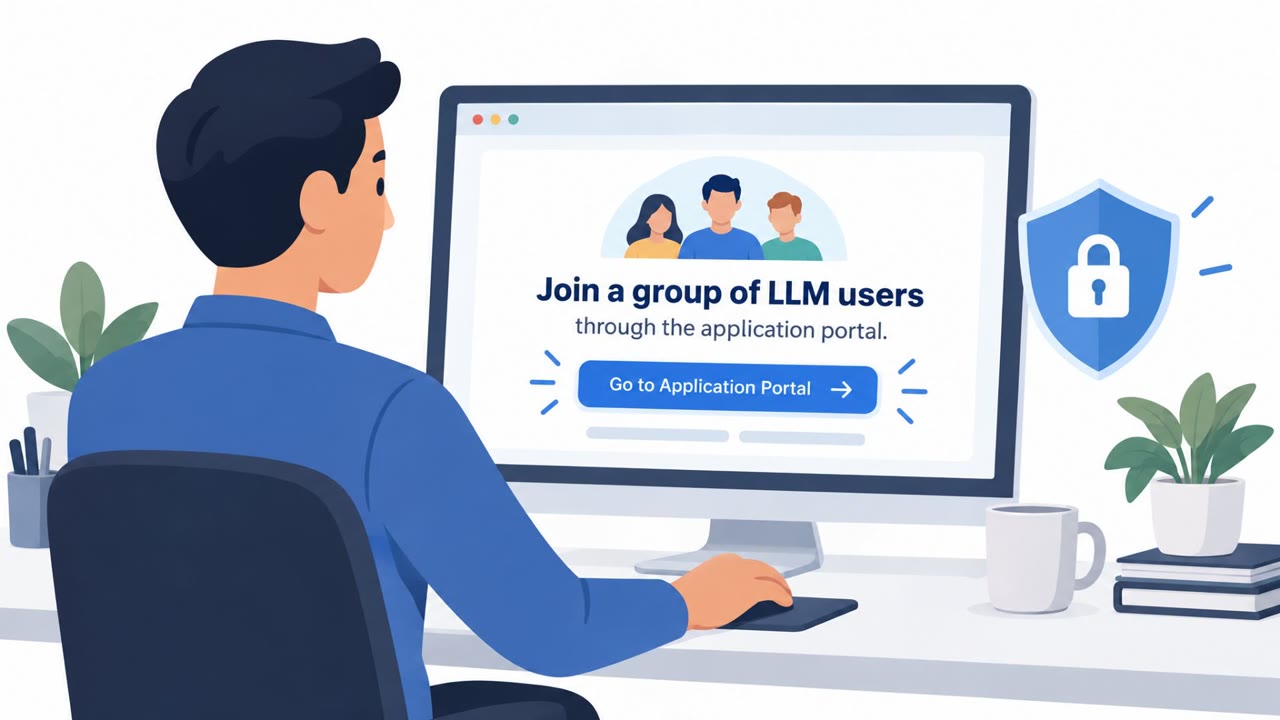
- A wallet DevOps engineer downloaded a tampered Homebrew installer while trying to install an AI coding tool.
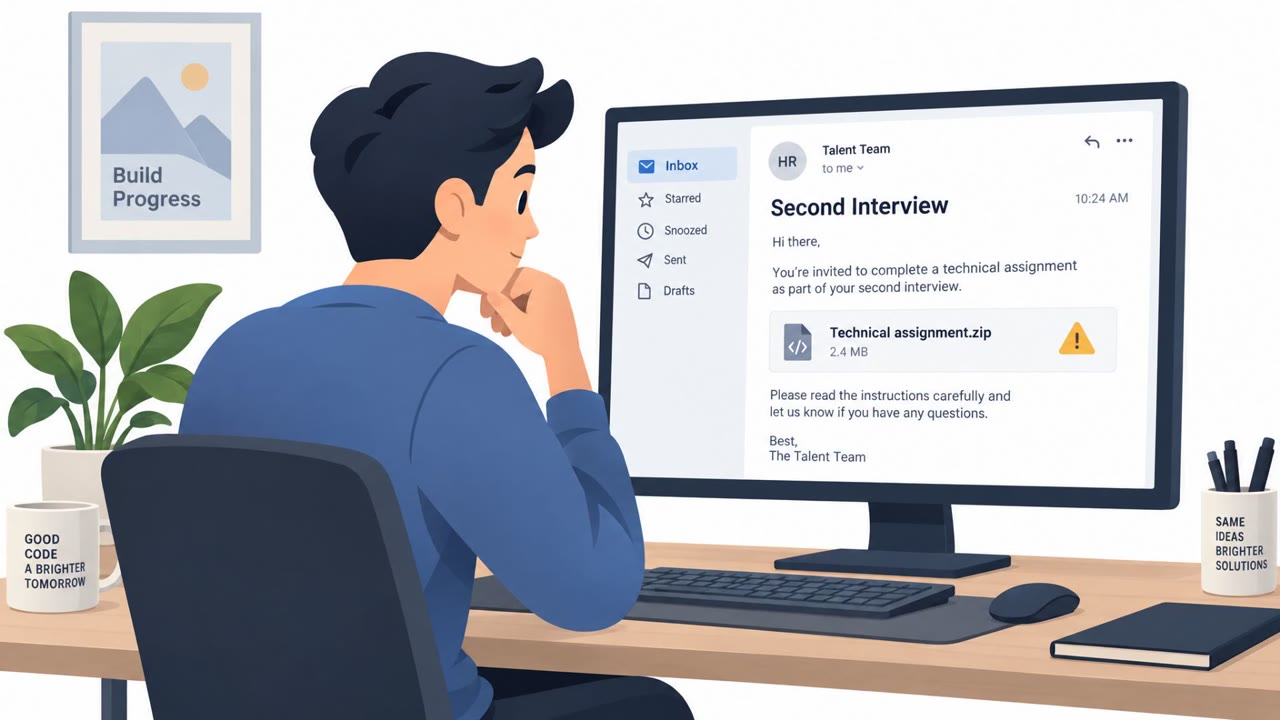
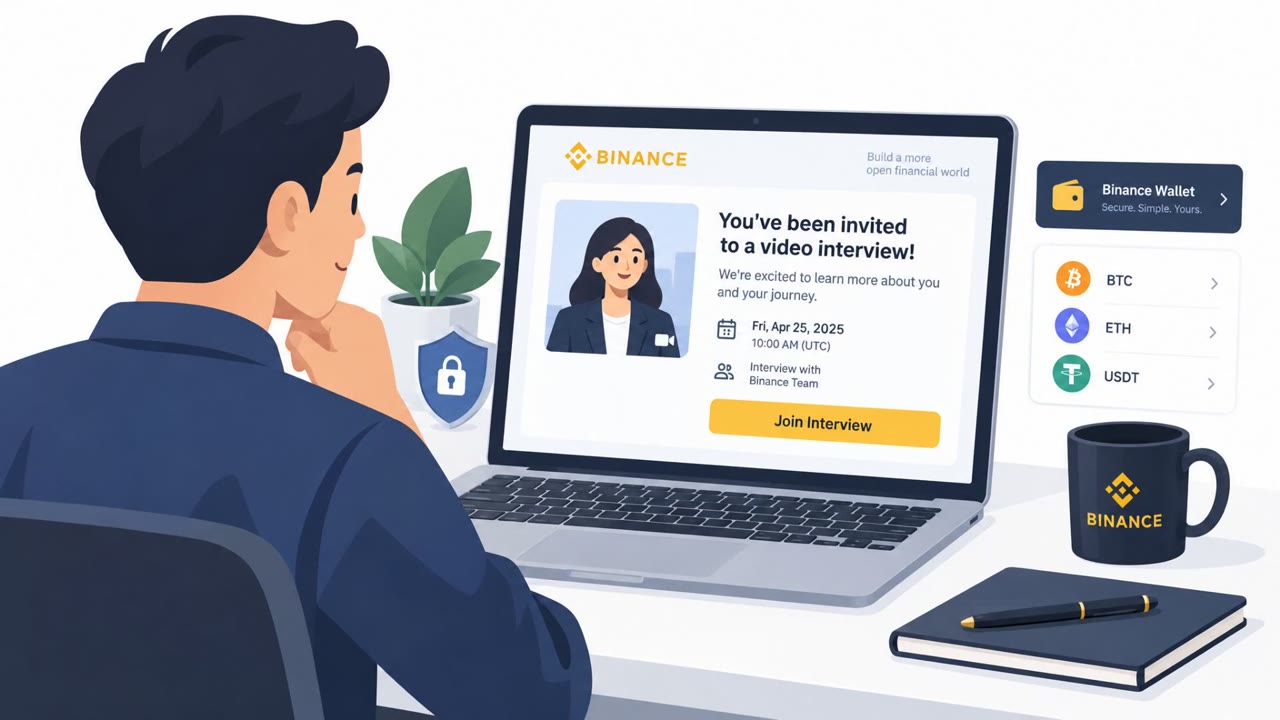
- A second engineer participated in fake job interviews and downloaded a malicious assignment onto a work laptop.
- Attackers later used stolen credentials and a deployment token to launch a container and abuse Binance’s signing service.
- The FBI attributed the incident to North Korea’s TraderTraitor, according to the article, though the investigation remained preliminary.
Who’s being targeted
- Commonly targeted roles: Software engineers, DevOps engineers, Platform engineers, Cloud engineers, Cryptocurrency and financial-services operations teams, IT and security teams, Employees involved in recruitment or job-search activity.
- Affected industries: Cryptocurrency exchanges, Financial services, Software development, AI developer platforms.
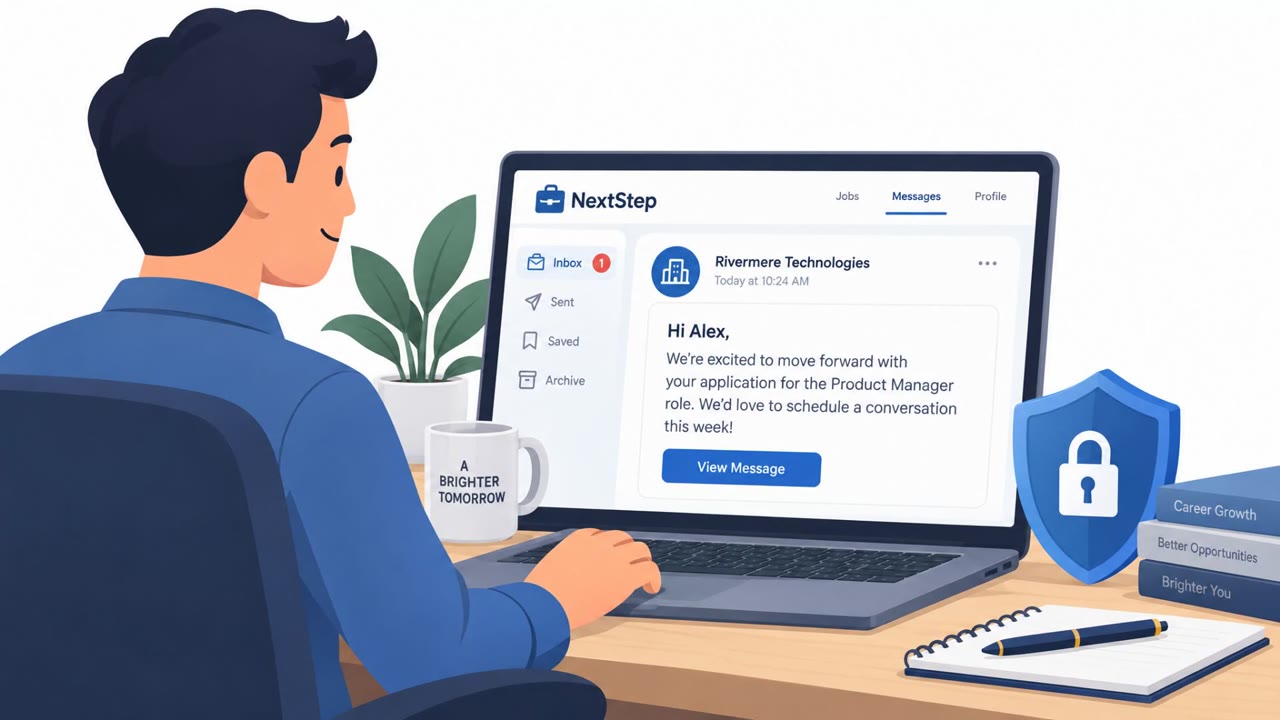
- Impersonated: Recruiter or prospective employer, AI coding-tool installer or software distribution source.
Awareness takeaways
- Treat recruitment-related coding assignments as untrusted software. Verify the recruiter and employer independently before downloading or running anything.
- Only install developer and AI tools from approved, verified sources and report suspicious installers immediately.
- A compromised device may be only the first step of a long campaign; continue monitoring related accounts, roles, and high-value systems after containment.
- Protect deployment tokens and credentials with strict access controls because they can enable attackers to use trusted internal systems for harmful actions.
Red flags to watch for
- An interview process requires downloading unverified software or an assignment package.
- The assignment is run on a corporate device rather than in an approved isolated environment.
- The sender or supposed employer cannot be independently verified through known contact details.
- A developer tool installer comes from an unverified or unexpected source.
- Software installation bypasses the organization’s approved software-distribution process.
- A new tool requests elevated access or behaves differently from the official package.
Read the video transcript
A job interview helped open the door to Binance’s reported $6.4 billion theft. First, a wallet engineer downloaded a tampered Homebrew installer for an AI coding tool. Months later, another engineer got a fake interview assignment, and ran it on a work laptop. The giveaway? The recruiter says, ‘Please download and complete this technical assignment.’ That’s unverified software, not just an interview question. Stolen credentials and a deployment token later let a container abuse Binance’s signing service. A coding assignment can be an installer in disguise. Before downloading one, verify the employer through contact details you found yourself.