The newsletter reports that Binance attributed a record-setting $6.43 billion theft to a sophisticated, multi-stage campaign. Attackers reportedly used recruitment-themed social engineering against two engineers and a tampered Homebrew installation, showing how a convincing job-interview pretext can lead technical staff to run unsafe software.
How the Attack Worked
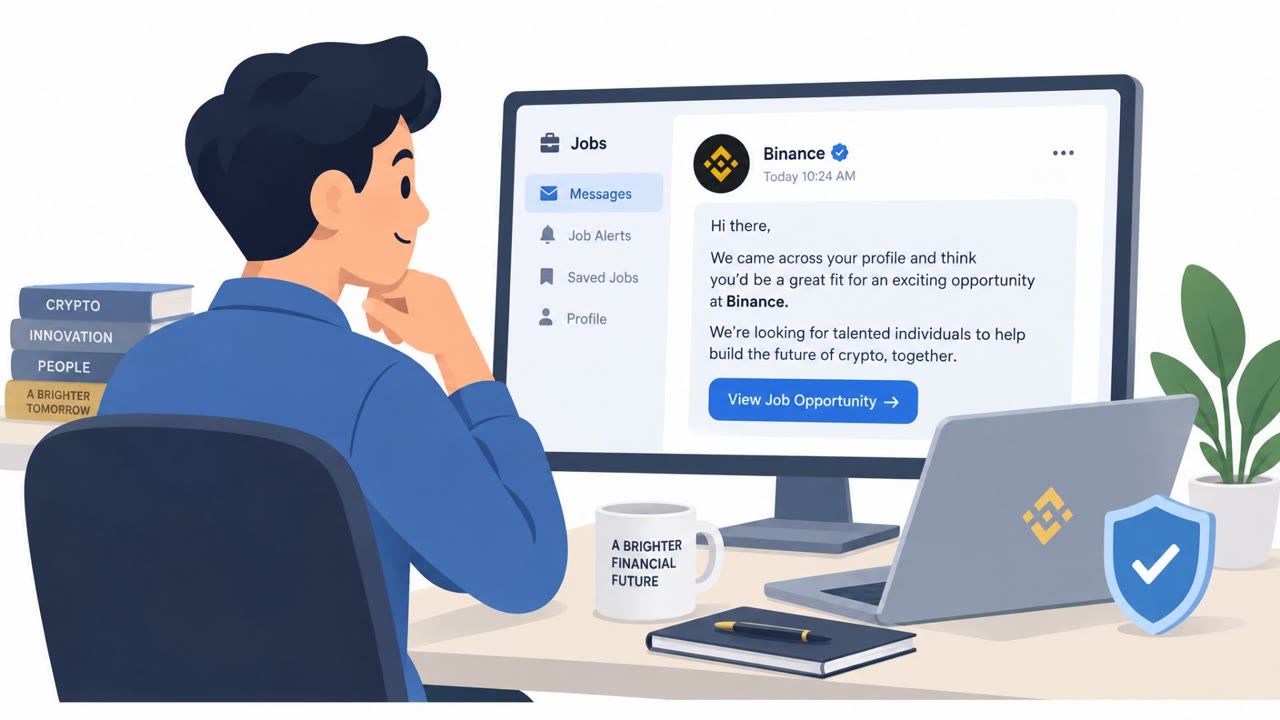
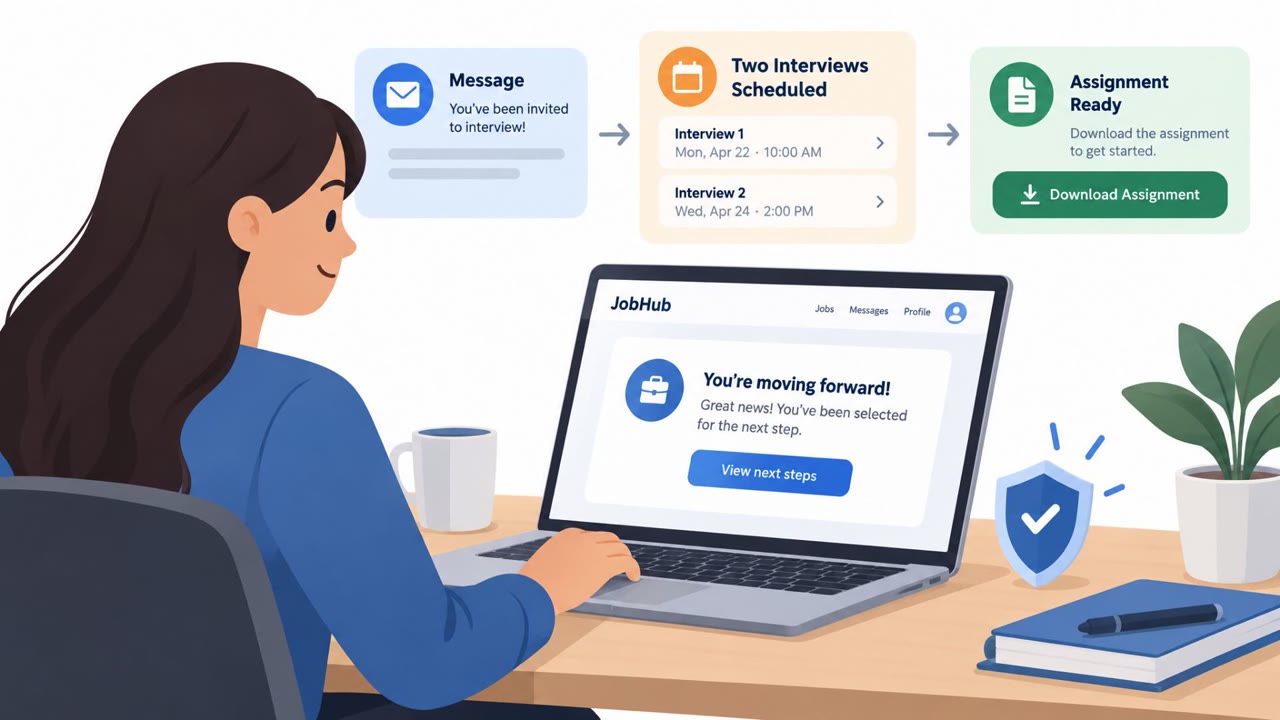
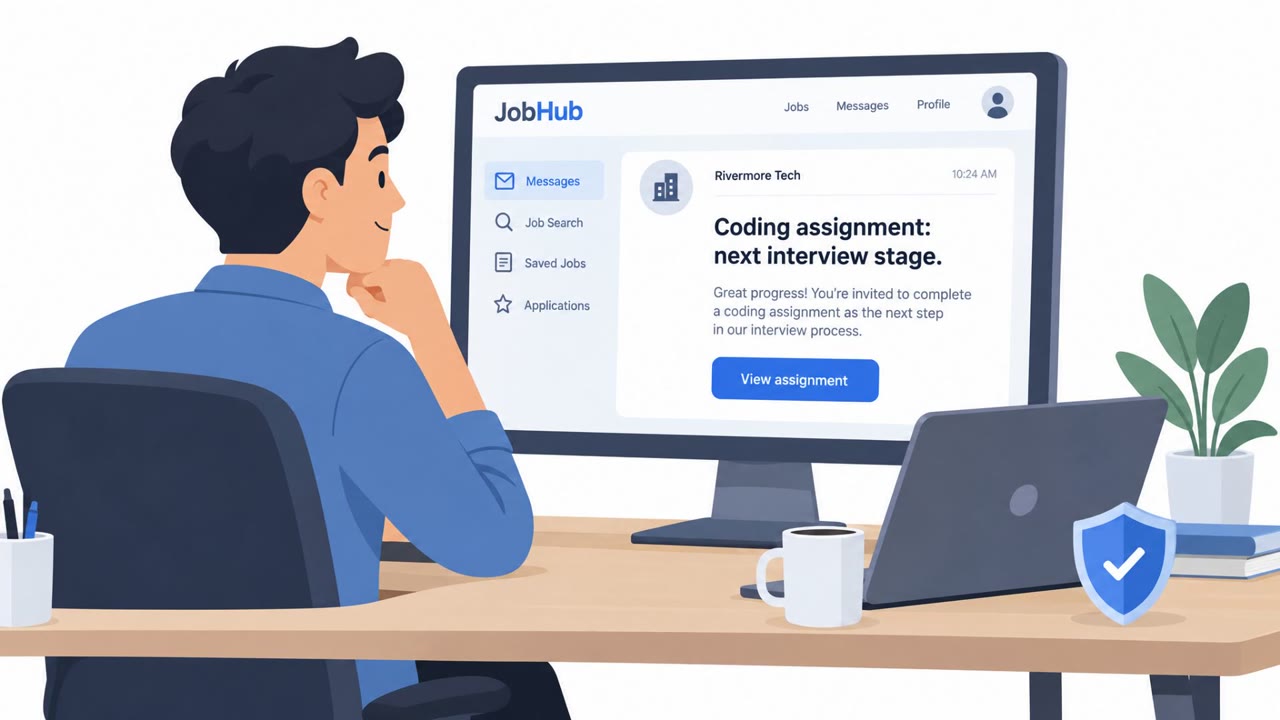
According to Cisco Talos, Binance attributed a record-setting $6.43 billion theft to a sophisticated, multi-stage campaign. The campaign combined recruitment-themed social engineering with a tampered Homebrew installation, and it targeted two Binance engineers directly. Rather than relying on a single technical exploit, the attackers reportedly used a believable job-interview pretext to get technical staff to interact with attacker-controlled software.
This pattern fits two recognized techniques: impersonation (T1656), where attackers pose as a legitimate recruiter or company representative, and user execution of a malicious file (T1204.002), where the victim is persuaded to run software that appears legitimate but is not.
Why It Succeeded
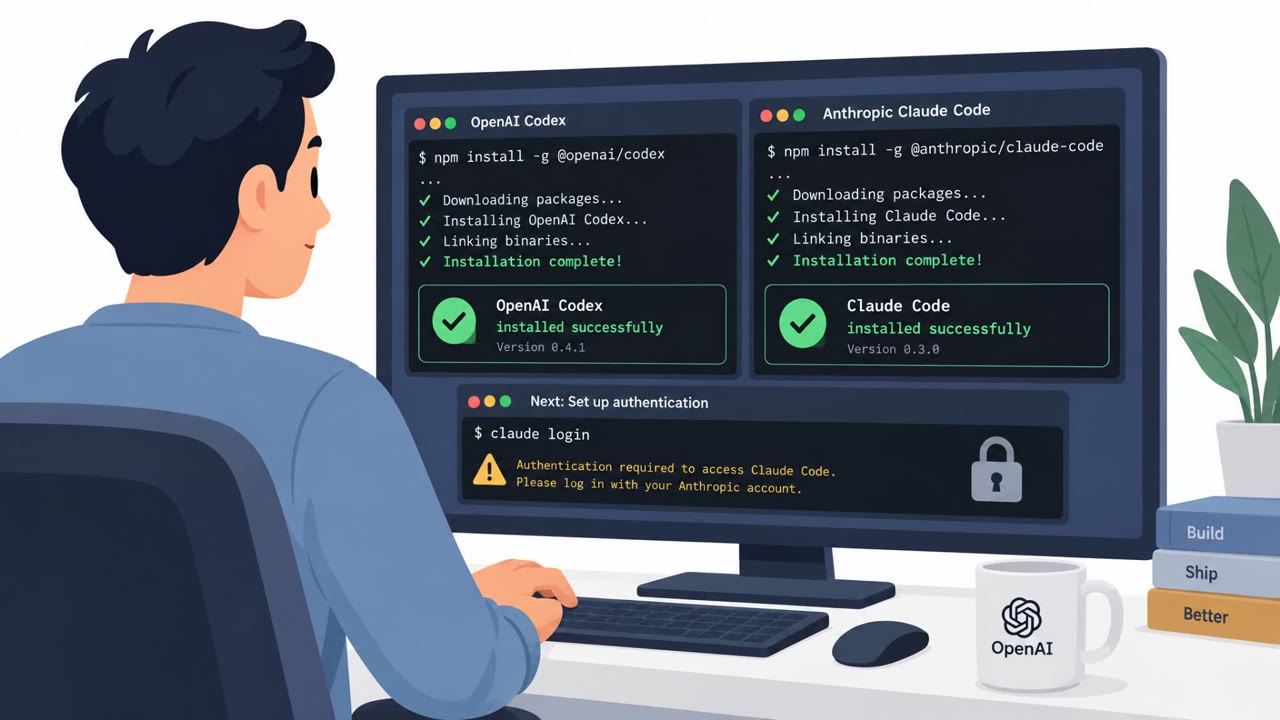
Recruitment-themed lures work because they exploit normal professional behavior. Engineers routinely respond to interview requests, install development tools, and run setup scripts as part of onboarding or technical assessments. A tampered Homebrew installation delivered through this kind of pretext can look like a routine step in an interview or technical exercise rather than a security event.
The targeting of engineers specifically, rather than general staff, suggests the attackers understood that technical employees often have elevated access or credentials that make them high-value targets for this type of approach.
What to Watch For
- Unsolicited interview invitations that ask the candidate to install software, packages, or development tools before or during the process.
- Requests to run installation commands or scripts from a source that cannot be independently verified.
- Recruiting contacts who push urgency around installing tools tied to a technical assessment.
- Any software installation instructions delivered outside of a company's standard, approved channels.
Building Resistance
Organizations, especially those in cryptocurrency exchanges, financial services, and technology, should train engineering, DevOps, platform, and security teams to treat unsolicited job-interview outreach as a potential security risk. Key practices include:
- Independently verifying recruiters and companies through known, trusted channels before engaging further.
- Requiring technical staff to follow approved software-validation procedures for any tool, package, or installer tied to a recruiting process.
- Educating recruiting and HR teams on how job-search themed social engineering can be used to reach engineering staff with valuable system access.
- Reinforcing that installation requests from external recruiting contacts should never bypass internal security review.
This case illustrates how a convincing recruitment pretext, combined with a compromised software installation step, can enable a multi-stage attack against even well-resourced technical organizations.
Key findings
- Binance said a $6.43 billion theft followed a sophisticated, multi-stage campaign.
- The campaign used fake job interviews and recruitment-themed social engineering.
- Two Binance engineers were targeted.
- A tampered Homebrew installation was reportedly part of the attack chain.
Who’s being targeted
- Commonly targeted roles: Software engineers, DevOps engineers, Platform engineers, Security engineers, IT administrators, Recruiting and HR teams.
- Affected industries: Cryptocurrency exchanges, Financial services, Technology.
Frequently asked questions
What happened in the Binance theft attributed to fake interviews?
Binance said a record-setting $6.43 billion theft followed a sophisticated, multi-stage campaign that used recruitment-themed social engineering and a tampered Homebrew installation to target two of its engineers.
Why are fake job interviews an effective attack vector against engineers?
Recruiting communications can create a sense of opportunity and urgency that leads technical staff to install software or tools from an unverified source without following normal security checks.
What should technical staff do before installing software sent by a recruiter?
They should independently verify the recruiter and company through known channels and follow approved software-validation procedures rather than installing tools directly from a recruiting contact.
Which MITRE ATT&CK techniques are associated with this attack?
The attack maps to T1656 Impersonation and T1204.002 User Execution: Malicious File.
Read the video transcript
A job interview helped set up a $6.43 billion theft. Binance says two engineers were targeted with fake interviews. The campaign also involved a tampered Homebrew installation. The interview wasn't the prize; getting software onto an engineer's machine was. Here's the red flag: an interview invitation that asks you to install a development tool from the recruiter's link. A familiar tool name doesn't make that source safe. Before installing anything for an interview, put it through your company's approved software-validation process.