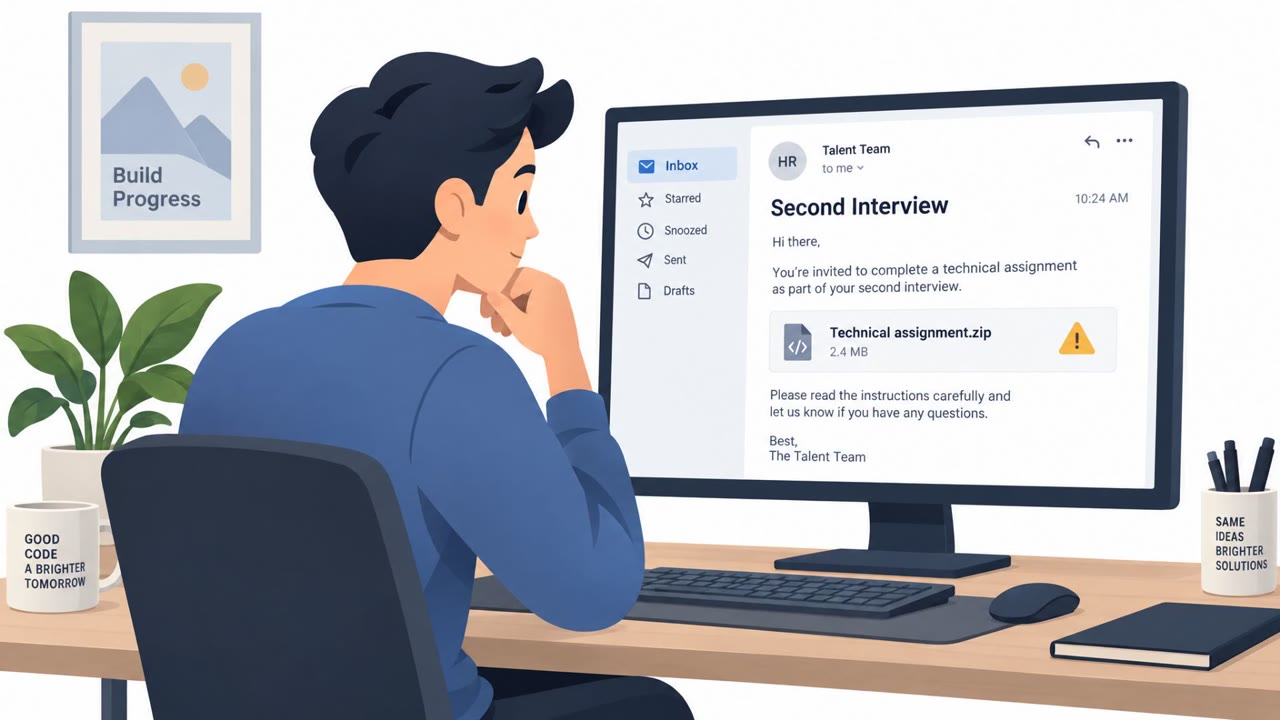
Attackers linked to North Korea allegedly used a fake recruitment process to persuade a Binance software engineer to download a malicious coding assignment onto a work computer. They then used the compromised device, internal AI tooling, and stolen deployment credentials to reach wallet-signing systems and initiate unauthorized cryptocurrency transfers.
How the attack worked
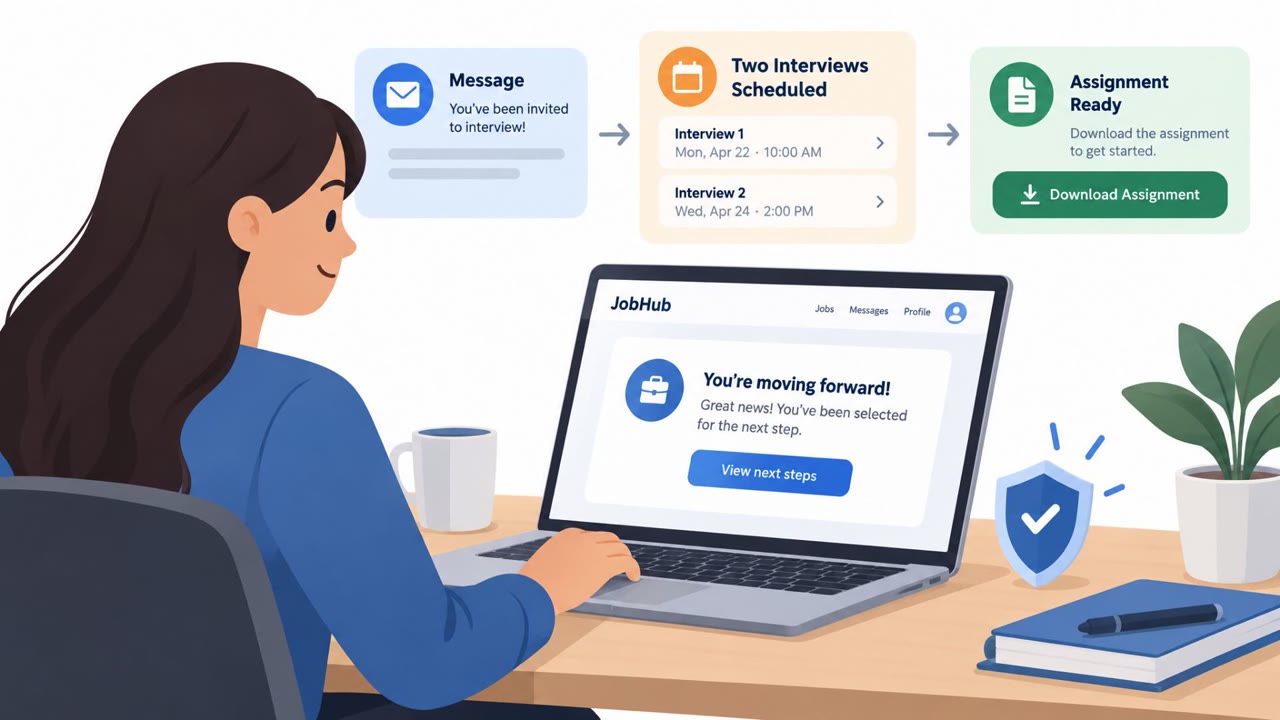
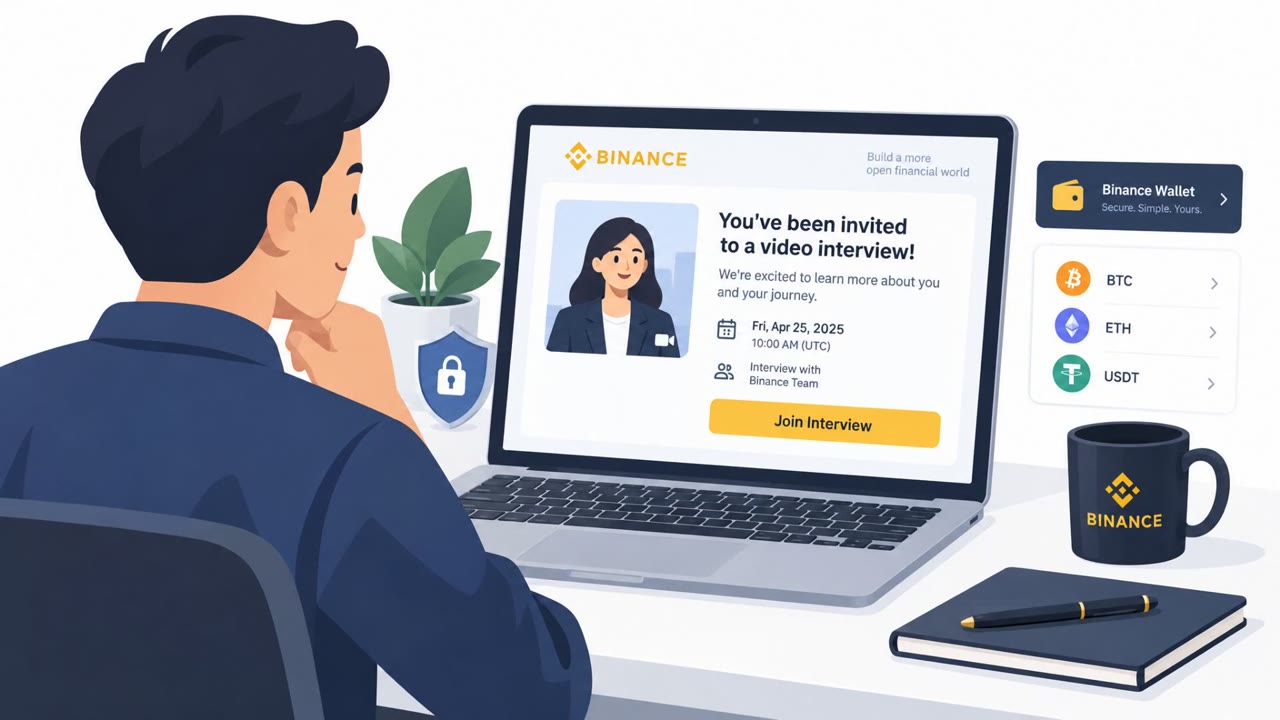
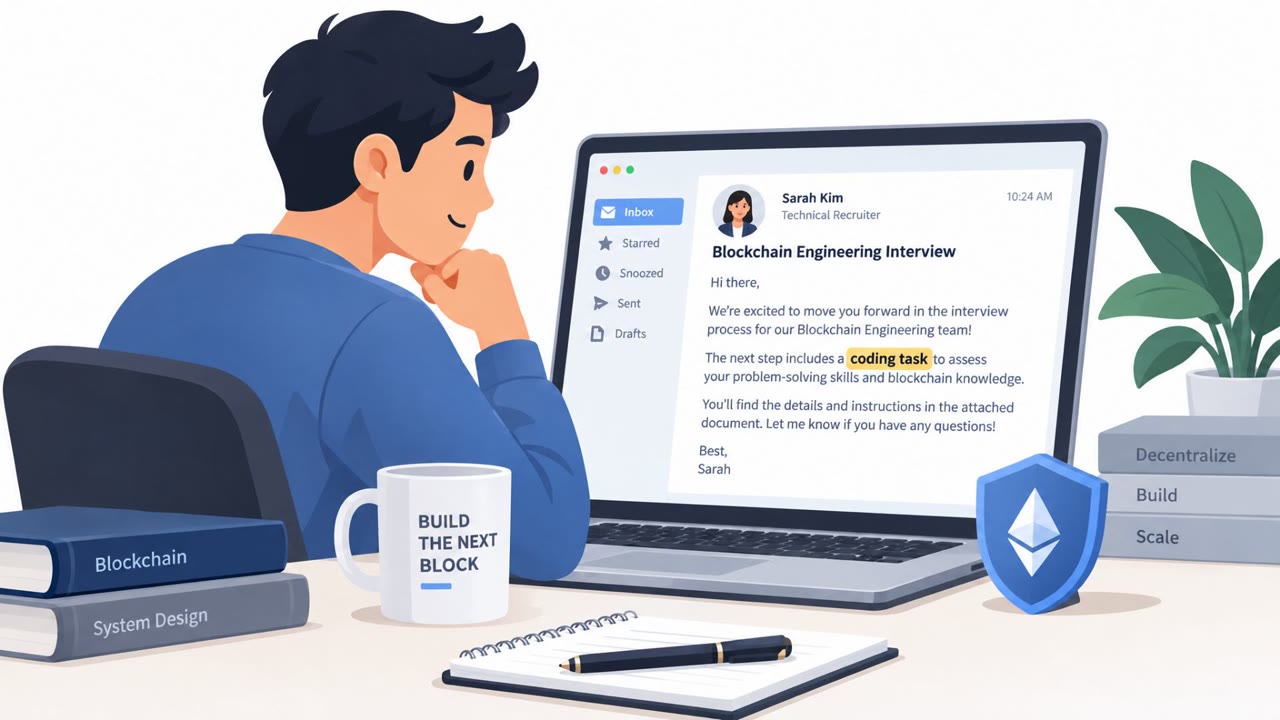
According to reporting on the incident, attackers linked to North Korea allegedly built a fake recruitment pipeline around a software engineering role. People posing as a Project Director, an HR representative, and the CEO of a fictitious company ran the candidate through two interviews before pushing a final technical assignment. That assignment contained a malicious code repository, and the candidate was instructed to download and run it on a work computer.
Once executed, the repository ran malicious code during setup, replaced a legitimate development-tool component, executed commands, and communicated with an attacker-controlled server. From that single compromised device, attackers reportedly used an internal AI tool to extend their reach into two additional employee environments. Eventually, they found a deployment-permission token sitting on a Wallet DevOps engineer's computer, and used it to help reach Binance's wallet-signing service, enabling unauthorized cryptocurrency transfers.
Why it succeeded
The scheme worked by exploiting normal hiring behavior rather than a software flaw. A multi-stage interview process, including a staged HR call and a CEO-impersonation step, built enough perceived legitimacy that moving the conversation to an informal chat app and requesting a downloaded assignment did not raise immediate alarm. The engineer was asked to complete real-feeling technical work on a corporate device, which is a normal part of many hiring pipelines and therefore not inherently suspicious on its face.
The article also describes a related pattern, tracked as WaterPlum or Contagious Interview, in which actors impersonate real AI, crypto, or NFT companies on social media, job boards, and freelance platforms, then ask candidates to download a file to complete a coding test or fix a bug during a video call.
What to watch for
- Recruitment contact that moves quickly from a job board or social platform into chat apps rather than verified corporate channels.
- A technical assignment or coding test that requires downloading and running an unfamiliar repository or file on a work computer.
- Pressure to complete setup or troubleshooting tasks during a live interview rather than through a controlled, sandboxed process.
- Inability to independently verify the hiring company, its CEO, or its HR representative through trusted channels.
Building resistance
Organizations can reduce exposure by running technical assignments only in isolated, non-production environments, keeping deployment credentials short-lived and tightly scoped, and ensuring internal AI tools never inherit unnecessary access to sensitive systems. Employees, especially those with cloud, deployment, or wallet-signing access, benefit from clear guidance to treat unsolicited recruitment outreach as a potential business-security risk and to verify recruiters through independent, known contact details before downloading or running anything on a work device.
Key findings
- Attackers allegedly posed as a Project Director, an HR representative, and the CEO of a fictitious company during a staged recruitment process.
- The targeted engineer was instructed to download a technical assignment containing a malicious code repository onto a work computer.
- The malicious repository ran code during setup, replaced a legitimate development-tool component, executed commands, and communicated with an attacker-controlled server.
- Attackers reportedly used the compromised engineer's device and an internal AI tool to gain control of two additional employee environments.
- A deployment-permission token found on a Wallet DevOps engineer's computer was used to help reach Binance's wallet-signing service.
- The FBI attributed the reported operation to North Korea-linked TraderTraitor, also known as Lazarus Group and APT38.
- The article also describes Contagious Interview/WaterPlum using recruiter impersonation and coding-test downloads against developers and Web3 specialists.
Who’s being targeted
- Commonly targeted roles: Software Engineers, Developers, DevOps Engineers, Wallet and Payment-System Teams, Blockchain and Web3 Professionals, Freelance Technical Staff, Recruiting and HR Teams, Employees with Cloud or Deployment Access.
- Affected industries: Cryptocurrency exchanges, Financial services, Blockchain and Web3, Software development.
- Attack channels: website.
- Impersonated: A Project Director, HR representative, and CEO of a fictitious company, Recruiters or hiring managers impersonating real AI, cryptocurrency, or NFT companies.
Red flags to watch for
- The assignment requires downloading and running an unfamiliar repository on a corporate device.
- The company and its claimed CEO cannot be independently verified through trusted channels.
- The interview process moves to an informal chat application and pressures the candidate to perform technical work on a work computer.
- The recruiter claims to represent a real company but makes contact through a social-media, job-board, or freelance-platform account.
- A hiring exercise requires downloading an unverified file or running code before the employer is verified.
- The requested file is framed as urgent troubleshooting or a required test rather than being provided through a trusted hiring portal.
Frequently asked questions
How did the fake interview lead to the Binance attack?
Attackers allegedly posed as a Project Director, HR representative, and CEO during a staged hiring process, then instructed a software engineer to download a technical assignment containing malicious code onto his work computer.
What happened after the engineer ran the malicious assignment?
The malicious repository executed code during setup, replaced a legitimate development-tool component, and communicated with an attacker-controlled server, which attackers reportedly used along with an internal AI tool to compromise two more employee environments.
How did attackers reach the wallet-signing service?
A deployment-permission token found on a Wallet DevOps engineer's computer was reportedly used to help attackers reach Binance's wallet-signing service.
Who was attributed to this attack?
The FBI attributed the reported operation to North Korea-linked TraderTraitor, also known as Lazarus Group and APT38.
Read the video transcript
A fake job interview helped open a path to Binance’s wallet systems. A supposed Project Director arranged HR and CEO interviews. Then, in a chat app: ‘Complete this technical assignment.’ The engineer downloaded its code repository onto a work computer. Here’s the trap: the repository ran code during setup. From that workstation, the intruders reportedly reached other employee environments, then a deployment token and wallet-signing service. The giveaway? An unverified interview asked for code on a corporate device. Don’t run interview assignments on your work computer.