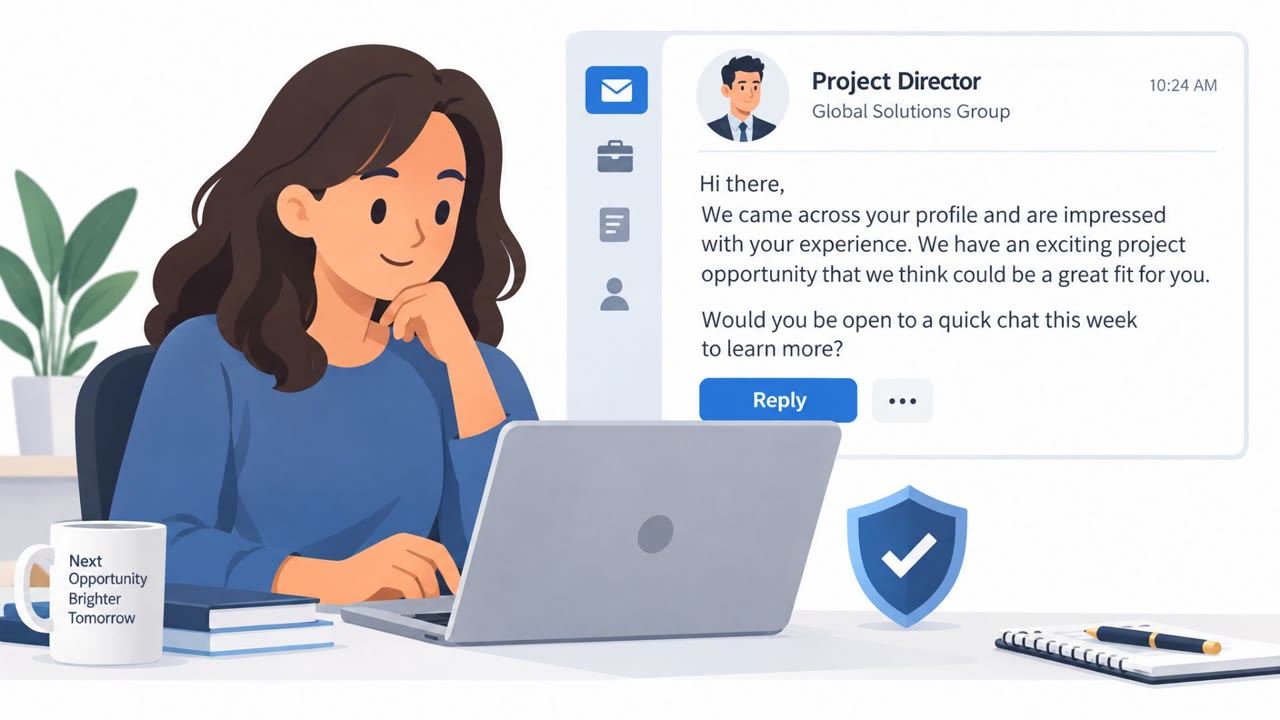
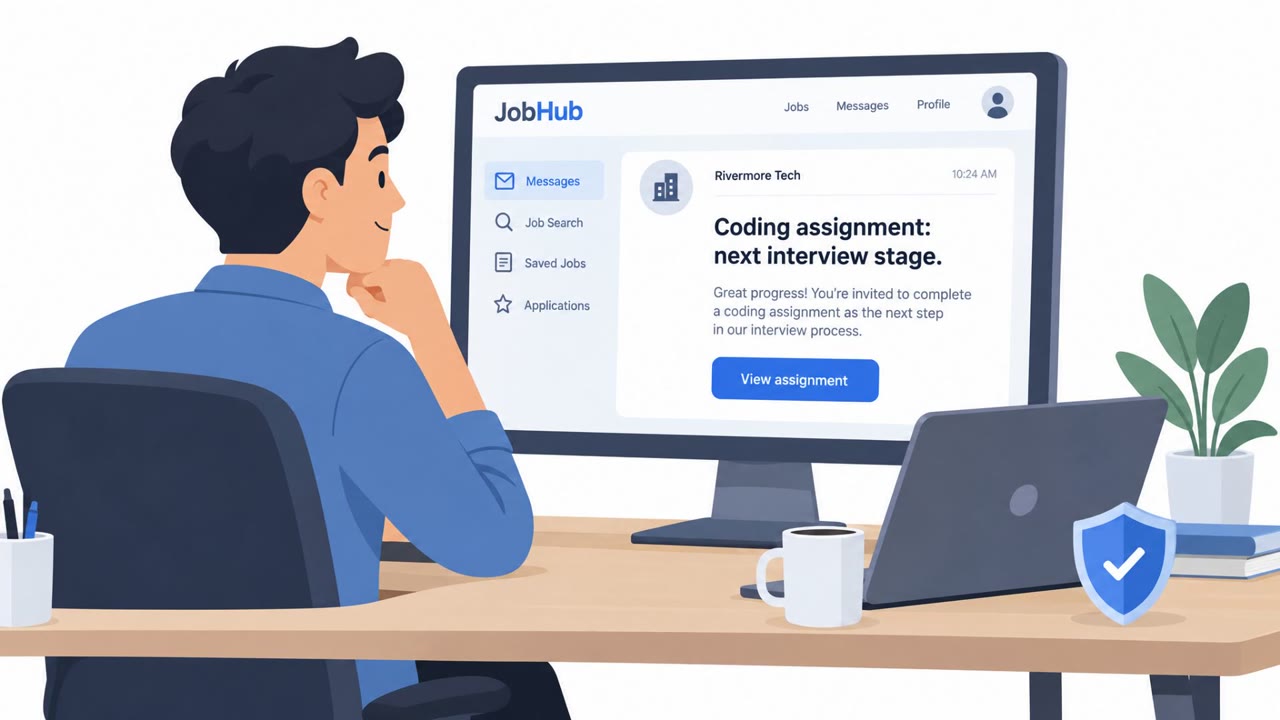
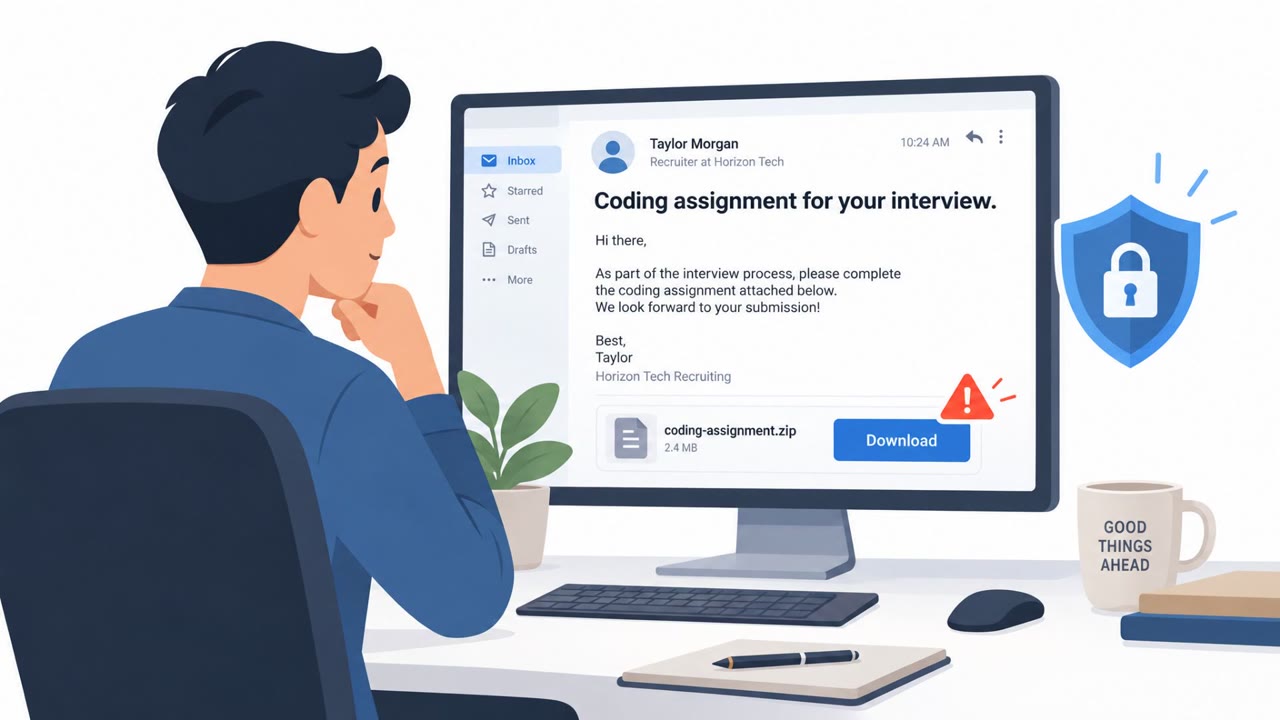
Attackers reportedly used a fake recruiting process to target Binance software engineers over several months. They built trust through a legitimate job platform and a fake HR interview, then persuaded an engineer to download a malicious coding assignment onto a work computer. That access was later used to reach systems involved in wallet-signing operations.
Key findings
- The attackers identified Binance employees through public job-platform profiles and posed as a project director to contact them.
- A fictitious HR representative used a social-media account containing personal photos and videos to build credibility during an interview.
- The target was instructed to download a supposed interview assignment, which was a malicious code repository that executed during setup.
- The initial device compromise was later used to access an internal AI tool and compromise additional employees involved in wallet operations.
- The campaign culminated in unauthorized transfers from Binance hot wallets to attacker-controlled addresses.
Who’s being targeted
- Commonly targeted roles: Software Engineers, Developers, DevOps Engineers, Wallet Operations Teams, IT and Security Teams, Recruiting and HR Teams.
- Affected industries: Cryptocurrency exchanges, Financial services, Software development.
- Attack channels: website.
- Impersonated: Project director and HR representative for a fictitious employer, Recruiter or interviewer for a fictitious employer.
Awareness takeaways
- Treat unsolicited recruiting outreach as a potential security risk, especially when the sender knows where you work and pushes the conversation to another platform.
- Do not download or run interview assignments on a corporate computer unless the employer and repository have been independently verified and the activity is approved.
- Do not rely on personal-looking social-media profiles as proof that a recruiter or interviewer is legitimate.
- Limit what can be downloaded and executed on developer workstations, and keep permissions tightly scoped.
Red flags to watch for
- An unsolicited recruiter specifically references the employee's current employer.
- The recruiter quickly moves the conversation away from the original job platform.
- Trust is built through a personal-looking social-media profile rather than independently verifiable company information.
- A job interview requires downloading code onto a corporate device.
- The assignment comes from an unverified repository or unfamiliar source.
- The request asks the candidate to run setup steps rather than only review code in a safe environment.
Read the video transcript
A job interview helped open the door to a Binance wallet heist. A supposed project director wrote, ‘I saw you work at Binance.’ Then came a move to social chat and an HR profile packed with personal photos. That profile wasn't proof. The second interview's ‘coding assignment’ was the trap: its repository ran malicious code during setup on a work computer. That foothold later reached an internal AI tool, wallet staff, and hot wallets. The memorable part? The code ran before the interview was over. Never set up an interview repository on your work computer.