Attackers linked to North Korea used a fake recruiting process to trick a Binance engineer into downloading a coding assignment onto a work computer. The malicious assignment gave the attackers a foothold, which they expanded through an internal AI tool and privileged engineering access to carry out unauthorized withdrawals.
How the attack unfolded
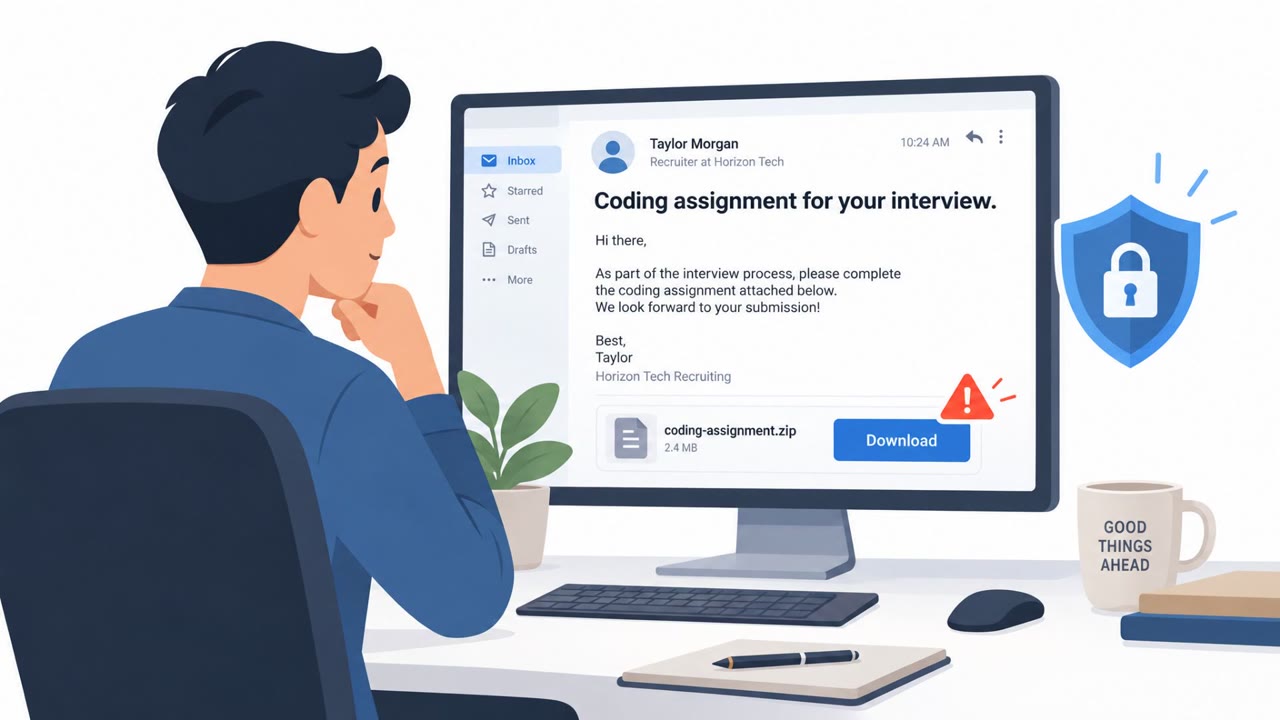
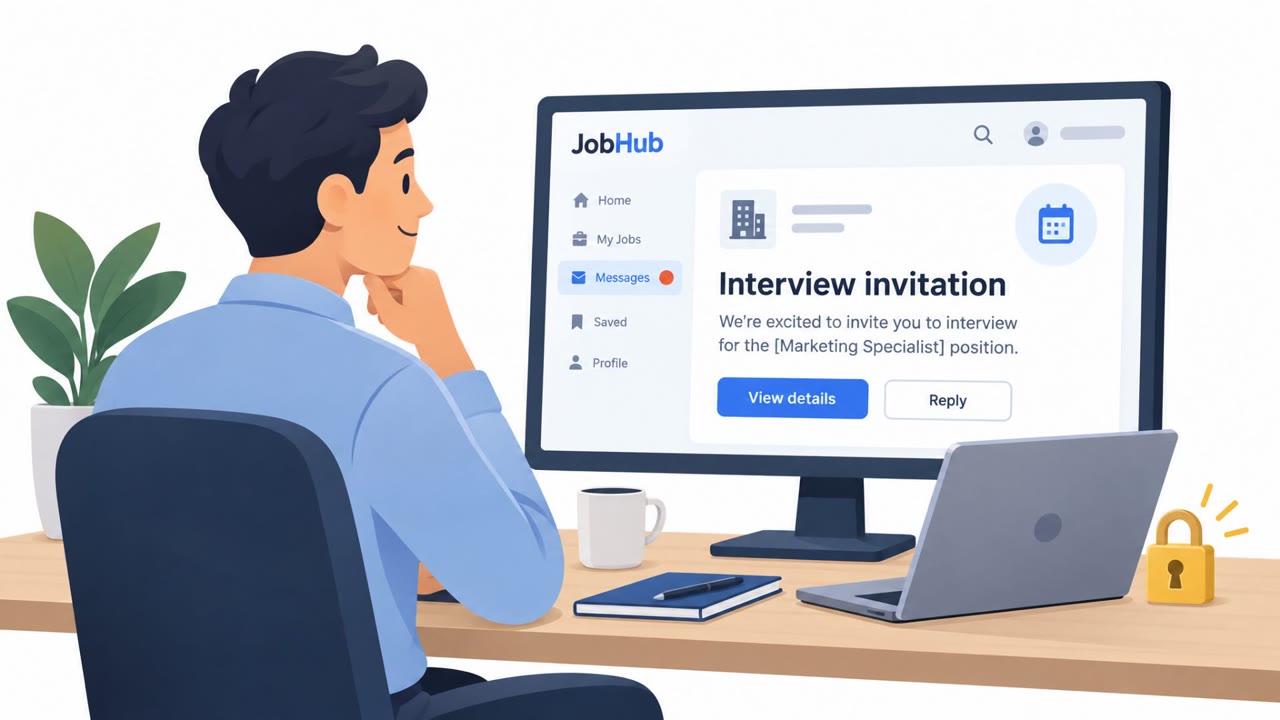
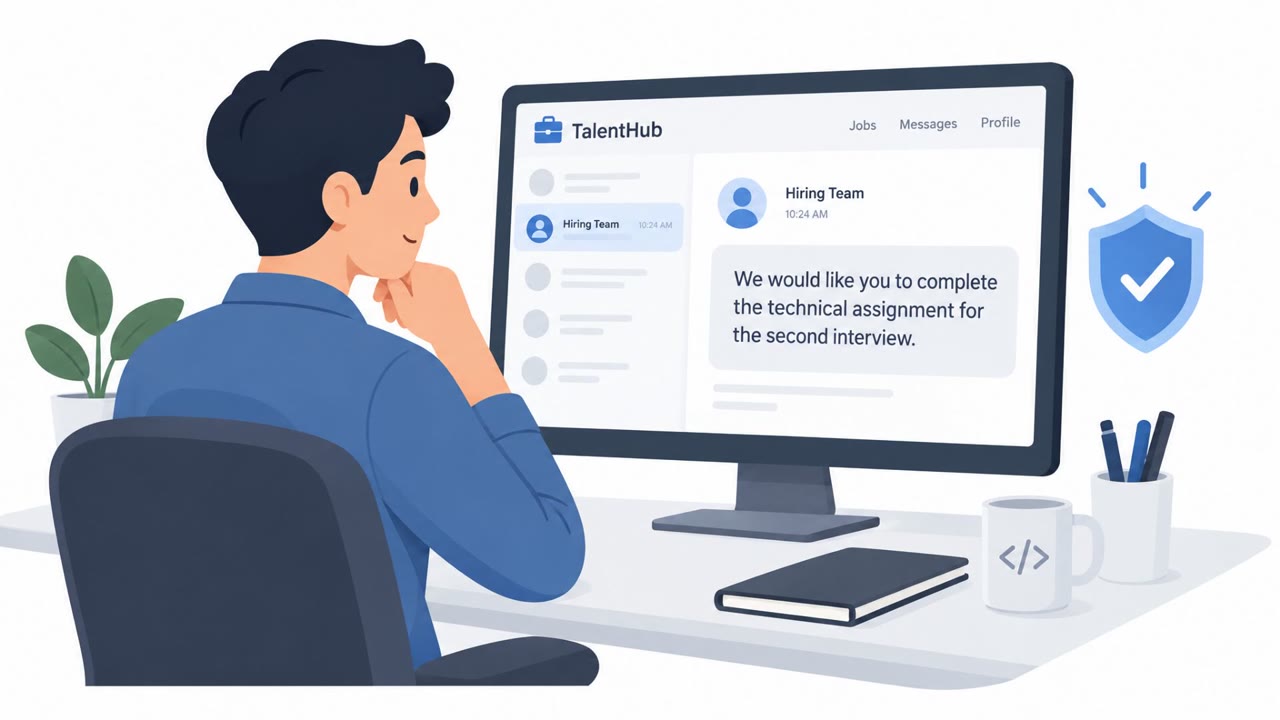
This incident combined two separate initial access methods. In one case, a wallet-infrastructure engineer searched the web for a popular AI coding tool and downloaded a tampered installer instead of getting the software from a trusted source. In a second, more elaborate case, attackers posed as recruiters for a company that did not exist, ran two staged interviews including a fake HR contact and someone claiming to be the CEO, and then asked the engineer to download a coding assignment onto a work computer. That assignment contained malicious code. Once a device was compromised, attackers used an internal AI tool present on it to pivot to machines belonging to other engineers on the wallet infrastructure team, eventually locating a token that could deploy infrastructure containers.
Why it succeeded
The recruitment scam worked because it mimicked a legitimate hiring process closely enough to pass casual scrutiny. Two interviews, a social media profile filled with personal content, and a purported CEO conversation created a sense of legitimacy and urgency that made a coding assignment feel routine rather than suspicious. The separate software download succeeded because it bypassed an approved source, relying on a search result instead of a verified vendor channel. Both paths ultimately gave attackers a foothold on an engineer's work computer, which carried outsized risk because of the internal AI tool and the production access tied to that role.
What to watch for
- Unsolicited recruiting outreach for a company that cannot be independently verified.
- A coding assignment or technical test that must be downloaded or cloned onto a work device rather than reviewed elsewhere.
- Software installers obtained through a general web search rather than an approved internal catalog.
- Any request that conflates an outside interview process with company equipment or company network access.
Building resistance
- Require that all third-party software, including developer and AI tools, be installed only through approved internal channels with technical enforcement such as application whitelisting.
- Treat unsolicited recruiting contact and take-home coding tests as a potential attack path, particularly for engineering, deployment, or signing roles.
- Prohibit outside job interviews, technical assessments, or unknown code review on company workstations, and provide an isolated environment such as a virtual machine for any such activity.
- Give engineers with production or signing access additional safeguards and training, since compromising their workstation can expose connected systems and internal tools to attackers.
The mix of a staged hiring process and a routine-looking software download shows how social engineering and basic technical hygiene gaps can combine to reach highly privileged engineering access.
Key findings
- Attackers reportedly approached a Binance wallet-infrastructure engineer on a job-hunting platform while posing as recruiters for a fake company.
- The recruitment scam used two interviews, a purported HR contact with a social-media profile, and a person claiming to be the CEO to build trust.
- The engineer was instructed to download a coding assignment from a repository onto a work computer; the assignment contained malicious code.
- After compromising the device, attackers used an internal AI tool to reach other engineers' systems and found a token that could deploy infrastructure containers.
- The FBI attributed the attack to North Korea's TraderTraitor unit, which researchers associate with the Lazarus operation.
Who’s being targeted
- Commonly targeted roles: Software Developers, DevOps Engineers, Site Reliability Engineers, Cloud Infrastructure Teams, Wallet Infrastructure Engineers, Security Engineering Teams, Engineering Managers, Employees with production or signing access.
- Affected industries: Cryptocurrency exchange services, Financial services, Technology and software development.
- Attack channels: website.
- Impersonated: A popular AI coding tool or its software download source, A fake company's project director, HR representative, and CEO.
Red flags to watch for
- The download originates from a search result rather than an approved internal catalog or verified vendor source.
- The installer is a tampered Homebrew package.
- The request bypasses normal software approval and installation processes.
- The recruiting company does not exist.
- The recruiting process asks the candidate to use a work computer for an outside interview assignment.
- The assignment is delivered through a repository and contains unexpected or malicious code.
- Trust is built through staged interviews and a social-media account rather than independently verified company contacts.
Frequently asked questions
How did fake recruiters compromise an engineer in this attack?
Attackers posed as a project director, HR representative, and CEO from a company that did not exist, ran two staged interviews to build trust, and then told the engineer to download a coding assignment containing malicious code onto a work computer.
What other method did attackers use to gain a foothold?
A separate wallet-infrastructure engineer searched the web for a popular AI coding tool and downloaded a tampered Homebrew installer instead of getting the software from a trusted source.
How did attackers move beyond the initial compromised device?
Once malware was running on the engineer's computer, attackers used an internal AI tool present on it to pivot to additional machines belonging to two other engineers on the wallet infrastructure team.
Who was attributed to this activity?
The FBI attributed the attack to North Korea's TraderTraitor unit, which researchers associate with the Lazarus operation.
Read the video transcript
A coding test helped open the door to the Binance heist. A fake company contacted a Binance engineer. Two interviews followed: an HR contact with a social-media profile, then a supposed CEO. Next came a repository link. The assignment contained malicious code. On the work computer, it gave them access to an internal AI tool, other engineers' systems, and a container-deployment token. The interviews were the setup. The giveaway? An outside interview asked for code on a work machine. Keep outside coding tests off your work computer.