Binance says attackers used a fake recruitment process to trick an engineer into downloading a malicious coding assignment onto a work computer. The attackers also used a tampered developer-tool installer and later abused internal access to carry out unauthorized wallet transactions, resulting in the reported $6.43 billion theft.
How the attack unfolded
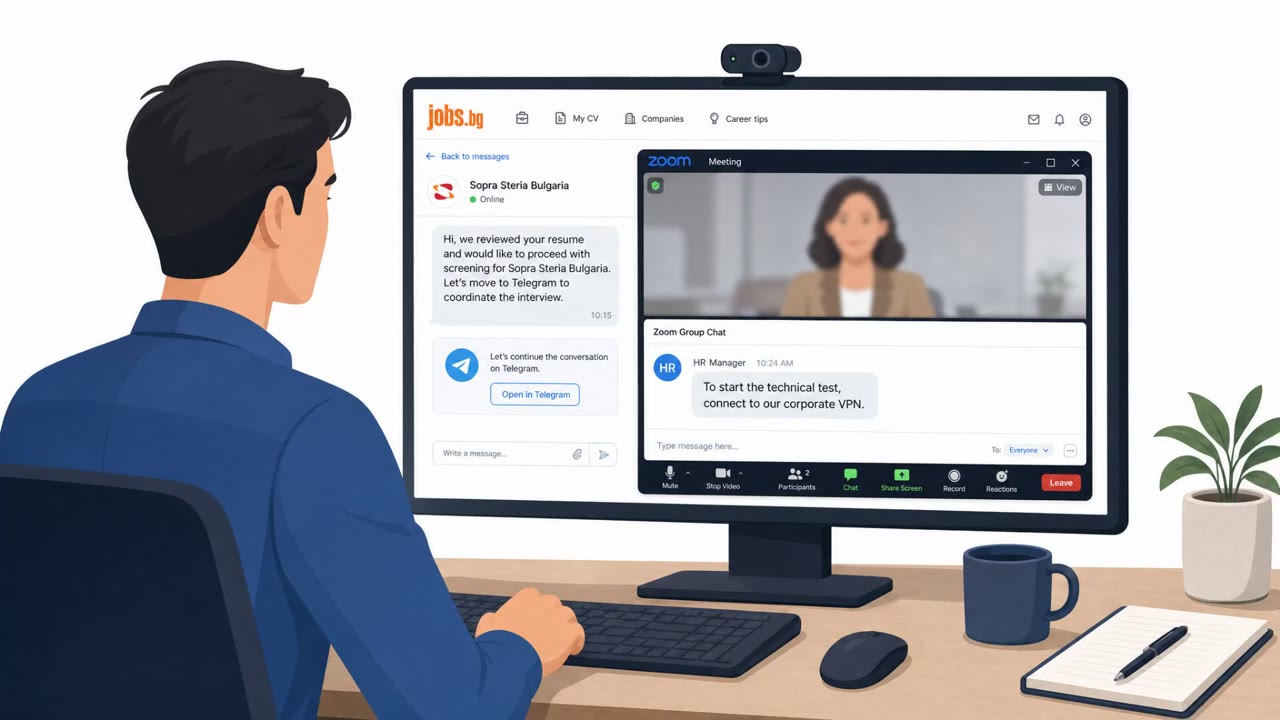
Binance described the incident as a multi-stage campaign rather than a single phishing message. It began when an engineer on the Wallet DevOps team searched for a popular AI tool online and installed a trojanized Homebrew installer. Separately, another engineer was contacted through a legitimate job-hunting platform by someone posing as a Project Director. That persona arranged a first-round interview with a supposed HR representative and a second-round interview with an individual claiming to be the CEO of a non-existent company. Near the end of the process, the engineer was instructed to download a coding assignment, presented as a repository, onto his work computer. The malicious code executed during setup, giving attackers a foothold they later used, along with an internal AI tool, to move toward wallet infrastructure and initiate unauthorized transactions.
Why the deception worked
The fake hiring process layered several trust signals rather than relying on one. A job-hunting platform lent the initial outreach legitimacy. Staged interviews with an HR persona and a fake CEO mimicked a normal recruitment funnel. The HR representative also shared personal social-media content, including photos and videos, specifically to build credibility. Combined, these elements made a request to download and run code on a work device feel like a routine step in a hiring process rather than a red flag.
Red flags to watch for
- A recruiting opportunity progresses from a job platform to interviews with people whose company cannot be independently verified.
- An HR contact shares personal social-media content to establish rapport instead of using standard corporate hiring channels.
- A recruiter or interviewer asks a candidate to download and run code, or install software, on a work device.
- A developer tool is obtained through a search engine result rather than an approved, verified source.
Building resistance to this pattern
Organizations can reduce exposure to this type of campaign by training engineers and recruiting teams to treat unsolicited job approaches as unverified until the recruiter, company, and role are confirmed through known channels. Interview assignments, code repositories, and developer tools should never be downloaded or run on a work device without security review and approval, and developer tools should only be sourced from approved locations even when they appear in search results. Security and IT teams should also reinforce that a legitimate hiring platform, a video interview, or shared personal content does not by itself confirm that a recruiter or employer is genuine. Binance's response, rebuilding systems, replacing devices, revoking credentials and tokens, and tightening device and wallet-service controls, reflects the scope of remediation needed once such access is gained.
Key findings
- Binance described the incident as a multi-stage campaign rather than a single phishing event.
- An engineer first installed a trojanized Homebrew installer after searching for an AI tool online.
- Attackers later approached another engineer through a legitimate job-hunting platform while posing as a Project Director.
- The fake hiring process used an apparent HR representative, a purported CEO, social-media content, and interviews to build trust.
- The target was instructed to download a malicious coding assignment repository onto a work device.
- Attackers used the compromised device and an internal AI tool to move toward wallet infrastructure and ultimately initiate unauthorized transactions.
- Binance rebuilt affected systems, replaced devices, revoked credentials and tokens, and tightened device and wallet-service controls.
Who’s being targeted
- Commonly targeted roles: Software engineers, DevOps engineers, Wallet and payments infrastructure teams, Developers, Security operations teams, IT and endpoint-management teams, Recruiting and HR teams.
- Affected industries: Cryptocurrency exchanges, Financial services, Technology and software development.
- Attack channels: website, vishing.
- Impersonated: A Project Director, an HR representative, and the CEO of a non-existent company, A legitimate developer-tool installer or software distribution source.
Red flags to watch for
- The opportunity progresses from a job platform to interviews with people whose company cannot be independently verified.
- The supposed HR representative shares personal social-media content to establish trust rather than using normal corporate hiring communications.
- A recruiter or interviewer asks a candidate to download and run code on a work device.
- Search results and installers may be manipulated or impersonated.
- Developer tools should be obtained only from approved, verified sources.
- Installing unapproved tools on a work device can expose credentials and infrastructure access.
Frequently asked questions
How did the fake job interview attack on Binance start?
An engineer downloaded a trojanized Homebrew installer after searching for a popular AI tool online, and separately another engineer was approached through a legitimate job-hunting platform by someone posing as a Project Director.
What made the fake hiring process convincing?
The attackers built a fake HR representative, a purported CEO, staged video interviews, and personal social-media content to establish trust before asking the target to download a coding assignment onto a work device.
What happened after the engineer downloaded the assignment?
The malicious code repository executed during setup and allowed attackers to use the compromised device and an internal AI tool to move toward wallet infrastructure and initiate unauthorized transactions.
What did Binance do in response?
Binance rebuilt affected systems, replaced devices, revoked credentials and tokens, and tightened device and wallet-service controls.
Read the video transcript
A job interview helped open the door to Binance’s reported $6.43 billion theft. First, one engineer installed a trojanized Homebrew installer found while searching for an AI tool. Later, a supposed Project Director contacted another engineer through a real job platform. An HR interview, personal social posts, and a supposed CEO made it feel real. Then came the ask: download a coding-assignment repository onto the work computer. That code helped turn device access into wallet access. One rule: get security approval before running interview code on a work device.