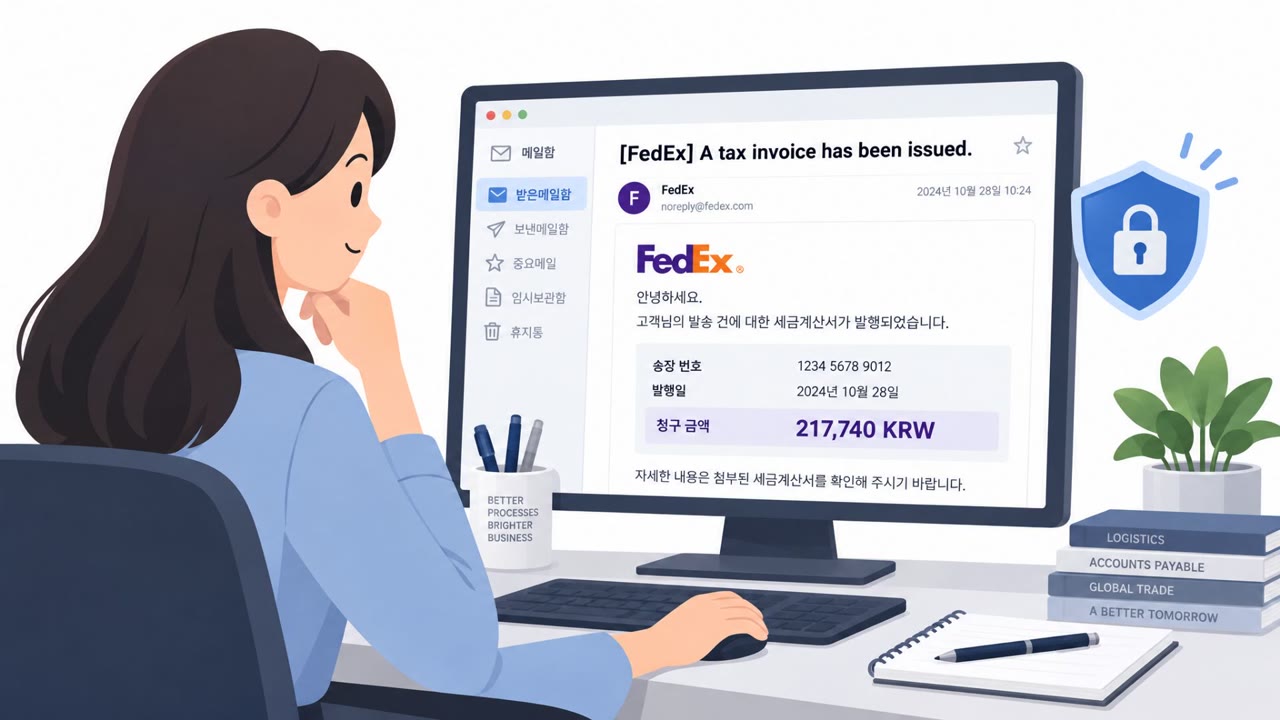
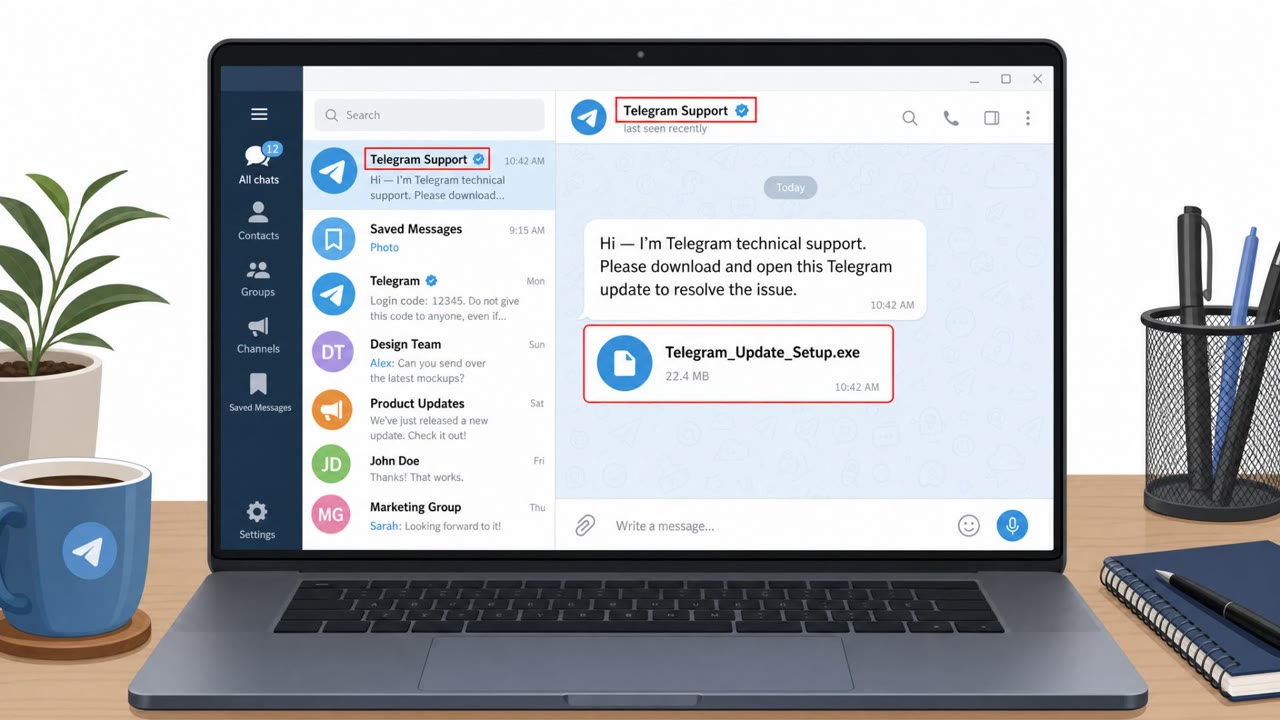
Russia-aligned group Gorbag targeted Ukrainian public-sector and defense organizations with spearphishing emails disguised as administrative fines and tax matters. The messages delivered malicious files that stole browser passwords, VPN settings, documents, and electronic-signature keys, potentially enabling further attacks.
How the attack worked
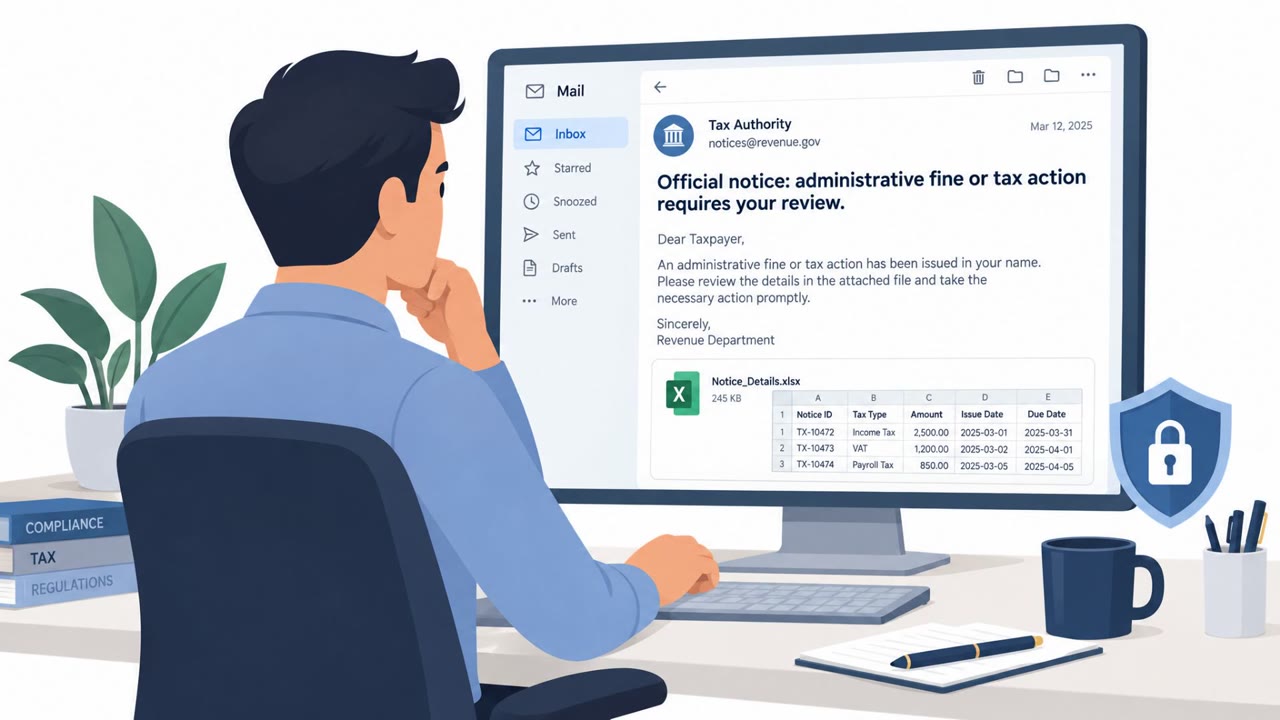
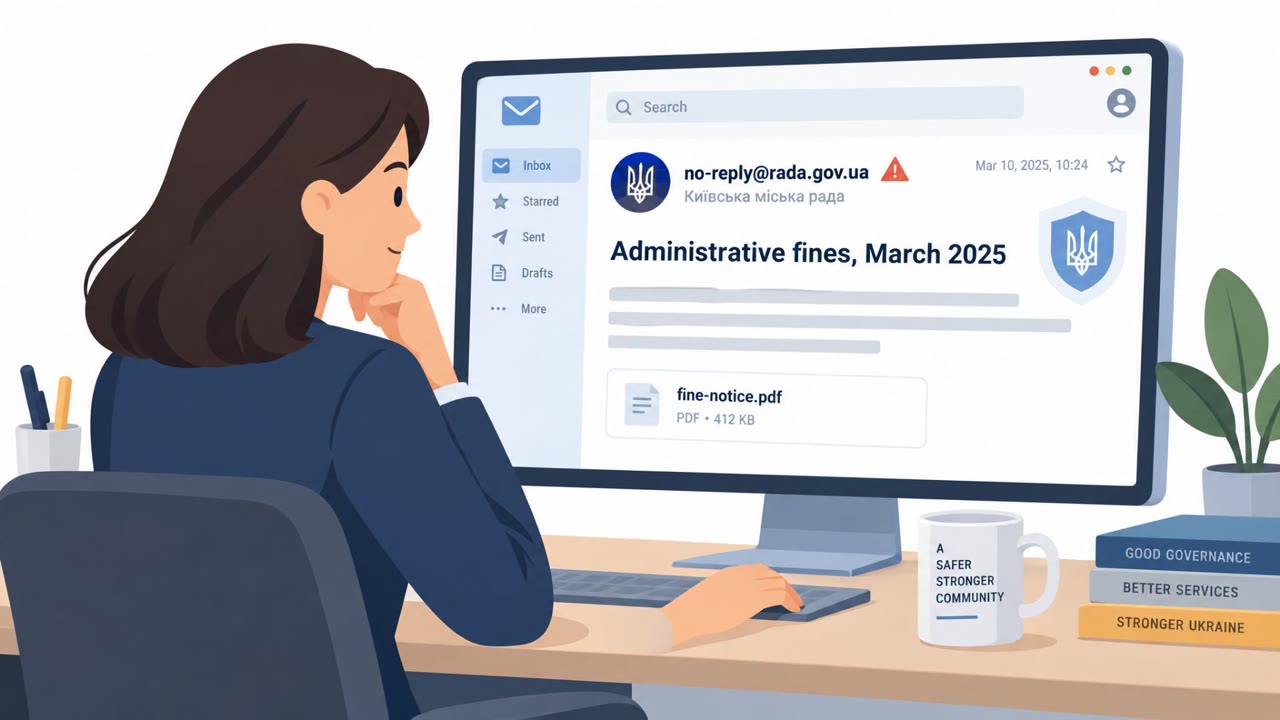
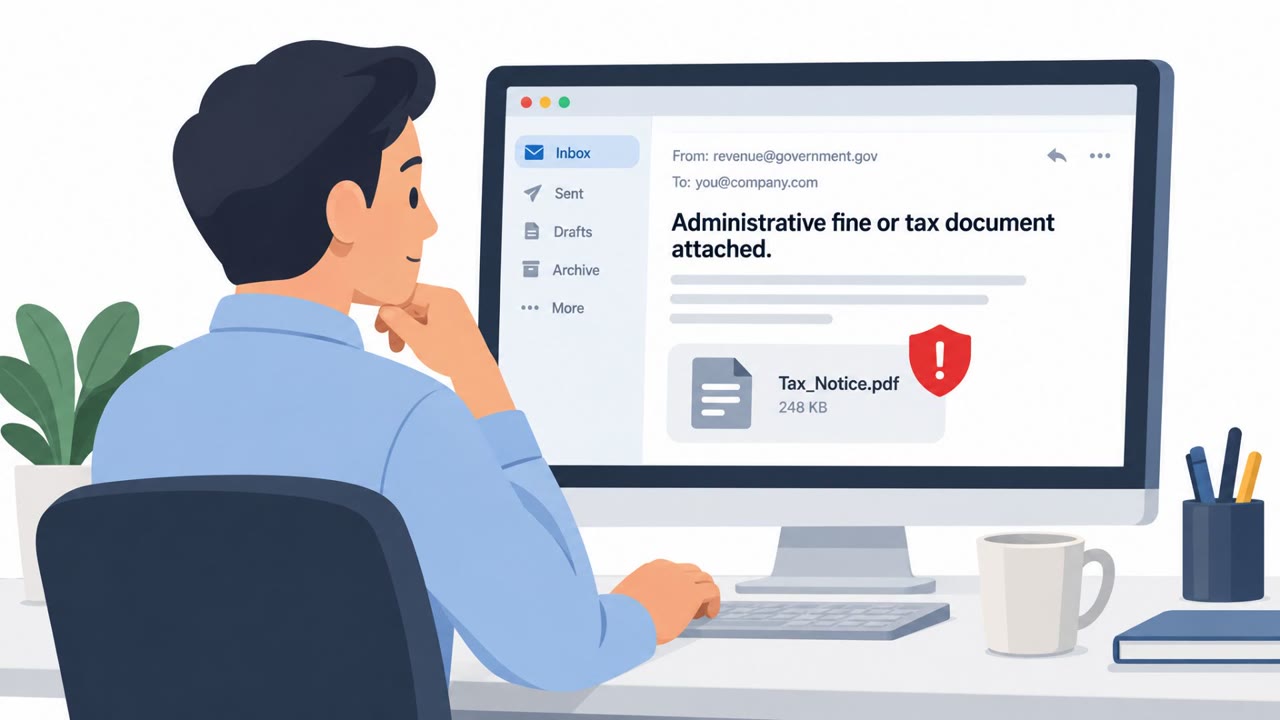
Gorbag, a Russia-aligned group, has targeted Ukrainian justice, law-enforcement, local-government, and defense organizations since at least February 2025. The group sent spearphishing emails themed around administrative fines and tax matters, a pretext likely to prompt quick action from recipients who handle official correspondence as part of their jobs. One of these emails was sent from a compromised local-government account, which would have made the message appear more legitimate to its recipients.
The emails carried macro-enabled Excel files that dropped a stealer called BeautyStealer. Later in the campaign, the group shifted to malicious RAR archives that exploited a WinRAR path-traversal flaw to deliver the same payload. Once executed, BeautyStealer collected browser cookies and saved passwords from Chrome, Edge, Opera, and Firefox, along with OpenVPN configurations, documents, and Ukrainian electronic-signature keys. The stolen data was sent to Telegram or a custom server, after which the malware deleted itself, suggesting it was built for a single collection event rather than ongoing access.
Why it succeeded
Several factors likely contributed to the campaign's effectiveness:
- The fine and tax pretext is routine and bureaucratic, which can lower a recipient's guard compared to more unusual lures.
- At least one email came from a genuine, compromised government account, removing the usual red flag of an unfamiliar sender.
- The payload formats, a macro-enabled spreadsheet and later a RAR archive, resembled plausible attachments for official notices rather than obviously suspicious files.
- The malware's self-deleting, one-time collection design may have reduced the chance of early detection.
What to watch for
Defenders and staff in targeted sectors should treat the following as warning signs:
- An unexpected fine or tax notice that includes an attachment.
- Messages from known government or administrative accounts that request urgent action on an unfamiliar matter.
- Attachments arriving as macro-enabled spreadsheets or RAR archives rather than standard document formats used for official notices.
Building resistance
Organizations in government, justice, law enforcement, and defense sectors can reduce exposure by verifying unexpected fine or tax notices through a known official contact channel before opening any attachment. Staff should be trained not to assume a message is safe simply because it comes from a recognizable government account, since legitimate accounts can be compromised. Avoiding macro-enabled spreadsheets and unexpected archive files, especially those claiming to contain urgent official documents, is also important. Finally, protecting browser-stored passwords and VPN configuration files matters, since a single malicious attachment can expose credentials that enable further attacks, including the possibility that stolen access is passed on to other threat actors.
Key findings
- Gorbag has targeted Ukrainian justice, law-enforcement, local-government, and defense organizations since at least February 2025.
- In 2025, the group used spearphishing emails themed around administrative fines and taxes, including one sent from a compromised local-government account.
- The campaign delivered macro-enabled Excel files, then later shifted to malicious RAR archives exploiting a WinRAR path-traversal flaw.
- BeautyStealer collected browser cookies and saved passwords, OpenVPN configurations, documents, and Ukrainian electronic-signature keys.
- The malware sent stolen data to Telegram or a custom server, deleted itself, and appears designed for one-time collection rather than persistent access.
Who’s being targeted
- Commonly targeted roles: Government employees, Justice and law enforcement personnel, Local government staff, Defense personnel, Administrative and finance teams, IT and security teams.
- Affected industries: Justice and law enforcement, Local government, Defense, Transportation and logistics.
- Attack channels: email.
- Impersonated: Local government or administrative authority.
Red flags to watch for
- An unexpected fine or tax notice contains an attachment.
- The message may come from a compromised but otherwise legitimate local-government account.
- The attachment is an archive or macro-enabled spreadsheet rather than a normal official notice.
Frequently asked questions
What pretext did Gorbag use in its phishing emails?
Gorbag sent spearphishing emails themed around administrative fines and tax notices, including one sent from a compromised local government account, targeting Ukrainian public-sector and defense organizations.
What malware did the Gorbag campaign deliver?
The emails delivered macro-enabled Excel files and later malicious RAR archives exploiting a WinRAR path-traversal flaw, both dropping a stealer called BeautyStealer that collected browser passwords, cookies, VPN configurations, documents, and electronic-signature keys.
Why was this attack effective against targets?
The lures looked like routine official fine or tax notices, and one was sent from a genuine but compromised government account, making the attachment seem more trustworthy than a typical phishing email.
What should organizations do to defend against this type of attack?
Verify unexpected fine or tax notices through a known official channel, avoid opening macro-enabled spreadsheets or archive attachments, and protect browser-stored credentials and VPN configuration files.
Read the video transcript
A fine notice from a local-government account? That could still be a trap. Gorbag sent these emails to Ukrainian public-sector offices. The attachment was a macro-enabled Excel file; later, a RAR archive exploiting a WinRAR flaw. Here’s the catch: even the real government account may be compromised. Open the file, and BeautyStealer can grab saved passwords, VPN settings, and electronic-signature keys. Unexpected fine or tax attachment? Before opening it, call the office using a number you already know.