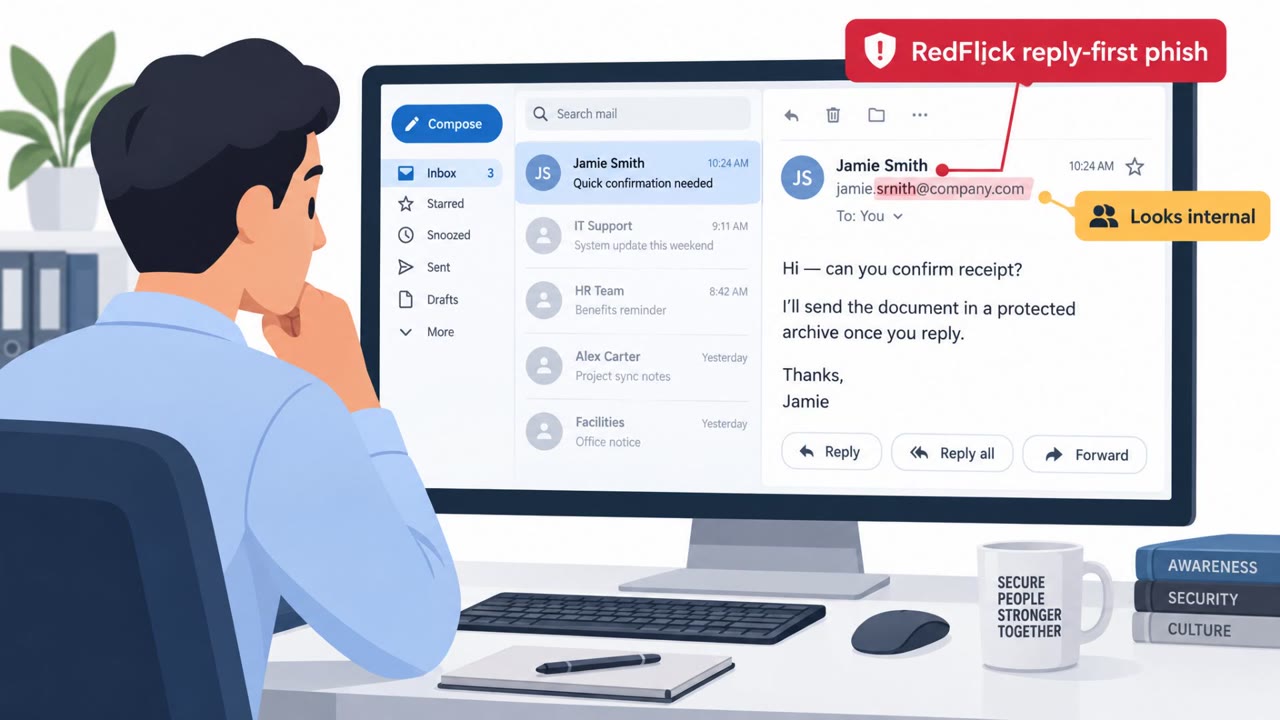
Russia-aligned Gorbag has targeted Ukrainian government, justice, defense, and logistics organizations with convincing spearphishing emails. The group used a compromised local-government email account to send a fake administrative-fines notice with a malicious Excel attachment, then shifted to weaponized WinRAR archives. Its goal is rapid theft of browser passwords, VPN configurations, and sensitive files rather than long-term access.
How the attack worked
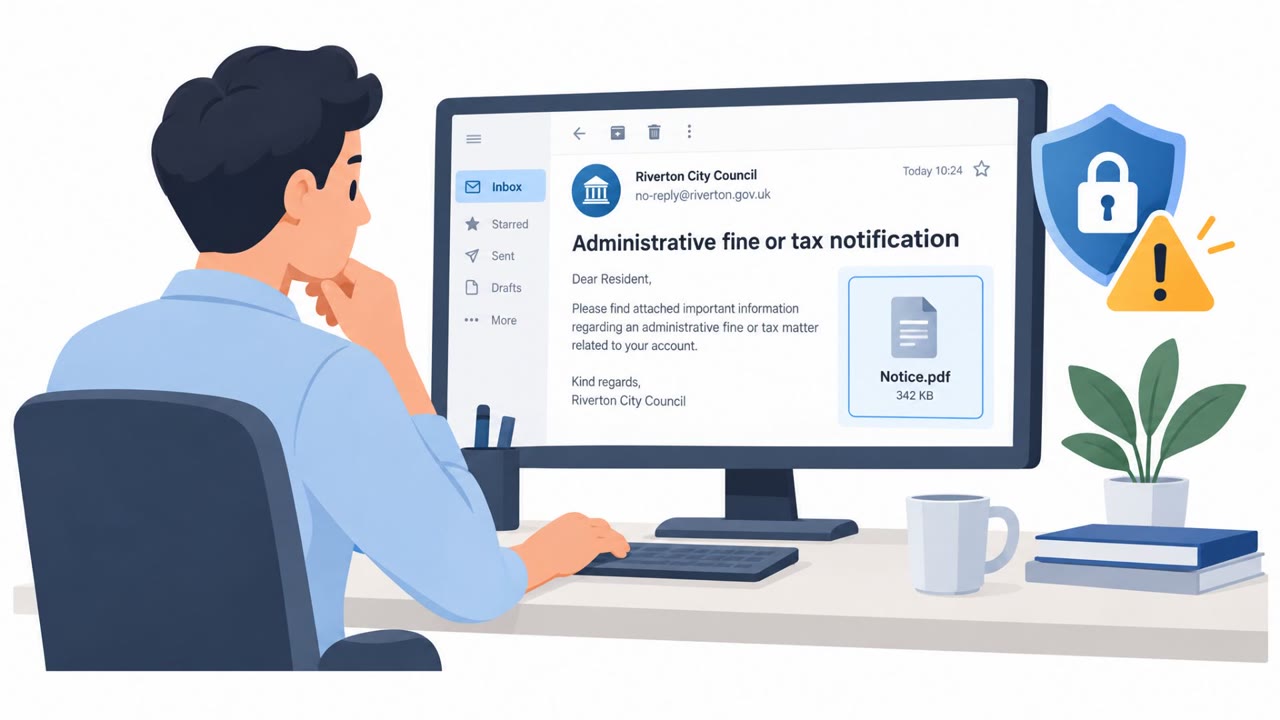
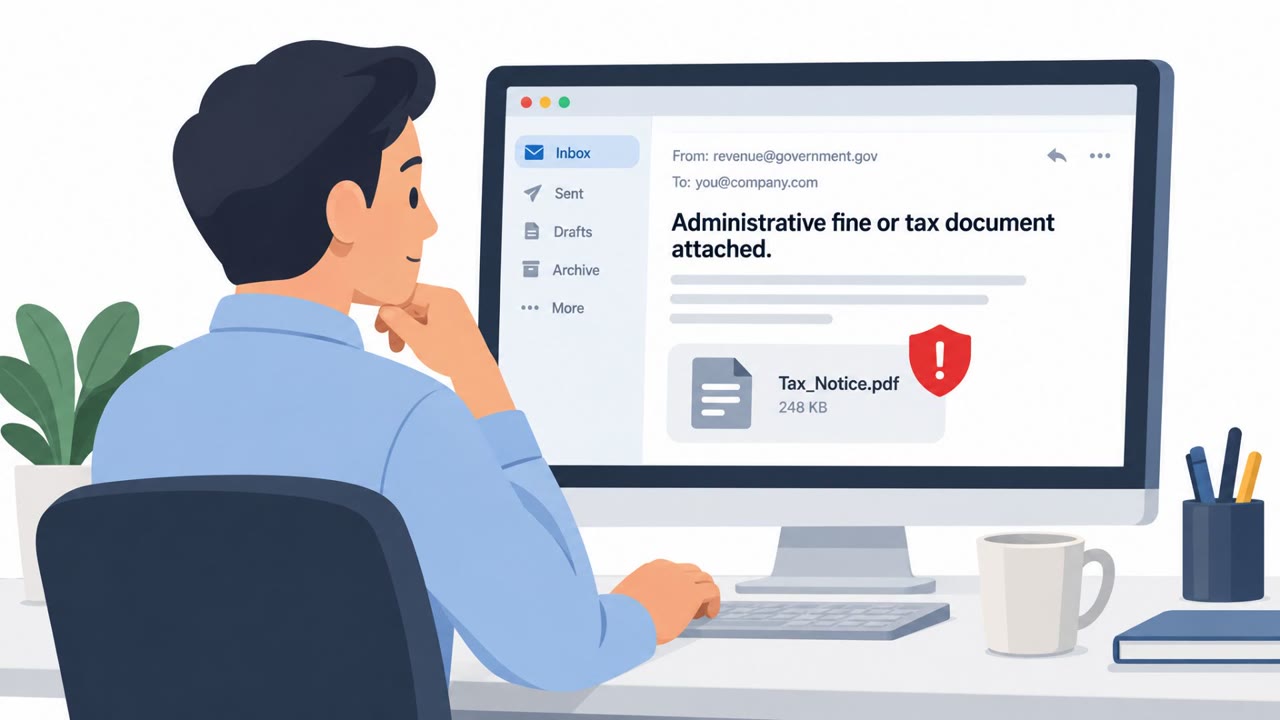
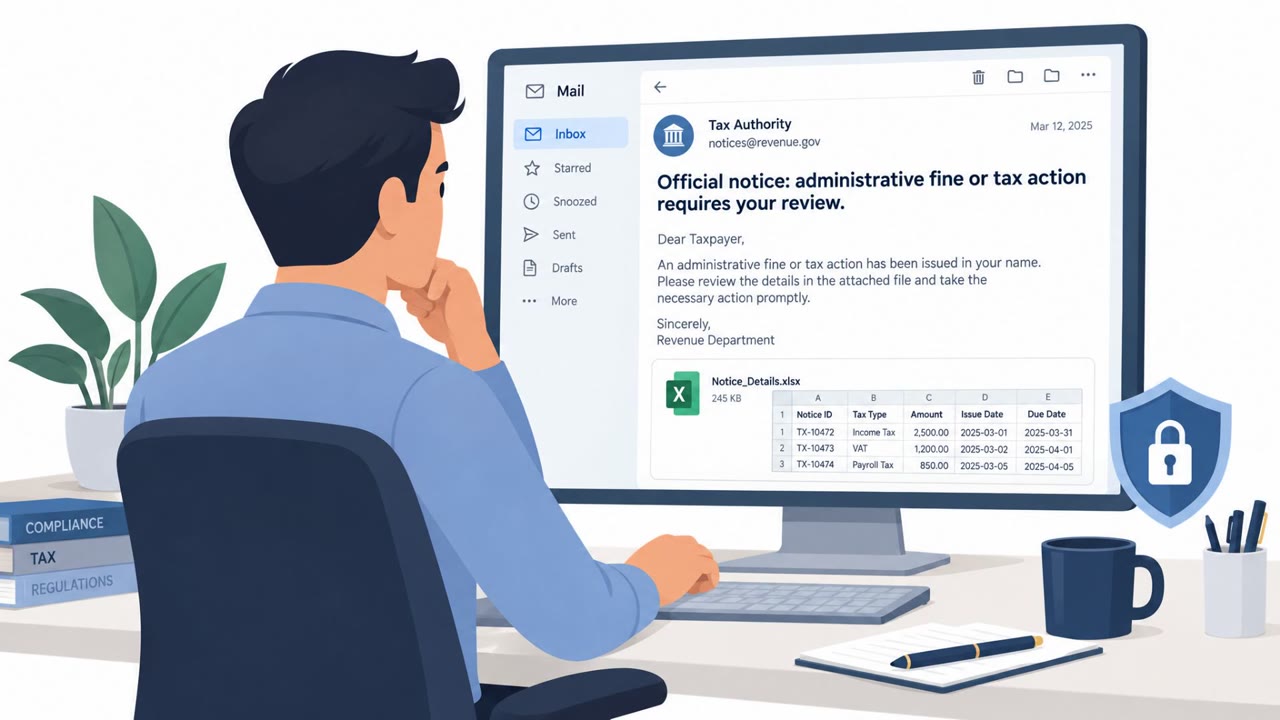
Gorbag, a group active against Ukrainian organizations since at least February 2025, built its campaign around spearphishing emails with official or governmental themes, including administrative fines and taxes. One email was sent from a compromised Ukrainian local-government email account, which likely added credibility to the message. The opening line asked recipients to review employee fines and pass the information along immediately, pairing a routine administrative tone with urgency. The attachment was a macro-enabled Excel spreadsheet. If the victim enabled macros, a short VBA routine decoded a base64-encoded payload, starting the infection chain.
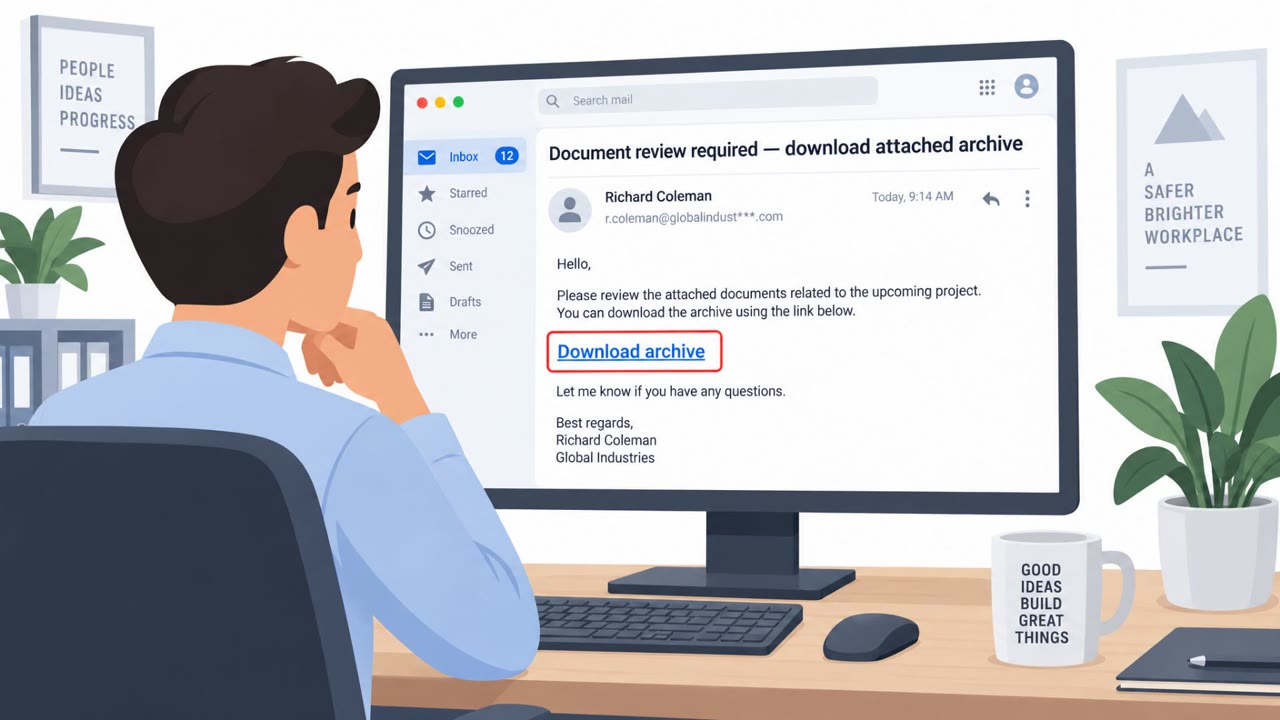
In early 2026, Gorbag shifted tactics and began delivering weaponized RAR archives that exploit CVE-2025-8088, a WinRAR path traversal vulnerability. When opened on a vulnerable system, the archive displayed a decoy PDF while quietly dropping a LNK file into the Windows Startup folder, giving the malware persistence without obvious signs of compromise.
Why it succeeded
The campaign combined believable administrative framing with a compromised sender identity. A message about employee fines sent from a real local-government account removes two of the usual red flags defenders look for: an unfamiliar sender and an implausible topic. The instruction to "convey this information to them immediately" added social pressure to act quickly rather than verify. The later RAR-based approach added a technical layer, using a known vulnerability so a legitimate-looking PDF could mask malicious activity happening in the background.
What to watch for
- Unexpected spreadsheets or archives claiming to contain official fines, taxes, or employee information.
- Messages that push urgency, such as demands to distribute information immediately.
- Government or partner emails that arrive with unusual attachments, even from accounts you recognize.
- RAR or ZIP files that open to a document while other activity happens unseen.
How to build resistance
Organizations in government, law enforcement, justice, defense, and logistics should treat unsolicited administrative documents as suspicious until verified through a separate, known contact channel. Staff should avoid enabling Office macros in unexpected attachments and confirm business need before opening archives. Keeping WinRAR and similar software updated reduces exposure to known vulnerabilities like the one Gorbag exploited. Because the group relies on tools such as T1566.001 for spearphishing attachments and T1204.002 for user execution, training that reinforces pausing before opening unexpected files, regardless of how official they appear, is the most direct defense available.
Key findings
- Gorbag has conducted highly targeted attacks against Ukrainian organizations since at least February 2025.
- The group targets law enforcement and justice bodies, frontline local governments, defense organizations, and a transportation hub associated with foreign military aid.
- In 2025, attackers sent malicious macro-enabled Excel attachments using official-looking themes such as administrative fines and taxes.
- One phishing email was sent from a compromised Ukrainian local-government email account, adding credibility to the lure.
- In early 2026, Gorbag shifted to weaponized RAR archives exploiting CVE-2025-8088, a WinRAR path traversal vulnerability.
- BeautyStealer collects browser passwords and cookies, OpenVPN configurations, and documents from local folders, removable media, and network drives.
- The stolen data is sent to attacker-controlled Telegram chats or a custom command-and-control server, and the malware attempts to delete itself afterward.
Who’s being targeted
- Commonly targeted roles: Government administration staff, Law enforcement personnel, Justice and judiciary personnel, Defense-sector employees, Transportation and logistics personnel, Finance and payroll staff, Human resources staff.
- Affected industries: Government, Law enforcement, Justice and judiciary, Defense, Transportation and logistics.
- Attack channels: email.
- Impersonated: A Ukrainian local government entity, A government or official administrative sender.
Red flags to watch for
- An unexpected spreadsheet attachment claims to contain official employee penalties.
- The message creates urgency by demanding that information be passed on immediately.
- A familiar government sender can still be compromised and should not be trusted automatically.
- Unexpected RAR archives should be treated cautiously, especially when they claim to contain official documents.
- A file archive may display a harmless-looking PDF while placing other files on the computer.
- Keep WinRAR and other document-handling software updated to reduce exposure to known vulnerabilities.
Frequently asked questions
Who did Gorbag target?
Gorbag targeted Ukrainian law enforcement and justice bodies, frontline local governments, defense organizations, and a transportation hub associated with foreign military aid.
How did Gorbag make its phishing emails believable?
One phishing email was sent from a compromised Ukrainian local-government email account, which likely gave the message additional credibility, and the lures used official themes such as administrative fines or taxes.
What happens if a victim opens the malicious attachment?
The macro-enabled Excel attachment runs a VBA routine that decodes a base64-encoded payload, while the later RAR archives exploit a WinRAR vulnerability to display a decoy PDF while dropping malicious files onto the system.
What data does the malware steal?
The malware, BeautyStealer, collects browser passwords and cookies, OpenVPN configurations, and documents from local folders, removable media, and network drives, then sends the data to Telegram chats or a command-and-control server.
Read the video transcript
An employee-fines notice from a real local-government address? Gorbag used exactly that. The email says, 'Please convey this information immediately.' Its attached Excel file asks for macros. In newer emails, a RAR archive opens a harmless-looking PDF. A real sender isn't proof it's safe: that account was compromised. The RAR exploits WinRAR flaw CVE-2025-8088, quietly placing a shortcut in Windows Startup while you see the PDF. BeautyStealer can grab browser passwords, VPN settings, and files. Before opening that unexpected notice, call your known government contact to confirm it.