After a ransomware attack disrupted University of New Mexico healthcare services, the BYOD ransomware group allegedly offered free decryption keys but said it would retain stolen patient and employee data. The group told affected people to contact it directly and pay $2,500 to have personal information destroyed, while the university warned that follow-on messages could be scams.
How the attack unfolded
The BYOD ransomware group claimed responsibility for a cyberattack on the University of New Mexico Health Sciences Center. The disruption affected hospital operations directly, forcing ambulance diversions and the cancellation of outpatient surgeries and appointments. After the initial attack, the group reportedly offered free decryption keys to restore systems, but said it would retain the stolen patient and employee data rather than deleting it outright.
The follow-on extortion attempt
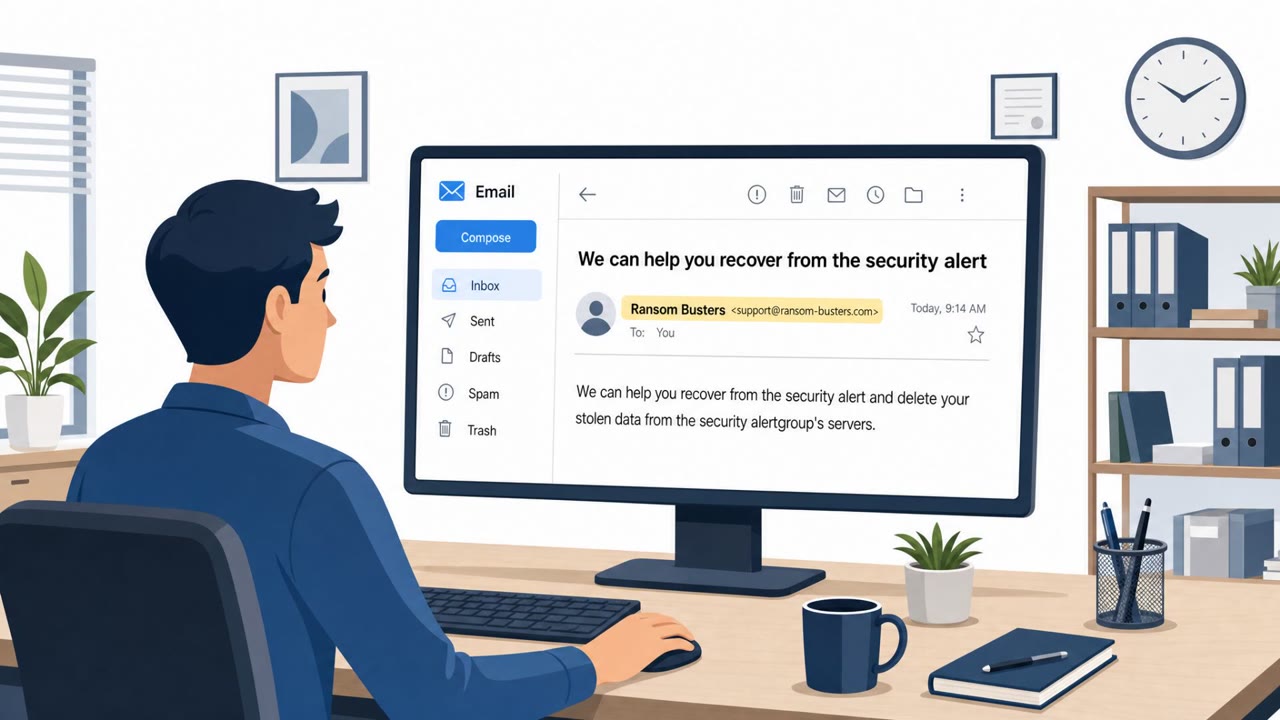
Rather than stopping at the ransomware demand against the university, the attackers allegedly shifted to targeting individuals. They reportedly told patients and employees that personal information would be destroyed only if those individuals contacted the group directly and paid $2,500. The group reportedly framed this request with language like "We are sorry once again. We have morals and we have a heart, we are not villains," an attempt to build emotional trust before making a payment demand.
Why this approach can succeed
This tactic works because it exploits a moment when people are already anxious about their exposed data. A direct message claiming to offer a path to protect personal information feels urgent and personal, especially to patients or employees who may not know how breach notifications normally work. The apologetic tone used in the alleged message is designed to lower suspicion by making the sender seem sympathetic rather than purely predatory.
What to watch for
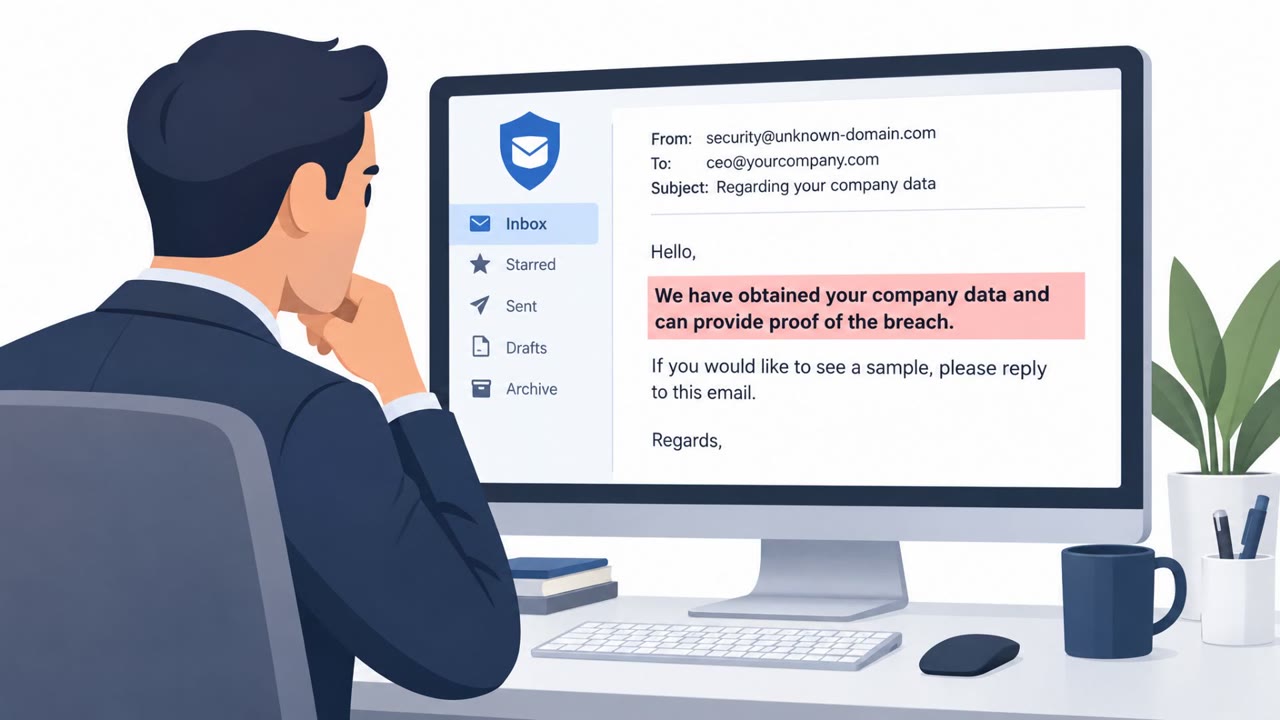
- An unsolicited message or contact from someone claiming responsibility for a cyberattack.
- A demand for direct payment in exchange for protecting or deleting personal data.
- Emotional or apologetic language used alongside a payment request.
- Any request to click links, open attachments, download files, or share personal or financial information in connection with a breach.
Building resistance to this tactic
Organizations and individuals affected by a breach should treat any unsolicited follow-up contact as a potential scam, not a legitimate offer. UNM advised patients, students, employees, and community members not to engage with anyone claiming responsibility for the incident, and instead to preserve the message and report it to the FBI's Internet Crime Complaint Center. Reinforcing this guidance across healthcare and university audiences, including human resources, finance, help desk, and communications teams, helps ensure that follow-on extortion attempts after a breach do not lead to additional identity theft or financial loss.
Key findings
- The BYOD ransomware gang claimed responsibility for the attack on the University of New Mexico Health Sciences Center.
- The group reportedly offered free decryption keys but threatened to keep stolen patient and employee data.
- Hackers allegedly offered to destroy personal information if affected people contacted them directly and paid $2,500.
- UNM warned patients, students, employees, and community members not to engage with people claiming responsibility for the incident.
- The cyberattack disrupted hospital operations, including ambulance diversions and cancelled outpatient surgeries and appointments.
Who’s being targeted
- Commonly targeted roles: Healthcare employees, Patients, Students, University staff, Human resources, Finance teams, Help desk personnel, Communications teams.
- Affected industries: Healthcare, Hospitals, Higher Education, Biomedical Research.
- Impersonated: BYOD ransomware gang / attackers claiming responsibility for the University of New Mexico incident.
Red flags to watch for
- An unsolicited person claims responsibility for a cyberattack.
- The sender asks for direct payment to protect or delete personal data.
- The message uses an emotional apology to build trust while making a payment demand.
Frequently asked questions
What happened in the UNM ransomware attack?
The BYOD ransomware group claimed responsibility for an attack on the University of New Mexico Health Sciences Center that disrupted hospital operations, including ambulance diversions and cancelled appointments.
Why did the attackers contact patients directly after the breach?
The group reportedly offered free decryption keys to the university but told affected patients and employees they would need to pay $2,500 directly to have their personal information destroyed.
What should someone do if contacted by the attackers?
UNM advised anyone contacted by the hackers to avoid engaging, keep the message, and report it to the FBI's Internet Crime Complaint Center rather than responding or paying.
What are the warning signs of this type of follow-on scam?
Red flags include an unsolicited party claiming responsibility for a breach, demands for direct payment to protect or delete data, and emotional language designed to build trust before a payment ask.
Read the video transcript
After the UNM hospital cyberattack, a message offers to erase your stolen data. The BYOD ransomware group claims it stole patient and employee records. It offers free decryption keys, but says it will keep the data unless people contact it directly and pay $2,500. Here's the tell: 'We have morals and we have a heart' sits right next to a payment demand. An apology doesn't make data deletion real. UNM says don't engage with anyone claiming responsibility. If you get this message, report it through your official security channel.