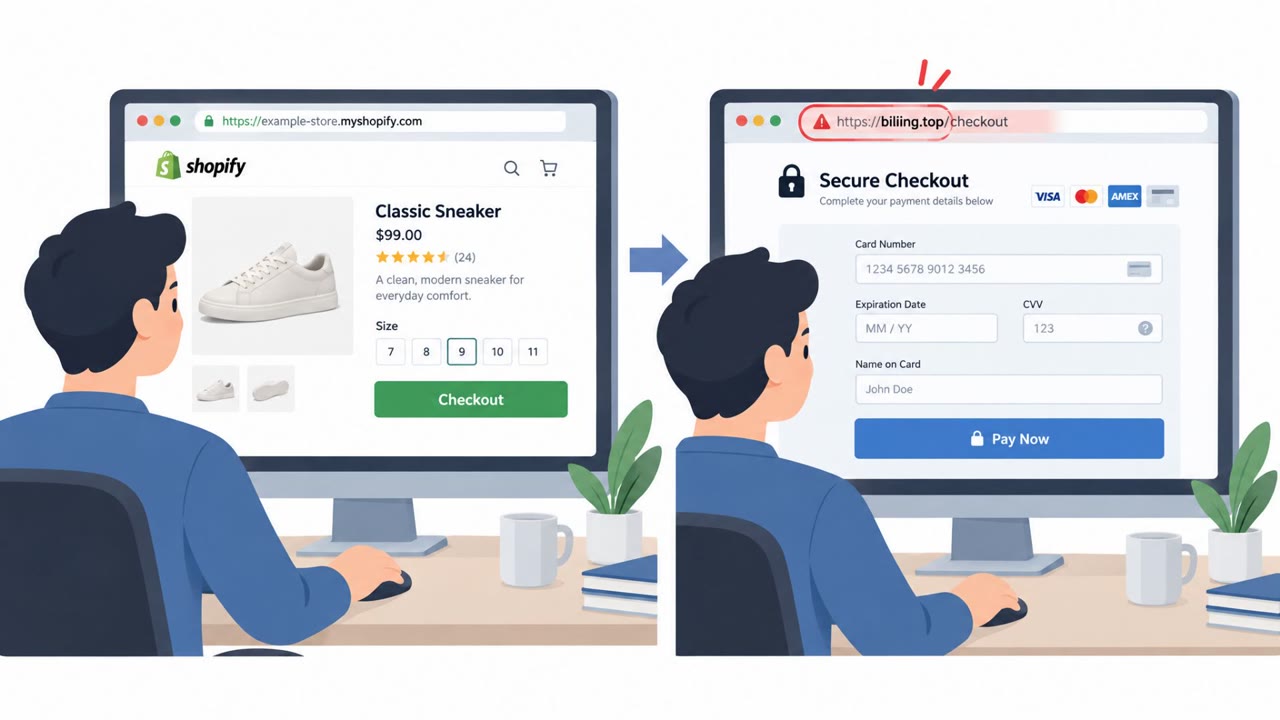
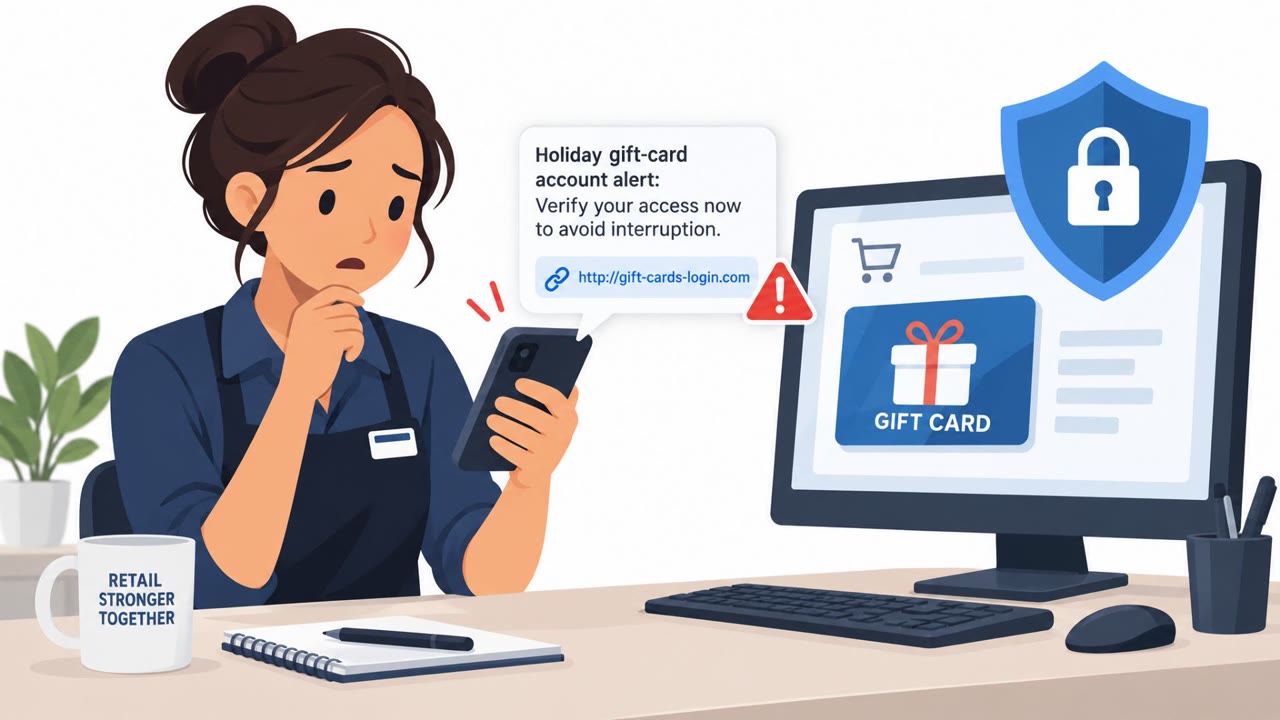
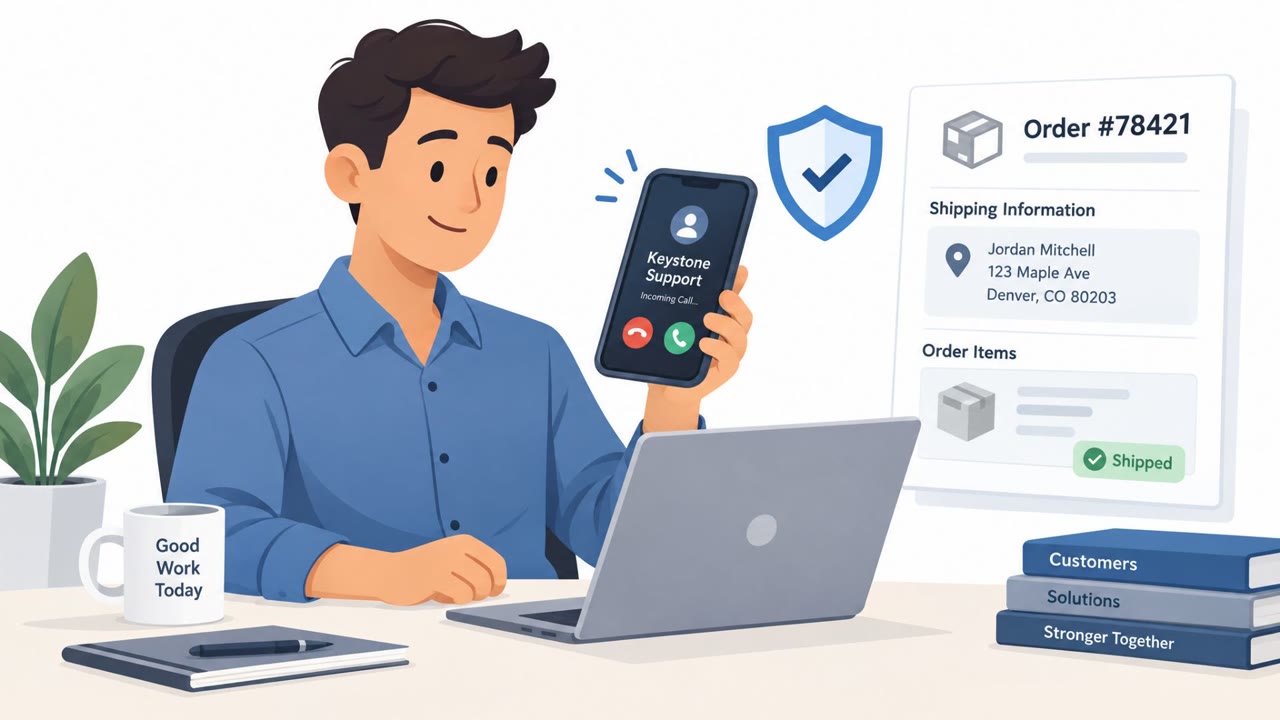
Flashpoint observed underground schemes targeting retailers through fraudulent delivery disputes, refund-and-replacement abuse, gift card fraud, and fake customer-service accounts. The schemes exploit support processes and can cause a retailer to send replacement goods and then approve a fraudulent refund for the same order.
How the scheme works
Fraud rings target retailer support and refund processes rather than technical systems. According to Flashpoint, the core tactic involves a customer falsely claiming that a delivery was missing, a package arrived empty, or an item was incorrect. The request then asks support staff to both ship a replacement and process a refund for the same order, letting the retailer lose value twice on a single transaction.
A second track of this activity involves fake customer-service accounts that impersonate a retailer. These accounts steer shoppers toward external channels that fall outside the retailer's official support process, where normal verification and case-record checks do not apply. Underground advertisements have also referenced access tied to ecommerce platforms including Shopify, Magento, and OpenCart.
Why it succeeds
These schemes work because refund, replacement, payment, and account-change actions are often handled by separate teams without shared visibility. An agent approving a refund may have no way to see that another team already issued a replacement for the same order. Urgent or emotional language from the customer can also push staff to resolve the issue quickly rather than complete the verification steps.
What to watch for
- The same order already has a prior replacement or refund event on record.
- A request pushes staff to skip or bypass standard verification steps.
- Order, payment, and account details conflict with the customer's delivery claim.
- A support account directing customers elsewhere is not listed among the retailer's official channels.
- Gift card purchases are followed quickly by redemption activity.
Building resistance
Retailers can reduce exposure by requiring a defined verification process and clear escalation route for refund, replacement, and account-change requests, especially when evidence conflicts. Giving agents visibility into whether another exception has already been granted for an order closes one of the main gaps fraudsters exploit. Staff also benefit from practicing how to handle urgent or emotional requests without skipping required checks.
For gift cards, reviewing purchase and redemption activity together is more reliable than flagging large purchases alone. Finally, publishing official support channels clearly and giving customers a simple way to report suspected impersonation accounts helps limit the reach of fake customer-service operations that try to move shoppers off-platform.
Key findings
- Fraudsters make false claims that deliveries are missing, packages are empty, or items are incorrect.
- Some refund-abuse schemes seek both replacement goods and a refund for one order.
- Attackers attempt to bypass support verification and use fake customer-service accounts to move shoppers to external channels.
- Underground advertisements claimed access to ecommerce stores, including stores using Shopify, Magento, and OpenCart.
- Retailers need shared visibility into refund, replacement, payment, and account-change events before approving exceptions.
Who’s being targeted
- Commonly targeted roles: Customer Support, Refund Operations, Fraud Operations, Ecommerce Administrators, Payments Teams, Retail Security Teams, Social Media Support.
- Affected industries: Retail, Ecommerce, Customer support, Payments and gift cards.
- Attack channels: email, website.
- Impersonated: Retail customer, Retailer customer service.
Red flags to watch for
- The same order has a prior replacement or refund event.
- The request asks staff to bypass verification.
- Order, payment, and account records conflict with the delivery claim.
- The account is not listed on the retailer's published official support channels.
- The account directs shoppers to an external channel.
- The request bypasses normal retailer verification and case-record processes.
Frequently asked questions
What is refund-and-replacement fraud at retailers?
It is a scheme where a fraudster falsely claims a delivery was missing, empty, or incorrect in order to get both a replacement item shipped and a refund approved for the same order.
How do fake customer-service accounts fit into these schemes?
Some fraud operations set up fake customer-service accounts that impersonate a retailer and direct shoppers to external channels, bypassing the retailer's normal verification and case-record process.
How can retailers catch double-dip refund attempts?
Support and fraud teams need visibility into whether another team has already issued a replacement or refund for the same order before approving a new exception.
What should retailers watch for in gift card fraud?
Review gift card purchasing and redemption activity together rather than flagging large purchases alone, since a flagged payment followed by rapid redemption is a stronger signal of fraud.
Read the video transcript
One order can cost us twice. An email says, ‘My delivery is missing. Please send a replacement and process my refund.’ Another version claims the box was empty or the item was wrong. Here’s the double-dip: one team ships a replacement; another refunds the same order. A request to skip verification, or records that conflict, is your warning. Before approving either exception, check the full order history for prior refunds or replacements.