The article describes two real workforce impersonation campaigns: North Korean IT workers using false identities to get hired, and Scattered Spider attackers seeking to regain control of legitimate employee accounts through support requests. Both exploit weak identity checks during hiring, account provisioning, and recovery, showing why organizations should verify high-risk requests against a trusted employee identity record.
Two Paths to the Same Goal
This breakdown covers two real workforce impersonation patterns that both aim to get an impostor inside an organization's trusted identity perimeter. In the first, workers reportedly used false or stolen identities along with U.S. based facilitators to get hired at more than 100 American companies. Once hired, these workers received legitimate equipment and credentials, giving an impostor authorized access from day one. In the second pattern, attackers associated with Scattered Spider target account recovery processes, claiming to have lost a device or authentication factor in order to regain control of a legitimate employee's account.
Why These Attacks Succeed
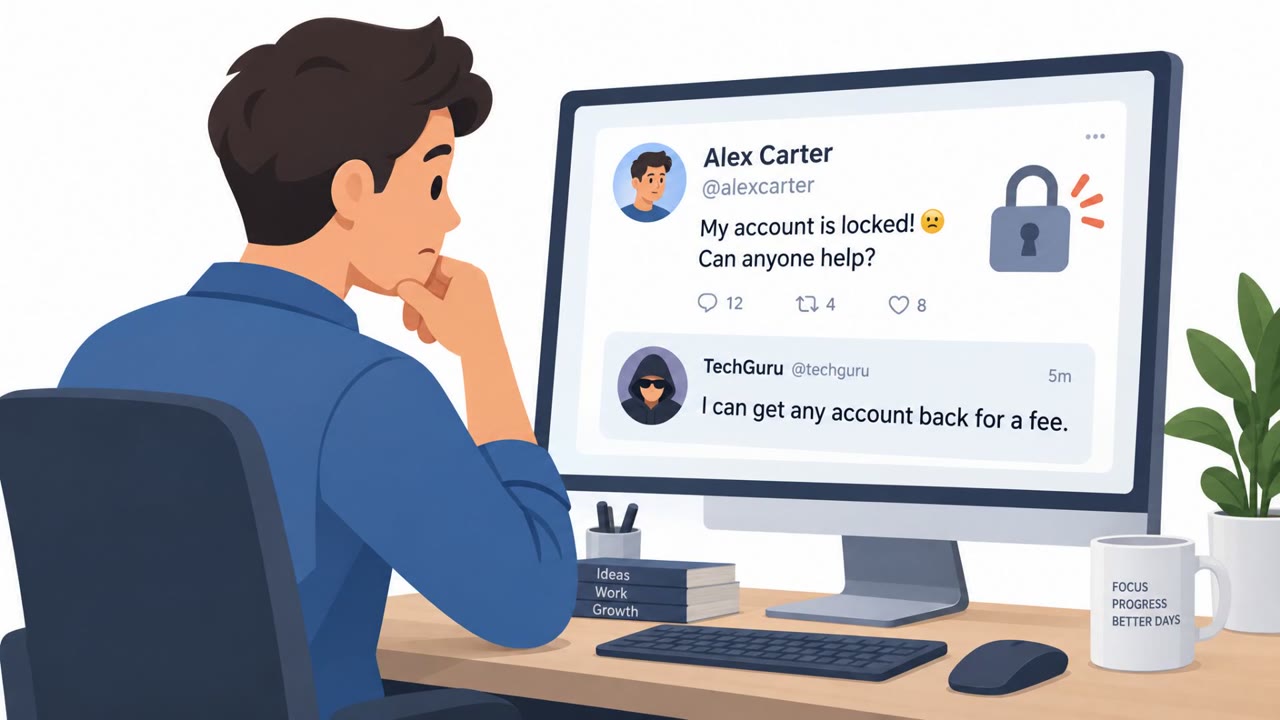
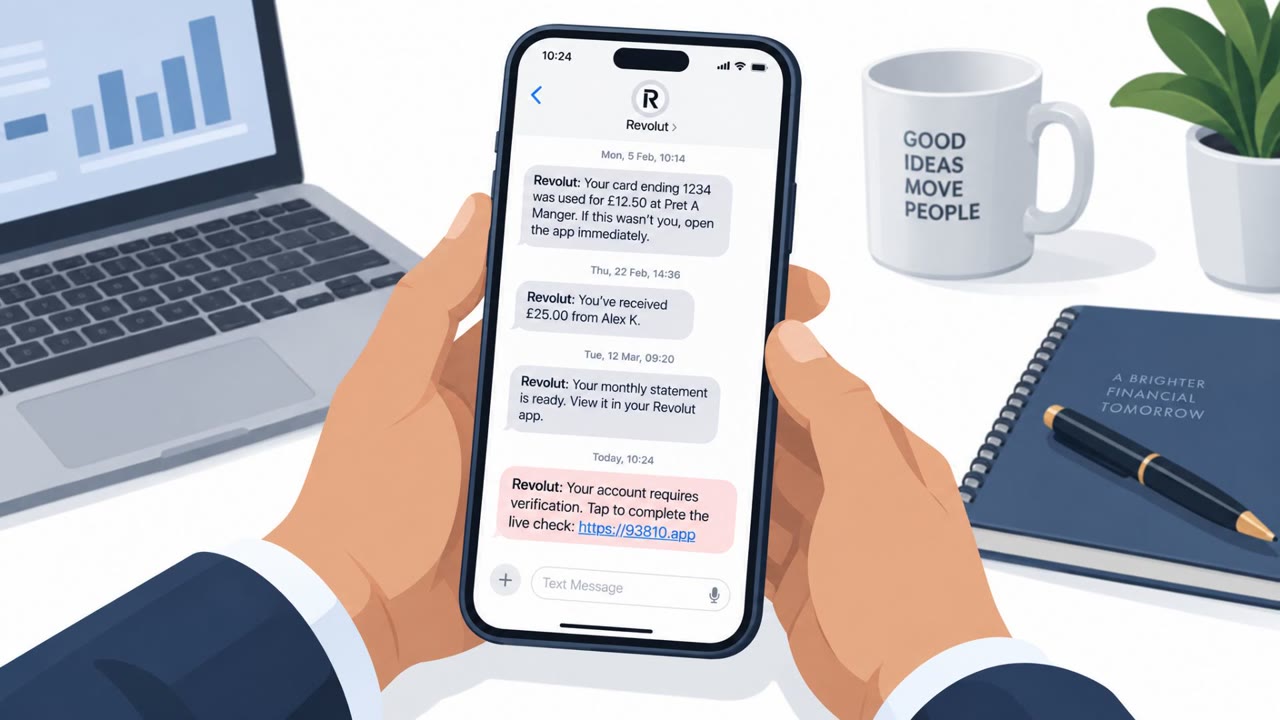
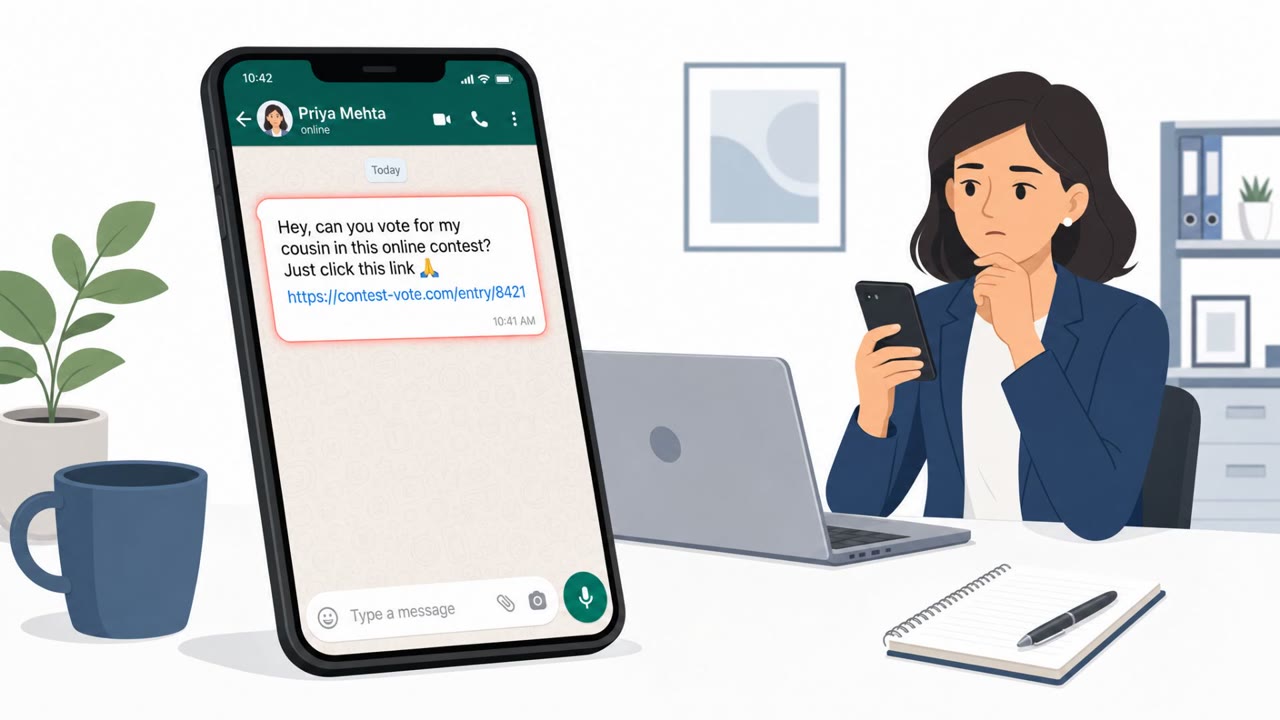
Both campaigns exploit the same underlying gap: weak identity verification at key transition points, including hiring, account provisioning, and account recovery. A fraudulent support request can sound convincing when the caller cites an employee's role, manager, or recent activity. But this kind of workplace knowledge is not proof of identity. Attackers can gather these details from social media, prior data breaches, or earlier conversations with support staff, making social engineering effective even without technical intrusion.
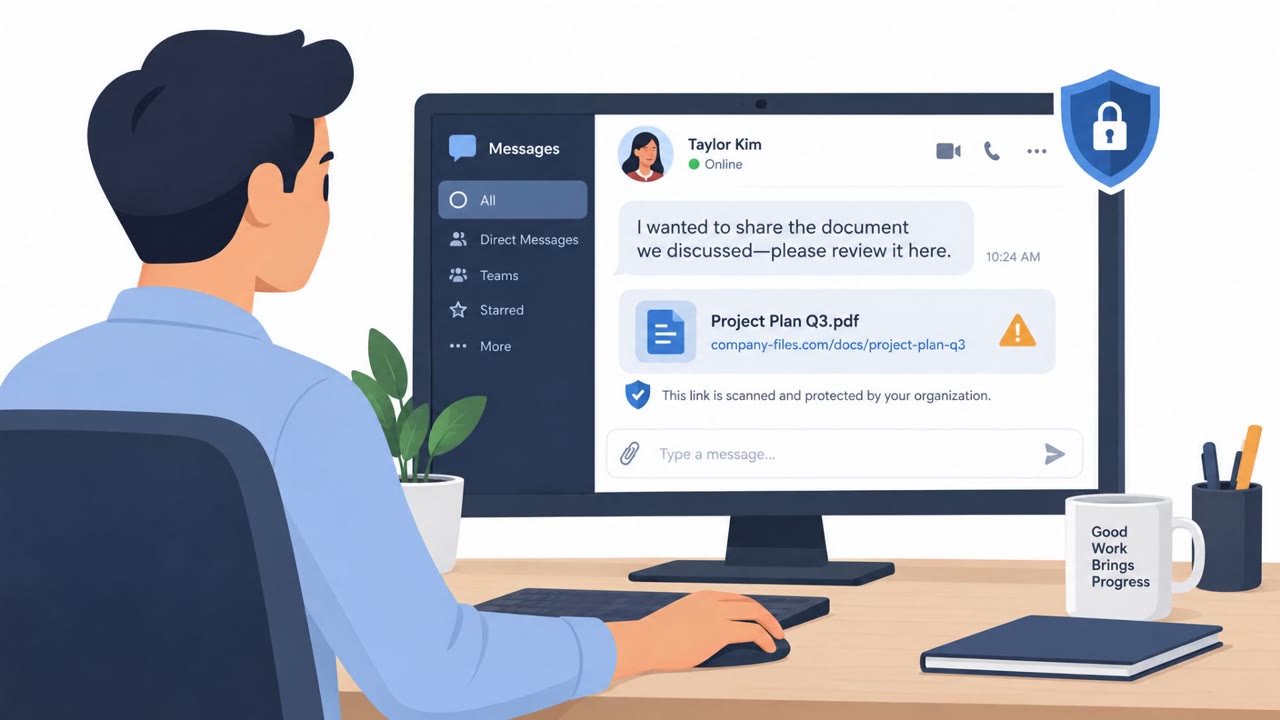
Remote hiring adds another vulnerability. The person who applies for a job may not be the same person who later completes an assessment or shows up for work. Without continuity checks across these hiring milestones, organizations risk onboarding an impostor who never matches the originally screened applicant.
High Risk Moments to Watch For
- Password reset requests, which can quietly open a new route into an established identity
- Multifactor authentication replacement requests, which change who can satisfy future authentication challenges
- Claims of a lost device or authentication factor used to justify urgent account recovery
- Remote hiring steps where the interviewed or onboarded person may differ from the originally verified applicant
- Urgent or exception based requests that bypass standard safeguards
Building Resistance
Organizations can reduce exposure by treating password resets and multifactor authentication changes as identity transfer events rather than routine support tickets, verifying the requester against a trusted identity record before proceeding. Subsequent interviews during remote hiring can confirm that a candidate matches the person originally verified, preserving continuity across the hiring pipeline.
For urgent or exceptional access requests, a Know Your Employee style program that records who approved an exception, what evidence supported it, and how long the resulting access remained valid creates accountability and limits how far a single social engineering attempt can reach. Recruiters, hiring managers, HR, IT service desks, and identity and access management teams all have a role in closing these gaps, since the attack techniques described rely on exploiting routine processes rather than technical vulnerabilities.
Key findings
- North Korean IT workers reportedly used false or stolen identities and U.S.-based facilitators to obtain jobs at more than 100 American companies.
- Once hired, the North Korean workers received legitimate equipment and credentials, giving an impostor authorized access.
- Scattered Spider exploits account-recovery processes by claiming to have lost a device or authentication factor.
- Employee details such as role, manager, and recent activity can make a fraudulent support request sound convincing but do not prove the caller's identity.
- Password resets and multifactor-authentication replacement requests are high-risk actions because they can transfer control of an established account.
- Urgent exceptions can weaken standard safeguards and should be documented, approved, and time-limited.
Who’s being targeted
- Commonly targeted roles: Recruiters, Hiring managers, Human resources, IT service desk, Identity and access management teams, IT administrators, Security operations teams.
- Affected industries: Cross-industry employers, Information technology, Professional services.
Frequently asked questions
How do fake job applicants get hired at real companies?
Reports describe workers using false or stolen identities and U.S.-based facilitators to get hired at more than 100 American companies, after which they received legitimate equipment and credentials.
Why is a password reset considered a risky support request?
A password reset can look routine but it can give someone a new route into an established identity, and replacing a multifactor method is even more consequential because it changes who can satisfy future authentication challenges.
Can knowing an employee's manager or role prove someone's identity?
No. Knowledge of a role, manager, or recent activity can make a request sound convincing, but it does not prove who is actually making it since such details can be gathered from social media or data breaches.
What should organizations do about urgent access exceptions?
Urgent requests should be documented, approved, and time-limited, since attackers create urgency specifically because emergency procedures often weaken normal safeguards.
Read the video transcript
The account can be real. The person behind it might not be. North Korean IT workers reportedly used false identities to get hired, then received real equipment and credentials. Scattered Spider uses another route: a support request saying, “I lost my phone. Replace my MFA.” Here’s the catch: knowing someone’s manager, role, or recent work doesn’t prove identity. A reset can hand over an established account, even when the request sounds urgent. Before hiring handoff or account recovery, match the person to your trusted employee identity record.