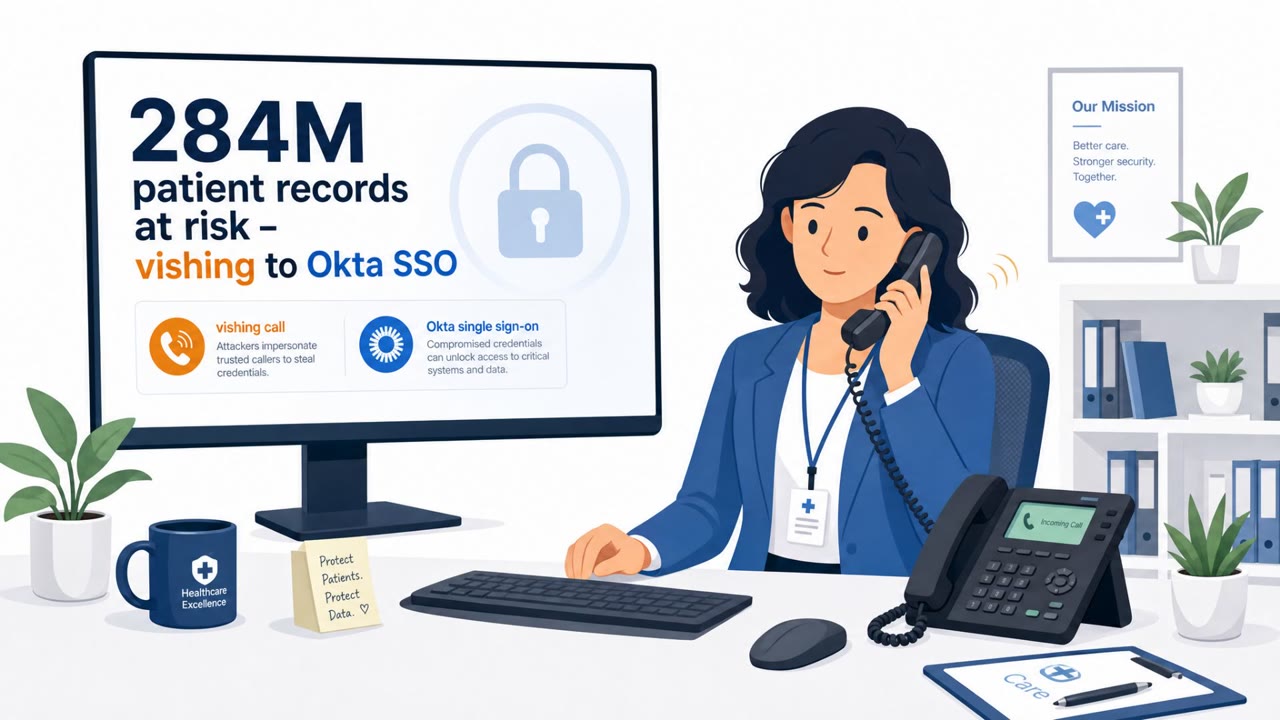
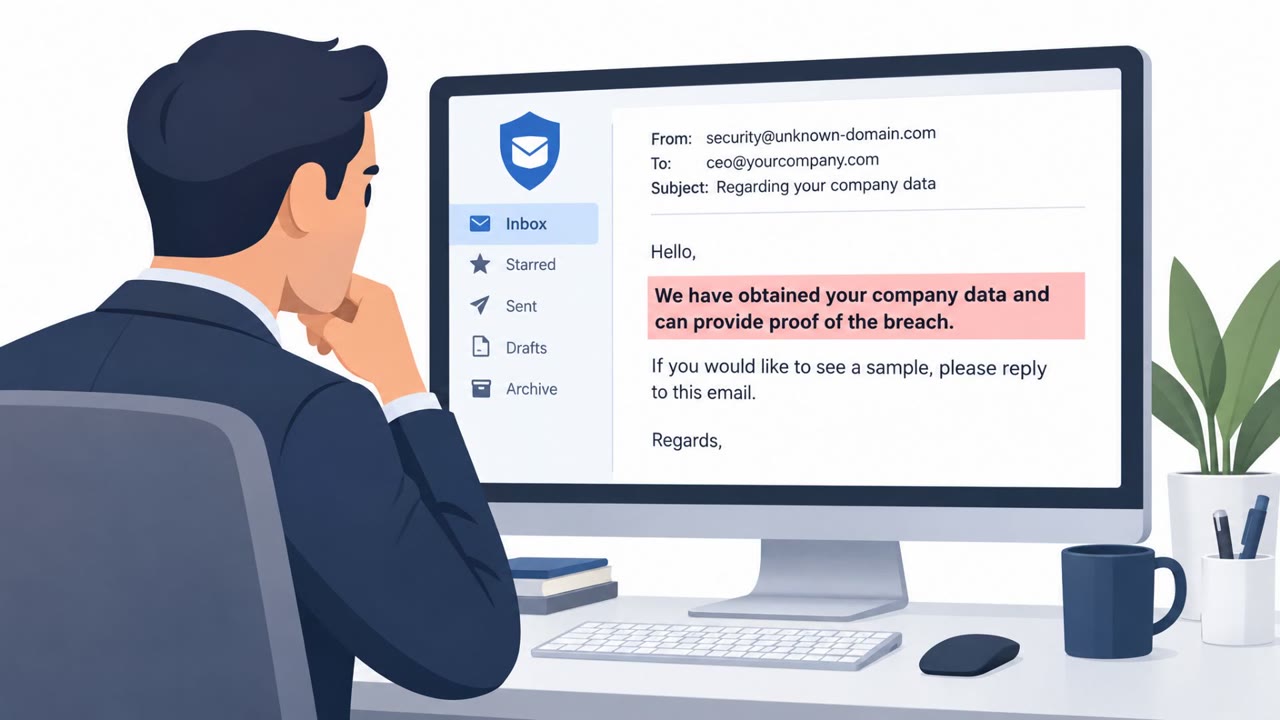
The new Inception extortion gang is reportedly using voice phishing to persuade employees to enter their credentials on fake login pages and approve multi-factor authentication requests. Researchers say its methods closely resemble those previously used by ShinyHunters, although Inception denies any connection.
How the attack worked
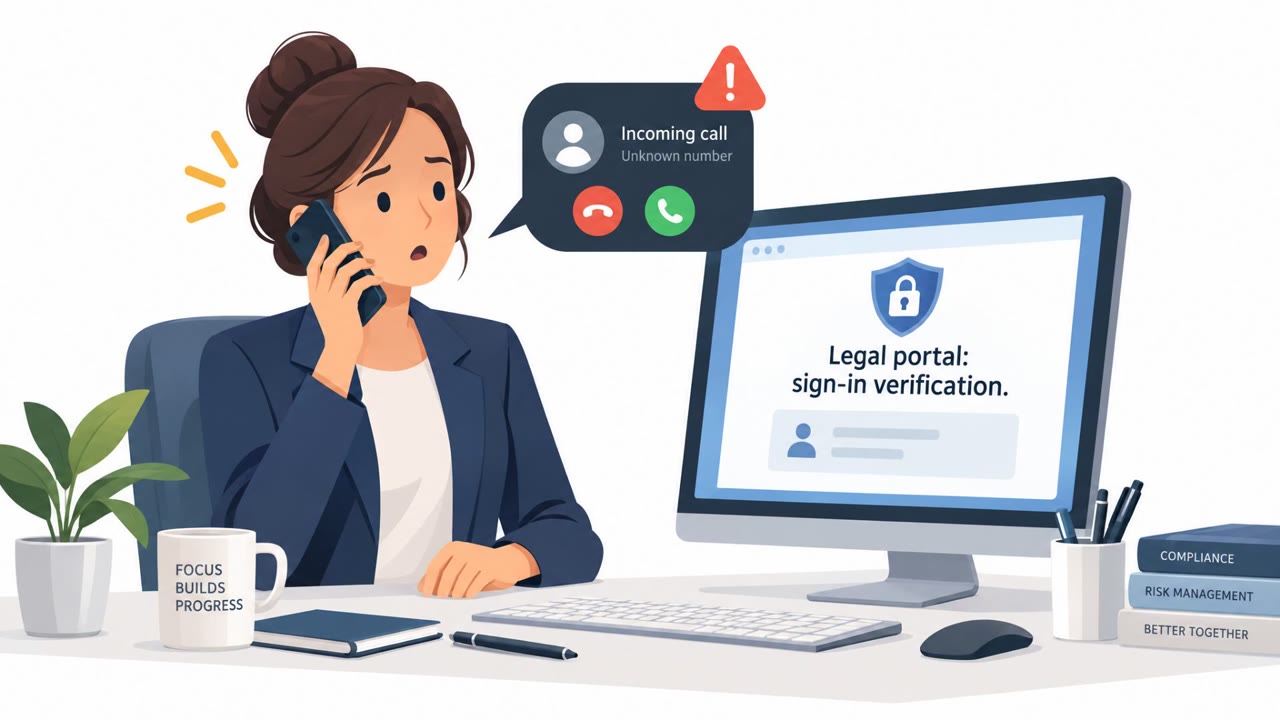
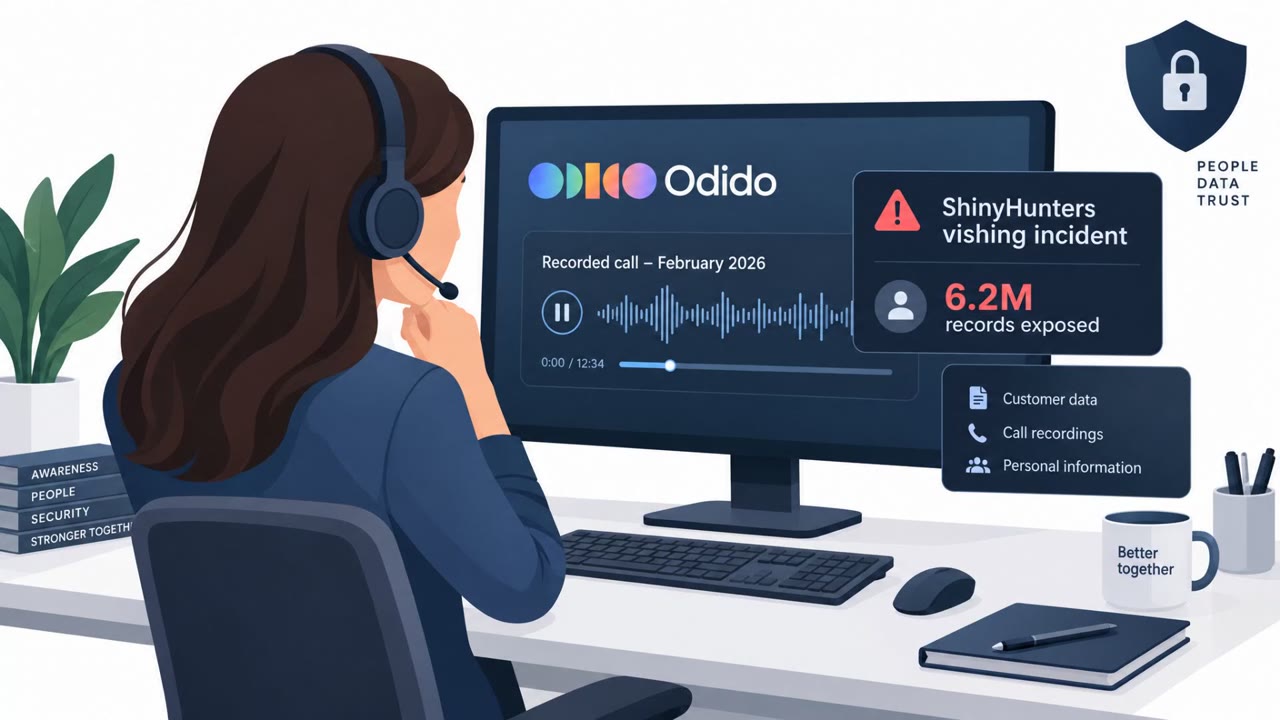
According to reporting, the Inception group combines a phone call with a fake login page to steal corporate credentials. The caller directs the target to a phishing site and pressures them to enter their username and password. Once the credentials are submitted, the attackers reportedly push through with a request to approve a multi-factor authentication prompt, completing the takeover of the account. This pairing of voice phishing with real-time MFA approval requests is the core of the reported workflow, and it closely mirrors tactics previously associated with ShinyHunters, according to Okta Threat Intelligence, which cited shared infrastructure and nearly identical methods. Inception disputes any connection to ShinyHunters.
Why it succeeded
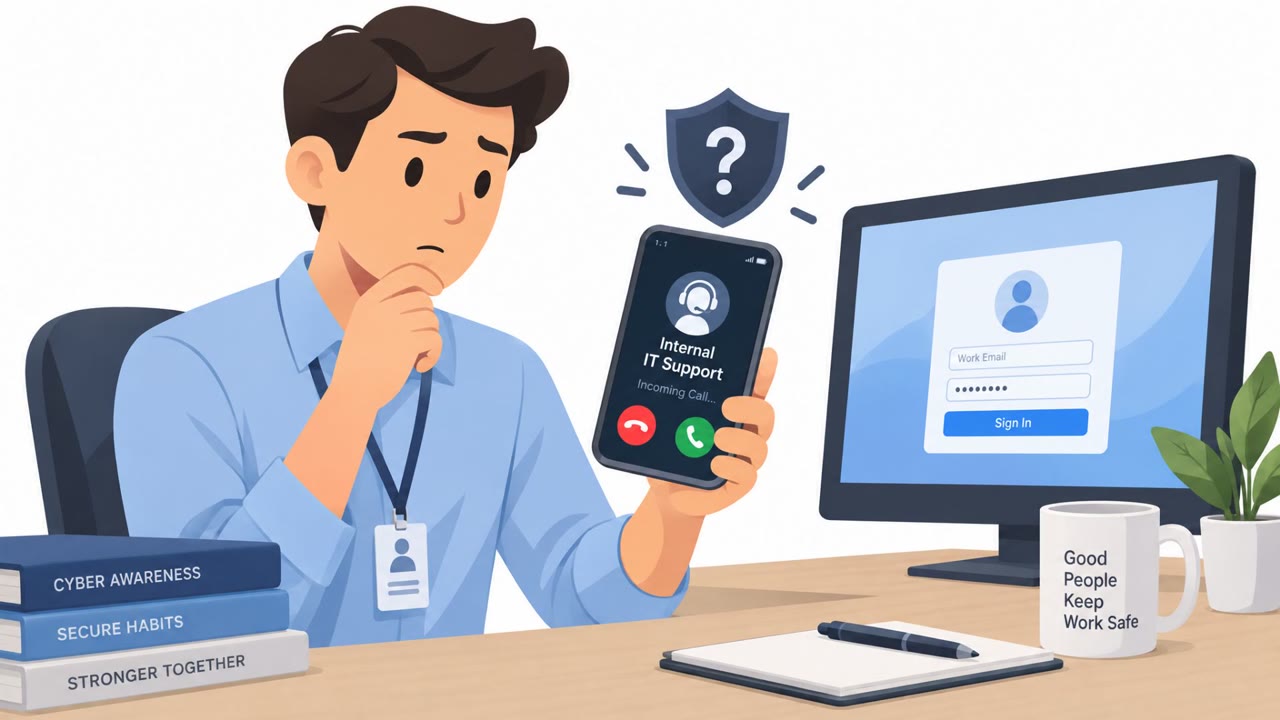
The technique works because it targets a moment when employees are primed to be helpful and responsive, a live phone call that feels urgent and legitimate. By the time the MFA approval request arrives, the victim has often already entered credentials and may assume the prompt is simply the next step in a normal verification process. Inception reportedly frames this dynamic directly, describing its approach as exploiting the weakest link in an organization's security: a human being holding a phone. This framing reflects a deliberate focus on social engineering rather than technical exploitation, which is consistent with the medium sophistication rating assigned to this activity.
What to watch for
- An unexpected caller who asks you to visit a login page they provide rather than one you navigate to independently.
- A request to approve an MFA prompt that you did not personally initiate.
- Pressure to combine credential entry with immediate MFA approval in the same interaction.
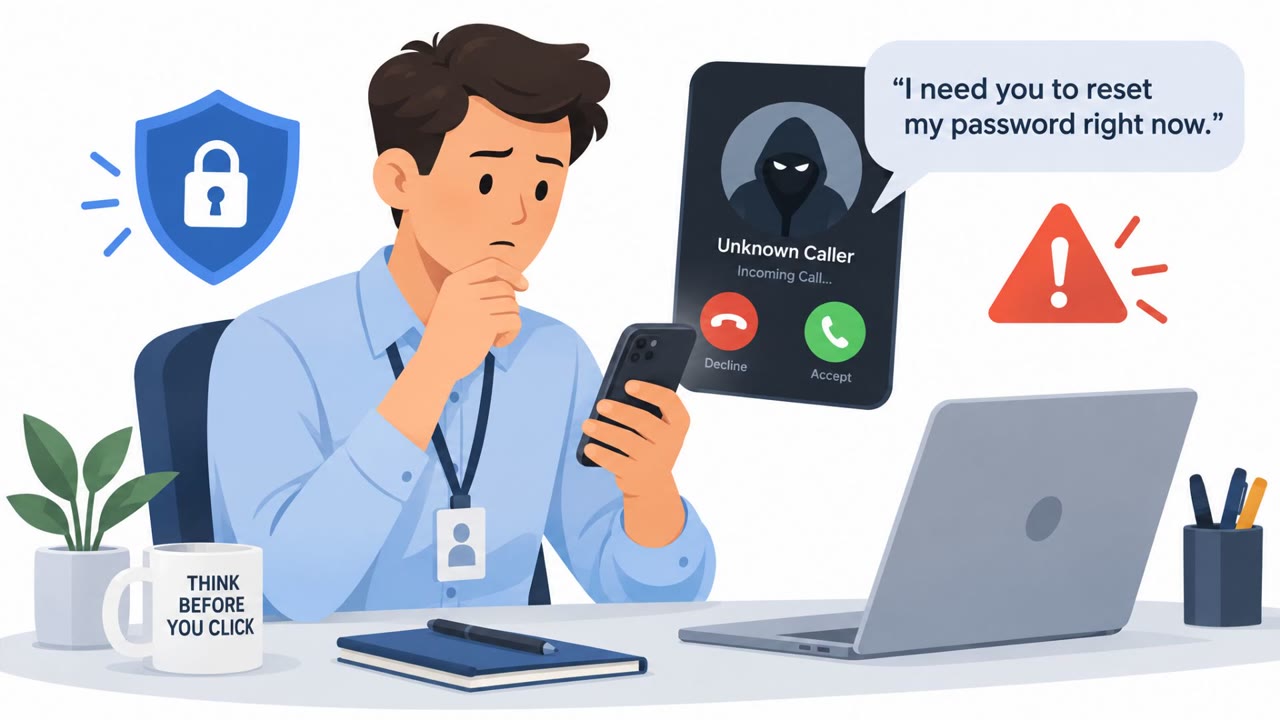
- Callers who sound confident, knowledgeable, or urgent when discussing account access, passwords, or verification.
These red flags apply broadly across all employees, with particular relevance for help desk and IT support staff, privileged account holders, finance staff, and executives, who are often targeted because of the access their accounts provide.
How to build resistance
Organizations across healthcare, higher education, K-12 education, government, and corporate sectors should reinforce a few simple habits. Employees should never enter work credentials into a page supplied during an unsolicited call, and should end such calls and reach their company's known sign-in page or IT support through a trusted internal channel instead. MFA approval should only ever happen for a sign-in the employee personally initiated and understands. Finally, treating any unsolicited call involving account access, passwords, or MFA as a potential social-engineering attempt, regardless of how convincing the caller sounds, gives employees a consistent and reliable way to pause before acting.
Key findings
- Inception is a newly emerged data-theft and extortion group that denies being a rebrand of ShinyHunters.
- Okta Threat Intelligence assessed that Inception is very likely ShinyHunters under a new name, citing shared infrastructure and nearly identical tactics.
- The group reportedly uses voice phishing to convince targets to enter credentials into phishing pages and approve MFA requests.
- Inception frames people using phones as the weakest link in an organization’s security.
Who’s being targeted
- Commonly targeted roles: All employees, Help desk and IT support staff, Privileged account holders, Finance staff, Executives.
- Affected industries: Healthcare, Higher education, K-12 education, Government, Corporate organizations.
- Attack channels: vishing, website.
- Impersonated: Not specified in the article.
Red flags to watch for
- An unexpected caller asks the employee to use a login page supplied during the call.
- The caller requests approval of an MFA prompt that the employee did not initiate.
- The request combines credential entry with urgent MFA approval.
Frequently asked questions
Who is behind the Inception extortion group?
Inception denies being a rebrand of ShinyHunters, though Okta Threat Intelligence assessed it is very likely the same group operating under a new name, based on shared infrastructure and nearly identical tactics.
How does Inception reportedly steal credentials?
The group reportedly uses voice phishing calls to convince employees to enter their credentials into fake login pages and approve multi-factor authentication requests.
Why does MFA not stop this type of attack?
Because the attackers ask the victim to approve an MFA request directly during the call, MFA only protects accounts if users refuse to approve prompts they did not initiate.
What should employees do if they get a suspicious call about login verification?
End the call, do not use any login page provided by the caller, and independently navigate to the company's known sign-in page or contact IT through a trusted internal channel.
Read the video transcript
Your phone rings. The caller says your work account needs verifying. They give you a login link and say, ‘Enter your password, then approve the MFA prompt.’ That’s Inception’s voice-phishing play: a fake page followed by an approval request. Here’s the giveaway: you didn’t start a sign-in. The caller supplied the page AND wants you to approve its MFA request. A confident voice doesn’t make either one legitimate. End the call. Open your company’s known sign-in page yourself, not the link they gave you.