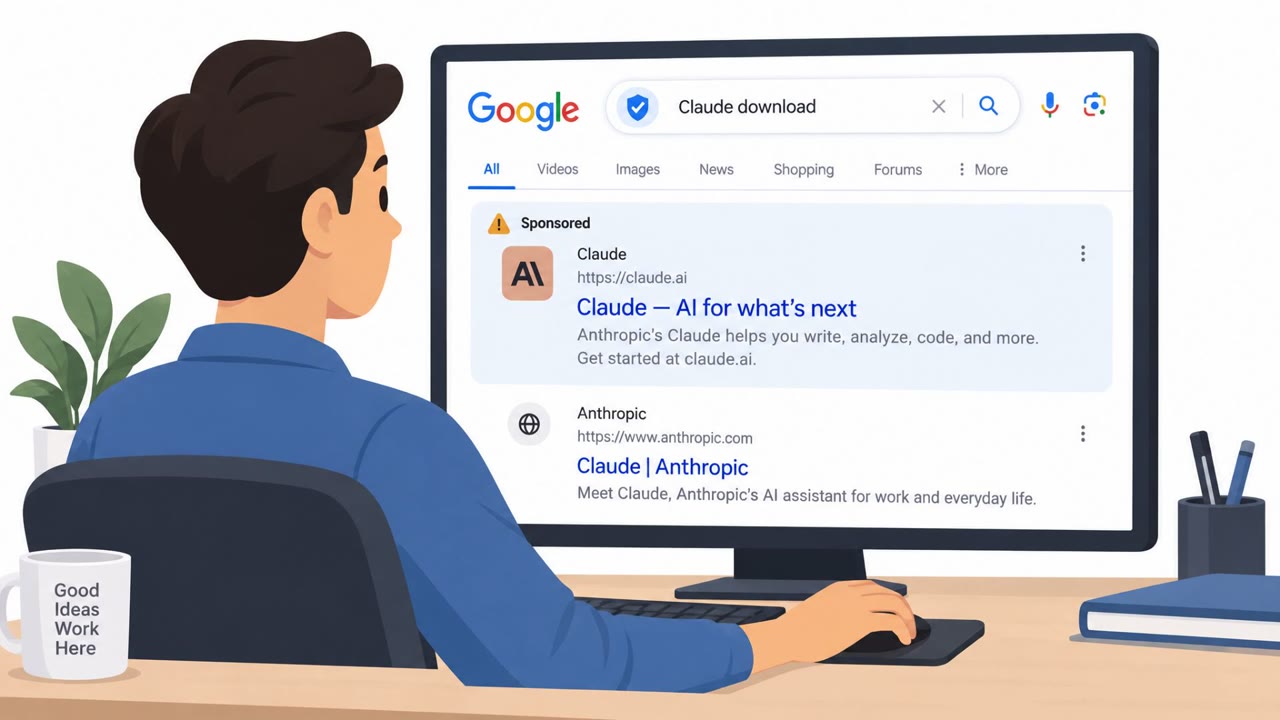
Researchers reported real iPhone compromises delivered through Instagram ads and websites that impersonated cryptocurrency services. The attacks used leaked exploit kits to steal stored passwords, session information, messages, and cryptocurrency wallet recovery phrases, potentially turning an employee’s personal phone into a route into company accounts.
How the attack worked
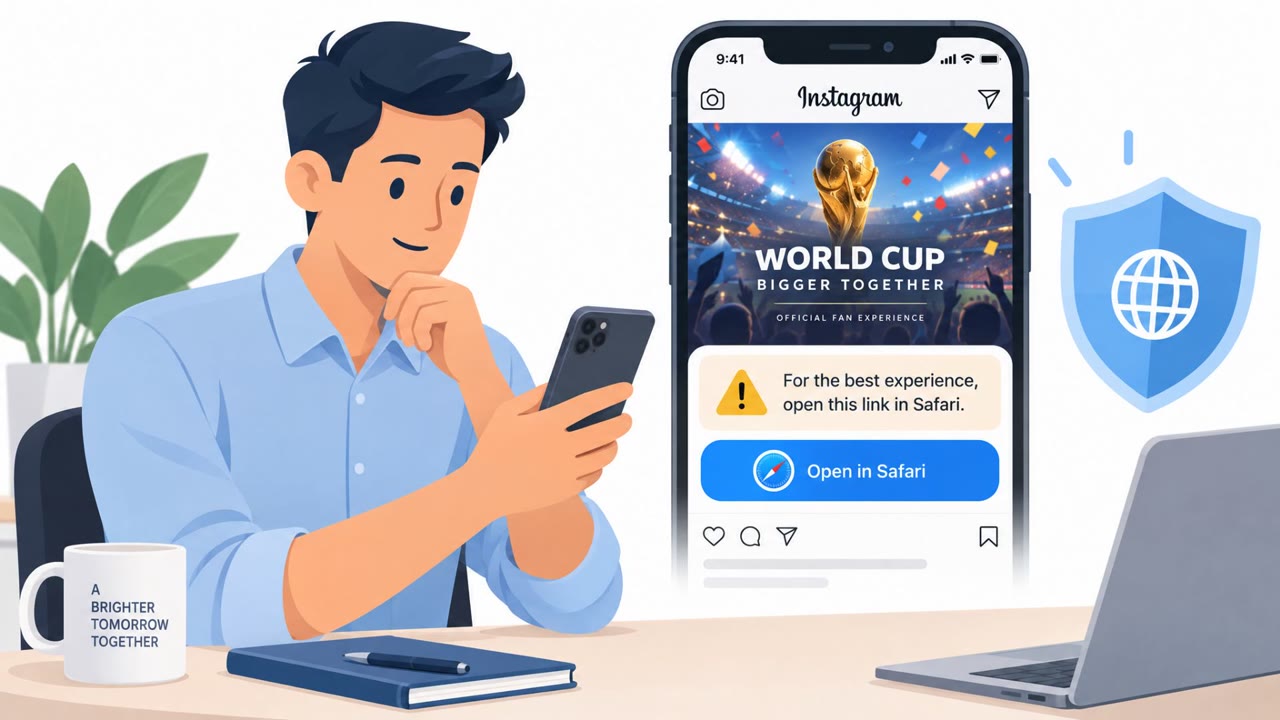
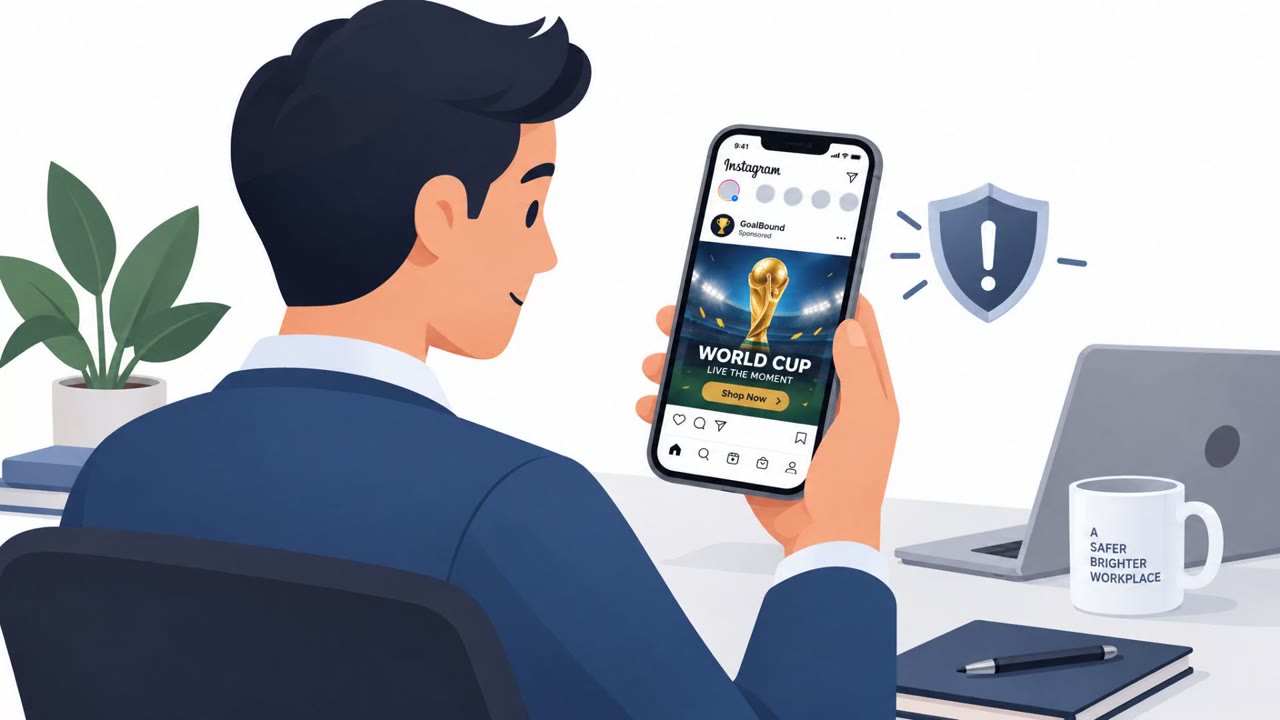
Researchers documented real iPhone compromises that began with everyday browsing. In one case, a DarkSword variant began infecting an iPhone simply when an Instagram ad loaded while its user was scrolling, no app download or credential entry was needed. In another path, an expired e-commerce analytics domain still embedded in store templates redirected some visitors through traffic brokers. One of those redirect destinations posed as a cryptocurrency trading site and quietly loaded a hidden page that checked for Safari on iOS 18.4.0 through 18.7.2, then launched the DarkSword exploit chain on matching iPhones. A second toolkit, Coruna, searched text and images on the device for cryptocurrency wallet recovery phrases.
Why it succeeded
The attack chain avoided the usual red flags that awareness training focuses on. There was no phishing email, no suspicious attachment, and no login form asking for a password. Instead, exposure came from passive ad loading and a redirect chain that most users would never notice, since sponsored ads and occasional redirects from shopping sites are considered normal. The exploit also selectively targeted specific iOS version ranges, meaning devices that were not kept current were more exposed, while the use of a legitimate-looking cryptocurrency trading impersonation added a thin layer of plausibility if a user did pay attention to the destination.
What to watch for
- Unexpected sponsored ads or redirects that lead to unfamiliar cryptocurrency or financial sites
- A site reached through an unexpected redirect from a shopping or advertising page
- A trading service whose domain does not match the expected provider
- A device not running the latest available iOS version
- A link that arrives after exposure to an ad and does not clearly identify its destination
Building resistance
Organizations with bring-your-own-device programs should treat personal phones as a genuine extension of the attack surface. If an employee uses a personal phone for work email, messaging or remote access, stolen credentials or session tokens could give attackers access to company services, and if an employee's phone is infected, that person's legitimate credentials can become the starting point for a much larger breach while the login looks like normal activity. Keeping iPhones updated promptly matters directly, since the exploit chain checked for specific older iOS versions before attacking. Employees should also be encouraged to treat unexpected ads, redirects, and links to cryptocurrency or financial services with caution, particularly on mobile devices. Finally, if compromise is suspected, employees and IT teams should report it immediately and avoid rebooting or updating the device where possible, since a reboot or software update can remove the running malware and erase evidence that could help investigators reconstruct the attack.
Key findings
- A DarkSword variant infected an iPhone simply when an Instagram ad loaded while the user was scrolling.
- Attackers used an expired e-commerce analytics domain still embedded in store templates to redirect some visitors through traffic brokers.
- One redirect destination impersonated a cryptocurrency trading service and selectively launched an exploit chain against Safari on iOS 18.4.0 through 18.7.2.
- DarkSword can extract passwords and other sign-in information from the iPhone Keychain, putting work email, messaging, and remote-access accounts at risk when used on a personal phone.
- Coruna searched text and images for cryptocurrency wallet recovery phrases.
- A reboot or software update can remove running malware and erase short-lived evidence needed for investigation.
Who’s being targeted
- Commonly targeted roles: All employees using personal phones for work, BYOD users, Executives and managers, Finance and cryptocurrency users, IT and security teams.
- Affected industries: Organizations with bring-your-own-device (BYOD) programs, E-commerce, Finance and cryptocurrency services.
- Attack channels: website.
- Impersonated: Cryptocurrency trading service, Instagram advertiser.
Red flags to watch for
- The site is reached through an unexpected redirect from a shopping or advertising page.
- The trading service is unfamiliar or its domain does not match the expected provider.
- The site behaves differently on a mobile browser or prompts unexpected loading activity.
- An unexpected sponsored ad leads to an unfamiliar destination.
- A link arrives or appears after exposure to an ad and does not clearly identify its destination.
- The device is not running the latest available software version.
Frequently asked questions
How did the iPhone attack start?
A DarkSword variant began infecting an iPhone simply when an Instagram ad loaded while its user was scrolling, with no download or credential entry required.
Which iOS versions were targeted?
A hidden page checked for Safari on iOS 18.4.0 through 18.7.2 before launching the DarkSword exploit chain on matching iPhones.
What data could attackers steal?
DarkSword can extract passwords and other sign-in information from the iPhone Keychain, and a related tool, Coruna, searched text and images for cryptocurrency wallet recovery phrases.
Why does this matter for work accounts if the phone is personal?
If an employee uses a personal phone for work email, messaging or remote access, stolen credentials or session tokens could give attackers access to company services.
Read the video transcript
An Instagram ad loads. Your iPhone could be compromised before you tap. That happened with DarkSword. Another route redirected shoppers to a fake crypto trading site. A hidden page checked Safari on iOS 18.4.0 through 18.7.2, then launched the exploit. The surprise? No password entry needed. DarkSword can pull Keychain sign-ins, including work accounts. Coruna searched messages and images for crypto wallet recovery phrases. If your phone hit a suspicious ad or redirect, report it to security immediately, before rebooting or updating erases evidence.