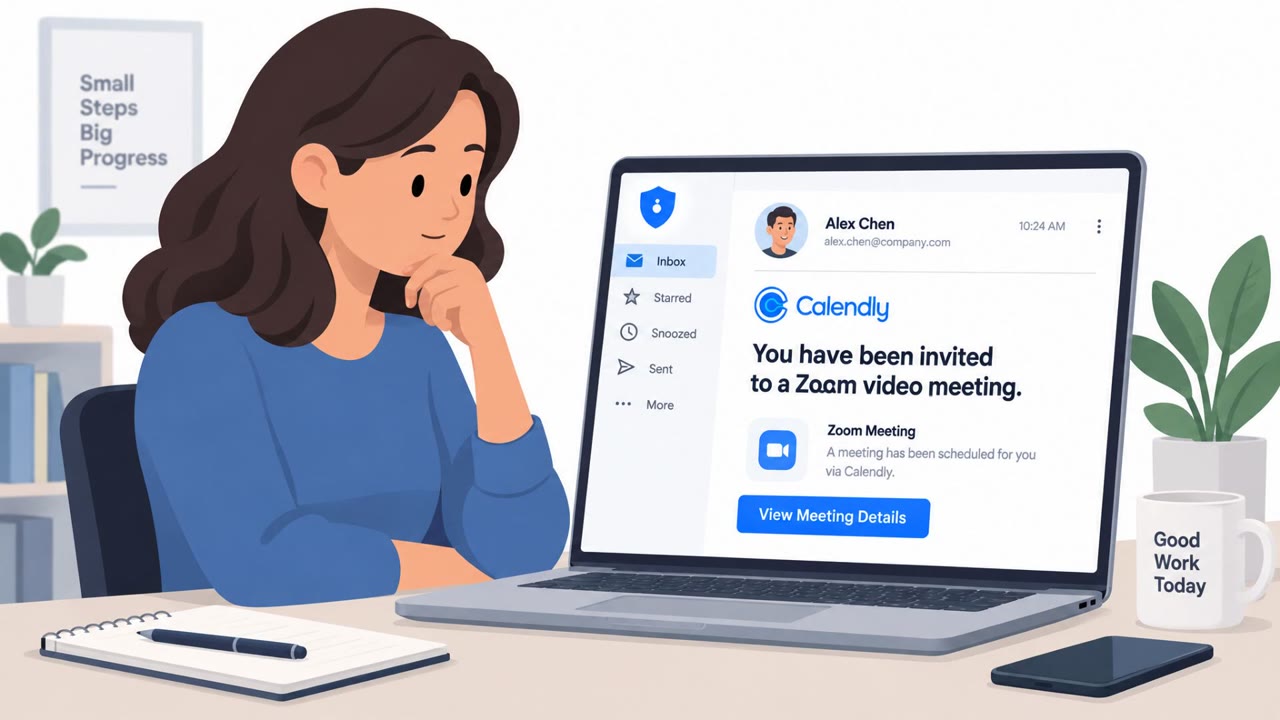
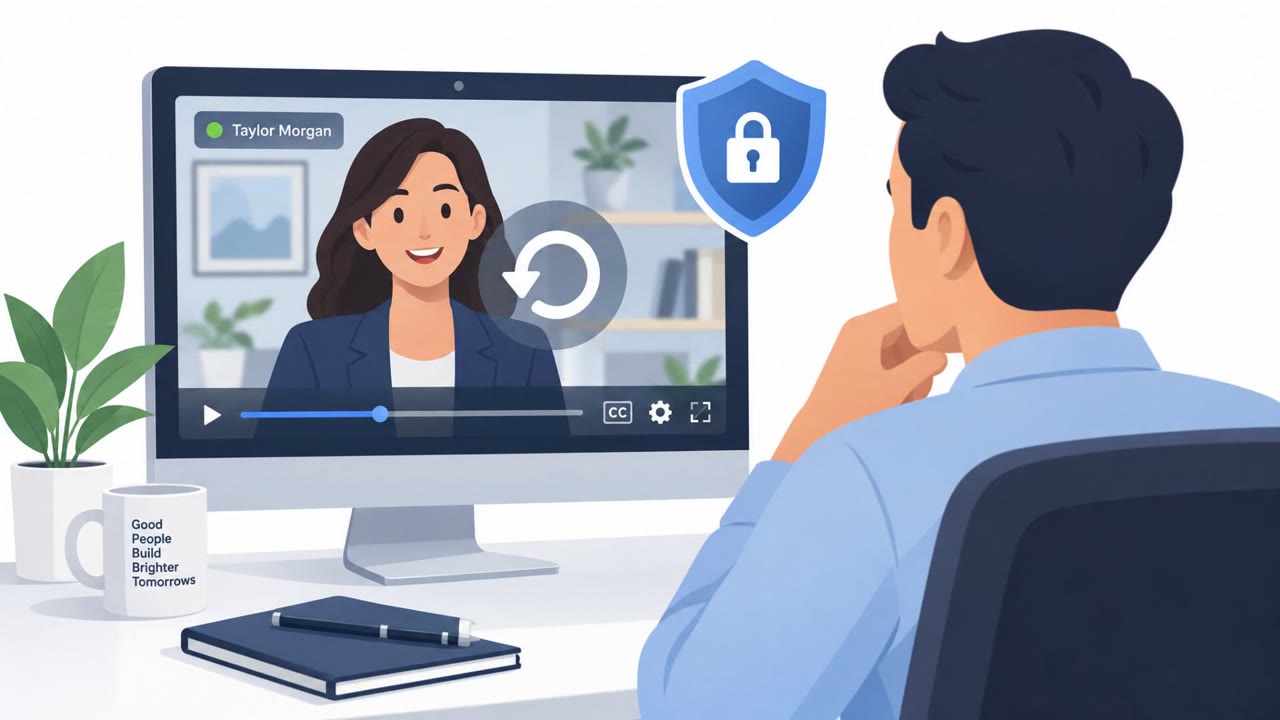
North Korea-linked hackers used stolen accounts to invite cryptocurrency and Web3 professionals to online meetings that appeared to come from trusted contacts. During the meetings, they used recordings or AI-generated deepfakes of known industry figures, claimed there was an audio problem, and directed targets to a malicious “fix” that installed malware. The DOJ and FBI disrupted infrastructure supporting the FaceStealer scheme, which allegedly stole more than $400 million over 18 months.
How the attack worked
The operation known as FaceStealer relied on a layered trust-building process rather than a single deceptive message. Attackers first gained access to accounts belonging to earlier victims, then used those accounts to send meeting invitations to new targets in the cryptocurrency and Web3 space. Because the invitations came from accounts the target already knew, there was little initial reason for suspicion.
Once the target joined the call, the attackers played a recorded video of a previous victim or used a deepfake of a well-known industry figure to reinforce the sense of legitimacy. Partway through the meeting, the attacker claimed there was a technical problem, often framed as an audio issue, and asked the target to click a link or follow instructions to resolve it. That action led to malware installation, giving the attackers a foothold for further compromise.
Why it succeeded
The scheme succeeded because it chained together several credible signals. A familiar sender, a recognizable face on video, and a mundane technical request are all things people encounter regularly in normal work meetings. None of these signals on their own would typically raise alarm, which is why the combination was effective against cryptocurrency professionals, Web3 employees, and open-source developers alike.
The attackers also showed patience, sometimes waiting months or more than a year after an initial compromise before acting. This delay distanced the eventual theft from any earlier suspicious activity tied to the account takeover, making the connection harder to spot.
What to watch for
- Meeting invitations from known contacts that arrive unexpectedly or outside normal patterns.
- A video participant who relies on prerecorded footage or shows unnatural audio and visual cues rather than normal two-way interaction.
- Any request to click a link or follow technical instructions to fix an audio or software problem during a live call.
- Unusual activity involving contact lists, social media accounts, or messaging apps, which attackers used to reach additional victims.
Building resistance
Organizations in cryptocurrency, Web3, and open-source development can reduce exposure by treating in-meeting technical-fix requests as a red flag rather than a routine support step. Ending the call and verifying the request through a separate, known contact channel breaks the attack chain before malware installation occurs.
Teams should also avoid treating a familiar face on video as proof of identity, since deepfakes and recorded footage can convincingly impersonate trusted contacts. Finally, prompt reporting of suspicious account or contact-list activity helps limit how far a single compromise can spread across colleagues, customers, and industry partners.
Key findings
- The FBI calls the North Korea-linked social-engineering operation FaceStealer; it reportedly stole more than $400 million in cryptocurrency over 18 months.
- Attackers used accounts stolen from earlier victims to send meeting invitations that appeared to come from trusted contacts.
- During meetings, attackers played a prior victim’s recorded video or used deepfakes of prominent cryptocurrency or Web3 figures to establish trust.
- The attackers claimed there was a technical issue, such as faulty audio, and sent a link or instructions that installed malware.
- Attackers sometimes waited months or more than a year after compromise before taking over accounts or stealing cryptocurrency.
- They used victims’ contact lists, social-media accounts, and messaging applications to identify and approach additional victims.
- The campaign expanded to people who build and maintain open-source software, with attackers seeking access to developer accounts and repositories.
Who’s being targeted
- Commonly targeted roles: Cryptocurrency and virtual-asset employees, Web3 employees, Open-source developers and repository maintainers, IT professionals, Employees with access to corporate social-media or messaging accounts, Security and IT support teams.
- Affected industries: Cryptocurrency and virtual asset services, Web3, Open-source software development, Information technology.
- Attack channels: vishing, website.
- Impersonated: A known and trusted cryptocurrency or Web3 industry contact, potentially presented through a deepfake video of a well-known person.
Red flags to watch for
- An unexpected technical-support instruction during a meeting initiated from an account that may have been compromised.
- A meeting participant who relies on prerecorded or AI-generated video rather than normal two-way interaction.
- A request to click a link or install something to fix an audio issue.
Frequently asked questions
What is the FaceStealer operation?
FaceStealer is the FBI's name for a North Korea-linked social-engineering operation that allegedly stole more than $400 million in cryptocurrency over 18 months by using deepfakes and stolen accounts to trick targets into installing malware.
How did attackers use deepfakes in this scheme?
During online meetings, attackers played a prior victim's recorded video or used deepfakes of well-known cryptocurrency or Web3 figures to build trust with the target before directing them to install malware.
Why did meeting invitations look trustworthy?
The attackers sent invitations from accounts they had already stolen from earlier victims, making the messages appear to come from someone the target knew and trusted.
Who was targeted besides crypto employees?
The campaign also expanded to open-source software developers and repository maintainers, as attackers sought access to developer accounts and code repositories.
Read the video transcript
A trusted Web3 contact invites you to a meeting. Or so it seems. FaceStealer sends invites from stolen accounts. In the call, a recording or deepfake looks like someone you know. Then: ‘Your audio isn’t working, click this link to fix it.’ Here’s the catch: the familiar face and sender can both be borrowed. That ‘audio fix’ installs malware. A video that looks right doesn’t prove the meeting is real. If a meeting asks you to install an audio fix, end the call and contact that person using a number you already have.