Fake Zoom Calls Fuel $400M North Korean Heists

Help Net Security · High sophistication
Last updated November 13, 2026

North Korean-linked attackers reportedly stole more than $400 million in cryptocurrency by hijacking trusted accounts and inviting contacts to fake Zoom or Teams calls. They replay stolen webcam footage to make the meetings look real, then claim there is an audio problem and persuade victims to run code that installs spyware and steals wallet access.

Key findings

  • The FBI calls the campaign FaceStealer and reportedly seized more than 900 webcam recordings from prior victims.
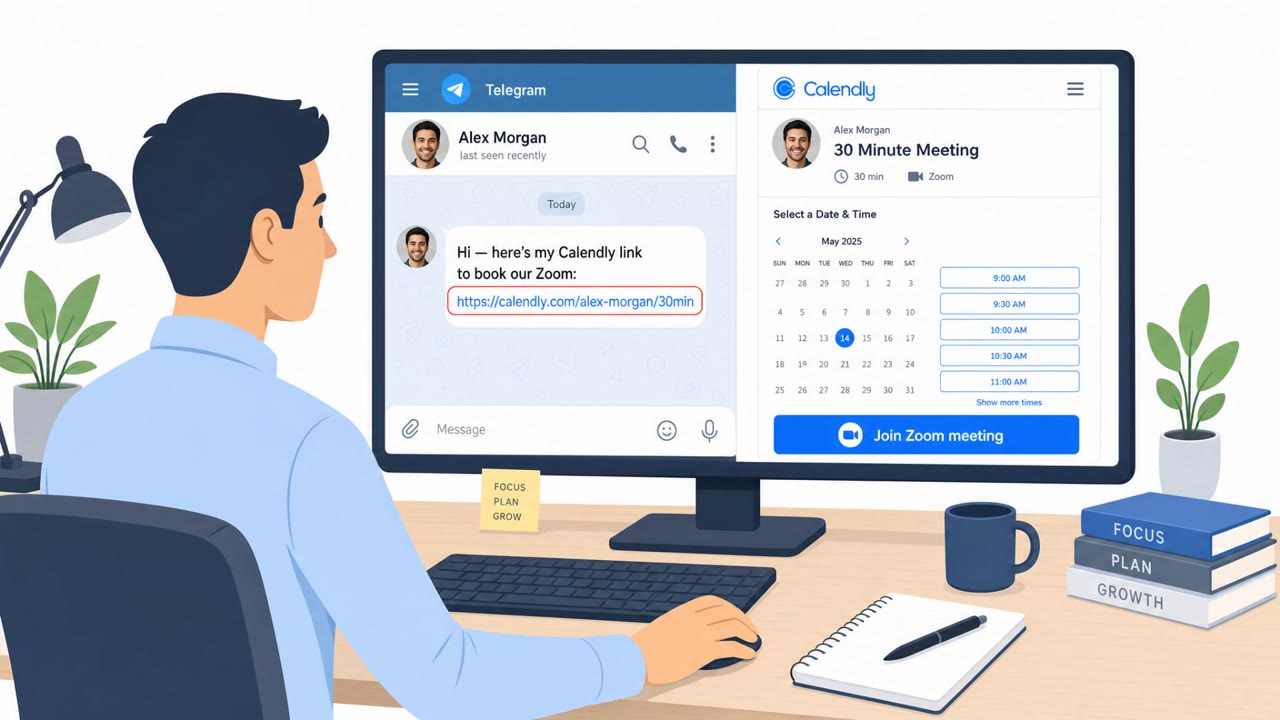
  • Attackers take over victims' Telegram, LinkedIn, Slack, and Discord accounts, use chat history to build trust, and send meeting invitations to their contacts.
  • The fake meeting uses recorded footage of a known contact and other supposed participants to appear legitimate.
  • A chat message claims that attendees cannot hear the target and instructs them to install an update or paste a script or command into a terminal.
  • The malicious instructions install a cookie harvester, keyloggers, screen-capture tools, and a backdoor.
  • The group has targeted cryptocurrency and web3 workers, open-source maintainers, and maintainers of npm and Rust packages.
  • Attackers may wait months or more than a year after compromising a victim before draining cryptocurrency wallets.

Who’s being targeted

  • Commonly targeted roles: Cryptocurrency and Web3 workers, Employees with cryptocurrency wallet access, Open-source maintainers, Software developers, npm and Rust package maintainers, Engineering leaders, IT and security teams.
  • Affected industries: Cryptocurrency and Web3, Financial services, Open-source software, Software development, Technology.
  • Attack channels: telegram, website, teams.
  • Impersonated: A known contact whose Telegram account has been taken over, A person recognized by the open-source maintainer.

Awareness takeaways

  • Confirm unexpected meeting invitations using a separate, known contact method before joining, especially when the invitation arrives through a chat platform.
  • Never run scripts, terminal commands, or unofficial updates to solve a meeting audio or video issue.
  • Check that meeting links use the official Zoom or Teams application and a verified invitation code, not a lookalike web domain.
  • Do not treat a familiar face on camera as proof of identity; attackers can replay stolen recordings or use basic deepfakes.

Red flags to watch for

  • The meeting link uses a lookalike domain rather than an official Zoom or Teams domain.
  • The link arrives shortly before the meeting.
  • The meeting chat asks the participant to run a script or paste a command to repair audio.
  • An apparent meeting or audio issue is used to justify running code.
  • The requested fix is delivered during a call rather than through a verified official support channel.
  • Recognizable participants alone do not prove the meeting is legitimate, because recorded video can be replayed.
Try Mirage

Mirage safely runs attacks like this one against your own team, so you find out what happens before a real adversary does.

Get a demo
Read the video transcript

Your friend’s face is on the call. It might be a recording. In the FBI’s FaceStealer campaign, a hijacked Telegram account invites you to catch up or discuss an investment. A last-minute Zoom-like link leads to a call playing stolen webcam footage. Then the chat says, ‘The others can’t hear you.’ Its fix? Paste a command into your terminal. That installs spyware, not an audio update. A familiar face isn’t proof. If a meeting asks you to run code, don’t run it.

Similar attacks

North Korean Deepfake Meeting Scam Exposed

North Korean Deepfake Meeting Scam Exposed

U.S. authorities disrupted FaceStealer, a North Korean social-engineering operation that used stolen accounts, fake Zoom or Teams invitations, and recorded or AI-generated video to trick people into installing malware. The scheme targeted cryptocurrency organizations and open-source software…

November 12, 2026

Stolen Faces Fuel North Korean Meeting Scams

Stolen Faces Fuel North Korean Meeting Scams

North Korean operators behind “FaceStealer” hijacked accounts and used recordings of real people in fake Zoom and Microsoft Teams meetings. They used the familiar faces of trusted contacts to convince targets to install supposed fixes for technical problems, enabling malware installation, account…

November 14, 2026
Deepfake Calls Drive $400M Crypto Theft

Deepfake Calls Drive $400M Crypto Theft

The FBI says North Korea-linked BlueNoroff actors used stolen trusted accounts, deepfake video calls, and fake Zoom or Teams meeting links to steal more than $400 million in cryptocurrency. Victims were invited to discuss investments, shown a convincing fake meeting with familiar people, then told…

November 13, 2026
Fake Zoom/Teams Calls Used to Steal Crypto Wallets

Fake Zoom/Teams Calls Used to Steal Crypto Wallets

North Korea-linked BlueNoroff is using fake Zoom and Microsoft Teams meeting pages shared from hijacked trusted contacts (often via Telegram) to trick victims into “updating” Zoom/Teams and running malicious commands. The phishing kit also fingerprints the victim’s browser to identify installed…

July 24, 2026
Fake Video Calls Fuel North Korean Crypto Heists

Fake Video Calls Fuel North Korean Crypto Heists

North Korean-linked attackers hijacked trusted messaging and professional-network accounts to invite victims to fake Zoom or Microsoft Teams meetings. The links sent targets to convincing lookalike video-call sites, while secretly captured webcam footage was later reused to impersonate victims and…

November 13, 2026
Fake Meetings and Listings Trap Victims

Fake Meetings and Listings Trap Victims

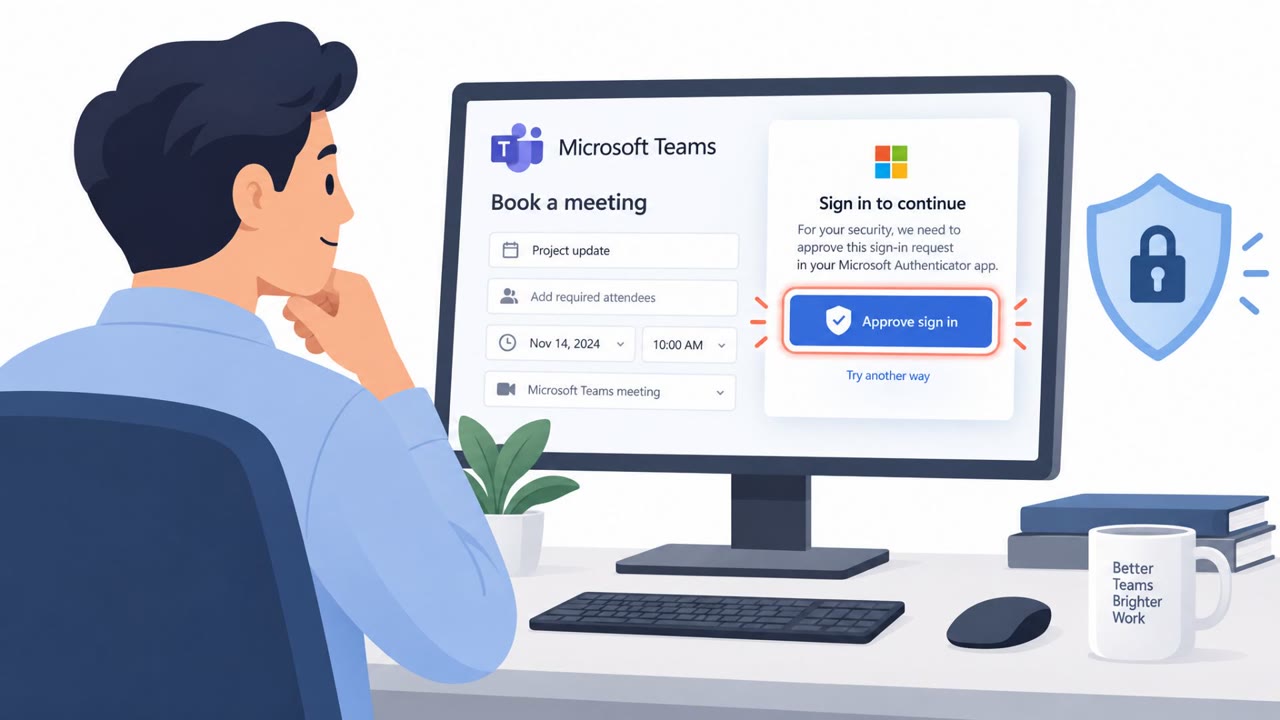
This weekly roundup describes several real-world social-engineering attacks with practical lures that can be used in awareness training. Attackers used a fake Teams scheduler to capture a sign-in approval, fake Zillow pages to persuade apartment hunters to run a copied command, and fake Zoom or…

November 15, 2026