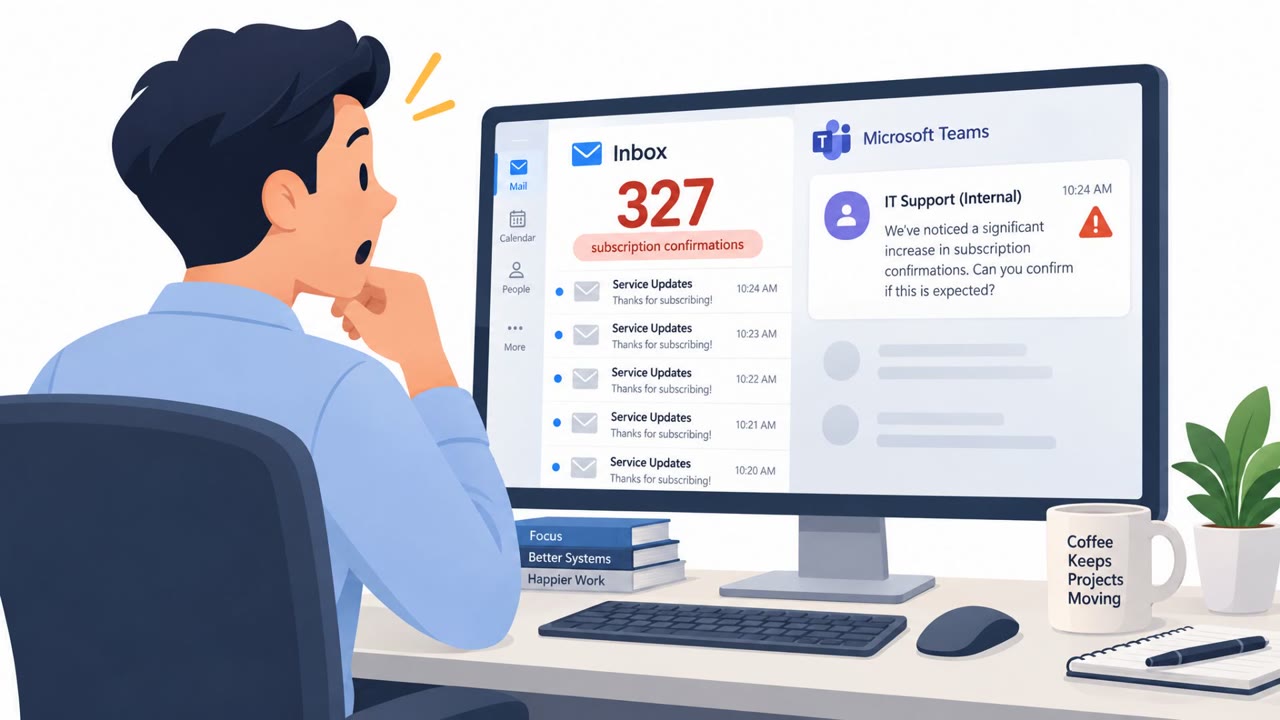
Cisco Talos found roughly 1,400 scam emails sent through legitimate Staples and Dell order-notification systems. Attackers placed fake helpline numbers and support prompts into order fields, causing trusted retailers to email recipients about purchases they did not make. The scam then pressures recipients to call an attacker-controlled number rather than verify the order through official channels.
How the attack worked
Cisco Talos identified roughly 1,400 scam emails that were delivered through the legitimate transactional-email systems of Staples and Dell. Rather than spoofing a sender or registering a lookalike domain, attackers inserted fraudulent support prompts and phone numbers into order fields such as shipping, billing, name, company, or title. When the retailer's systems generated a real order-confirmation email, those fields were reflected back to the recipient, turning a routine transaction notice into a vehicle for a phone-based scam.
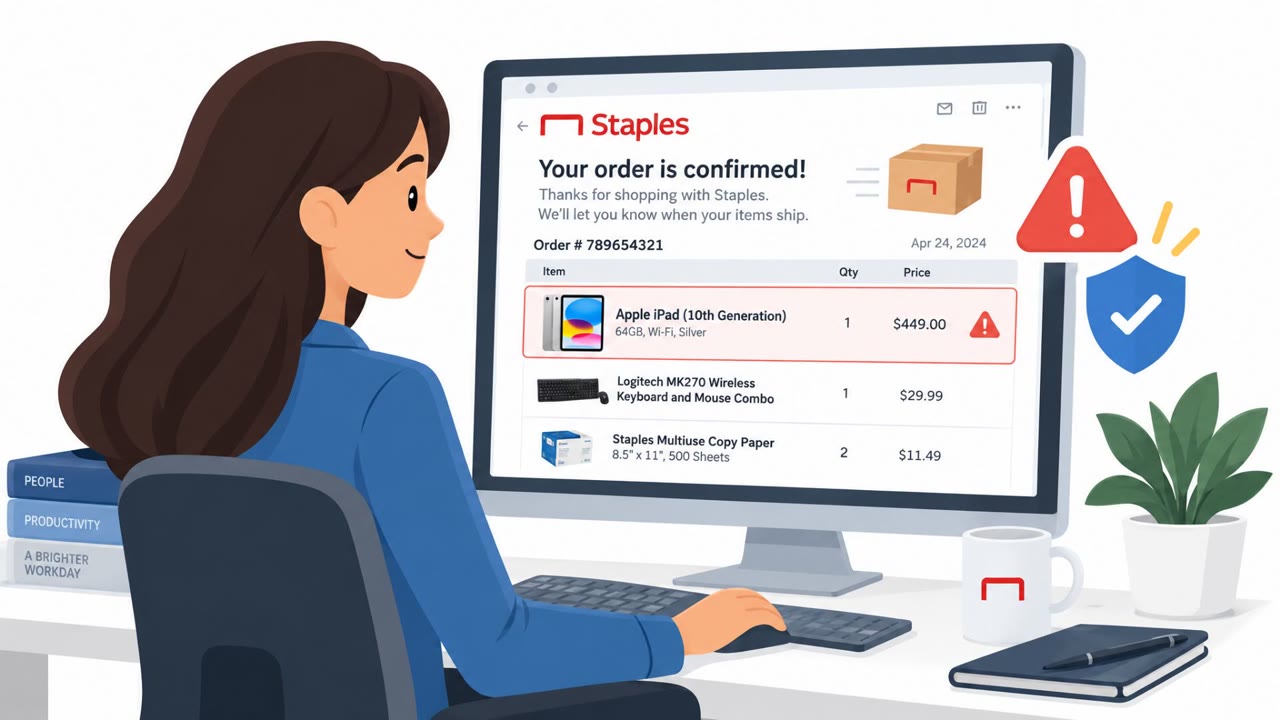
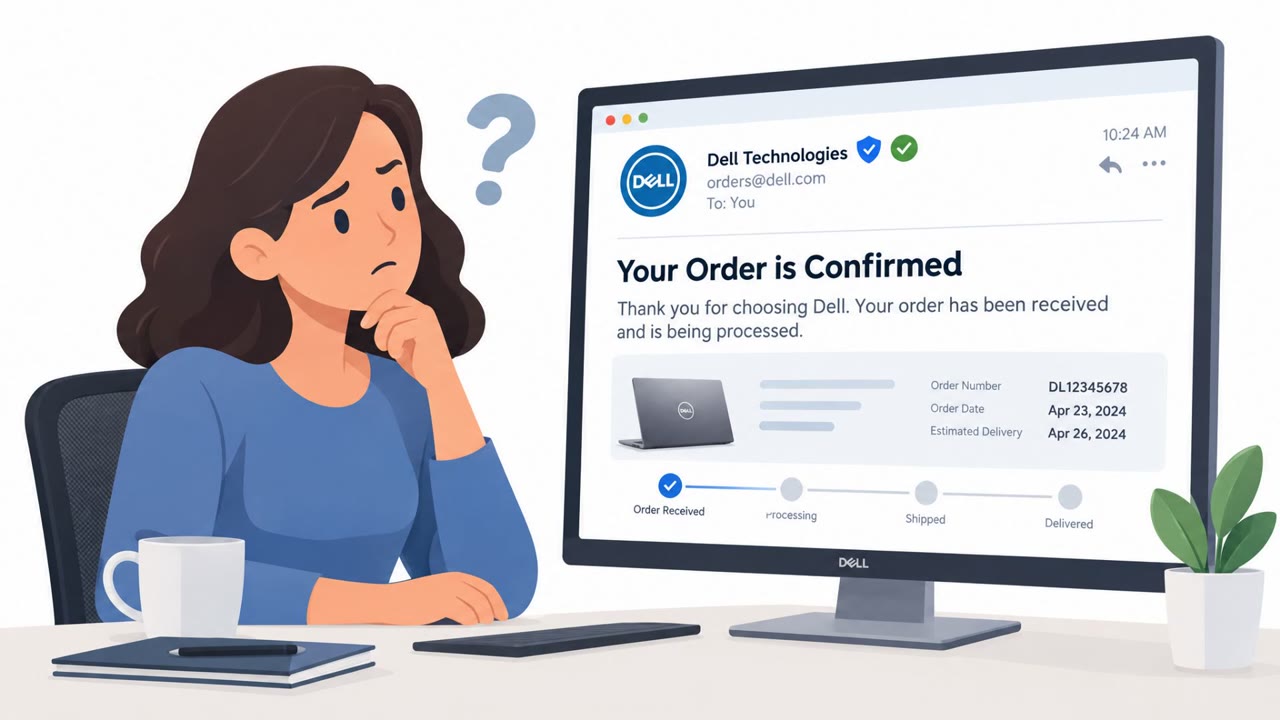
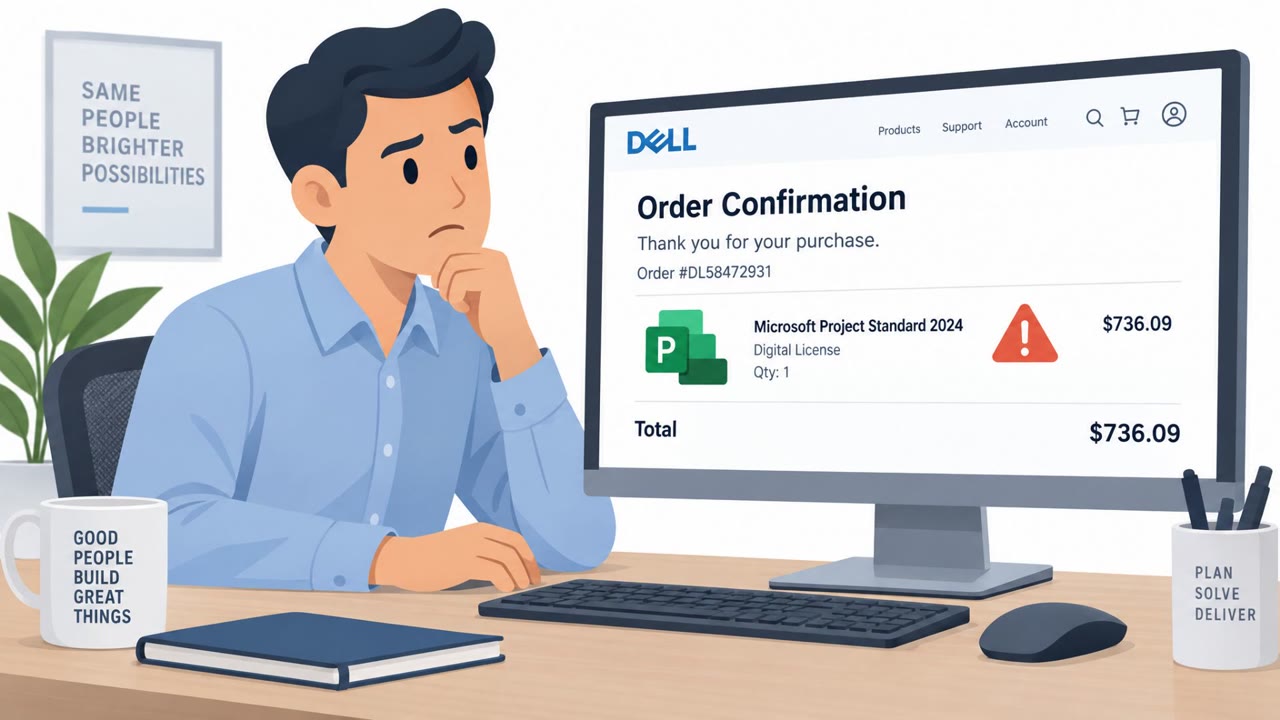
One version used a fake Apple iPad purchase through Staples, with a helpline number planted in the shipping or billing fields alongside the phrase "Order Confirmed." A second version used a fabricated Microsoft Project Standard 2024 order totaling $736.09 through Dell, with "Confirmed Order," a helpline number, and "Call Our Sales Team" placed in the Ship To and Bill To sections. In both cases, the message pushed recipients toward calling an attacker-controlled number about a purchase they never made.
Why it succeeded
The emails passed DKIM and DMARC checks because they genuinely originated from Staples and Dell infrastructure. This let the scam bypass a common defensive assumption: that authenticated, properly aligned email is inherently safe. Authentication confirmed where the message came from, not whether every instruction inside it, like a phone number, could be trusted. Because the campaign relied on trusted commerce workflows instead of forged identities, it was harder to catch with sender-based filtering alone.
What to watch for
- A support phone number or instruction to call appears inside shipping, billing, company, or title fields rather than a normal, verified support section.
- The recipient does not recognize the purchase described, such as an Apple iPad or Microsoft Project order.
- A transactional email creates urgency to call a number supplied directly in the message rather than one looked up independently.
- Phrases like "Helpline," "Confirmed Order," or "Call Our Sales Team" show up in fields that should only contain address or billing data.
How to build resistance
Organizations and individuals should treat unexpected purchase notices as a prompt to verify, not to call the embedded number. Checking an order through an independently accessed retailer account, official app, or known support channel removes the attacker's leverage entirely. Security teams should also encourage reporting of suspicious transactional messages even when sender authentication looks clean, since this campaign shows that legitimate delivery infrastructure can still carry manipulated content aimed at procurement, finance, and other staff who regularly handle order confirmations.
Key findings
- Cisco Talos identified approximately 1,400 scam emails delivered through legitimate Staples and Dell transactional-email systems.
- Attackers inserted fraudulent support prompts and telephone numbers into shipping, billing, name, company, or title fields that were reflected in retailer-generated emails.
- The Staples messages used a fake Apple iPad order and instructed recipients to call a helpline about an unexpected purchase.
- The Dell messages used a Microsoft Project Standard 2024 order totaling $736.09 and included a fraudulent sales-team helpline.
- The emails passed DKIM and DMARC checks because they originated from legitimate retailer infrastructure, demonstrating that authenticated delivery does not prove that the message content is safe.
- Recipients should verify unexpected purchase notices through independently accessed retailer accounts or known support channels, not telephone numbers embedded in the email.
Who’s being targeted
- Commonly targeted roles: All employees, Procurement, Finance and accounts payable, IT support, Executive assistants, Security operations and email-security teams.
- Affected industries: Retail, Information Technology, Software and online services, Collaboration and productivity platforms, Financial and payment services.
- Attack channels: email, vishing.
- Impersonated: Staples order notification system, Dell order notification system.
Red flags to watch for
- The support phone number appears inside shipping or billing information rather than in a normal verified support section.
- The recipient does not recognize the Apple iPad purchase.
- A transactional email creates urgency to call a number supplied in the message.
- “Helpline” and “Call Our Sales Team” appear in Ship To or Bill To fields.
- The recipient did not make the Microsoft Project purchase.
- The message asks the recipient to use a phone number embedded in an order record rather than a known Dell contact channel.
Frequently asked questions
How did scammers abuse legitimate Staples and Dell emails?
Cisco Talos found that attackers inserted fraudulent support prompts and telephone numbers into fields like shipping, billing, name, company, or title, which legitimate retailer systems then reflected back in authentic order-notification emails.
Why did these scam emails pass email security checks?
The messages passed DKIM and DMARC checks because they originated from legitimate Staples and Dell infrastructure, showing that authenticated delivery does not prove the content of a message is safe.
What should someone do if they get an unexpected order confirmation with a phone number?
Do not call the number inside the email. Instead, verify the purchase through an independently accessed retailer account, official app, or a known support channel.
What were the fake orders used in this campaign?
One set of messages referenced a fake Apple iPad purchase through Staples, and another referenced a Microsoft Project Standard 2024 order totaling $736.09 through Dell, each with a fraudulent helpline number embedded in order fields.
Read the video transcript
A real Staples order email says you bought an iPad. You didn’t. Here’s the trick: someone puts ‘Helpline 806 283 7712’ in the shipping details. Staples sends the email, and that number rides along. Dell emails did it too: a $736.09 Microsoft Project order put ‘Call Our Sales Team’ in Ship To and Bill To. Even DKIM and DMARC passed. That’s the giveaway: real sender, planted phone number. Don’t call it, open your retailer account yourself to check the order.