Silent Lynx Poses as Officials in Spy Campaign

The Record · High sophistication
Last updated November 12, 2026

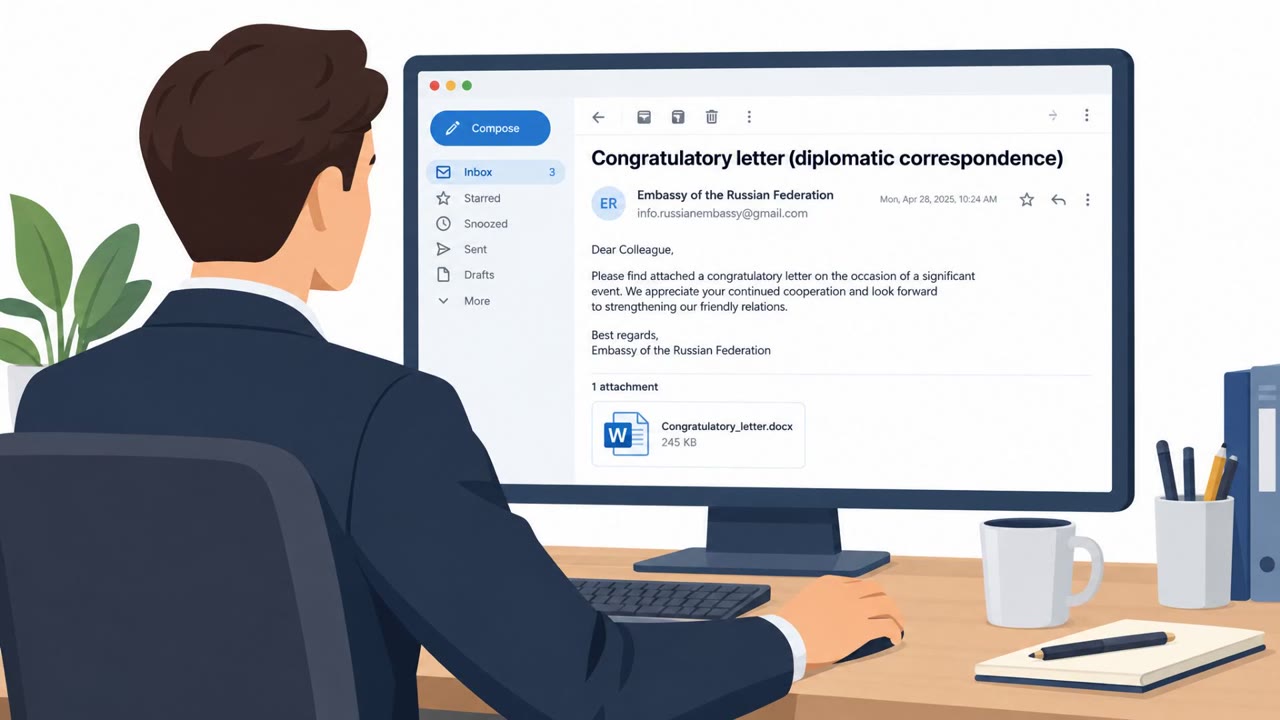
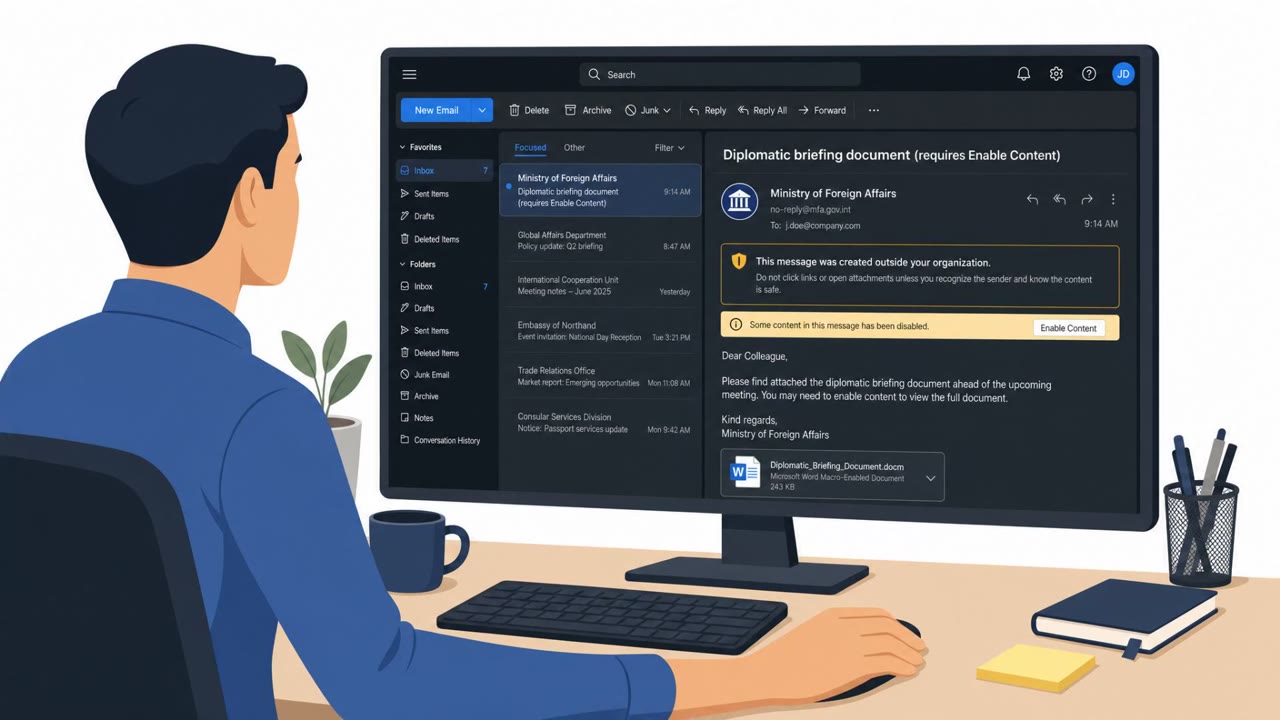
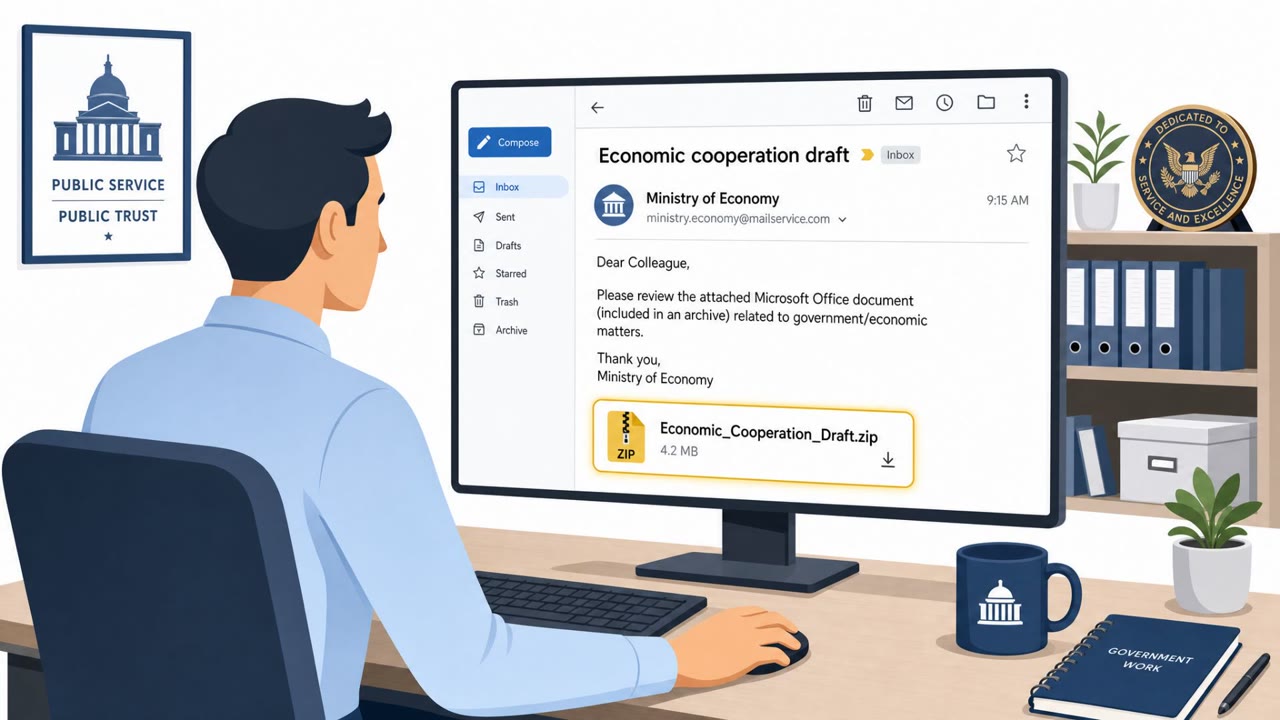
Researchers found evidence that Silent Lynx, a suspected Kazakhstan-linked espionage group, compromised government and critical-infrastructure systems across Central Asia. The group also prepared phishing files disguised as Turkmenistan government documents and previously used phishing emails posing as Kyrgyz government correspondence to target Russian agencies and industrial firms.

Key findings

  • CloudSEK discovered an exposed Silent Lynx server containing stolen government documents, hacking tools, and records of AI-assisted operations.
  • The group maintained access to Tajikistan's national railway network and used one employee's credentials to access the national electronic document-management platform.
  • Attackers stole login-credential databases, internal documents, operational reports, and large volumes of government correspondence.
  • Malicious files disguised as a Turkmenistan railway ticket and a regional government report were found on the server, indicating preparation for a phishing campaign.
  • Silent Lynx previously targeted Russian government agencies and industrial firms with phishing emails impersonating Kyrgyz government correspondence.

Who’s being targeted

  • Commonly targeted roles: Government employees, Government administrative staff, Rail transportation employees, Critical infrastructure administrators, Industrial firm employees, Defense and national-security personnel.
  • Affected industries: Government, Rail transportation, Critical infrastructure, Forestry and natural-resource management, Industrial firms, Defense and national security.
  • Attack channels: email.
  • Impersonated: Kyrgyz government officials, Turkmenistan government or railway-related organization.

Awareness takeaways

  • Treat unexpected government correspondence and official-looking attachments as untrusted until the sender and business reason are verified through a known contact method.
  • Do not open unexpected ticket, report, or other official-document attachments simply because they use familiar government or infrastructure branding.
  • Protect and promptly report suspected credential compromise, because one employee account can expose far more than that employee's own files.

Red flags to watch for

  • An unexpected government document arrives by email.
  • The recipient has no reason to receive official correspondence from a Kyrgyz government body.
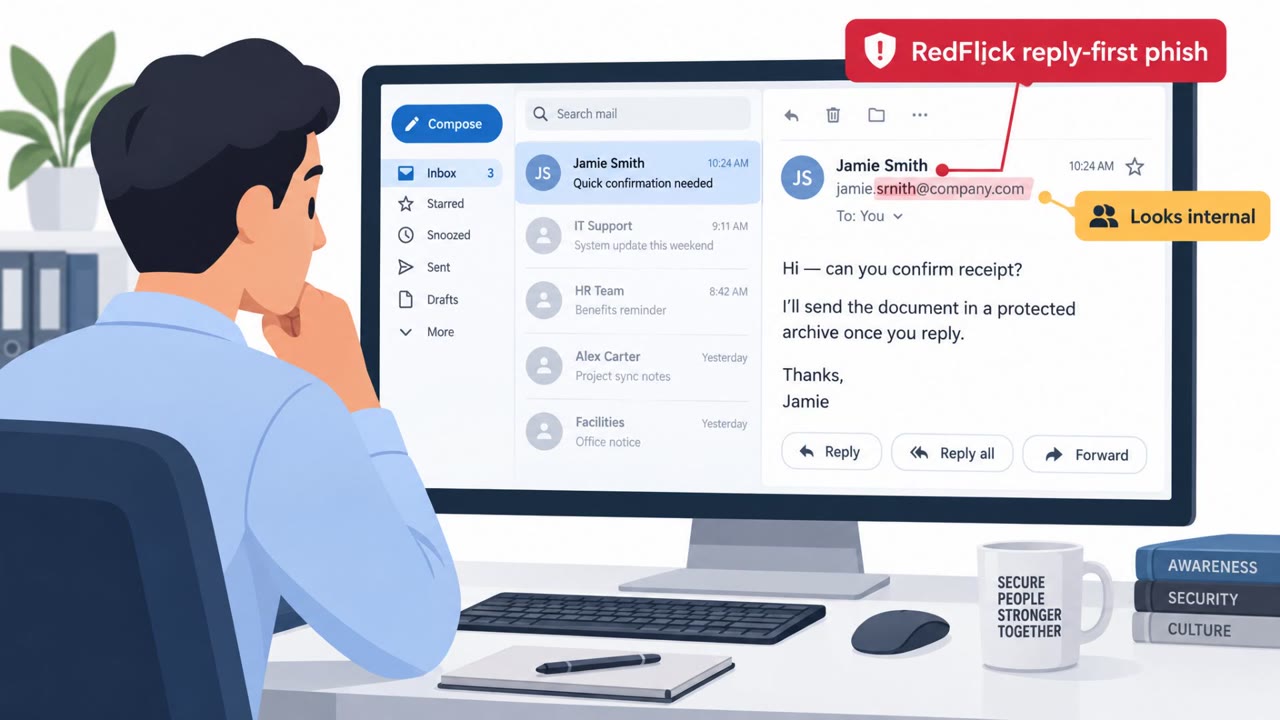
  • The message pressures the recipient to open an attached document rather than verify the sender through known channels.
  • The attachment is unexpected, even though it appears to be an official document.
  • A railway ticket or regional report is sent to someone who did not request it.
  • The sender or document context cannot be independently confirmed through an established government or railway contact.
Try Mirage

Mirage safely runs attacks like this one against your own team, so you find out what happens before a real adversary does.

Get a demo
Read the video transcript

“Official correspondence from the Kyrgyz government.” In your inbox? Silent Lynx used that pretext to target Russian agencies and industrial firms. Its exposed server also held malicious files dressed up as a Turkmenistan railway ticket and regional government report. The giveaway: why would you receive that ticket or report? One railway employee’s credentials gave the group access to Tajikistan’s national document platform. One account opened a much bigger door. Unexpected official attachment? Before opening it, confirm the sender and reason using a contact you already know.

Similar attacks

Fake Recruiters Target Job Seekers With Malware

Fake Recruiters Target Job Seekers With Malware

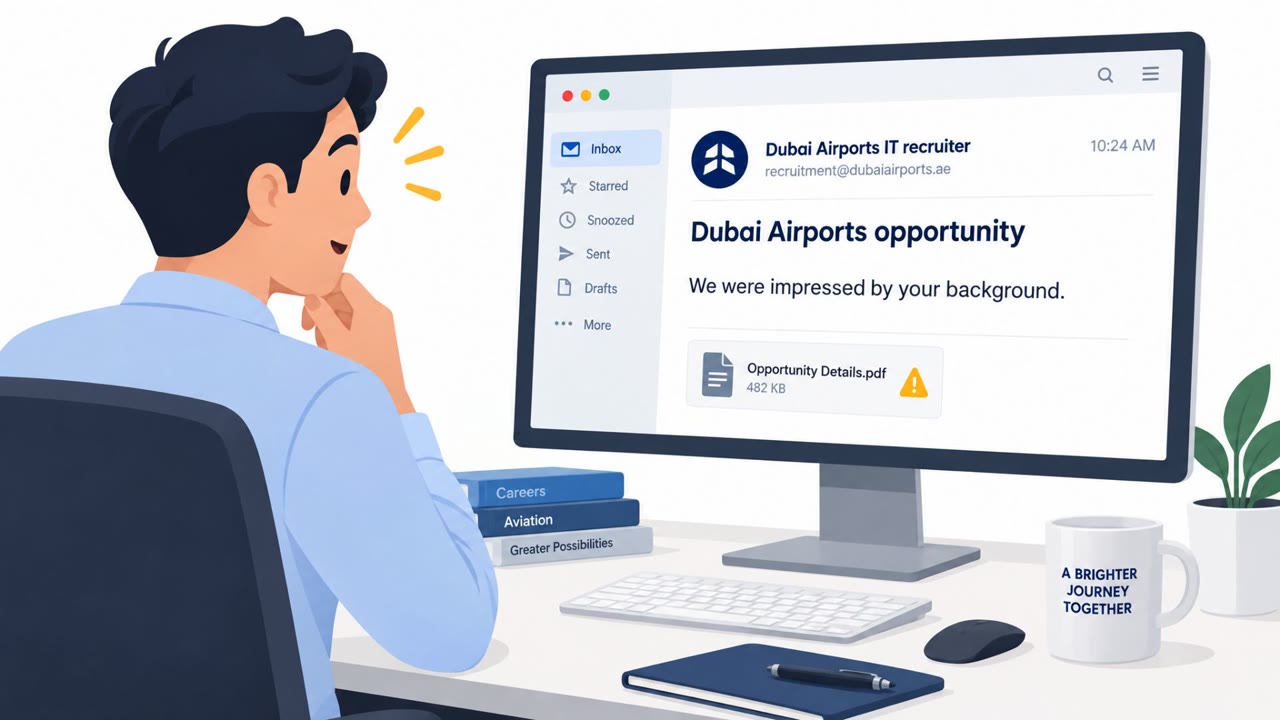
Iran-aligned DarkBlinders used convincing recruitment offers while posing as Dubai Airports recruiters to target a high-value job seeker in Iraq. The victim was asked to complete what appeared to be a coding assessment, but the assessment package installed malware. The group also used lookalike…

November 2, 2026
Silent Lynx Phishes CIS Govs With Decoy Documents

Silent Lynx Phishes CIS Govs With Decoy Documents

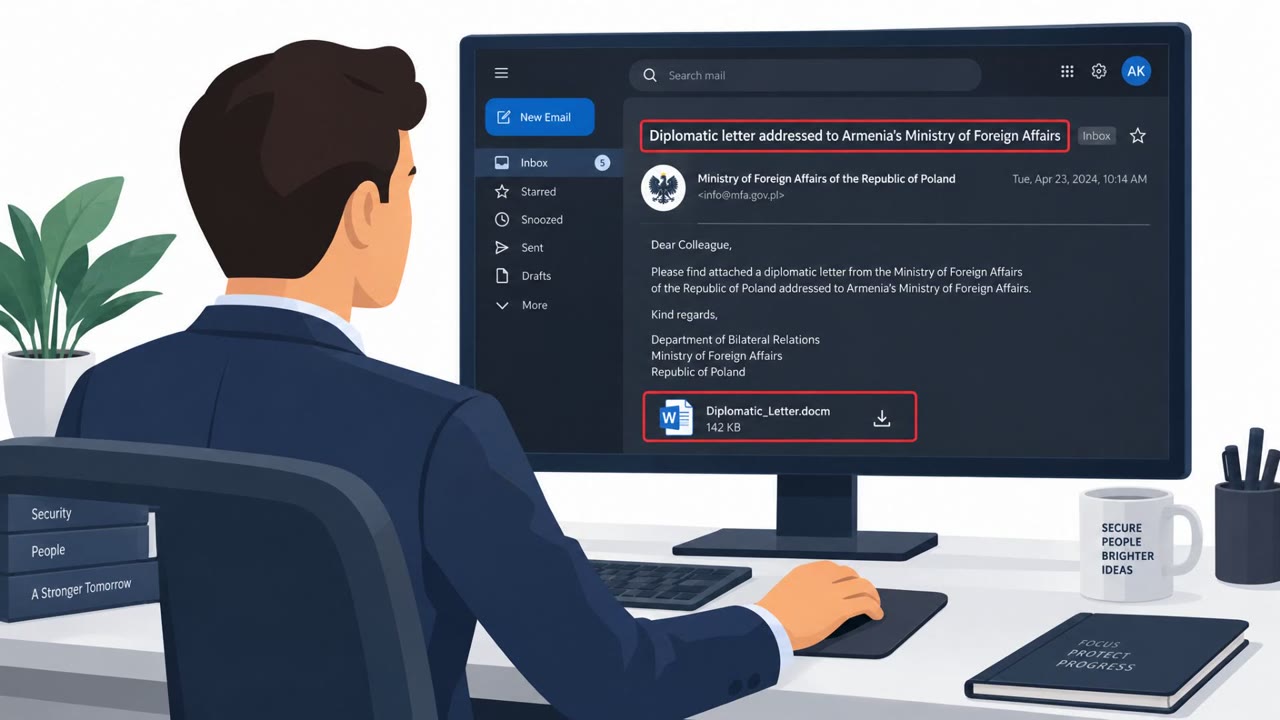
Researchers report that the threat actor Silent Lynx ran multiple real-world spear‑phishing campaigns against government organizations across Central Asia and the wider CIS region. Victims were lured with official-looking documents (e.g., diplomatic letters, airspace applications, and oil refinery…

October 15, 2026
Silent Lynx Lures CIS Officials With Fake Diplomacy Docs

Silent Lynx Lures CIS Officials With Fake Diplomacy Docs

Researchers tracked Kazakhstan-nexus group UAT-6275 (TAG-193) targeting government organizations across Central Asia and the wider CIS using convincing decoy documents tied to diplomacy and energy. The campaigns used malicious files (macro-enabled Word docs, shortcuts, and a WinRAR exploit) to…

October 15, 2026
Star Blizzard’s RedFlick Phish Uses VHDX Trap

Star Blizzard’s RedFlick Phish Uses VHDX Trap

Microsoft reports real-world Star Blizzard phishing campaigns where victims who engage with an initial email receive a follow-up message containing a password-protected ZIP/RAR attachment. The attachment chain hides a malicious shortcut disguised as a PDF, opening a decoy file while quietly…

September 30, 2026
APT28 Uses Diplomatic Word Lures to Drop HOOKEDGE

APT28 Uses Diplomatic Word Lures to Drop HOOKEDGE

Researchers report real-world campaigns targeting European government and diplomatic organizations using diplomatic-themed Microsoft Word documents. Victims are prompted to click “Enable Content,” which runs malicious macros that install the HOOKEDGE backdoor and connect to webhook-based…

August 28, 2026
SilkParasite Hits Central Asia via Phish Docs

SilkParasite Hits Central Asia via Phish Docs

Bitdefender reports a China-linked espionage campaign (“SilkParasite”) targeting government bodies in Central Asia using spearphishing emails carrying malicious Microsoft Office documents. The malware is designed to stay quiet and blend in, including using Google Drive as a communications channel…

August 20, 2026