Task Scam Drains $4.8M From Crypto Victim

The Hacker News · Medium sophistication
Last updated October 19, 2026

This weekly recap describes a task scam in which victims were paid to create fake sales and reviews, then told they had a “negative balance” and needed to deposit their own money to receive payment. One fraudster reportedly lost more than $4.8 million after proceeds from this scam were placed into compromised Ledger wallet addresses and later stolen.

Key findings

  • A task scam paid people to create fake sales and reviews for real items before presenting them with a supposed negative account balance.
  • Victims were told to add their own money to clear the negative balance and receive payment.
  • A person operating the scam reportedly lost more than $4.8 million after thieves emptied three Ledger addresses holding the scam proceeds.
  • Ledger paused sales through CryptoBilis and other third-party resellers after compromised hardware wallets were linked to an estimated $100 million in cryptocurrency theft.

Who’s being targeted

  • Commonly targeted roles: Employees who use cryptocurrency, Finance personnel, Employees seeking online side work, Procurement teams.
  • Affected industries: Cryptocurrency, Financial services, Retail.

Awareness takeaways

  • Treat any request to deposit personal funds in order to unlock earnings, clear a balance, or receive a promised payment as a likely scam.
  • Be suspicious of online work that pays people to create fake sales, ratings, or product reviews; do not continue if the process shifts from earning money to sending money.
  • Buy security-sensitive hardware, including cryptocurrency wallets, only from authorized sellers and investigate unexpected changes to wallet setup or recovery information.
Try Mirage

Mirage safely runs attacks like this one against your own team, so you find out what happens before a real adversary does.

Get a demo
Read the video transcript

A side gig pays you to post fake sales and reviews. Then the dashboard says 'negative balance.' To get paid, it says, you must deposit your own money. That's the trap: your earnings become a bill. The money trail got stranger: someone running this scam reportedly lost over $4.8 million when three Ledger addresses holding the proceeds were emptied. Remember the switch: if a job asks you to pay to get paid, stop.

MITRE ATT&CK techniques

Similar attacks

Trusted Channels Hijacked for Phishing and Malware

Trusted Channels Hijacked for Phishing and Malware

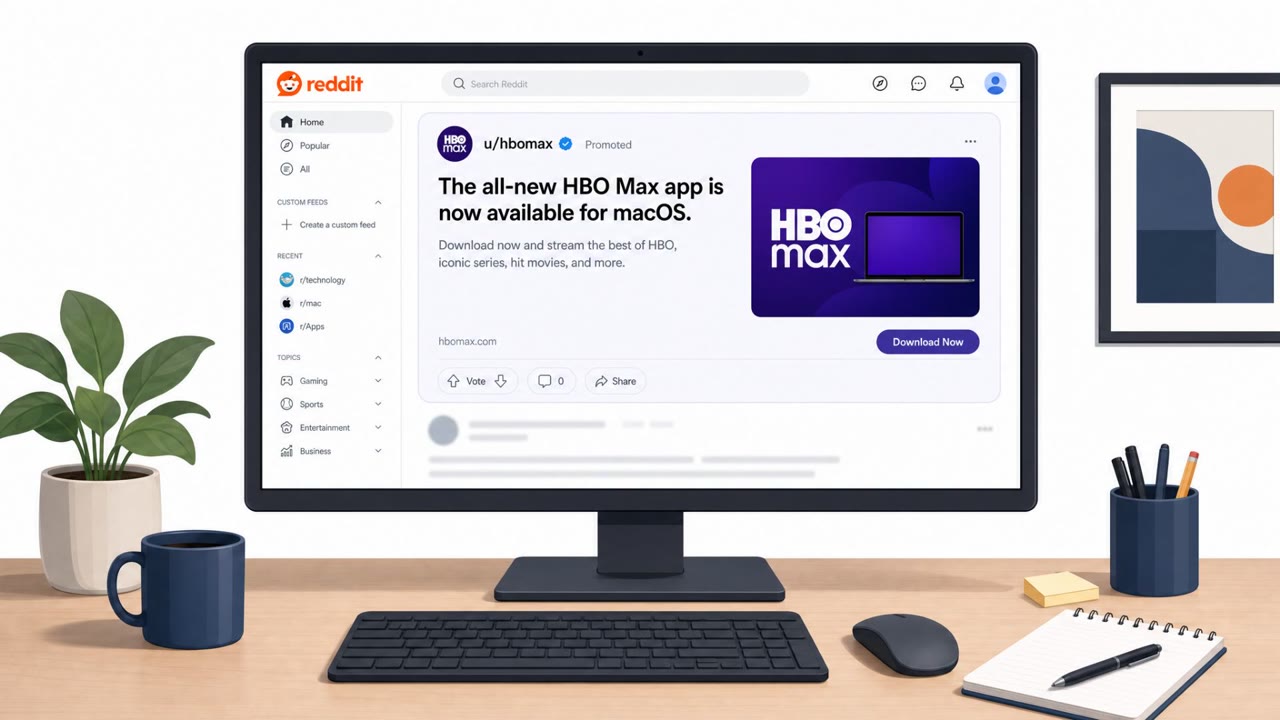
The article describes multiple real-world social engineering operations this week, including phishing sent from a legitimate Trezor newsletter channel and malware pushed through a verified HBO Max Reddit ad account. It also highlights a large-scale network of fake online stores impersonating real…

September 18, 2026
Fake Ledger “Firmware Update” Phish Spreads

Fake Ledger “Firmware Update” Phish Spreads

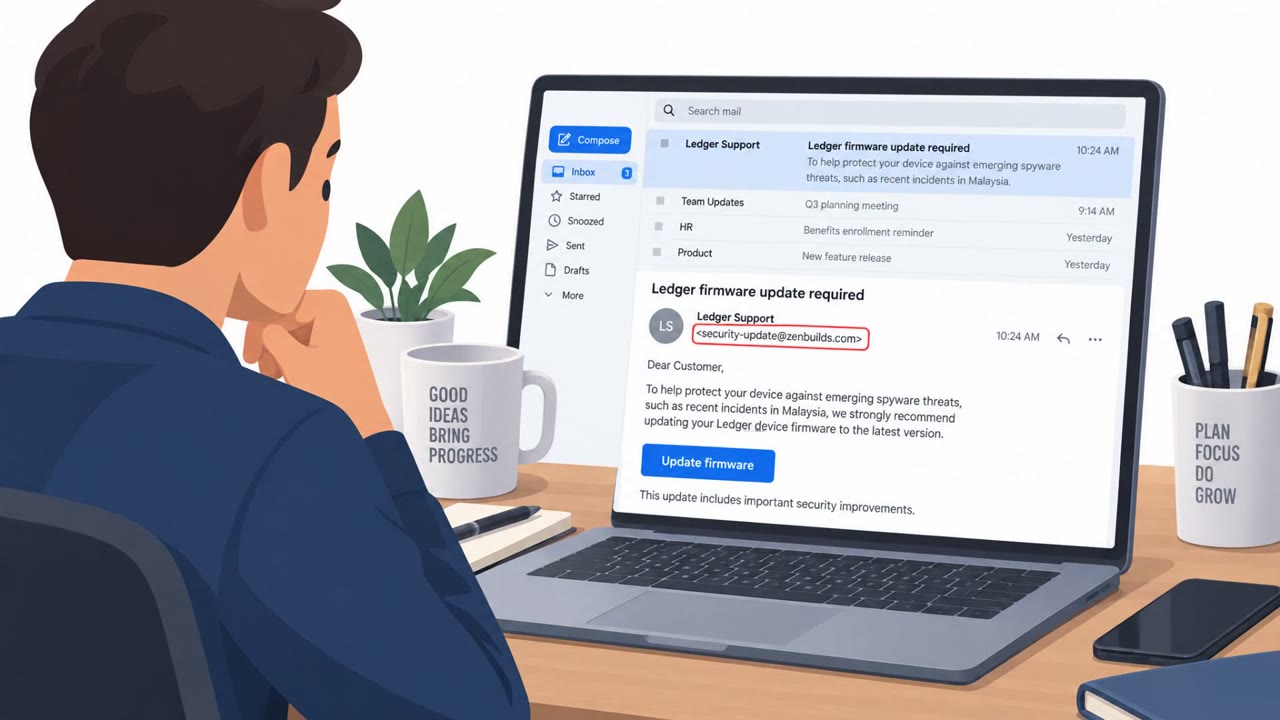
Scammers are exploiting fear from a recent Ledger-related spyware incident by sending emails that push a fake “firmware update.” The email urges recipients to connect their hardware wallet and click through to a realistic-looking “Genuine check” page with an “Update Now” button, risking theft if…

October 16, 2026
OkoBot Tricks Crypto Users Into Running Commands

OkoBot Tricks Crypto Users Into Running Commands

Kaspersky reports an active OkoBot malware campaign targeting Windows users who manage cryptocurrency. Victims are lured via “ClickFix” fake-error pages that trick them into running PowerShell commands, and via GitHub repos posing as legitimate software downloads. The malware then steals wallet…

July 16, 2026
HBO Max Reddit Account Hijacked for ClickFix Malware Ads

HBO Max Reddit Account Hijacked for ClickFix Malware Ads

Attackers took over the verified official HBO Max Reddit account and used it to run a 48-hour wave of malicious ads. The ads sent people to lookalike download sites that tricked them into copying and running commands, leading to information-stealing malware on both macOS and Windows. Researchers…

September 15, 2026
Email Bombing Hides Fraud Alerts in Inbox Chaos

Email Bombing Hides Fraud Alerts in Inbox Chaos

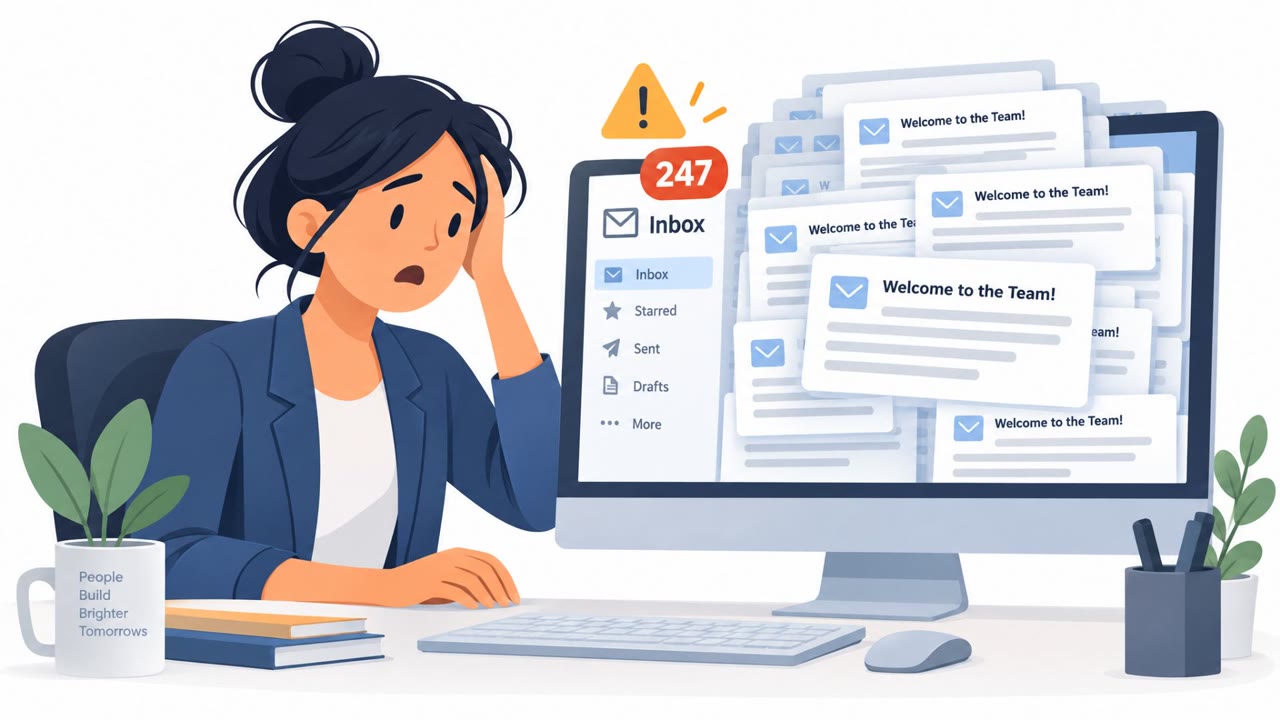
A reported case involved a Virginia woman receiving hundreds of automated sign-up emails in a day. The flood was used to hide a legitimate bank alert about a fraudulent laptop purchase, showing how inbox overload can conceal account fraud or unauthorized transactions.

October 17, 2026
Device-Code Phishing and “ClickFix” Lures Spread

Device-Code Phishing and “ClickFix” Lures Spread

This weekly recap highlights multiple real-world campaigns where attackers trick users into taking actions that grant access, without needing to steal passwords directly. Notable examples include “device code” phishing (victims are instructed to enter a short code to approve an attacker session)…

September 28, 2026