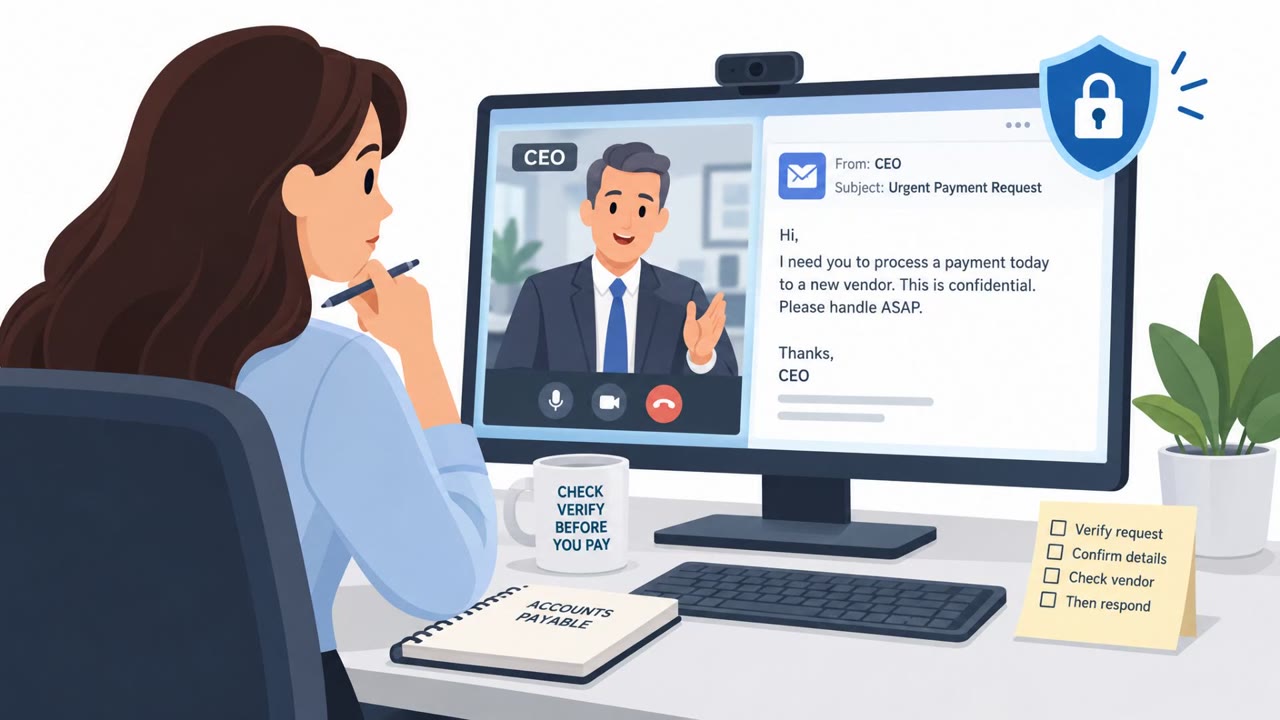
Twelve Phishing Designs Drive Most Attacks

Security Boulevard · Medium sophistication
Last updated November 16, 2026

An analysis of 32,052 real phishing emails that bypassed security filters found that just 12 recurring attack designs made up 78% of the volume. The most common pattern was a fake subscription-renewal notice designed to trigger a panicked phone call, while a small group of payment-related scams accounted for most modeled financial loss. The findings support training people to recognize the underlying request and urgency, rather than relying on brand names or sender authentication alone.

Key findings

  • The analysis examined 32,052 phishing emails that reached inboxes after passing existing security filters.
  • Twelve attack designs accounted for 78% of observed phishing volume; 60 persistent designs represented about two-thirds of volume.
  • Ninety-six percent of newly observed designs were described as single mutations of an existing attack pattern.
  • The most common design was a fake subscription-renewal notice that used urgency to prompt a phone call and appeared 6,954 times.
  • A company-money-focused phishing family represented 3.6% of messages but carried nearly all modeled loss.
  • The article states that 86% of analyzed phishing emails passed SPF, DKIM, and DMARC, so authentication alone did not establish trust.
  • Impersonated brands, monetary amounts, phone numbers, and wording changed, while the core social-engineering workflow remained consistent.

Who’s being targeted

  • Commonly targeted roles: All employees, Finance, Accounts Payable, Procurement, Executive Assistants, Treasury, Security awareness teams.
  • Affected industries: Cross-industry, Finance and accounting functions.
  • Attack channels: email, vishing.
  • Impersonated: A subscription service or recognizable consumer brand.

Awareness takeaways

  • Verify unexpected subscription-renewal notices through the vendor's official website or a known contact number, rather than calling a number in the message.
  • Treat urgency around unexpected charges, cancellations, or account renewals as a cue to pause and independently verify the claim.
  • Do not assume an email is safe solely because the sender appears authenticated; assess the request, pressure, and requested action.
  • Give additional verification attention to payment changes and requests involving company funds, even if the message seems plain or familiar.

Red flags to watch for

  • An unexpected renewal or charge is used to create panic.
  • The sender brand, dollar amount, and phone number may change between messages.
  • The email pushes the recipient to use contact details supplied in the message rather than a known official channel.
Try Mirage

Mirage safely runs attacks like this one against your own team, so you find out what happens before a real adversary does.

Get a demo
Read the video transcript

Unexpected renewal charge? That email wants you to panic. It says, 'Your subscription renewal requires immediate attention.' Then it gives you a number to call to cancel. That fake-renewal design showed up 6,954 times. Here's the trick: the brand, amount, and number change. The request doesn't. Even an authenticated sender doesn't make that phone number trustworthy. Got a renewal notice? Open the service's website yourself and check your account there.

Similar attacks

AI CEO Deepfakes Drove $129M Fraud Scheme

AI CEO Deepfakes Drove $129M Fraud Scheme

U.S. prosecutors charged three people with allegedly using AI-generated CEO and attorney impersonations to steal about $129 million from companies worldwide. The group reportedly emailed accounting teams about confidential transactions, used AI voice and video calls to reinforce the request, and…

November 6, 2026
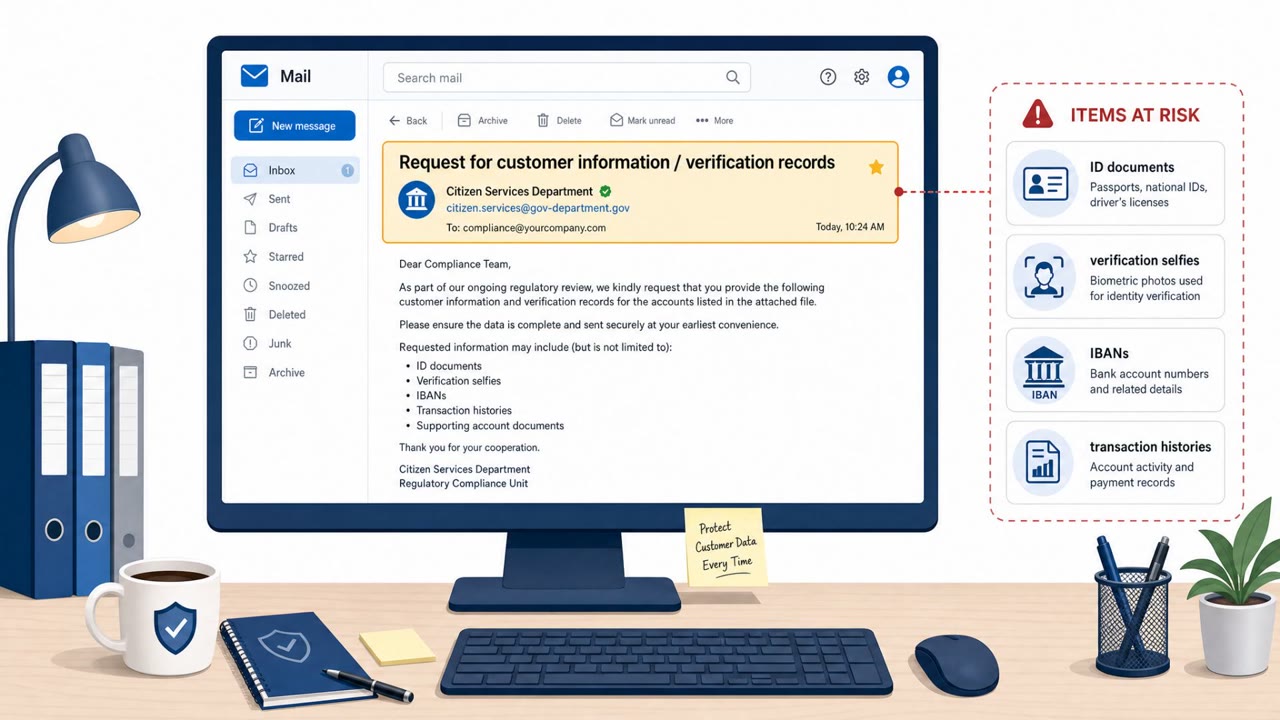
Fraudulent Gov Email and Passkey Lures Hit Orgs

Fraudulent Gov Email and Passkey Lures Hit Orgs

The bulletin describes real-world social engineering where staff were tricked into disclosing sensitive data or access. In one case, Revolut employees responded to fraudulent information requests sent from a real government-domain email account, exposing extensive customer records. Separately,…

September 14, 2026
Passkey Helpdesk Scam Hijacks Microsoft Accounts

Passkey Helpdesk Scam Hijacks Microsoft Accounts

Microsoft described two real-world campaigns: an invoice fraud blast impersonating executives to trick finance teams into ACH payments, and a passkey-themed helpdesk scam that steals or bypasses authentication to take over Microsoft cloud accounts. In the second campaign, victims are called or…

September 13, 2026
Hotel Wi‑Fi Lures and Entra Vishing Hit Users

Hotel Wi‑Fi Lures and Entra Vishing Hit Users

The article reports real-world social engineering operations, including a hotel Wi‑Fi campaign that pushed fake updates and device-code phishing to steal Microsoft 365 access. It also describes an alleged Microsoft Entra vishing campaign tied to data theft claims at Brinks Home, reinforcing the…

August 7, 2026
AI Supercharges Holiday Shopping Scams

AI Supercharges Holiday Shopping Scams

Holiday scammers are using AI to build convincing fake stores, product images, reviews, and personalized messages that imitate trusted retailers and delivery services. The article documents shoppers who paid fake sellers, received products unlike the advertised images, or encountered personalized…

November 17, 2026
Free Trials Fuel 13,000 Fake YouTube Notices

Free Trials Fuel 13,000 Fake YouTube Notices

An attacker abused LearnWorlds free-trial accounts to send 13,000 fake YouTube copyright notices from the platform’s legitimate email infrastructure. The messages pushed recipients to a YouTube redirect and a convincing fake copyright-review site that used a real Google authorization page to seek…

November 16, 2026