Free Trials Fuel 13,000 Fake YouTube Notices

The Register Security · High sophistication
Last updated November 16, 2026

An attacker abused LearnWorlds free-trial accounts to send 13,000 fake YouTube copyright notices from the platform’s legitimate email infrastructure. The messages pushed recipients to a YouTube redirect and a convincing fake copyright-review site that used a real Google authorization page to seek control of Google and YouTube accounts.

Key findings

  • The attacker created roughly 570 LearnWorlds free-trial accounts between November 7 and 14 and bypassed the platform's limit on trial subscriptions.
  • They replaced the standard welcome email with a fake copyright-infringement notice and supplied their own recipient lists, causing messages to be sent from LearnWorlds' sending address.
  • LearnWorlds says trial accounts sent 9,853 emails between November 7 and 9; a paid account sent another 3,723 emails on November 14.
  • The lure directed recipients through a YouTube redirect to a fake YouTube copyright-review page with YouTube and Google branding.
  • The destination used a genuine Google OAuth authorization flow; approving it could give attackers control of the victim's Google and YouTube accounts.
  • LearnWorlds reported no evidence that existing customer schools or customer personal data were accessed.

Who’s being targeted

  • Commonly targeted roles: Content creators, YouTube channel administrators, Marketing and social media teams, Google Workspace users, Employees who manage intellectual property or legal notices, Security awareness teams.
  • Affected industries: Online learning platforms, Content creators, Media and entertainment, Businesses using Google Workspace or YouTube.
  • Attack channels: email, website.
  • Impersonated: LearnWorlds and YouTube copyright support, LearnWorlds.

Awareness takeaways

  • Treat unexpected copyright complaints as suspicious when they do not identify the exact video, content, claimant, or alleged violation. Verify the claim independently through the real platform rather than using the email link.
  • Do not assume an email is safe simply because it was sent through a familiar company's legitimate mail server. Attackers may abuse trusted platforms or account features to distribute messages.
  • Before approving a Google authorization request, check exactly which application is requesting access and whether it truly needs the permissions requested. A copyright-review page should not need control of your account.
  • If you entered credentials or approved access on a suspicious page, change your Google password, review recent security activity, and revoke unfamiliar connected applications immediately.

Red flags to watch for

  • The notice claims copyright infringement but does not identify a specific allegedly infringing item.
  • The message uses a redirect link rather than a clearly verified destination.
  • The review page asks the recipient to authorize Google account access rather than simply view documentation.
  • The email is unexpected, even if it comes from a legitimate service's sending address.
  • The notice provides general copyright language but no specific details about the alleged violation.
  • An urgent request to click a link is paired with an unrelated or unexpected account-access request.
Try Mirage

Mirage safely runs attacks like this one against your own team, so you find out what happens before a real adversary does.

Get a demo
Read the video transcript

A YouTube copyright notice from LearnWorlds? It could be fake. Someone rewrote LearnWorlds trial welcome emails and sent 13,000 notices through its real mail system. The YouTube link redirects to a fake copyright-review page. Here’s the giveaway: no video or claimant is named. Then the page opens a real Google authorization screen asking for account access, not copyright evidence. That approval could hand over your account. Open YouTube Studio yourself to check the claim.

Similar attacks

Fake Amazon Music Deal Steals Creator Logins

Fake Amazon Music Deal Steals Creator Logins

A phishing campaign targets YouTube creators with a fake, invite-only Amazon Music advertising deal. The fraudulent site uses each creator’s real public channel statistics to appear legitimate, then places a fake Google sign-in screen over the page to capture Google passwords and multi-factor…

October 21, 2026
Fake Claude Payments and Updates Target Users

Fake Claude Payments and Updates Target Users

Cybercriminals impersonated well-known technology brands including Claude, Google, Apple, and Docusign to steal credentials, payment details, or gain access to devices. The lures used urgent payment failures, software-update prompts, and promised device-performance improvements to persuade people…

October 19, 2026
Fake Prime Gaming Offer Steals EA Logins

Fake Prime Gaming Offer Steals EA Logins

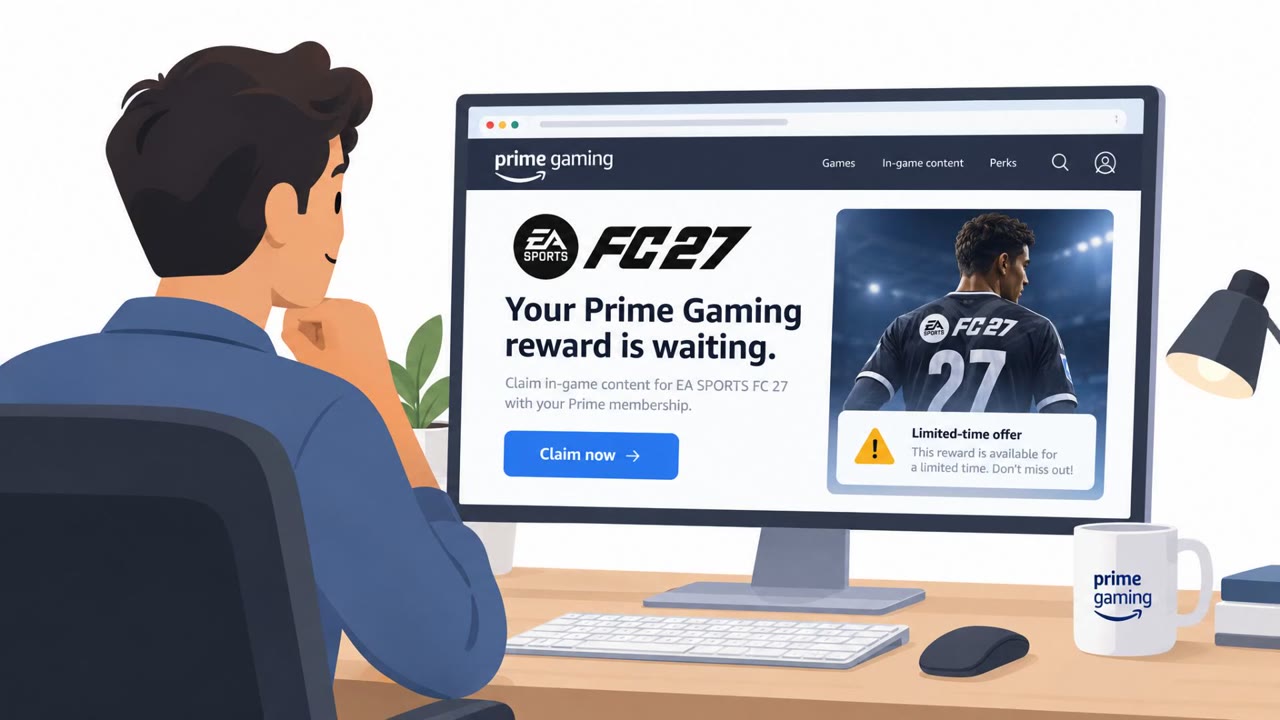
Researchers identified a fake FC 27 and Prime Gaming reward site that imitates EA’s login process to steal gamers’ email addresses, passwords, and two-factor authentication codes. The site promises free rewards, falsely claims it will send users to EA’s authorization page, and then redirects…

November 16, 2026
Fake Anthropic Preview Steals Work Logins

Fake Anthropic Preview Steals Work Logins

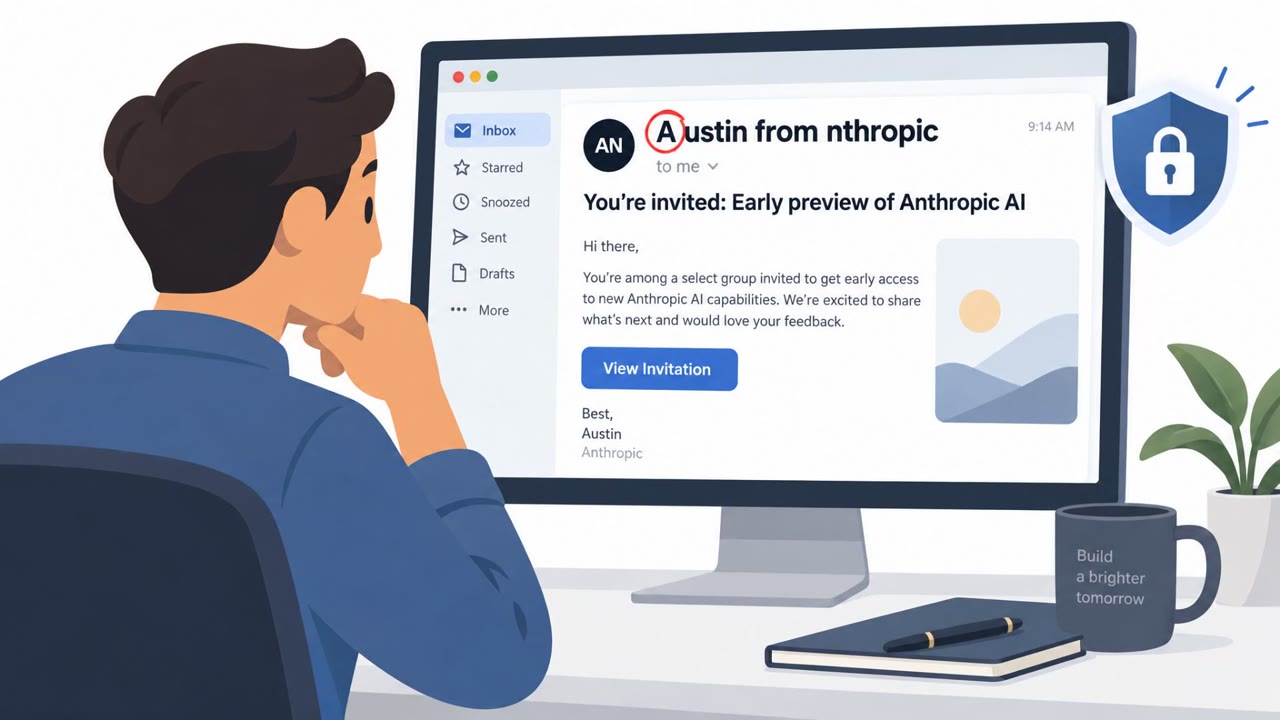
Attackers are sending fake, exclusive Anthropic AI-event invitations that use familiar GoTo Webinar branding to lure enterprise employees. Victims who register are routed through CAPTCHA checks, a fake Zoom-style event page, and spoofed Google or Microsoft sign-in pages designed to steal work…

October 29, 2026
YouTubers Phished via Fake Sponsorship Deals

YouTubers Phished via Fake Sponsorship Deals

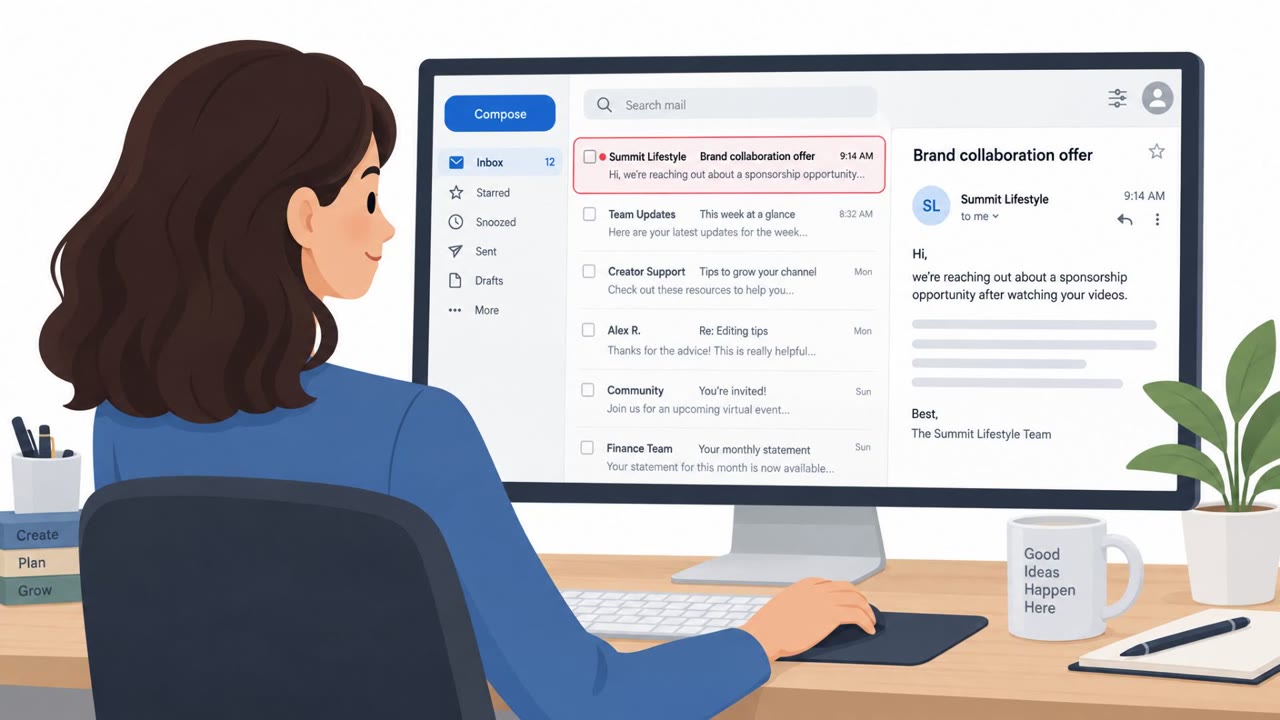
Scammers are targeting YouTube creators by posing as brands offering sponsorships and sending personalized emails that reference the creator’s videos. Victims are directed to a convincing fake collaboration platform and then prompted to sign in with Google, putting their accounts at risk.

October 11, 2026
Fake Brand Deals Steal YouTube Creator Accounts

Fake Brand Deals Steal YouTube Creator Accounts

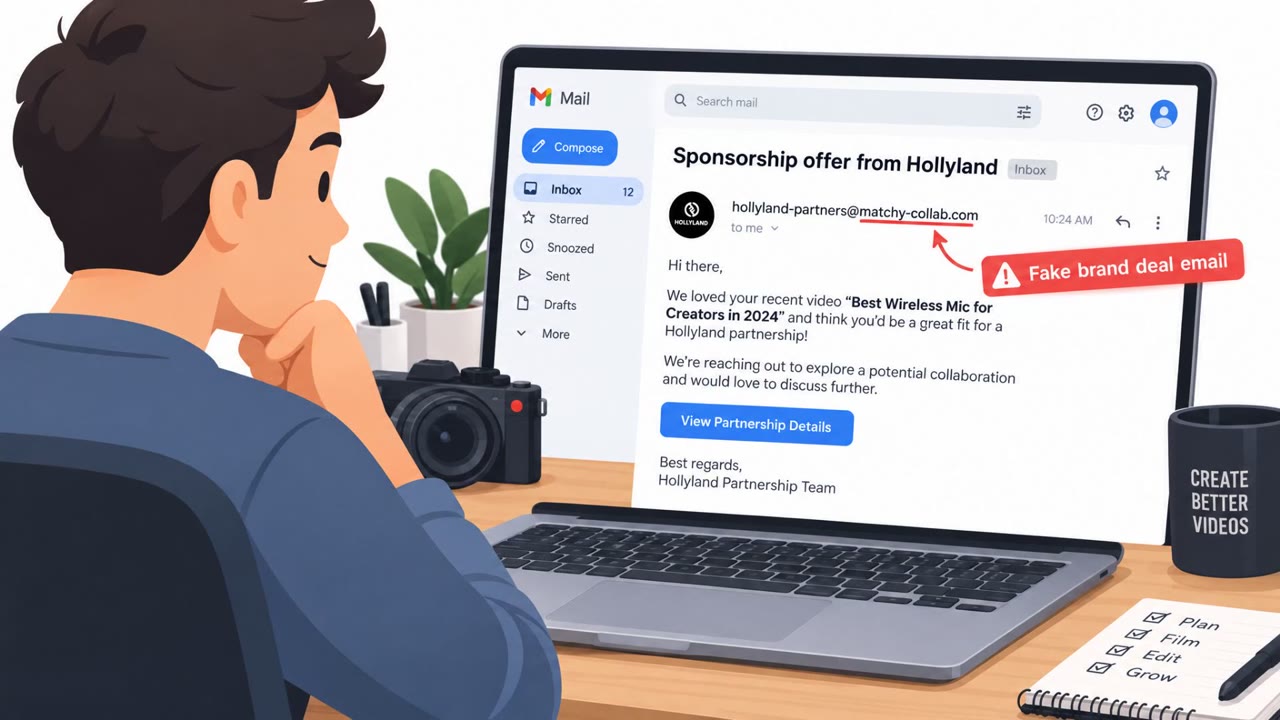
Scammers are targeting YouTube creators with personalized “sponsorship” emails that lead to a convincing fake collaboration website. The site pulls public channel data, then asks the creator to “Sign in with Google” to “verify” the channel, stealing the password and one-time code to take over Gmail…

October 8, 2026