Typosquatters Shadow New Brand Domains

Infosecurity Magazine · Medium sophistication
Last updated November 16, 2026

Researchers found attackers registering one-letter lookalike domains within a day of major brands registering new campaign websites. The fake sites can attract people who mistype an address from an ad or printed notice, then route them to scams, malware, ads, or forms that collect personal information.

Key findings

  • The campaign created 25 lookalike domains resembling newly registered domains belonging to major brands.
  • Each observed lookalike was registered within 24 hours of the legitimate domain, sometimes before the real site launched.
  • Attackers primarily copied campaign sites, including patient-savings programs, sweepstakes, rebates, claims portals, and legal settlements.
  • The domains used one-character changes, such as removing a letter from CarMax claims domains or changing “mywayconnect” to “mywayconect.”
  • Lookalike sites were used for ad revenue, deceptive search portals, scam referrals, and could later be changed into credential-harvesting forms.
  • Researchers believe the rapid registration pattern is consistent with an automated process that monitors new brand-domain registrations.

Who’s being targeted

  • Commonly targeted roles: Consumers and customer-facing staff, Marketing and web teams, Claims and rebate program teams, Healthcare patient-support teams, Legal settlement administrators, Brand protection and domain management teams.
  • Affected industries: Retail and automotive sales, Healthcare and pharmaceuticals, Consumer goods, Food service, Legal claims and settlements, Marketing and promotional campaigns.
  • Attack channels: website.
  • Impersonated: CarMax claims program, A major brand's consumer campaign site.

Awareness takeaways

  • Do not rely on a typed web address from a printed ad, leaflet, or television promotion. Use a known official website or independently verify the address before entering information.
  • Check domain names character by character, especially for claims, rebate, savings, and settlement sites that request personal data.
  • Treat an ad-heavy page, unexpected search portal, or redirects to unrelated blogs as a reason to stop and verify the site through official channels.
  • Organizations launching new public-facing campaign domains should monitor likely misspellings immediately, because attackers may register them before the legitimate site goes live.

Red flags to watch for

  • The address is missing the “s” from the legitimate carmaxclaims[.]com domain.
  • The site was registered immediately after the authentic campaign domain.
  • A claims-related page may request personal information that visitors expect to provide.
  • The address has a subtle missing or changed letter, such as “mywayconect” rather than “mywayconnect.”
  • The domain may lead to a search portal, advertising-heavy blog, or scam content rather than the expected campaign page.
  • The site asks for names, addresses, claim numbers, or health details.
Try Mirage

Mirage safely runs attacks like this one against your own team, so you find out what happens before a real adversary does.

Get a demo
Read the video transcript

That CarMax claims address? One missing letter changes everything. Typosquatters registered carmaxclaim.com one day after CarMax registered carmaxclaims.com. Type the address without the S, and you land on the lookalike, not the claims site you meant to visit. That's the trick: a claims page feels like the right place to enter your name and claim number. But the wrong address can lead to ads, scam links, or a form collecting your details. Before entering anything, go to CarMax's official website and find the claims page from there.

Similar attacks

AI Typos Send Users to ClickFix Traps

AI Typos Send Users to ClickFix Traps

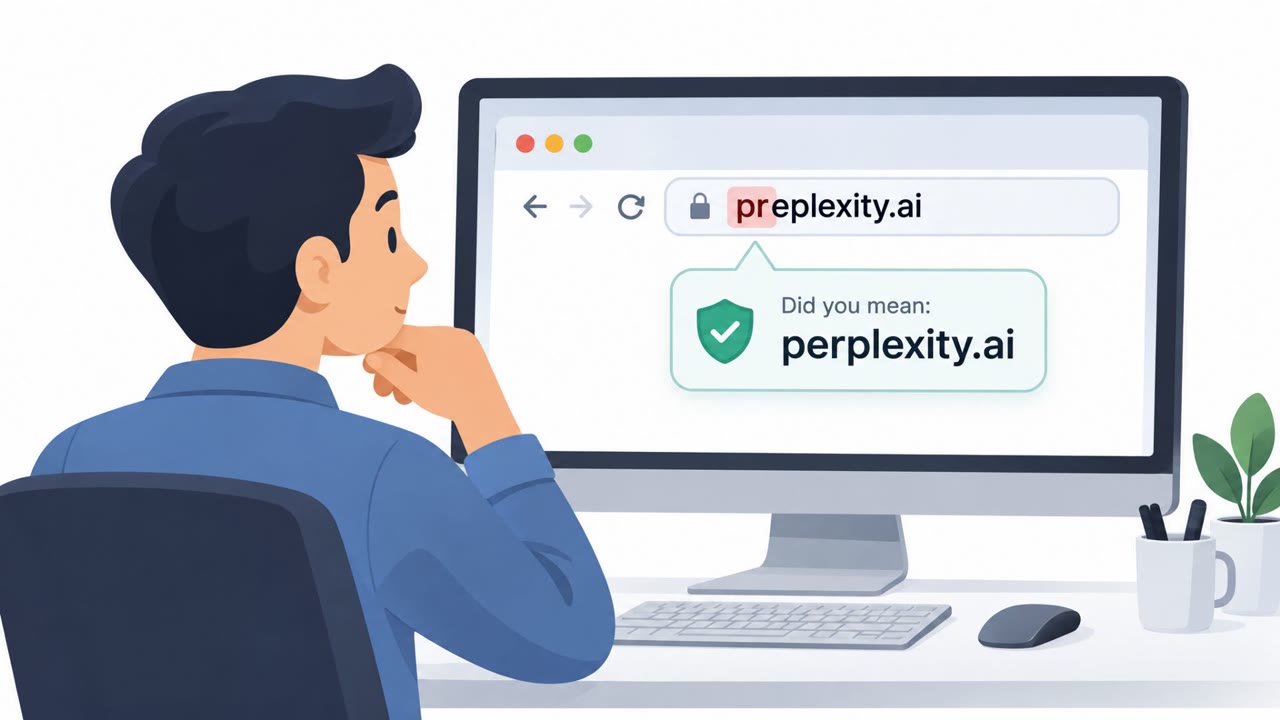
Researchers found 186 fake AI-tool domains that exploit typing mistakes to redirect visitors to malicious verification pages, browser-hijacking software, or unwanted search extensions. The sites imitate familiar services such as ChatGPT, Claude, Gemini, Copilot, and Perplexity, turning a simple…

November 12, 2026
Hijacked Shopify Apps Redirect Shoppers to Fake Checkout

Hijacked Shopify Apps Redirect Shoppers to Fake Checkout

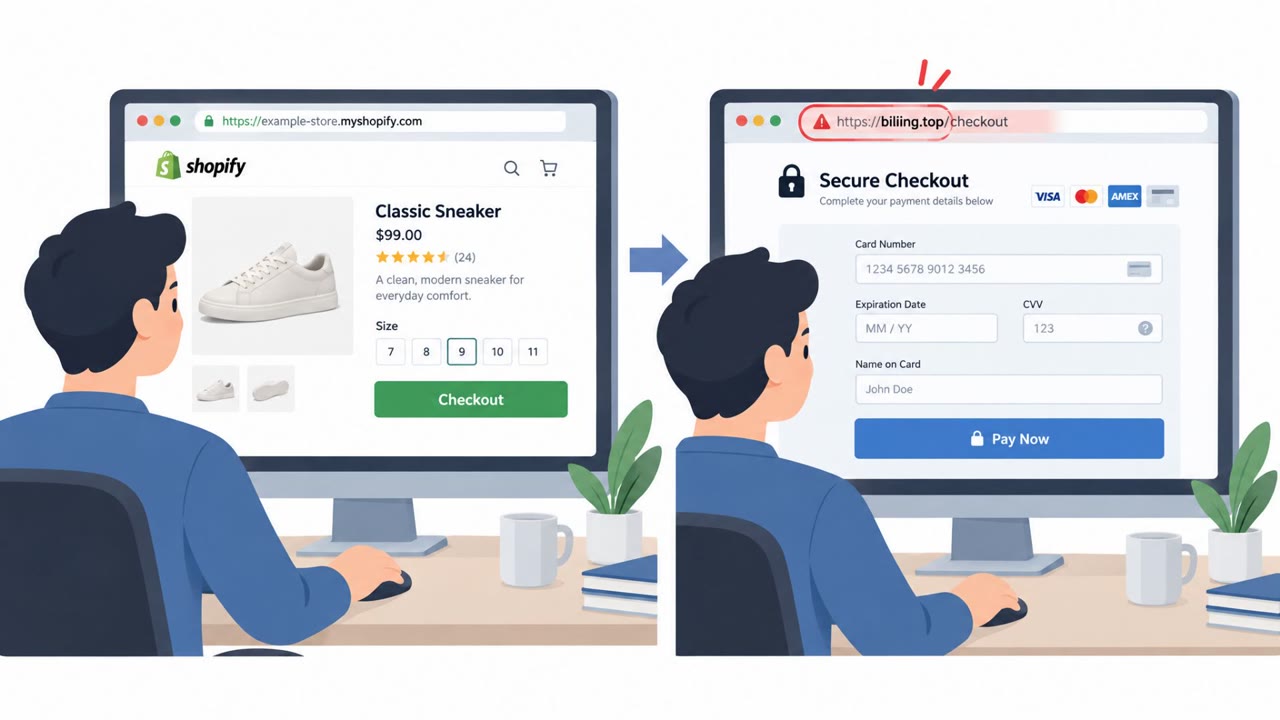
An Australian Shopify store was advised to stay closed after a third‑party app/theme extension injected malicious code that redirected shoppers to a fake checkout page. Two app vendors (Logbase and HulkApps) reported unauthorized access or configuration changes that inserted scripts designed to…

October 16, 2026
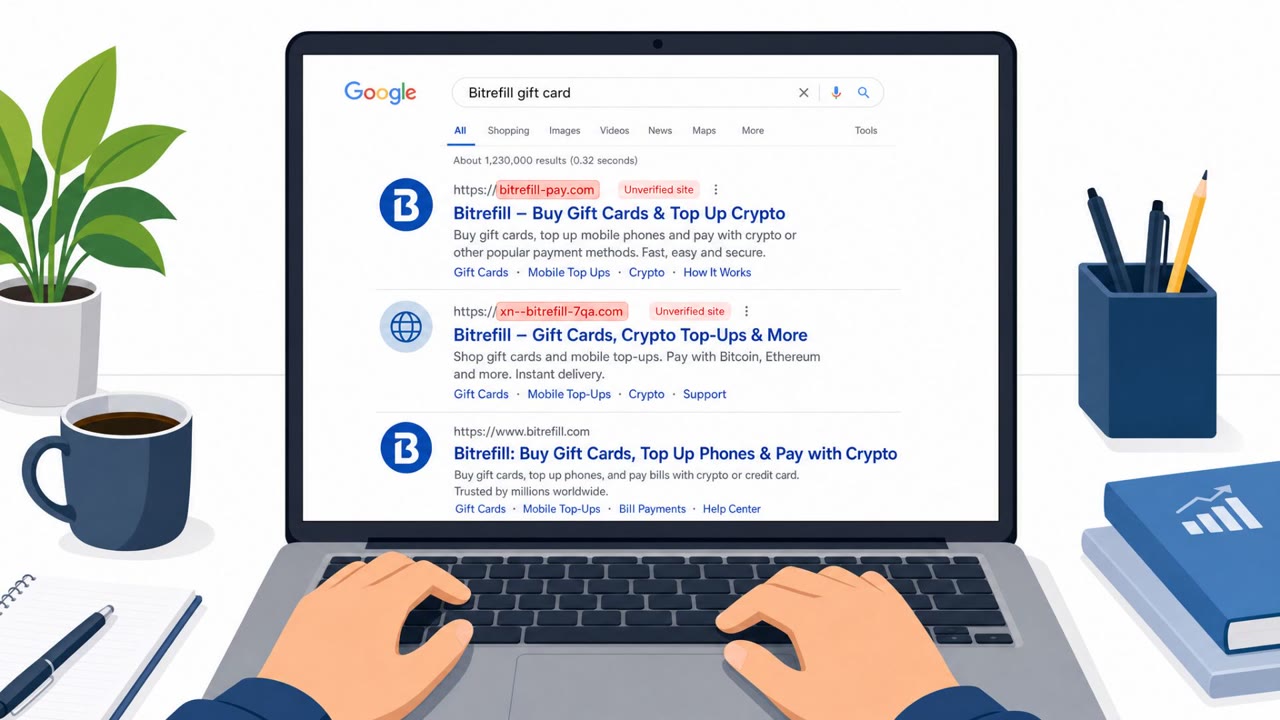
Fake Bitrefill Sites Steal Crypto via Search Results

Fake Bitrefill Sites Steal Crypto via Search Results

Scammers are using lookalike Bitrefill domains that appear in search results to trick people into buying gift cards or top-ups. The fake sites copy Bitrefill’s branding and checkout flow, then display a QR code and crypto address so victims unknowingly pay the scammers instead of Bitrefill. Because…

September 15, 2026
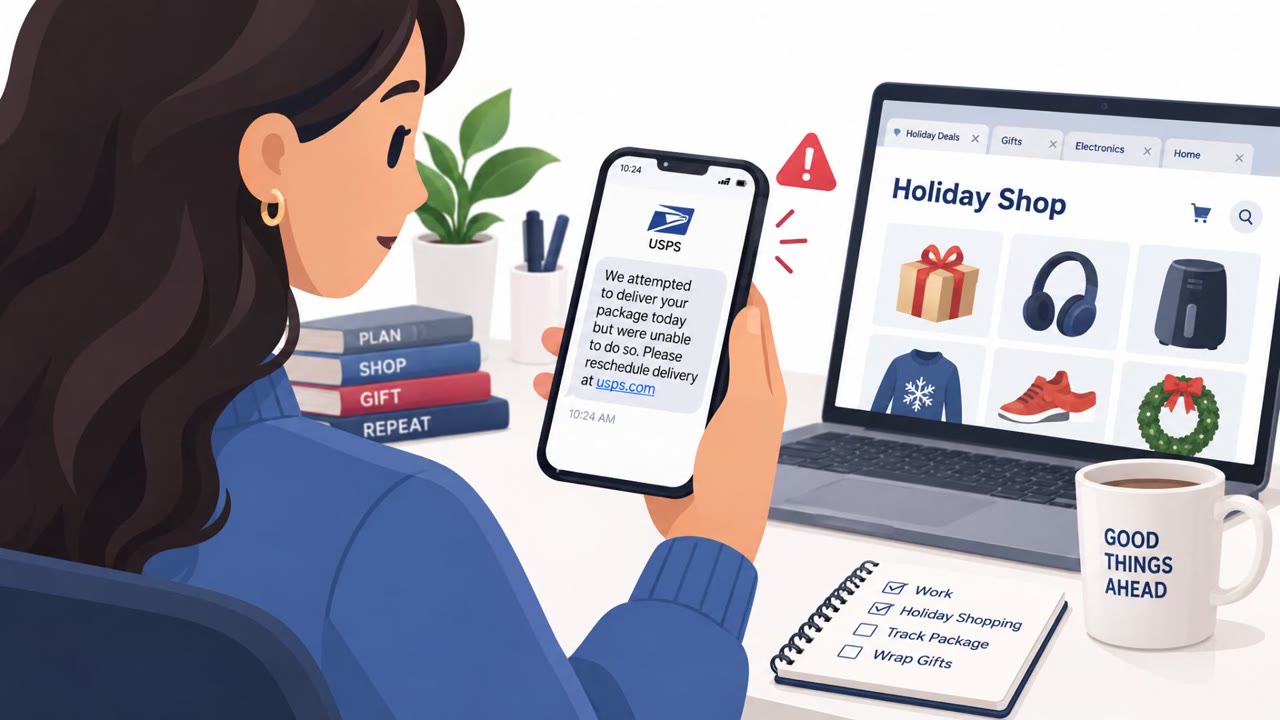
AI Supercharges Holiday Shopping Scams

AI Supercharges Holiday Shopping Scams

Holiday scammers are using AI to build convincing fake stores, product images, reviews, and personalized messages that imitate trusted retailers and delivery services. The article documents shoppers who paid fake sellers, received products unlike the advertised images, or encountered personalized…

November 17, 2026
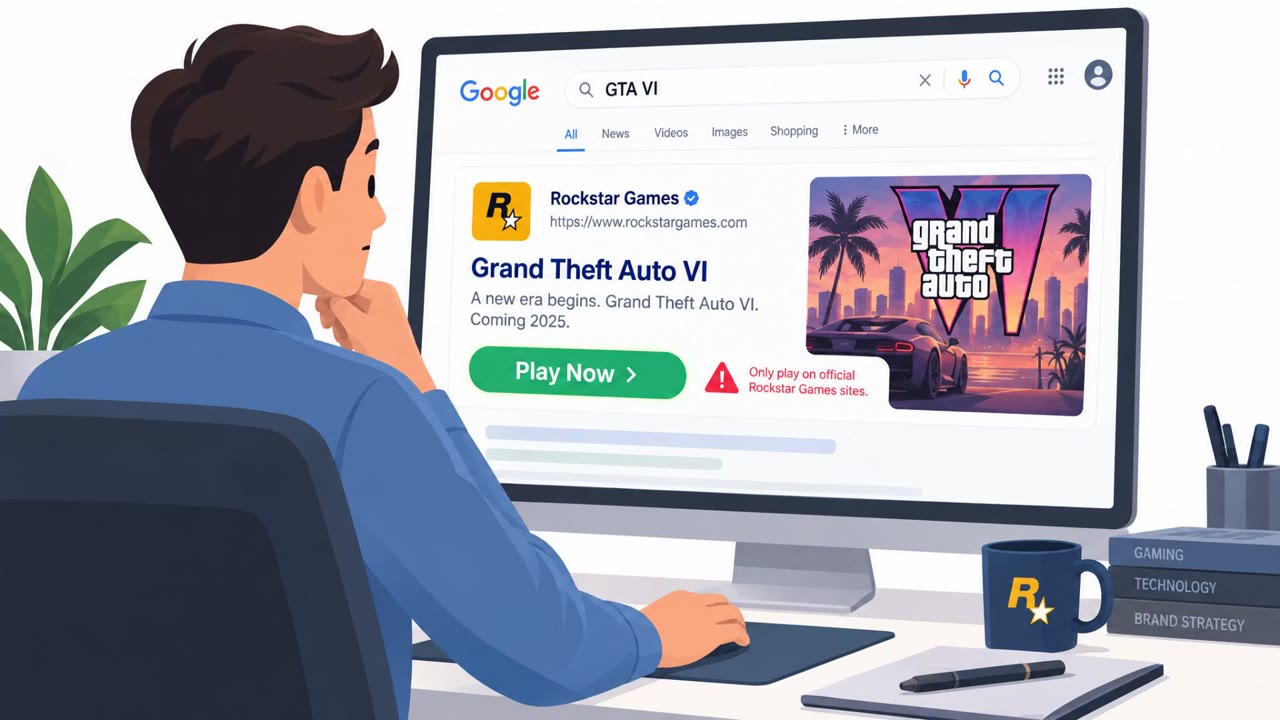
GTA VI Hype Fuels Fake Downloads and Stores

GTA VI Hype Fuels Fake Downloads and Stores

Criminals are exploiting excitement around Grand Theft Auto VI with fake demos, leaked builds, early-access offers, and counterfeit stores. These scams use official-looking Rockstar branding to steal passwords, payment details, cryptocurrency, and access to gaming accounts, or to install malware on…

November 14, 2026
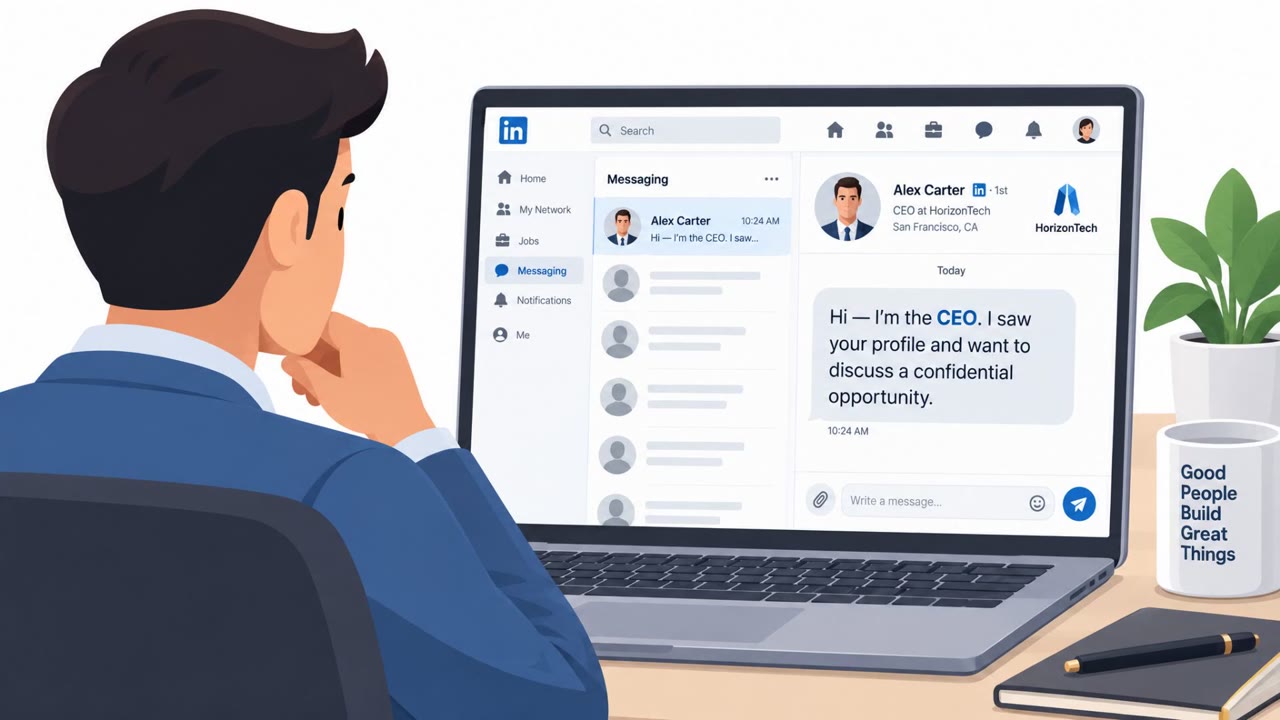
Fake CEOs on LinkedIn Fuel IP & Data Theft

Fake CEOs on LinkedIn Fuel IP & Data Theft

A CSC report describes real-world scams where criminals impersonate executives and brands online to steal personal or payment information. Examples include fake CEOs contacting people on LinkedIn with bogus job offers, and lookalike “FIFA” domains used for fake ticket sales, travel offers, and…

September 22, 2026