US authorities announced a major crackdown on scam operations that targeted Americans through phone calls, stolen personal data, sweepstakes fraud, and threats of arrest or deportation. The cases provide concrete training examples, including fake missed-jury-duty fines and calls pressuring Spanish-speaking people to buy English-language products.
What the crackdown revealed
A US Department of Justice announcement detailed a wide-ranging crackdown on scam operations targeting Americans through phone calls, stolen personal data, and sweepstakes fraud. The cases span more than 800 alleged scammers and over 400 cases across 85 federal districts, giving defenders rare, concrete examples of how these calls are actually scripted and delivered.
How the attacks worked
Two documented pretexts stand out for awareness training purposes:
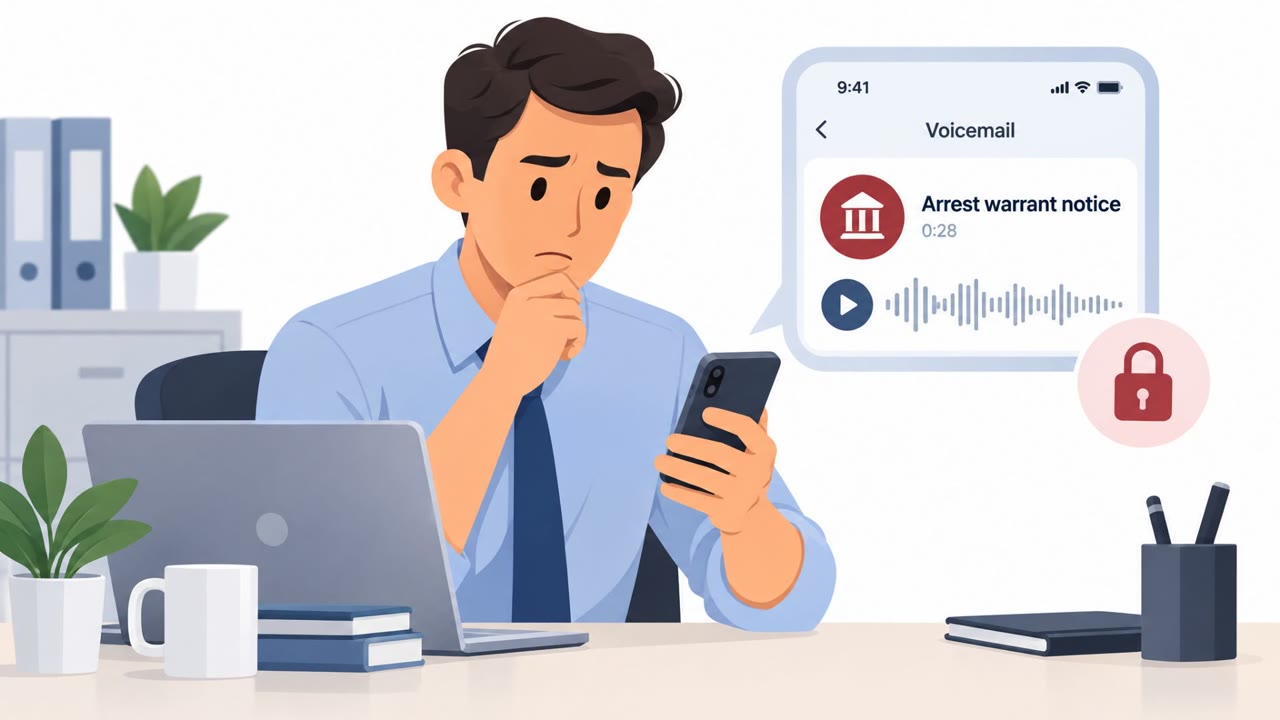
- A Georgia prison-based scheme allegedly used smuggled phones to call strangers, claim they had missed jury duty, and demand a fine to avoid jail. This preys on fear of legal consequences and urgency.
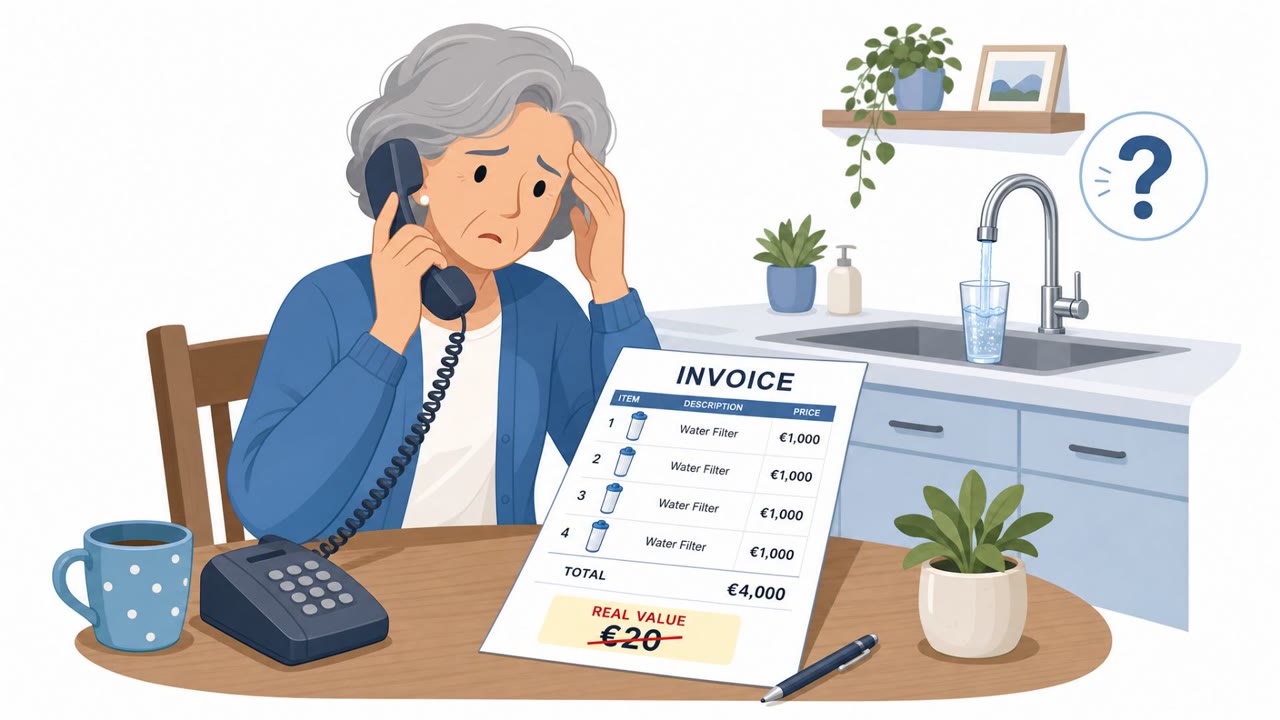
- A Peruvian call center allegedly told Spanish-speaking Americans they would be arrested or deported unless they paid for English language-learning products, combining legal threats with a targeted sales pitch aimed at a specific community.
Both scenarios rely on impersonating authority figures, whether court officials or immigration enforcement, and pairing that impersonation with an immediate financial demand framed as the only way to avoid a worse outcome.
Why these scripts succeeded
These pretexts work because they combine three elements that are hard to resist in the moment: a claimed legal or immigration threat, urgency that discourages independent verification, and in some cases, prior knowledge about the target. Scammers used lists containing elderly Americans' names and contact details, including for a sweepstakes scheme aimed at older victims, showing that some calls were not random but targeted using purchased or stolen data.
What to watch for
Defenders and awareness programs should highlight these red flags:
- An unsolicited caller claims an urgent legal penalty, such as a missed jury duty obligation, is owed.
- The caller pressures the target to pay immediately to avoid arrest, jail, or deportation.
- An offer or demand is specifically tailored to the recipient's language needs or immigration status.
- Unexpected sweepstakes or prize notifications arrive by phone, particularly targeting older adults.
Building resistance
Organizations and individuals can reduce exposure by reinforcing a few habits. Never pay a fine or fee based solely on an unexpected call; instead, independently contact the relevant court or agency using a phone number from its official website. Treat any call that links a legal or immigration consequence to an immediate payment as a warning sign requiring verification. Finally, encourage people to report suspected scam attempts even when no money changes hands, since related enforcement efforts warned over 11,000 Americans who were being targeted, helping prevent further losses.
Key findings
- The Department of Justice said the crackdown involved more than 800 alleged scammers and over 400 cases across 85 federal districts.
- A Georgia prison-based scheme allegedly used contraband phones to call people, claim they missed jury duty, and demand a fine to avoid jail.
- Scammers used lists containing elderly Americans' names and contact details, including a sweepstakes scheme aimed at older victims.
- A Peruvian call center allegedly threatened Spanish-speaking Americans with arrest or deportation unless they paid for English language-learning products.
- Operation Blackout reportedly dismantled more than 29 scam compounds and warned over 11,000 Americans who were being targeted.
Who’s being targeted
- Commonly targeted roles: General public, Older adults and retirees, Customer-facing employees, Military personnel and service members, Spanish-speaking employees and communities.
- Affected industries: Consumers, Older adults and retirees, Government and legal services, Military personnel and service members.
- Attack channels: vishing.
- Impersonated: Court or jury-duty enforcement official, Immigration or law-enforcement authority.
Red flags to watch for
- An unsolicited caller claims an urgent legal penalty is owed.
- The caller pressures the target to pay to avoid jail.
- The demand is based on a claimed missed jury-duty obligation rather than a notice verified through official court channels.
- A caller uses fear of arrest or deportation to force a purchase.
- The caller links a supposed legal or immigration consequence to buying a product.
- The offer specifically targets the recipient’s language needs or immigration concerns.
Frequently asked questions
What pretexts did scammers use in this DOJ crackdown?
Cases included callers claiming targets missed jury duty and demanding a fine to avoid jail, and a Peruvian call center threatening Spanish-speaking Americans with arrest or deportation unless they paid for English language-learning products.
Who were the main targets of these scam operations?
Targets included the general public, older adults and retirees, Spanish-speaking communities, and military personnel, with scammers using purchased lists of elderly Americans' contact details.
How can someone verify a jury duty or legal penalty call is real?
Independently contact the court using a phone number from its official website rather than any number or payment instructions given during the call.
How big was the scale of this crackdown?
The Department of Justice said it involved more than 800 alleged scammers and over 400 cases across 85 federal districts, and a related operation warned over 11,000 targeted Americans.
Read the video transcript
“You missed jury duty. Pay a fine or go to jail.” That’s vishing: a phone scam. In one Georgia case, calls allegedly came from inside a prison, not a courthouse. The caller claimed you’d missed jury duty, then demanded money. Same playbook, different fear: a Peruvian call center allegedly threatened Spanish-speaking Americans with deportation unless they bought English lessons. A legal threat tied to a purchase? That’s your clue. If a caller says you owe a jury-duty fine, hang up and call the court using the number on its official website.